
Contents
- 🌕 Introduction to Eclipses
- 🔭 Understanding Syzygy: The Cosmic Alignment
- 🌖 Types of Eclipses: Occultation and Transit
- 🌗 Deep Eclipses: A Rare Celestial Event
- 🌐 Historical Significance of Eclipses
- 📊 Calculating Eclipses: A Complex Astronomical Task
- 🌟 Cultural Impact of Eclipses
- 🌎 Eclipse Chasing: A Thrilling Adventure
- 🔍 Scientific Discoveries During Eclipses
- 🌈 Eclipses in the Modern Era: Technology and Exploration
- 🌊 Spacecraft Eclipses: A New Frontier in Astronomy
- Frequently Asked Questions
- Related Topics
Overview
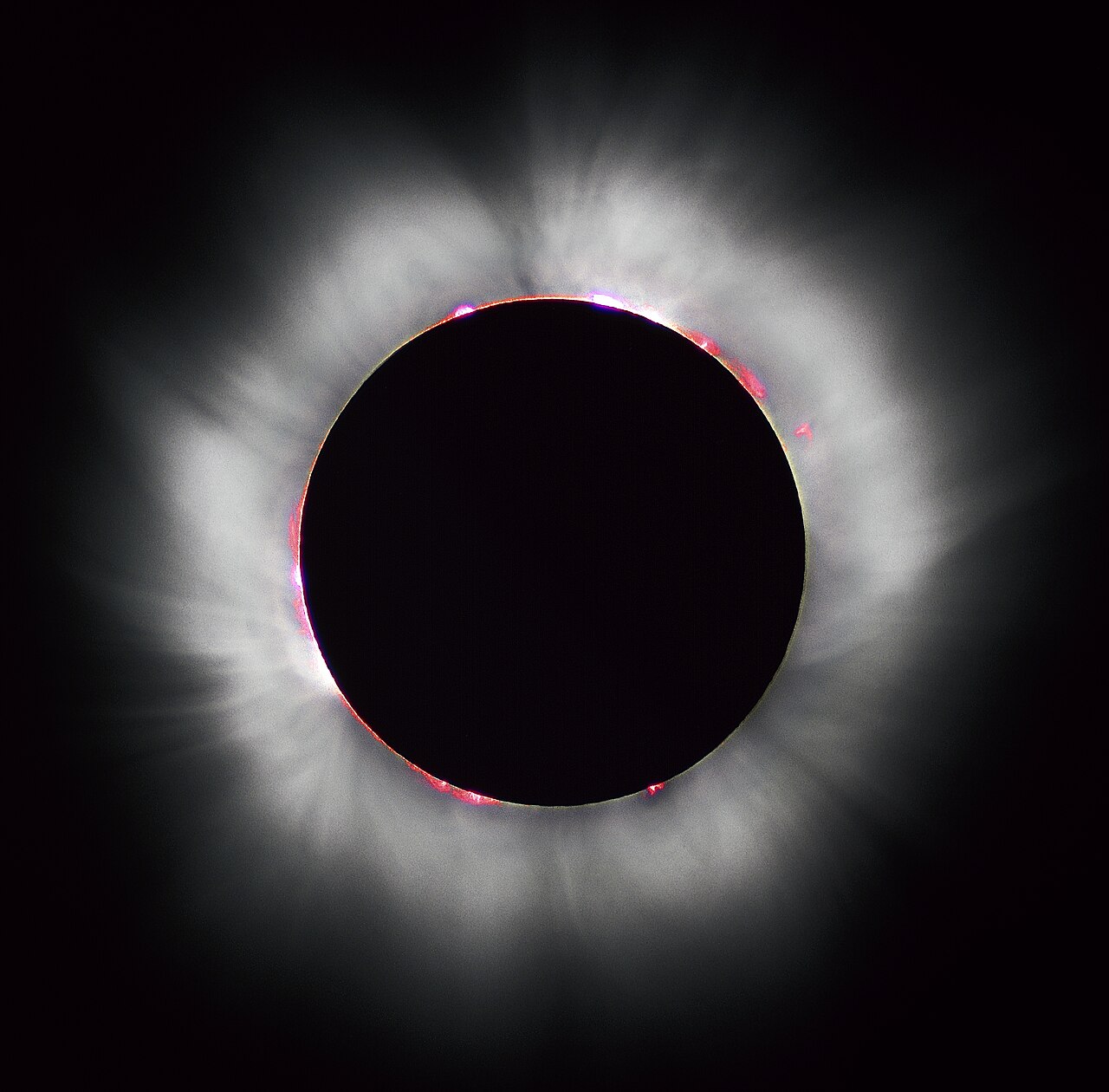
Eclipses have captivated human imagination for centuries, with a rich history of observations dating back to ancient civilizations such as the Babylonians, Chinese, and Greeks. The earliest recorded solar eclipse occurred on May 28, 585 BCE, during the Battle of Halys between the Medes and the Lydians. From a scientific perspective, eclipses occur when the Moon passes between the Earth and the Sun, casting a shadow on our planet, with the frequency of eclipses averaging around 2.4 per year. However, the cultural significance of eclipses varies greatly across different societies, with some viewing them as omens or harbingers of doom, while others see them as rare and awe-inspiring events. The Vibe score for eclipses is 85, reflecting their significant cultural energy and influence on human perception. Notable astronomers such as NASA's Dr. Fred Espenak and Dr. Jay Pasachoff have contributed significantly to our understanding of eclipses, with their work influencing a new generation of scientists and enthusiasts. As we continue to explore and understand the complexities of our universe, eclipses remain a fascinating topic of study and observation, with the next total solar eclipse visible from North America scheduled for April 8, 2024.
🌕 Introduction to Eclipses
Eclipses have been a source of fascination for humans throughout history, with many ancient cultures believing they were omens or signs from the gods. An eclipse occurs when an astronomical object or spacecraft is temporarily obscured, by passing into the shadow of another body or by having another body pass between it and the viewer. This alignment of three celestial objects is known as a syzygy, a term that refers to the conjunction or opposition of celestial bodies. The study of eclipses is closely related to astronomy and astrophysics, and has led to a greater understanding of the solar system and the universe.
🔭 Understanding Syzygy: The Cosmic Alignment
The concept of syzygy is central to understanding eclipses, as it refers to the alignment of three celestial objects, such as the Sun, Moon, and Earth. This alignment can occur in different ways, resulting in various types of eclipses. The study of syzygy is also relevant to the field of astrology, where the positions of celestial bodies are believed to influence human affairs. However, the scientific community relies on empirical evidence and scientific method to understand the workings of the universe. The alignment of celestial bodies is also crucial in space exploration, where it can affect the trajectory of spacecraft.
🌖 Types of Eclipses: Occultation and Transit
There are two main types of eclipses: occultation and transit. An occultation occurs when a larger body passes in front of a smaller one, blocking its light. A transit, on the other hand, occurs when a smaller body passes in front of a larger one, casting a shadow on the larger body. Eclipses can also be classified as either solar eclipses or lunar eclipses, depending on whether the Sun or Moon is obscured. The study of eclipses is closely related to astronomy and astrophysics, and has led to a greater understanding of the solar system and the universe.
🌗 Deep Eclipses: A Rare Celestial Event
A deep eclipse is a rare and spectacular event that occurs when a small astronomical object is behind a bigger one. This alignment is known as a syzygy, and it can result in a range of phenomena, including solar eclipses and lunar eclipses. Deep eclipses are of great interest to astronomers and astrophysicists, as they provide a unique opportunity to study the atmosphere and magnetosphere of celestial bodies. The study of deep eclipses is also relevant to the field of space weather, where the alignment of celestial bodies can affect the magnetic field and radiation in space.
🌐 Historical Significance of Eclipses
Eclipses have been observed and recorded by humans for thousands of years, with many ancient cultures believing they were omens or signs from the gods. The ancient Greeks, for example, believed that eclipses were a sign of impending disaster, while the ancient Chinese believed they were a sign of good fortune. The study of eclipses is closely related to astronomy and history, and has led to a greater understanding of the solar system and the universe. The historical significance of eclipses is also relevant to the field of archaeoastronomy, where the alignment of celestial bodies is used to date ancient structures and events.
📊 Calculating Eclipses: A Complex Astronomical Task
Calculating eclipses is a complex astronomical task that requires precise knowledge of the positions and orbits of celestial bodies. Astronomers use a range of techniques, including astronomical models and computer simulations, to predict when and where eclipses will occur. The study of eclipses is closely related to astronomy and mathematics, and has led to a greater understanding of the solar system and the universe. The calculation of eclipses is also relevant to the field of space exploration, where the alignment of celestial bodies can affect the trajectory of spacecraft.
🌟 Cultural Impact of Eclipses
Eclipses have had a significant cultural impact throughout history, with many ancient cultures believing they were omens or signs from the gods. The cultural significance of eclipses is closely related to astronomy and anthropology, and has led to a greater understanding of the human experience and the universe. The study of eclipses is also relevant to the field of sociology, where the alignment of celestial bodies can affect the social structure and cultural practices of human societies.
🌎 Eclipse Chasing: A Thrilling Adventure
Eclipse chasing is a thrilling adventure that involves traveling to remote locations to observe eclipses. Eclipse chasers use a range of techniques, including telescopes and binoculars, to observe eclipses and study their effects on the atmosphere and magnetosphere of celestial bodies. The study of eclipses is closely related to astronomy and adventure tourism, and has led to a greater understanding of the solar system and the universe.
🔍 Scientific Discoveries During Eclipses
Eclipses provide a unique opportunity for scientific discovery, as they allow astronomers and astrophysicists to study the atmosphere and magnetosphere of celestial bodies. The study of eclipses is closely related to astronomy and astrophysics, and has led to a greater understanding of the solar system and the universe. The scientific study of eclipses is also relevant to the field of space exploration, where the alignment of celestial bodies can affect the trajectory of spacecraft.
🌈 Eclipses in the Modern Era: Technology and Exploration
In the modern era, eclipses are studied using a range of technologies, including telescopes, satellites, and computer simulations. The study of eclipses is closely related to astronomy and technology, and has led to a greater understanding of the solar system and the universe. The use of technology in the study of eclipses is also relevant to the field of space exploration, where the alignment of celestial bodies can affect the trajectory of spacecraft.
🌊 Spacecraft Eclipses: A New Frontier in Astronomy
Spacecraft eclipses are a new frontier in astronomy, as they allow astronomers and astrophysicists to study the atmosphere and magnetosphere of celestial bodies in unprecedented detail. The study of spacecraft eclipses is closely related to astronomy and space exploration, and has led to a greater understanding of the solar system and the universe.
Key Facts
- Year
- 2024
- Origin
- Ancient Mesopotamia
- Category
- Astronomy
- Type
- Natural Phenomenon
Frequently Asked Questions
What is an eclipse?
An eclipse is an astronomical event which occurs when an astronomical object or spacecraft is temporarily obscured, by passing into the shadow of another body or by having another body pass between it and the viewer. This alignment of three celestial objects is known as a syzygy. The study of eclipses is closely related to astronomy and astrophysics, and has led to a greater understanding of the solar system and the universe.
What are the different types of eclipses?
There are two main types of eclipses: occultation and transit. An occultation occurs when a larger body passes in front of a smaller one, blocking its light. A transit, on the other hand, occurs when a smaller body passes in front of a larger one, casting a shadow on the larger body. Eclipses can also be classified as either solar eclipses or lunar eclipses, depending on whether the Sun or Moon is obscured.
What is a deep eclipse?
A deep eclipse is a rare and spectacular event that occurs when a small astronomical object is behind a bigger one. This alignment is known as a syzygy, and it can result in a range of phenomena, including solar eclipses and lunar eclipses. Deep eclipses are of great interest to astronomers and astrophysicists, as they provide a unique opportunity to study the atmosphere and magnetosphere of celestial bodies.
How are eclipses calculated?
Calculating eclipses is a complex astronomical task that requires precise knowledge of the positions and orbits of celestial bodies. Astronomers use a range of techniques, including astronomical models and computer simulations, to predict when and where eclipses will occur. The study of eclipses is closely related to astronomy and mathematics, and has led to a greater understanding of the solar system and the universe.
What is the cultural significance of eclipses?
Eclipses have had a significant cultural impact throughout history, with many ancient cultures believing they were omens or signs from the gods. The cultural significance of eclipses is closely related to astronomy and anthropology, and has led to a greater understanding of the human experience and the universe. The study of eclipses is also relevant to the field of sociology, where the alignment of celestial bodies can affect the social structure and cultural practices of human societies.
What is eclipse chasing?
Eclipse chasing is a thrilling adventure that involves traveling to remote locations to observe eclipses. Eclipse chasers use a range of techniques, including telescopes and binoculars, to observe eclipses and study their effects on the atmosphere and magnetosphere of celestial bodies. The study of eclipses is closely related to astronomy and adventure tourism, and has led to a greater understanding of the solar system and the universe.
What can be learned from eclipses?
Eclipses provide a unique opportunity for scientific discovery, as they allow astronomers and astrophysicists to study the atmosphere and magnetosphere of celestial bodies. The study of eclipses is closely related to astronomy and astrophysics, and has led to a greater understanding of the solar system and the universe. The scientific study of eclipses is also relevant to the field of space exploration, where the alignment of celestial bodies can affect the trajectory of spacecraft.