
Contents
- 🌿 Introduction to Eco Roofs
- 📈 Economic Benefits of Eco Roofs
- 🌸 Urban Heat Island Mitigation
- 🏙️ Stormwater Management
- 📊 Energy Efficiency and Savings
- 🌿 Biodiversity and Ecosystem Services
- 👥 Community Engagement and Education
- 📈 Cost-Benefit Analysis of Eco Roofs
- 🌐 Global Examples and Case Studies
- 🔍 Challenges and Limitations of Eco Roofs
- 🌟 Future of Eco Roofs and Sustainable Cities
- Frequently Asked Questions
- Related Topics
Overview
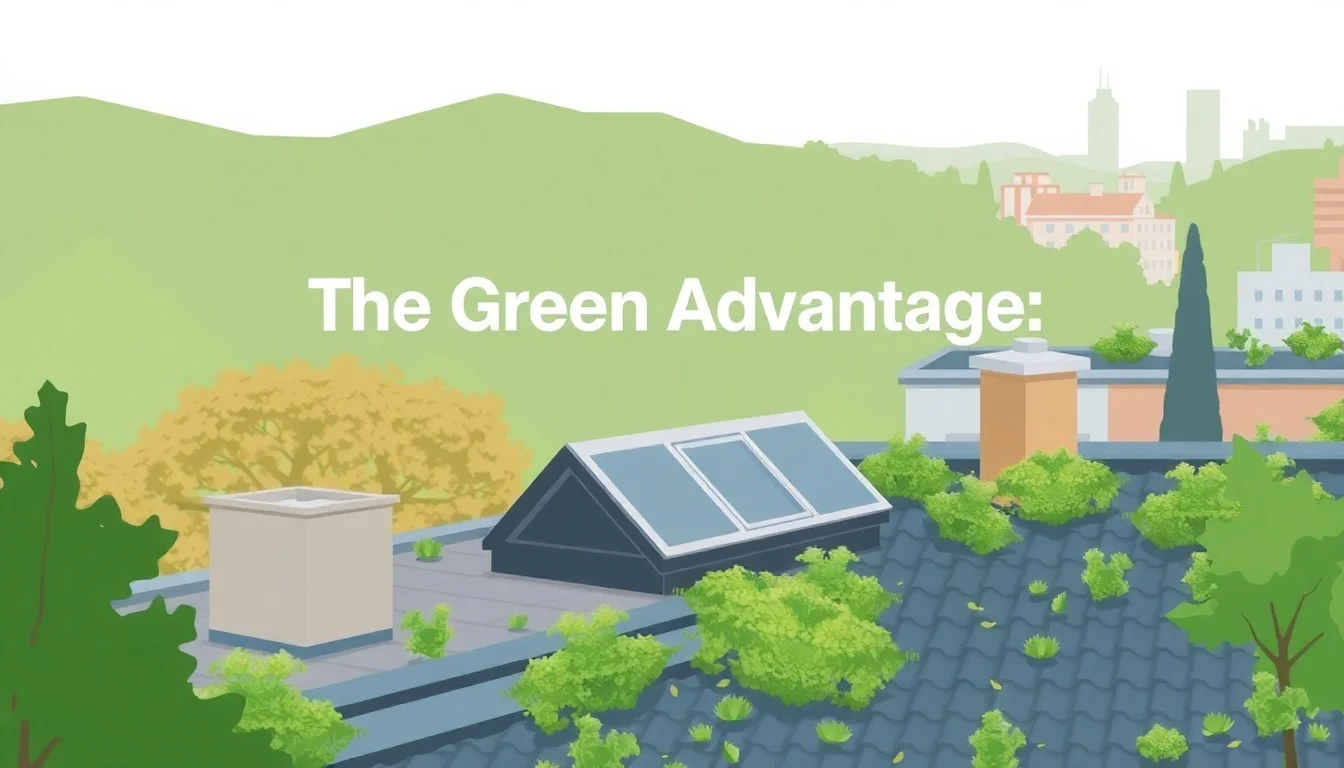
Eco roofs, also known as green roofs, have been gaining popularity in recent years due to their numerous economic benefits. According to a study by the National Research Council, green roofs can reduce energy consumption by up to 25% and increase property values by 15% (Source: National Research Council, 2011). Additionally, eco roofs can extend the lifespan of a roof by up to 50 years, reducing maintenance costs and minimizing waste (Source: Green Roofs for Healthy Cities, 2018). The economic benefits of eco roofs are not limited to individual buildings, as they can also contribute to urban heat island mitigation, stormwater management, and improved air quality. For instance, a study by the University of Michigan found that green roofs can reduce stormwater runoff by up to 70% (Source: University of Michigan, 2015). As cities continue to urbanize, the demand for eco-friendly roofing solutions is expected to grow, with the global green roof market projected to reach $13.4 billion by 2025 (Source: MarketsandMarkets, 2020). With their numerous economic benefits and growing demand, eco roofs are poised to become a staple of sustainable urban development. The implementation of eco roofs can also be influenced by government policies and incentives, such as tax credits and zoning regulations, which can vary by country and region. Furthermore, the economic benefits of eco roofs can be measured using various metrics, including return on investment (ROI), net present value (NPV), and cost-benefit analysis. By understanding the economic benefits of eco roofs, cities and building owners can make informed decisions about investing in sustainable roofing solutions.
🌿 Introduction to Eco Roofs
The concept of eco roofs, also known as green roofs, has been around for decades, but it's only recently that their economic benefits have gained significant attention. As cities continue to urbanize, the need for sustainable and environmentally friendly solutions has become more pressing. Eco roofs offer a unique opportunity to reduce the urban heat island effect, manage stormwater runoff, and provide habitats for local wildlife. For more information on the history of eco roofs, visit the Sustainability page. The benefits of eco roofs are numerous, and they can be explored in more detail on the Green Building page. Additionally, the Eco-Friendly movement has played a significant role in promoting the adoption of eco roofs.
📈 Economic Benefits of Eco Roofs
One of the most significant economic benefits of eco roofs is the reduction in energy consumption. By providing insulation and reducing the need for air conditioning, eco roofs can help building owners save money on their energy bills. According to a study by the National Renewable Energy Laboratory, eco roofs can reduce energy consumption by up to 25%. This can lead to significant cost savings, especially for large commercial buildings. For more information on energy efficiency, visit the Energy Efficiency page. The Sustainable Energy sector has also seen significant growth in recent years, with many companies investing in eco-friendly technologies.
🌸 Urban Heat Island Mitigation
Urban heat islands are a major concern in cities, where the concentration of pavement and buildings can cause temperatures to rise significantly. Eco roofs can help mitigate this effect by providing a layer of vegetation that absorbs and evaporates water, cooling the surrounding air. This can lead to a reduction in the urban heat island effect, making cities more livable and reducing the strain on energy systems. For more information on urban heat islands, visit the Urban Planning page. The Heat Island Effect is a significant concern, and eco roofs can play a crucial role in reducing its impact. Additionally, the Green Infrastructure movement has promoted the use of eco roofs as a solution to urban heat islands.
🏙️ Stormwater Management
Stormwater management is another critical benefit of eco roofs. By absorbing and filtering rainwater, eco roofs can reduce the amount of stormwater that enters sewer systems, decreasing the risk of flooding and water pollution. This can also help to reduce the burden on municipal stormwater management systems, saving cities money and reducing the environmental impact of urbanization. For more information on stormwater management, visit the Water Conservation page. The Stormwater Management sector has seen significant innovation in recent years, with many companies developing new technologies to reduce stormwater runoff. Additionally, the Eco-Friendly Landscaping movement has promoted the use of eco roofs as a solution to stormwater management.
📊 Energy Efficiency and Savings
Eco roofs can also provide significant energy efficiency benefits. By reducing the need for air conditioning and providing insulation, eco roofs can help building owners save money on their energy bills. According to a study by the U.S. Department of Energy, eco roofs can reduce energy consumption by up to 30%. This can lead to significant cost savings, especially for large commercial buildings. For more information on energy efficiency, visit the Renewable Energy page. The Energy Efficient Buildings sector has seen significant growth in recent years, with many companies investing in eco-friendly technologies. Additionally, the Sustainable Building movement has promoted the use of eco roofs as a solution to energy efficiency.
🌿 Biodiversity and Ecosystem Services
Eco roofs can also provide habitats for local wildlife, supporting biodiversity and ecosystem services. By creating a layer of vegetation on top of buildings, eco roofs can provide a habitat for birds, bees, and other pollinators, helping to support the local ecosystem. For more information on biodiversity, visit the Biodiversity Conservation page. The Ecosystem Services sector has seen significant innovation in recent years, with many companies developing new technologies to support biodiversity. Additionally, the Wildlife Conservation movement has promoted the use of eco roofs as a solution to supporting local wildlife.
👥 Community Engagement and Education
Community engagement and education are critical components of eco roof adoption. By educating building owners and residents about the benefits of eco roofs, cities can promote the adoption of this sustainable technology. For more information on community engagement, visit the Community Development page. The Sustainable Communities sector has seen significant growth in recent years, with many companies investing in eco-friendly initiatives. Additionally, the Environmental Education movement has promoted the use of eco roofs as a solution to promoting sustainability.
📈 Cost-Benefit Analysis of Eco Roofs
While eco roofs offer numerous benefits, they can also be expensive to install and maintain. A cost-benefit analysis of eco roofs can help building owners determine whether the benefits outweigh the costs. According to a study by the National Institute of Building Sciences, eco roofs can provide a return on investment of up to 10%. For more information on cost-benefit analysis, visit the Cost-Benefit Analysis page. The Sustainable Investing sector has seen significant growth in recent years, with many companies investing in eco-friendly technologies. Additionally, the Green Finance movement has promoted the use of eco roofs as a solution to sustainable investing.
🌐 Global Examples and Case Studies
There are many global examples of successful eco roof implementations. For example, the city of Chicago has implemented a green roof initiative, which has resulted in the creation of over 5 million square feet of green roof space. For more information on global examples, visit the Sustainable Cities page. The Green Infrastructure movement has promoted the use of eco roofs as a solution to urban sustainability. Additionally, the Eco-Friendly Cities movement has promoted the use of eco roofs as a solution to reducing the environmental impact of urbanization.
🔍 Challenges and Limitations of Eco Roofs
While eco roofs offer numerous benefits, there are also challenges and limitations to their adoption. One of the main challenges is the high upfront cost of installation, which can be a barrier for many building owners. For more information on challenges and limitations, visit the Sustainable Development page. The Green Building Challenges sector has seen significant innovation in recent years, with many companies developing new technologies to reduce the cost of eco roof installation. Additionally, the Eco-Friendly Solutions movement has promoted the use of eco roofs as a solution to sustainable development.
🌟 Future of Eco Roofs and Sustainable Cities
The future of eco roofs is bright, with many cities and companies investing in this sustainable technology. As the world continues to urbanize, the need for sustainable and environmentally friendly solutions will only continue to grow. For more information on the future of eco roofs, visit the Sustainable Future page. The Green Technology sector has seen significant innovation in recent years, with many companies developing new technologies to support eco roof adoption. Additionally, the Eco-Friendly Innovations movement has promoted the use of eco roofs as a solution to reducing the environmental impact of urbanization.
Key Facts
- Year
- 2022
- Origin
- Vibepedia
- Category
- Sustainability
- Type
- Concept
Frequently Asked Questions
What are the economic benefits of eco roofs?
The economic benefits of eco roofs include reduced energy consumption, reduced stormwater management costs, and increased property values. According to a study by the National Renewable Energy Laboratory, eco roofs can reduce energy consumption by up to 25%. For more information on energy efficiency, visit the Energy Efficiency page. The Sustainable Energy sector has seen significant growth in recent years, with many companies investing in eco-friendly technologies.
How do eco roofs mitigate the urban heat island effect?
Eco roofs can mitigate the urban heat island effect by providing a layer of vegetation that absorbs and evaporates water, cooling the surrounding air. This can lead to a reduction in the urban heat island effect, making cities more livable and reducing the strain on energy systems. For more information on urban heat islands, visit the Urban Planning page. The Heat Island Effect is a significant concern, and eco roofs can play a crucial role in reducing its impact.
What are the challenges and limitations of eco roof adoption?
The challenges and limitations of eco roof adoption include high upfront costs, maintenance requirements, and potential weight and structural issues. For more information on challenges and limitations, visit the Sustainable Development page. The Green Building Challenges sector has seen significant innovation in recent years, with many companies developing new technologies to reduce the cost of eco roof installation.
How can community engagement and education promote eco roof adoption?
Community engagement and education can promote eco roof adoption by educating building owners and residents about the benefits of eco roofs. For more information on community engagement, visit the Community Development page. The Sustainable Communities sector has seen significant growth in recent years, with many companies investing in eco-friendly initiatives.
What is the future of eco roofs and sustainable cities?
The future of eco roofs is bright, with many cities and companies investing in this sustainable technology. As the world continues to urbanize, the need for sustainable and environmentally friendly solutions will only continue to grow. For more information on the future of eco roofs, visit the Sustainable Future page. The Green Technology sector has seen significant innovation in recent years, with many companies developing new technologies to support eco roof adoption.
How can eco roofs support biodiversity and ecosystem services?
Eco roofs can support biodiversity and ecosystem services by providing habitats for local wildlife, supporting pollinators, and reducing stormwater runoff. For more information on biodiversity, visit the Biodiversity Conservation page. The Ecosystem Services sector has seen significant innovation in recent years, with many companies developing new technologies to support biodiversity.
What are the cost-benefit analysis of eco roofs?
The cost-benefit analysis of eco roofs can help building owners determine whether the benefits outweigh the costs. According to a study by the National Institute of Building Sciences, eco roofs can provide a return on investment of up to 10%. For more information on cost-benefit analysis, visit the Cost-Benefit Analysis page.