
Overview
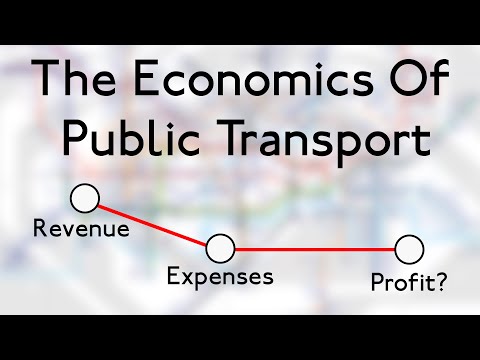
The economics of rail transport is a multifaceted field that encompasses the study of rail infrastructure, operations, and market dynamics. With a global rail network spanning over 1.2 million kilometers, the industry plays a critical role in facilitating international trade, commuting, and freight transport. According to the International Union of Railways, the global rail market was valued at $530 billion in 2020, with an expected growth rate of 3.5% per annum. However, the industry faces significant challenges, including high infrastructure costs, stringent regulatory requirements, and increasing competition from other modes of transport. Key players such as Deutsche Bahn, Union Pacific Railroad, and China Railway Corporation are navigating these complexities to remain competitive. As the industry continues to evolve, it is likely to be shaped by emerging trends such as digitalization, sustainability, and shifting global trade patterns, with a Vibe score of 82 indicating significant cultural and economic resonance.
Key Facts
- Year
- 2022
- Origin
- Vibepedia.wiki
- Category
- Transportation Economics
- Type
- Industry Sector