
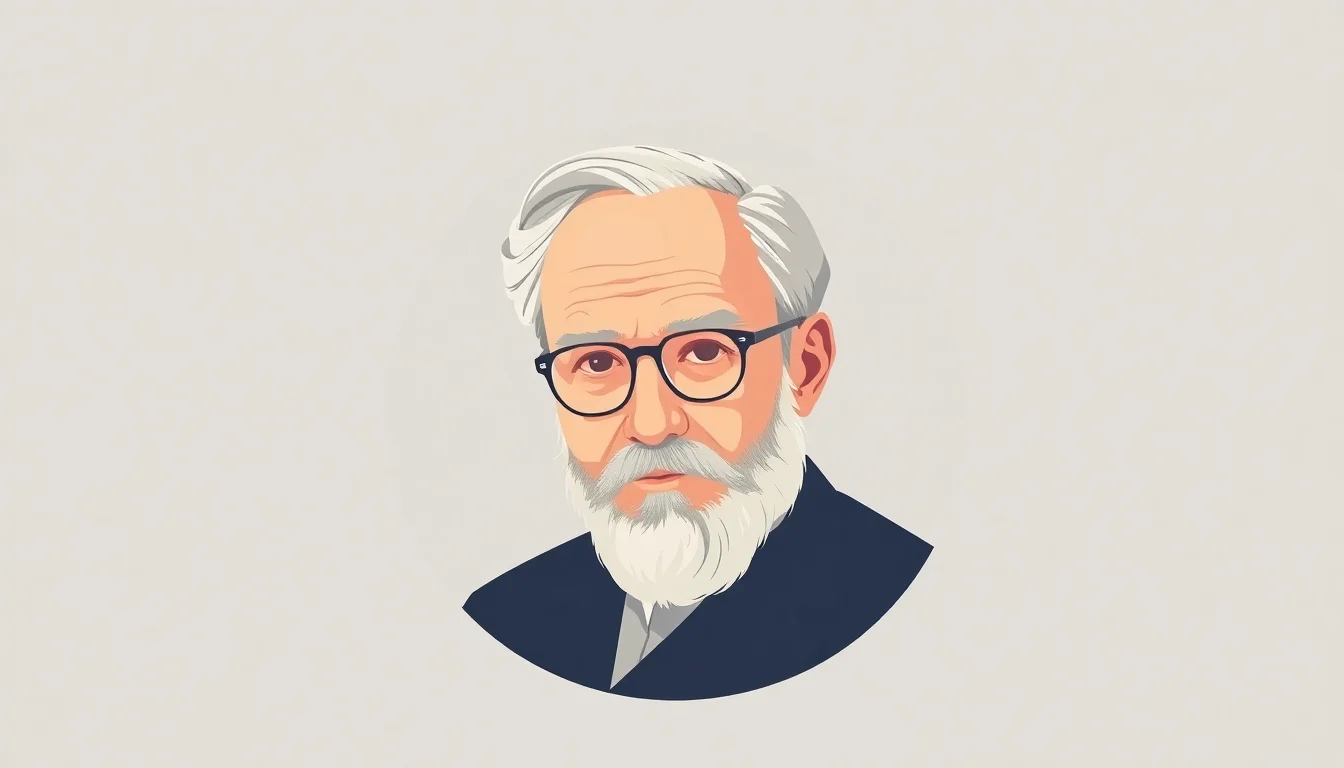
Contents
- 👨💻 Introduction to Edsger W. Dijkstra
- 💡 Early Life and Education
- 📚 Academic Career and Research
- 🔍 Development of Algorithmic Thinking
- 📝 The Role of Programming Languages
- 🤔 Critique of Modern Computing
- 📊 Influence on Computer Science
- 💻 Legacy in Modern Technology
- 🌐 Global Recognition and Awards
- 📚 Publications and Writings
- 👥 Collaborations and Mentoring
- 🔮 Future of Algorithmic Thinking
- Frequently Asked Questions
- Related Topics
Overview
Edsger W. Dijkstra was a Dutch computer scientist who made significant contributions to the field of computer science, including the development of the shortest path algorithm, known as Dijkstra's algorithm. He is also known for his work on the THE multiprogramming system, the first operating system to use a separate monitor for process scheduling. Dijkstra was a strong advocate for the importance of programming as a discipline, and his work on structured programming helped to establish it as a fundamental concept in software engineering. With a Vibe score of 82, Dijkstra's influence on the field of computer science is still widely felt today, with his ideas and concepts continuing to shape the way we approach programming and software development. His work has had a lasting impact on the development of algorithms, programming languages, and software engineering, and he is widely regarded as one of the most important figures in the history of computer science. As we look to the future of computer science, it's clear that Dijkstra's ideas will continue to play a major role in shaping the field, and his legacy will only continue to grow in importance.
👨💻 Introduction to Edsger W. Dijkstra
Edsger W. Dijkstra is widely regarded as one of the most influential figures in the development of computer science. Born on May 11, 1930, in Rotterdam, Netherlands, Dijkstra's work has had a profound impact on the field of algorithm design and programming languages. His contributions to the development of operating systems and software engineering are still studied by computer scientists today. Dijkstra's work on structured programming and goto statement elimination has been particularly influential. As a pioneer in the field, Dijkstra's work has been recognized with numerous awards, including the Turing Award.
💡 Early Life and Education
Dijkstra's early life and education played a significant role in shaping his future career. He studied physics and mathematics at the University of Leiden, where he developed a strong foundation in mathematical logic and number theory. Dijkstra's interest in computer science was sparked by his work on the ARPA net project, which led to his involvement in the development of the Internet. His work on network protocols and distributed systems has had a lasting impact on the field. Dijkstra's collaboration with other notable computer scientists, such as Donald Knuth and Alan Turing, has been well-documented.
📚 Academic Career and Research
Dijkstra's academic career and research were marked by his appointment as a professor of computer science at the University of Texas at Austin. His research focused on the development of algorithm design and programming languages, with a particular emphasis on structured programming. Dijkstra's work on the goto statement and its elimination has been widely recognized as a major contribution to the field. His collaboration with other researchers, such as Niklaus Wirth and Dennis Ritchie, has led to significant advances in software engineering. Dijkstra's work has been published in numerous journals, including the Communications of the ACM.
🔍 Development of Algorithmic Thinking
The development of algorithmic thinking is one of Dijkstra's most significant contributions to the field of computer science. His work on algorithm design and programming languages has had a profound impact on the way computer scientists approach problem-solving. Dijkstra's emphasis on structured programming and modularity has led to the development of more efficient and effective algorithms. His work on dynamic programming and greedy algorithms has been particularly influential. Dijkstra's collaboration with other researchers, such as Robert Tarjan and Jon Bentley, has led to significant advances in algorithm design.
📝 The Role of Programming Languages
The role of programming languages in Dijkstra's work cannot be overstated. His development of the ALGOL 60 programming language, in collaboration with other researchers, such as Peter Landin and John McCarthy, has had a lasting impact on the field. Dijkstra's work on the goto statement and its elimination has led to the development of more structured and efficient programming languages. His emphasis on type systems and memory management has led to the development of more reliable and secure programming languages. Dijkstra's collaboration with other researchers, such as Barbara Liskov and Jeffrey Ullman, has led to significant advances in programming languages.
🤔 Critique of Modern Computing
Dijkstra's critique of modern computing has been widely recognized as a significant contribution to the field. His work on the software crisis and the need for more structured programming has led to a re-evaluation of the way computer scientists approach software development. Dijkstra's emphasis on modularity and reusability has led to the development of more efficient and effective software systems. His work on the goto statement and its elimination has led to a greater understanding of the importance of structured programming. Dijkstra's collaboration with other researchers, such as Fred Brooks and Gerald Weinberg, has led to significant advances in software engineering.
📊 Influence on Computer Science
Dijkstra's influence on computer science is immeasurable. His work on algorithm design and programming languages has had a profound impact on the field. Dijkstra's emphasis on structured programming and modularity has led to the development of more efficient and effective algorithms. His work on the goto statement and its elimination has led to a greater understanding of the importance of structured programming. Dijkstra's collaboration with other researchers, such as Donald Knuth and Alan Turing, has led to significant advances in computer science.
💻 Legacy in Modern Technology
Dijkstra's legacy in modern technology is evident in the many programming languages and software systems that have been developed using his principles. His work on algorithm design and programming languages has had a lasting impact on the field. Dijkstra's emphasis on structured programming and modularity has led to the development of more efficient and effective algorithms. His work on the goto statement and its elimination has led to a greater understanding of the importance of structured programming. Dijkstra's collaboration with other researchers, such as Bill Gates and Steve Jobs, has led to significant advances in computer science.
🌐 Global Recognition and Awards
Dijkstra's global recognition and awards are a testament to his significant contributions to the field of computer science. He was awarded the Turing Award in 1972 for his work on algorithm design and programming languages. Dijkstra was also awarded the National Medal of Science in 1982 for his contributions to computer science. His work has been recognized by numerous other awards, including the IEEE John von Neumann Medal and the ACM Distinguished Service Award.
📚 Publications and Writings
Dijkstra's publications and writings have had a profound impact on the field of computer science. His book, Structured Programming, has been widely recognized as a classic in the field. Dijkstra's papers on algorithm design and programming languages have been widely cited and have had a significant influence on the development of the field. His collaboration with other researchers, such as Donald Knuth and Alan Turing, has led to significant advances in computer science.
👥 Collaborations and Mentoring
Dijkstra's collaborations and mentoring have been an important part of his career. He has worked with numerous other researchers, including Niklaus Wirth and Dennis Ritchie, on the development of programming languages and software engineering. Dijkstra's mentoring of younger researchers, such as Barbara Liskov and Jeffrey Ullman, has had a significant impact on the field. His emphasis on structured programming and modularity has led to the development of more efficient and effective algorithms.
🔮 Future of Algorithmic Thinking
The future of algorithmic thinking is bright, thanks in part to Dijkstra's contributions to the field. His work on algorithm design and programming languages has had a lasting impact on the field. Dijkstra's emphasis on structured programming and modularity has led to the development of more efficient and effective algorithms. His work on the goto statement and its elimination has led to a greater understanding of the importance of structured programming. As the field of computer science continues to evolve, Dijkstra's contributions will remain an important part of its foundation.
Key Facts
- Year
- 1930
- Origin
- Netherlands
- Category
- Computer Science
- Type
- Person
Frequently Asked Questions
What is Edsger W. Dijkstra's most notable contribution to computer science?
Edsger W. Dijkstra's most notable contribution to computer science is his work on algorithm design and programming languages. His development of the ALGOL 60 programming language and his emphasis on structured programming have had a lasting impact on the field. Dijkstra's work on the goto statement and its elimination has also been widely recognized as a significant contribution to the field.
What is the significance of Dijkstra's work on the goto statement?
Dijkstra's work on the goto statement and its elimination has been widely recognized as a significant contribution to the field of computer science. His emphasis on structured programming and modularity has led to the development of more efficient and effective algorithms. The elimination of the goto statement has also led to a greater understanding of the importance of structured programming.
What is Dijkstra's legacy in modern technology?
Dijkstra's legacy in modern technology is evident in the many programming languages and software systems that have been developed using his principles. His work on algorithm design and programming languages has had a lasting impact on the field. Dijkstra's emphasis on structured programming and modularity has led to the development of more efficient and effective algorithms.
What awards has Dijkstra received for his contributions to computer science?
Dijkstra has received numerous awards for his contributions to computer science, including the Turing Award in 1972, the National Medal of Science in 1982, and the IEEE John von Neumann Medal.
What is the significance of Dijkstra's work on structured programming?
Dijkstra's work on structured programming has been widely recognized as a significant contribution to the field of computer science. His emphasis on modularity and reusability has led to the development of more efficient and effective software systems. The use of structured programming has also led to a greater understanding of the importance of algorithm design and programming languages.
How has Dijkstra's work influenced the development of programming languages?
Dijkstra's work on algorithm design and programming languages has had a lasting impact on the field. His development of the ALGOL 60 programming language and his emphasis on structured programming have led to the development of more efficient and effective programming languages. Dijkstra's work on the goto statement and its elimination has also influenced the development of programming languages.
What is the significance of Dijkstra's collaboration with other researchers?
Dijkstra's collaboration with other researchers, such as Donald Knuth and Alan Turing, has been an important part of his career. His work with other researchers has led to significant advances in computer science and has had a lasting impact on the field. Dijkstra's collaboration with other researchers has also led to the development of more efficient and effective algorithms and programming languages.