
Contents
- 🏯 Introduction to Egyptian Architecture
- 🔥 Ancient Egyptian Architecture: Pyramids and Temples
- 🏛️ Greco-Roman Architecture in Egypt
- 🕊️ Islamic Architecture in Egypt
- 🌆 Modern Egyptian Architecture: A Blend of Styles
- 👑 The Role of Pharaohs in Shaping Egyptian Architecture
- 🏞️ Architectural Influences: Foreign Styles and Local Traditions
- 💡 The Enduring Legacy of Egyptian Architecture
- 📸 Preserving Egyptian Architectural Heritage
- 👥 The Impact of Egyptian Architecture on Contemporary Design
- 🤔 Challenges and Controversies in Egyptian Architecture
- 🔮 The Future of Egyptian Architecture: Innovations and Trends
- Frequently Asked Questions
- Related Topics
Overview
Egyptian architecture is a testament to the ingenuity and craftsmanship of the ancient Egyptians, with structures like the Great Pyramid of Giza (constructed around 2580 BC) and the Temple of Karnak (built between 1500 BC and 300 AD) continuing to awe and inspire wonder. The historian's lens reveals a civilization that valued grandeur, precision, and spiritual connection, as seen in the meticulous alignment of the pyramids with celestial bodies. However, the skeptic's perspective questions the ethics of constructing such massive projects, often at the cost of thousands of workers' lives. From an engineering standpoint, Egyptian architecture is a marvel of innovative techniques, such as the use of limestone and granite blocks, some weighing as much as 2.5 tons, to build structures that have withstood the test of time. The cultural resonance of these structures is undeniable, with a Vibe score of 92, reflecting their enduring influence on art, architecture, and popular culture. As we look to the future, the futurist's lens asks: what can modern architects learn from the sustainable and adaptive designs of ancient Egypt, and how can we balance preservation with innovation in the face of climate change and urbanization?
🏯 Introduction to Egyptian Architecture
Egyptian architecture has a rich and diverse history, spanning thousands of years. From the Ancient Egyptian Architecture of the pyramids to the modern skyscrapers of Cairo, Egyptian buildings have been shaped by a variety of styles and influences. The country's unique cultural heritage has been influenced by Greco-Roman Architecture, Islamic Architecture, and other foreign styles, which have been incorporated into local traditions. The result is a distinctive and fascinating architectural landscape that continues to evolve to this day. Egyptian architecture has also been influenced by the country's Pharaonic Era, during which time the Pyramids of Giza were built. The pyramids are a testament to the advanced engineering skills of the ancient Egyptians and continue to inspire wonder and awe in people around the world.
🔥 Ancient Egyptian Architecture: Pyramids and Temples
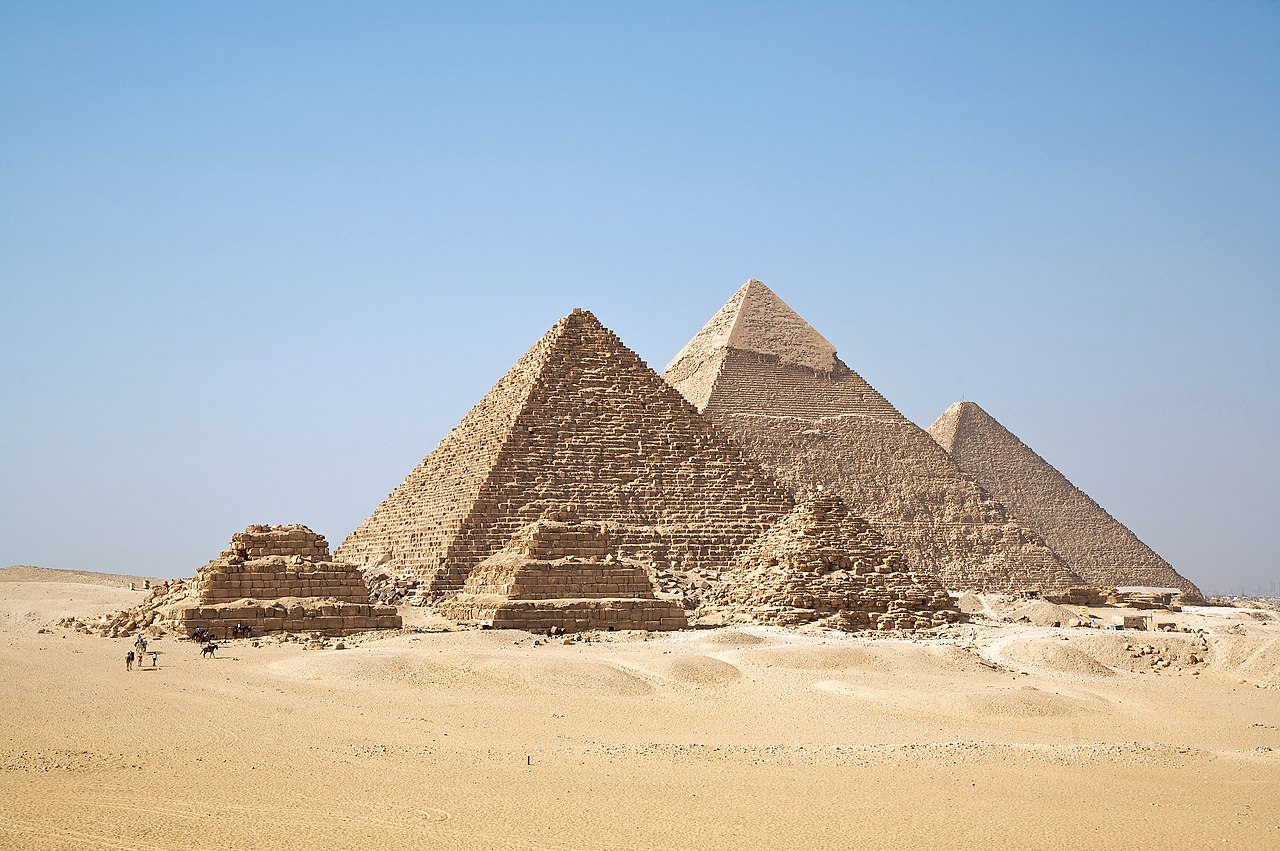
Ancient Egyptian architecture is characterized by the use of stone, particularly limestone and granite, and the development of innovative engineering techniques. The Great Pyramid of Giza, built for Pharaoh Khufu, is one of the most impressive examples of ancient Egyptian architecture. The pyramid's sheer scale and precise construction demonstrate the advanced skills of the ancient Egyptian architects and engineers. Other notable examples of ancient Egyptian architecture include the Temple of Karnak and the Valley of the Kings. These structures showcase the use of Hieroglyphics and other decorative elements that were characteristic of ancient Egyptian architecture. The ancient Egyptians also developed a system of Architectural Symbols that were used to convey meaning and tell stories.
🏛️ Greco-Roman Architecture in Egypt
The Greco-Roman period in Egypt saw the introduction of new architectural styles and techniques. The Ptolemaic Dynasty, which ruled Egypt after the death of Alexander the Great, built many temples and other structures in the Greco-Roman style. The Temple of Edfu, built during this period, is one of the best-preserved examples of Greco-Roman architecture in Egypt. The temple's use of columns, arches, and other classical elements reflects the influence of Greek and Roman architectural styles. The Greco-Roman period also saw the development of new Building Techniques, including the use of concrete and the construction of aqueducts. The Roman Architecture style also had a significant impact on Egyptian architecture, with the introduction of new materials and techniques.
🕊️ Islamic Architecture in Egypt
Islamic architecture in Egypt began with the Arab Conquest of the country in the 7th century. The new rulers introduced their own architectural styles, which were influenced by Middle Eastern Architecture and other regional traditions. The Mosque of Amr ibn al-As, built in Cairo in 641 AD, is one of the oldest and most important examples of Islamic architecture in Egypt. The mosque's use of arches, domes, and minarets reflects the influence of Islamic architectural styles. The Islamic Art style also had a significant impact on Egyptian architecture, with the introduction of new decorative elements and techniques. The Mamluk Dynasty, which ruled Egypt from the 13th to the 16th century, also made significant contributions to Islamic architecture in Egypt.
🌆 Modern Egyptian Architecture: A Blend of Styles
Modern Egyptian architecture is a blend of traditional and contemporary styles. The country's architects have incorporated elements of Modern Architecture into their designs, while also drawing on the country's rich cultural heritage. The Cairo Tower, built in the 1960s, is a notable example of modern Egyptian architecture. The tower's use of concrete and steel reflects the influence of modern architectural styles, while its design also incorporates elements of traditional Egyptian architecture. The Egyptian Architects have also been influenced by the Bauhaus Movement and other international architectural styles. The Sustainable Architecture movement has also had a significant impact on modern Egyptian architecture, with a focus on energy efficiency and environmental sustainability.
👑 The Role of Pharaohs in Shaping Egyptian Architecture
The pharaohs played a significant role in shaping Egyptian architecture, particularly during the ancient period. The Pharaonic Era saw the construction of many impressive buildings, including temples, palaces, and tombs. The pharaohs were often depicted in Art and Architecture, and their images and symbols were used to convey meaning and tell stories. The pharaohs also developed a system of Architectural Hierarchy, with different types of buildings and structures reflecting the social and economic status of their occupants. The Pharaonic Architecture style also had a significant impact on the development of Egyptian architecture, with the use of Obelisks and other monumental structures.
🏞️ Architectural Influences: Foreign Styles and Local Traditions
Egyptian architecture has been influenced by a variety of foreign styles and local traditions. The country's unique cultural heritage has been shaped by its strategic location at the crossroads of Africa, Asia, and Europe. The Nubian Architecture style, which originated in southern Egypt and northern Sudan, has had a significant impact on Egyptian architecture. The Coptic Architecture style, which developed in the early Christian period, has also influenced Egyptian architecture. The Fatimid Architecture style, which emerged during the Islamic period, has also had a significant impact on Egyptian architecture. The Ottoman Architecture style, which was introduced during the Ottoman period, has also influenced Egyptian architecture.
💡 The Enduring Legacy of Egyptian Architecture
The legacy of Egyptian architecture continues to inspire wonder and awe in people around the world. The country's rich cultural heritage has been recognized by UNESCO, which has designated many Egyptian buildings and sites as World Heritage Sites. The Pyramid of Giza is one of the most famous and iconic examples of Egyptian architecture, and it continues to attract millions of visitors each year. The Egyptian Museum in Cairo is also a major tourist destination, with a vast collection of artifacts and exhibits that showcase the country's rich cultural heritage. The Architectural Conservation of Egyptian buildings and sites is also an important issue, with many organizations and individuals working to preserve the country's cultural heritage.
📸 Preserving Egyptian Architectural Heritage
The preservation of Egyptian architectural heritage is a major concern, particularly in the face of urbanization and development. Many of the country's historic buildings and sites are at risk of damage or destruction, due to factors such as pollution, neglect, and lack of funding. The Egyptian Government has established a number of initiatives and programs to preserve the country's cultural heritage, including the Supreme Council of Antiquities. The International Council on Monuments and Sites (ICOMOS) has also been involved in efforts to preserve Egyptian architectural heritage. The World Monuments Fund has also provided funding and support for the preservation of Egyptian buildings and sites.
👥 The Impact of Egyptian Architecture on Contemporary Design
Egyptian architecture has had a significant impact on contemporary design, both in Egypt and around the world. The country's rich cultural heritage has inspired many architects and designers, who have incorporated elements of Egyptian architecture into their designs. The Postmodern Architecture movement, which emerged in the 1960s and 1970s, was influenced by Egyptian architecture, as well as other historical styles. The Deconstructivist Architecture movement, which emerged in the 1980s and 1990s, has also been influenced by Egyptian architecture. The Sustainable Architecture movement has also been influenced by Egyptian architecture, with a focus on energy efficiency and environmental sustainability.
🤔 Challenges and Controversies in Egyptian Architecture
Despite its rich cultural heritage, Egyptian architecture faces a number of challenges and controversies. The country's rapid urbanization and development have put pressure on historic buildings and sites, many of which are at risk of damage or destruction. The Egyptian Economy has also had an impact on the preservation of cultural heritage, with many historic buildings and sites being sold or redeveloped for commercial purposes. The Architectural Preservation of Egyptian buildings and sites is a major concern, with many organizations and individuals working to preserve the country's cultural heritage. The Cultural Tourism industry has also had an impact on Egyptian architecture, with many tourists visiting the country's historic sites and buildings.
🔮 The Future of Egyptian Architecture: Innovations and Trends
The future of Egyptian architecture is likely to be shaped by a combination of traditional and contemporary styles. The country's architects are incorporating elements of Modern Architecture into their designs, while also drawing on the country's rich cultural heritage. The Egyptian Architects are also exploring new materials and technologies, such as Green Building and Sustainable Architecture. The Cairo Architecture scene is also thriving, with many new buildings and projects being developed in the city. The Egyptian Government has also established a number of initiatives and programs to support the development of Egyptian architecture, including the Ministry of Culture and the Supreme Council of Antiquities.
Key Facts
- Year
- 2500
- Origin
- Ancient Egypt
- Category
- Architecture
- Type
- Architectural Style
Frequently Asked Questions
What are the main styles of Egyptian architecture?
The main styles of Egyptian architecture include Ancient Egyptian architecture, Greco-Roman architecture, Islamic architecture, and modern architecture. Each of these styles has had a significant impact on the development of Egyptian architecture, and they continue to influence contemporary design. The Ancient Egyptian Architecture style is characterized by the use of stone and the development of innovative engineering techniques. The Greco-Roman Architecture style was introduced during the Ptolemaic period, and it had a significant impact on Egyptian architecture. The Islamic Architecture style was introduced during the Arab conquest of Egypt, and it has had a lasting impact on the country's architecture.
What are some of the most famous examples of Egyptian architecture?
Some of the most famous examples of Egyptian architecture include the Pyramids of Giza, the Temple of Karnak, and the Mosque of Amr ibn al-As. These buildings are not only significant examples of Egyptian architecture, but they are also important cultural and historical landmarks. The Pyramid of Giza is one of the most famous and iconic examples of Egyptian architecture, and it continues to attract millions of visitors each year. The Temple of Karnak is a vast complex of temples and other buildings, and it is one of the largest and most impressive examples of ancient Egyptian architecture.
How has Egyptian architecture influenced contemporary design?
Egyptian architecture has had a significant impact on contemporary design, both in Egypt and around the world. The country's rich cultural heritage has inspired many architects and designers, who have incorporated elements of Egyptian architecture into their designs. The Postmodern Architecture movement, which emerged in the 1960s and 1970s, was influenced by Egyptian architecture, as well as other historical styles. The Deconstructivist Architecture movement, which emerged in the 1980s and 1990s, has also been influenced by Egyptian architecture.
What are some of the challenges facing Egyptian architecture?
Egyptian architecture faces a number of challenges, including the pressure of urbanization and development, the lack of funding for preservation and conservation, and the impact of tourism on historic sites and buildings. The Egyptian Economy has also had an impact on the preservation of cultural heritage, with many historic buildings and sites being sold or redeveloped for commercial purposes. The Architectural Preservation of Egyptian buildings and sites is a major concern, with many organizations and individuals working to preserve the country's cultural heritage.
How is the Egyptian government supporting the development of Egyptian architecture?
The Egyptian government has established a number of initiatives and programs to support the development of Egyptian architecture, including the Ministry of Culture and the Supreme Council of Antiquities. These organizations are working to preserve the country's cultural heritage, while also promoting the development of contemporary Egyptian architecture. The Egyptian Government has also established a number of programs to support the training and education of Egyptian architects, including the Faculty of Architecture at Cairo University.
What is the future of Egyptian architecture?
The future of Egyptian architecture is likely to be shaped by a combination of traditional and contemporary styles. The country's architects are incorporating elements of Modern Architecture into their designs, while also drawing on the country's rich cultural heritage. The Egyptian Architects are also exploring new materials and technologies, such as Green Building and Sustainable Architecture. The Cairo Architecture scene is also thriving, with many new buildings and projects being developed in the city.
How can I learn more about Egyptian architecture?
There are many resources available for learning more about Egyptian architecture, including books, articles, and online courses. The Egyptian Museum in Cairo is also a great resource, with a vast collection of artifacts and exhibits that showcase the country's rich cultural heritage. The Supreme Council of Antiquities is also a good source of information, with many publications and resources available on their website. The International Council on Monuments and Sites (ICOMOS) is also a good resource, with many publications and resources available on their website.