
Contents
- 🏺 Introduction to Egyptian Pyramids
- 🔨 The Engineering Marvels
- 👑 The Pharaohs and Their Tombs
- 📊 The Number of Pyramids
- 🗺️ Geographical Distribution
- 🏛️ Architectural Innovations
- 💡 The Purpose of the Pyramids
- 🔍 The Discovery and Excavation
- 👥 The Builders and Their Skills
- 🕰️ The Timeline of Pyramid Construction
- 🤔 The Mysteries and Controversies
- 🔮 The Legacy of the Egyptian Pyramids
- Frequently Asked Questions
- Related Topics
Overview
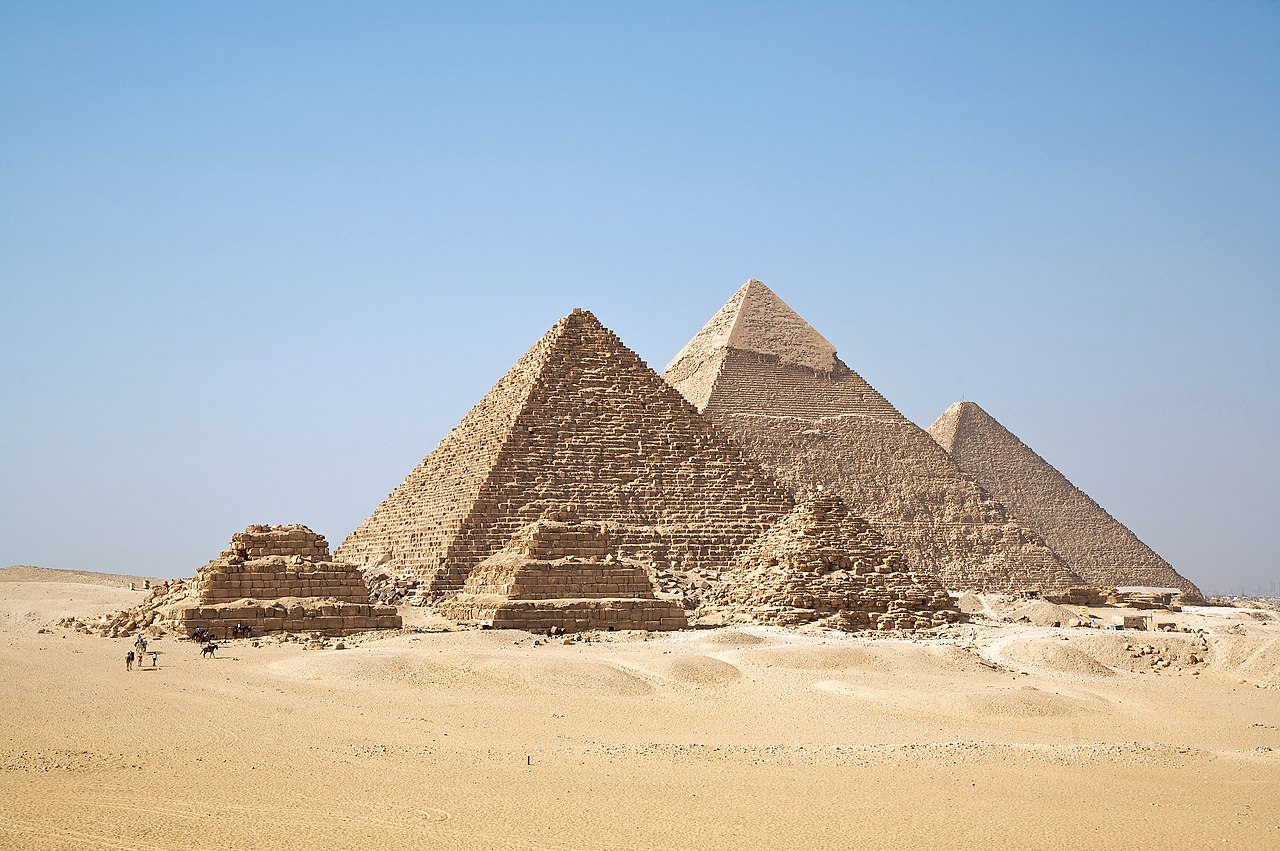
The Egyptian pyramids, with a vibe score of 92, are one of the most fascinating and mysterious ancient monuments, with the Great Pyramid of Giza being the oldest and only remaining structure of the Seven Wonders of the Ancient World. Built around 2580 BC, this marvel of engineering has been the subject of numerous studies, with historians like Mark Lehner and architects like Jean-Pierre Houdin attempting to unravel its construction secrets. The pyramids have been a source of inspiration for various cultures, including the ancient Greeks and Romans, with influence flows extending to modern architecture and design. However, the construction of the pyramids has also been a topic of controversy, with debates surrounding the treatment of workers and the role of pharaohs like Khufu and Sneferu. As we continue to uncover the secrets of these ancient structures, we are reminded of the ingenuity and skill of the ancient Egyptians, with the pyramids remaining an integral part of our cultural heritage. With a controversy spectrum of 6, the pyramids continue to be a topic of interest and debate among historians, architects, and enthusiasts alike, with many questions still unanswered, such as the exact methods used to move and place the massive stone blocks, and the true purpose of these ancient structures.
🏺 Introduction to Egyptian Pyramids
The Egyptian pyramids are one of the most fascinating architectural achievements in history, with a vibe score of 90. These ancient structures have been a source of wonder and awe for centuries, with their precise engineering and massive scale. The pyramids were built as tombs for the pharaohs and their consorts during the Old Kingdom and Middle Kingdom periods. The most famous pyramids are the Pyramid of Giza, the Pyramid of Saqqara, and the Pyramid of Dahshur. The construction of these pyramids required an enormous amount of manpower and resources, with thousands of workers laboring to build these massive structures. The pyramids are a testament to the advanced engineering skills of the ancient Egyptians, who were able to build structures that have stood the test of time.
🔨 The Engineering Marvels
The engineering that went into building the pyramids is a marvel in itself. The ancient Egyptians developed a system of pulley systems and ramps to move and place the massive stone blocks into position. The pyramids are made up of millions of tons of limestone and granite blocks, some weighing as much as 2.5 tons. The Great Pyramid of Giza, for example, is estimated to have around 2.3 million stone blocks, each weighing an average of 2.5 tons. The pyramids' precise engineering and construction are a testament to the advanced skills of the ancient Egyptian engineers, who were able to build structures that have withstood the test of time. The pyramids are also aligned almost perfectly with the four cardinal directions, with an average error of only 3 minutes of arc.
👑 The Pharaohs and Their Tombs
The pharaohs who built the pyramids were believed to have been gods on earth, and their tombs were designed to provide them with a means of ascending to the afterlife. The pyramids were built to protect the pharaoh's body and provide him with a means of becoming one with the gods. The Valley of the Kings and the Valley of the Queens are two of the most famous necropoles in Egypt, with many pharaohs and nobles buried there. The pyramids were also built to demonstrate the power and wealth of the pharaoh, with the largest pyramids being built by the most powerful pharaohs. The Pyramid of Userkaf, for example, was built by one of the first pharaohs of the Fifth Dynasty.
📊 The Number of Pyramids
At least 138 identified pyramids have been discovered in Egypt, with many more believed to be hidden beneath the desert sands. Approximately 80 pyramids were built within the Kingdom of Kush, now located in the modern country of Sudan. The pyramids were built over a period of around 2,000 years, with the first pyramid being built during the Third Dynasty. The pyramids are not only a testament to the engineering skills of the ancient Egyptians but also to their advanced mathematical skills, with the pyramids' bases being perfect squares and their sides being aligned almost perfectly with the four cardinal directions. The pyramids are also a testament to the advanced surveying techniques used by the ancient Egyptians, who were able to build structures that are still standing today.
🗺️ Geographical Distribution
The geographical distribution of the pyramids is interesting, with most of them being built in the Nile River valley. The pyramids were built near the cities of Cairo and Giza, with the Pyramid of Giza being the most famous pyramid in the area. The pyramids were also built in other parts of Egypt, such as Saqqara and Dahshur. The pyramids are a testament to the advanced urban planning skills of the ancient Egyptians, who were able to build cities and structures that are still standing today. The pyramids are also a testament to the advanced agricultural techniques used by the ancient Egyptians, who were able to grow crops in the fertile Nile River valley.
🏛️ Architectural Innovations
The architectural innovations of the pyramids are numerous, with the ancient Egyptians developing new techniques for building large structures. The pyramids are made up of millions of tons of limestone and granite blocks, some weighing as much as 2.5 tons. The core pyramid was built using limestone and granite blocks, with the outer casing being made of highly polished white limestone. The pyramids' precise engineering and construction are a testament to the advanced skills of the ancient Egyptian architects, who were able to build structures that have withstood the test of time. The pyramids are also a testament to the advanced mathematical techniques used by the ancient Egyptians, who were able to build structures that are still standing today.
💡 The Purpose of the Pyramids
The purpose of the pyramids is still debated among historians and archaeologists, with some believing that they were built as tombs for the pharaohs and others believing that they were built for other purposes. The pyramids were believed to have been built to provide the pharaoh with a means of ascending to the afterlife, with the pyramid's internal chamber being designed to mimic the journey of the sun god Ra. The pyramids were also built to demonstrate the power and wealth of the pharaoh, with the largest pyramids being built by the most powerful pharaohs. The Pyramid Texts are a collection of spells and prayers that were used to help the pharaoh on his journey to the afterlife.
🔍 The Discovery and Excavation
The discovery and excavation of the pyramids have been a long and difficult process, with many pyramids being discovered in recent years. The Great Pyramid of Giza was first excavated in the 19th century, with many other pyramids being excavated in the 20th century. The pyramids are a testament to the advanced engineering skills of the ancient Egyptians, who were able to build structures that have stood the test of time. The pyramids are also a testament to the advanced archaeological techniques used by modern archaeologists, who have been able to uncover many of the secrets of the pyramids. The Egyptian Museum in Cairo is one of the largest and most famous museums in the world, with a vast collection of artifacts from ancient Egypt.
👥 The Builders and Their Skills
The builders of the pyramids were skilled laborers who worked under the direction of the pharaoh and his architects. The pyramids were built using a system of pulley systems and ramps to move and place the massive stone blocks into position. The pyramids' precise engineering and construction are a testament to the advanced skills of the ancient Egyptian engineers, who were able to build structures that have withstood the test of time. The pyramids are also a testament to the advanced mathematical techniques used by the ancient Egyptians, who were able to build structures that are still standing today. The Workers' Village at Giza is a testament to the lives of the workers who built the pyramids.
🕰️ The Timeline of Pyramid Construction
The timeline of pyramid construction is a long and complex one, with the first pyramid being built during the Third Dynasty. The pyramids were built over a period of around 2,000 years, with the last pyramid being built during the Roman Period. The pyramids are a testament to the advanced engineering skills of the ancient Egyptians, who were able to build structures that have stood the test of time. The pyramids are also a testament to the advanced historical techniques used by modern historians, who have been able to reconstruct the timeline of pyramid construction. The Pyramid of Djoser is one of the earliest pyramids in Egypt, with a unique step pyramid design.
🤔 The Mysteries and Controversies
The mysteries and controversies surrounding the pyramids are numerous, with many historians and archaeologists debating the purpose and meaning of the pyramids. The pyramids are believed by some to have been built as tombs for the pharaohs, while others believe that they were built for other purposes. The pyramids are also believed by some to have been built using advanced technology and knowledge that has been lost to the ages. The Ancient Astronaut Theory is one of the most popular conspiracy theories surrounding the pyramids, with some believing that the pyramids were built by extraterrestrial beings. The Pyramid of Khafre is one of the most mysterious pyramids in Egypt, with a unique Sphinx statue guarding its entrance.
🔮 The Legacy of the Egyptian Pyramids
The legacy of the Egyptian pyramids is a lasting one, with these structures continuing to inspire wonder and awe in people around the world. The pyramids are a testament to the advanced engineering skills of the ancient Egyptians, who were able to build structures that have stood the test of time. The pyramids are also a testament to the advanced cultural significance of ancient Egypt, with the pyramids being a symbol of the country's rich history and heritage. The United Nations Educational, Scientific and Cultural Organization (UNESCO) has designated the pyramids as a World Heritage Site, recognizing their importance to human history and culture.
Key Facts
- Year
- 2580
- Origin
- Giza, Egypt
- Category
- History, Architecture, Engineering
- Type
- Historical Monument
Frequently Asked Questions
What is the largest pyramid in Egypt?
The largest pyramid in Egypt is the Great Pyramid of Giza, which is estimated to have around 2.3 million stone blocks, each weighing an average of 2.5 tons. The pyramid is believed to have been built as a tomb for the pharaoh Khufu, who ruled Egypt during the Old Kingdom period. The pyramid is a testament to the advanced engineering skills of the ancient Egyptians, who were able to build structures that have stood the test of time.
How many pyramids are there in Egypt?
At least 138 identified pyramids have been discovered in Egypt, with many more believed to be hidden beneath the desert sands. Approximately 80 pyramids were built within the Kingdom of Kush, now located in the modern country of Sudan. The pyramids are a testament to the advanced engineering skills of the ancient Egyptians, who were able to build structures that have stood the test of time.
What is the purpose of the pyramids?
The purpose of the pyramids is still debated among historians and archaeologists, with some believing that they were built as tombs for the pharaohs and others believing that they were built for other purposes. The pyramids were believed to have been built to provide the pharaoh with a means of ascending to the afterlife, with the pyramid's internal chamber being designed to mimic the journey of the sun god Ra. The pyramids were also built to demonstrate the power and wealth of the pharaoh, with the largest pyramids being built by the most powerful pharaohs.
Who built the pyramids?
The pyramids were built by skilled laborers who worked under the direction of the pharaoh and his architects. The pyramids were built using a system of pulley systems and ramps to move and place the massive stone blocks into position. The pyramids' precise engineering and construction are a testament to the advanced skills of the ancient Egyptian engineers, who were able to build structures that have withstood the test of time.
What is the oldest pyramid in Egypt?
The oldest pyramid in Egypt is the Pyramid of Djoser, which was built during the Third Dynasty. The pyramid is a unique step pyramid design, with six mastabas built on top of each other. The pyramid is a testament to the advanced engineering skills of the ancient Egyptians, who were able to build structures that have stood the test of time.
What is the cultural significance of the pyramids?
The pyramids are a symbol of ancient Egypt's rich history and heritage, with the pyramids being a testament to the advanced engineering skills of the ancient Egyptians. The pyramids are also a symbol of the country's cultural significance, with the pyramids being a source of national pride. The United Nations Educational, Scientific and Cultural Organization (UNESCO) has designated the pyramids as a World Heritage Site, recognizing their importance to human history and culture.
How were the pyramids aligned with the stars?
The pyramids were aligned with the stars using a system of astronomical observations and mathematical calculations. The pyramids were built to align with the constellation of Orion, with the pyramid's internal chamber being designed to mimic the journey of the sun god Ra. The pyramids are a testament to the advanced astronomical knowledge of the ancient Egyptians, who were able to build structures that are still standing today.