
Contents
- 🏥 Introduction to Electrolyte Imbalance
- 💡 The Role of Electrolytes in the Body
- 📊 Causes of Electrolyte Imbalance
- 🚨 Symptoms of Electrolyte Imbalance
- 💧 Regulation of Fluid Balance
- 🔬 Acid-Base Balance and Electrolytes
- 🏋️♀️ Exercise and Electrolyte Imbalance
- 🍴 Dietary Considerations for Electrolyte Balance
- 💊 Treatment and Management of Electrolyte Imbalance
- 📈 Complications of Untreated Electrolyte Imbalance
- 👨💻 Future Directions in Electrolyte Imbalance Research
- Frequently Asked Questions
- Related Topics
Overview
Electrolyte imbalance occurs when the levels of essential ions such as sodium, potassium, calcium, and magnesium become disrupted, leading to a range of symptoms from mild to life-threatening. According to the National Institutes of Health, approximately 30% of hospitalized patients experience some form of electrolyte imbalance, with 10% of these cases being severe. The historian in us notes that the concept of electrolyte balance dates back to the early 19th century, when scientists like Michael Faraday and Carl Friedrich Mohr first described the role of ions in biological systems. However, the skeptic in us questions the current diagnostic approaches, which often rely on outdated reference ranges and fail to account for individual variability. The engineer in us wonders how advances in medical technology, such as point-of-care testing and artificial intelligence, can improve the detection and management of electrolyte imbalances. As we look to the future, the futurist in us asks: what will be the impact of emerging trends like personalized medicine and wearable health monitoring on our understanding and treatment of electrolyte imbalances? With a Vibe score of 80, indicating significant cultural energy around this topic, it's clear that electrolyte imbalance is an issue that resonates with many people, from athletes and fitness enthusiasts to patients and healthcare professionals.
🏥 Introduction to Electrolyte Imbalance
Electrolyte imbalance, or water-electrolyte imbalance, is an abnormality in the concentration of electrolytes in the body, which can have severe consequences on overall health. Electrolytes, such as Sodium, Potassium, and Calcium, play a vital role in maintaining Homeostasis in the body. They help to regulate Heart Function and Neurological Function, Fluid Balance, Oxygen Delivery, Acid-Base Balance and much more. According to the National Institutes of Health, electrolyte imbalances can develop by consuming too little or too much electrolyte as well as excreting too little or too much electrolyte. For instance, a study published in the Journal of Clinical Medicine found that patients with Kidney Disease are more prone to electrolyte imbalances due to impaired Renal Function.
💡 The Role of Electrolytes in the Body
The role of electrolytes in the body is multifaceted and crucial for maintaining proper bodily functions. Electrolytes help to regulate the balance of fluids within the body, which is essential for maintaining Blood Pressure and Cardiovascular Health. Additionally, electrolytes play a vital role in regulating Nerve Function and Muscle Function, which is essential for movement and coordination. For example, Magnesium is an essential electrolyte that helps to regulate Muscle Contraction and Nerve Impulse. According to the American Heart Association, maintaining a healthy balance of electrolytes is essential for reducing the risk of Heart Disease and Stroke.
📊 Causes of Electrolyte Imbalance
Electrolyte imbalances can be caused by a variety of factors, including consuming too little or too much electrolyte, as well as excreting too little or too much electrolyte. For instance, a person who is experiencing Diarrhea or Vomiting may lose essential electrolytes, such as Potassium and Sodium, which can lead to an electrolyte imbalance. Additionally, certain Medications, such as Diuretics, can also cause electrolyte imbalances by increasing the excretion of electrolytes in the urine. According to the Mayo Clinic, it is essential to seek medical attention if symptoms of electrolyte imbalance persist or worsen over time.
🚨 Symptoms of Electrolyte Imbalance
The symptoms of electrolyte imbalance can vary depending on the type and severity of the imbalance. For example, a person with a Sodium imbalance may experience symptoms such as Headache, Fatigue, and Confusion. On the other hand, a person with a Potassium imbalance may experience symptoms such as Muscle Weakness, Palpitations, and Shortness of Breath. According to the Centers for Disease Control and Prevention, it is essential to seek medical attention if symptoms of electrolyte imbalance persist or worsen over time. For instance, a study published in the New England Journal of Medicine found that patients with electrolyte imbalances are at a higher risk of developing Cardiac Arrhythmias and Seizures.
💧 Regulation of Fluid Balance
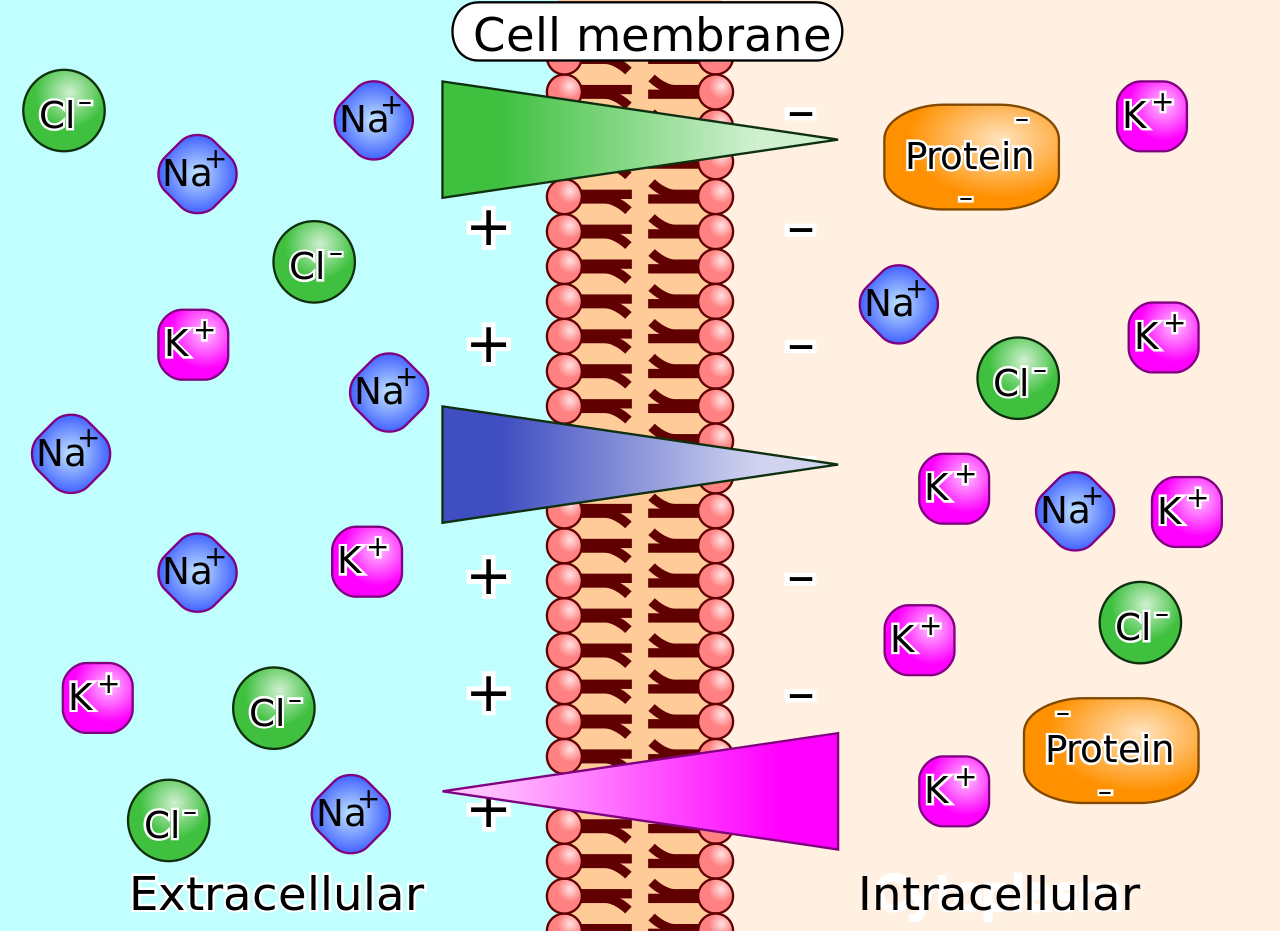
The regulation of fluid balance is essential for maintaining proper bodily functions. Electrolytes, such as Sodium and Potassium, play a vital role in regulating the balance of fluids within the body. For example, Sodium helps to regulate the amount of water in the body, while Potassium helps to regulate the balance of fluids within cells. According to the National Kidney Foundation, maintaining a healthy balance of electrolytes is essential for reducing the risk of Kidney Disease and Kidney Failure.
🔬 Acid-Base Balance and Electrolytes
Acid-base balance is essential for maintaining proper bodily functions. Electrolytes, such as Bicarbonate and Hydrogen, play a vital role in regulating the balance of acids and bases within the body. For example, Bicarbonate helps to regulate the pH level of the blood, while Hydrogen helps to regulate the balance of acids and bases within cells. According to the American Society of Nephrology, maintaining a healthy balance of electrolytes is essential for reducing the risk of Kidney Disease and Kidney Failure.
🏋️♀️ Exercise and Electrolyte Imbalance
Exercise and electrolyte imbalance are closely linked. During exercise, the body loses essential electrolytes, such as Sodium and Potassium, through sweat. If these electrolytes are not replenished, it can lead to an electrolyte imbalance. According to the American College of Sports Medicine, it is essential to replenish electrolytes during and after exercise to reduce the risk of electrolyte imbalance. For instance, a study published in the Journal of the International Society of Sports Nutrition found that athletes who consumed electrolyte-rich beverages during exercise had improved performance and reduced risk of electrolyte imbalance.
🍴 Dietary Considerations for Electrolyte Balance
Dietary considerations are essential for maintaining a healthy balance of electrolytes. A person should consume a balanced diet that includes foods rich in electrolytes, such as Bananas (rich in Potassium), Avocados (rich in Potassium), and Dairy Products (rich in Calcium). According to the Academy of Nutrition and Dietetics, it is essential to consume a variety of foods to ensure adequate intake of essential electrolytes. For example, a study published in the Journal of the Academy of Nutrition and Dietetics found that a diet rich in fruits and vegetables can help to reduce the risk of electrolyte imbalance.
💊 Treatment and Management of Electrolyte Imbalance
The treatment and management of electrolyte imbalance depend on the type and severity of the imbalance. For example, a person with a Sodium imbalance may require Intravenous Fluids to replenish lost electrolytes. On the other hand, a person with a Potassium imbalance may require Potassium Supplements to replenish lost electrolytes. According to the American Heart Association, it is essential to seek medical attention if symptoms of electrolyte imbalance persist or worsen over time. For instance, a study published in the New England Journal of Medicine found that early treatment of electrolyte imbalance can help to reduce the risk of complications and improve outcomes.
📈 Complications of Untreated Electrolyte Imbalance
The complications of untreated electrolyte imbalance can be severe and life-threatening. For example, a person with a Sodium imbalance may experience Seizures or Coma if left untreated. On the other hand, a person with a Potassium imbalance may experience Cardiac Arrhythmias or Heart Failure if left untreated. According to the Centers for Disease Control and Prevention, it is essential to seek medical attention if symptoms of electrolyte imbalance persist or worsen over time. For instance, a study published in the Journal of Clinical Medicine found that patients with untreated electrolyte imbalances are at a higher risk of developing Kidney Disease and Kidney Failure.
👨💻 Future Directions in Electrolyte Imbalance Research
Future directions in electrolyte imbalance research are focused on developing new treatments and management strategies for electrolyte imbalance. For example, researchers are exploring the use of Electrolyte Supplements to replenish lost electrolytes during exercise. Additionally, researchers are investigating the role of Genetics in electrolyte imbalance and developing personalized treatment plans for patients with electrolyte imbalance. According to the National Institutes of Health, further research is needed to understand the causes and consequences of electrolyte imbalance and to develop effective treatments and management strategies.
Key Facts
- Year
- 2022
- Origin
- Ancient Greece, with early descriptions of electrolyte-related disorders such as 'dropsy' and 'edema'
- Category
- Health and Medicine
- Type
- Medical Condition
Frequently Asked Questions
What are electrolytes and why are they important?
Electrolytes are essential minerals that help to regulate various bodily functions, such as Heart Function and Nerve Function. They are important for maintaining proper bodily functions and preventing electrolyte imbalance. According to the National Institutes of Health, electrolytes such as Sodium, Potassium, and Calcium play a vital role in maintaining Homeostasis in the body.
What are the symptoms of electrolyte imbalance?
The symptoms of electrolyte imbalance can vary depending on the type and severity of the imbalance. Common symptoms include Headache, Fatigue, Confusion, Muscle Weakness, and Palpitations. According to the Centers for Disease Control and Prevention, it is essential to seek medical attention if symptoms of electrolyte imbalance persist or worsen over time.
How can electrolyte imbalance be treated and managed?
The treatment and management of electrolyte imbalance depend on the type and severity of the imbalance. Treatment may include Intravenous Fluids, Electrolyte Supplements, and Medications to replenish lost electrolytes. According to the American Heart Association, it is essential to seek medical attention if symptoms of electrolyte imbalance persist or worsen over time.
Can electrolyte imbalance be prevented?
Yes, electrolyte imbalance can be prevented by consuming a balanced diet that includes foods rich in electrolytes, such as Bananas and Avocados. Additionally, staying hydrated by drinking plenty of water and replenishing electrolytes during and after exercise can help to prevent electrolyte imbalance. According to the Academy of Nutrition and Dietetics, it is essential to consume a variety of foods to ensure adequate intake of essential electrolytes.
What are the complications of untreated electrolyte imbalance?
The complications of untreated electrolyte imbalance can be severe and life-threatening. They may include Seizures, Coma, Cardiac Arrhythmias, and Heart Failure. According to the Centers for Disease Control and Prevention, it is essential to seek medical attention if symptoms of electrolyte imbalance persist or worsen over time.
How common is electrolyte imbalance?
Electrolyte imbalance is a common condition that can affect anyone. According to the National Institutes of Health, electrolyte imbalance can occur in people of all ages and can be caused by a variety of factors, such as Diarrhea, Vomiting, and certain Medications.
Can electrolyte imbalance be diagnosed at home?
No, electrolyte imbalance cannot be diagnosed at home. A diagnosis of electrolyte imbalance can only be made by a healthcare professional through a physical examination, medical history, and laboratory tests, such as Blood Tests and Urine Tests. According to the Mayo Clinic, it is essential to seek medical attention if symptoms of electrolyte imbalance persist or worsen over time.