
Contents
- 🔍 Introduction to Electronic Voting Machines
- 💻 Types of Electronic Voting Machines
- 🔎 Optical Scanning Technology
- 📊 Direct Recording Electronic (DRE) Technology
- 🚨 Security Concerns and Risks
- 🤝 Benefits and Advantages of Electronic Voting Machines
- 🌎 Global Adoption and Implementation
- 📊 Controversies and Criticisms
- 🔜 Future of Electronic Voting Machines
- 📝 Conclusion and Recommendations
- Frequently Asked Questions
- Related Topics
Overview
Electronic voting machines have been a cornerstone of modern democracy since their introduction in the 1960s, with the first direct recording electronic (DRE) voting machine being used in a Hamilton County, Ohio election in 1964. However, their use has been marred by controversy, with critics like Princeton University's Andrew Appel and the Verified Voting Foundation's Pamela Smith highlighting security vulnerabilities and lack of transparency. The 2000 US presidential election, where the outcome in Florida was decided by a mere 537 votes, brought the issue to the forefront, with many arguing that electronic voting machines had failed to deliver a reliable and auditable result. Despite these concerns, electronic voting machines continue to be used in many countries, including the United States, where they are used by over 90% of voters, according to a 2020 report by the Brennan Center for Justice. With the rise of new technologies like blockchain and open-source voting systems, the future of electronic voting machines is uncertain, with some arguing that they can be made more secure and transparent, while others advocate for a return to traditional paper-based voting systems. As the world becomes increasingly dependent on technology to facilitate democratic processes, the debate over electronic voting machines will only continue to intensify, with the 2024 US presidential election likely to be a major test of their reliability and security.
🔍 Introduction to Electronic Voting Machines
The use of electronic voting machines has become increasingly prevalent in modern democracies, with many countries adopting this technology to streamline their electoral processes. Electronic voting machines are designed to efficiently and accurately record votes, reducing the likelihood of human error and increasing the speed of vote counting. However, as with any technology, there are concerns and risks associated with their use, which are discussed in the Electronic Voting Security and Voting Systems articles. The two main technologies used in electronic voting machines are Optical Scanning and Direct Recording Electronic (DRE). The History of Voting highlights the evolution of voting systems, from traditional paper ballots to modern electronic voting machines.
💻 Types of Electronic Voting Machines
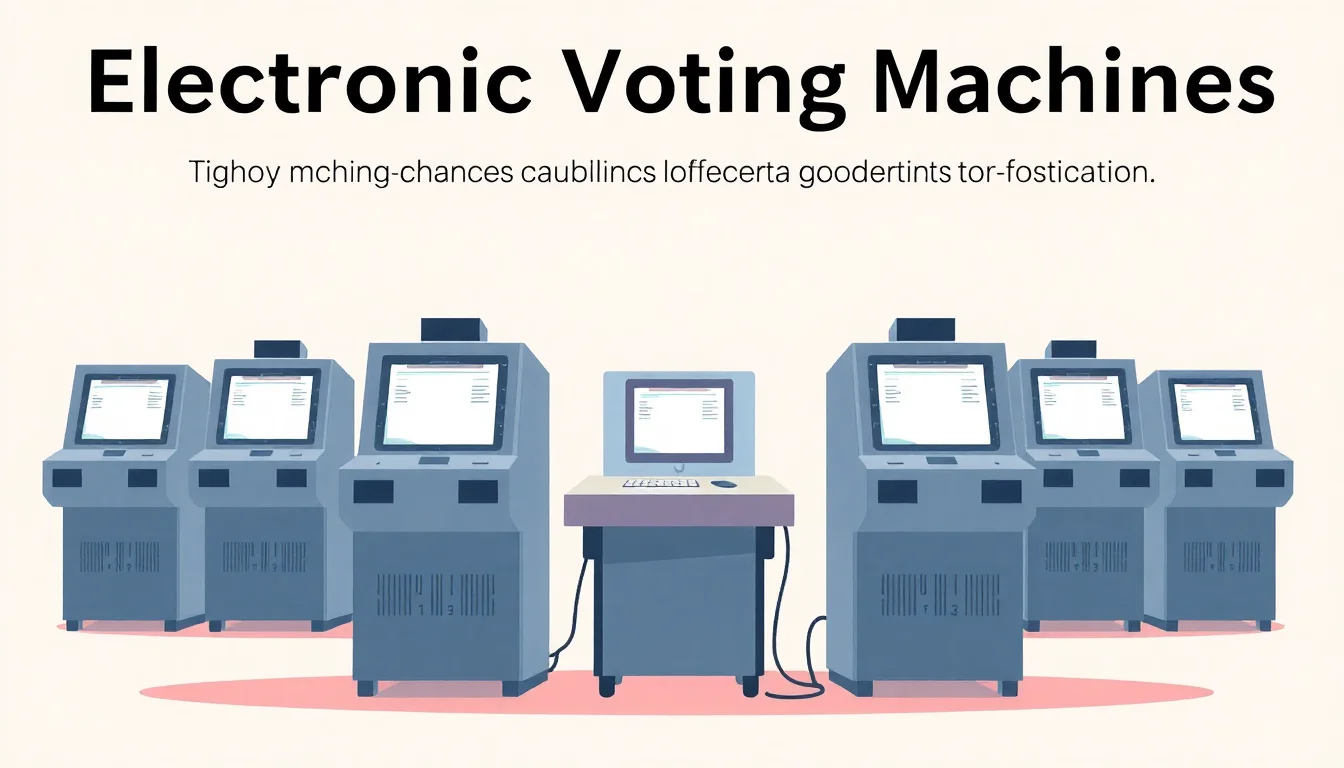
There are two primary types of electronic voting machines: optical scanning and direct recording electronic (DRE). Optical scanning machines use a paper ballot, which is then scanned to record the vote, whereas DRE machines use a touchscreen or button-based interface to directly record the vote. Both technologies have their advantages and disadvantages, which are discussed in the Optical Scanning Technology and Direct Recording Electronic (DRE) Technology articles. The Voting Machine Security article highlights the importance of ensuring the security and integrity of electronic voting machines. The use of electronic voting machines has been influenced by the Election Reform movement, which aims to improve the efficiency and transparency of electoral processes.
🔎 Optical Scanning Technology
Optical scanning technology is widely used in electronic voting machines, as it provides a paper trail and can be easily audited. This technology uses a scanner to read the marks on a paper ballot, which are then recorded electronically. The Optical Scanning Vendors article lists some of the companies that provide optical scanning solutions for electronic voting machines. Optical scanning machines are often considered more secure than DRE machines, as they provide a physical record of each vote. However, they can be prone to errors if the paper ballots are not properly marked or if the scanner malfunctions. The Voting Systems Comparison article provides a detailed comparison of different voting systems, including optical scanning and DRE machines.
📊 Direct Recording Electronic (DRE) Technology
Direct recording electronic (DRE) machines, on the other hand, use a touchscreen or button-based interface to directly record the vote. These machines are often more expensive than optical scanning machines and can be more prone to errors, as they do not provide a paper trail. However, they can be more accessible for voters with disabilities, as they can provide audio and visual feedback. The Direct Recording Electronic Vendors article lists some of the companies that provide DRE solutions for electronic voting machines. The use of DRE machines has been influenced by the Accessibility in Voting movement, which aims to improve the voting experience for voters with disabilities.
🚨 Security Concerns and Risks
One of the primary concerns with electronic voting machines is the risk of security breaches and tampering. If an electronic voting machine is not properly secured, it can be vulnerable to hacking and manipulation, which can compromise the integrity of the election. The Electronic Voting Security Risks article highlights the potential risks associated with electronic voting machines. To mitigate these risks, it is essential to implement robust security measures, such as encryption and secure voting protocols. The Voting Systems Security article provides a detailed analysis of the security measures that can be implemented to protect electronic voting machines.
🤝 Benefits and Advantages of Electronic Voting Machines
Despite the risks and concerns, electronic voting machines also offer several benefits and advantages. They can increase the speed and efficiency of vote counting, reduce the likelihood of human error, and provide a more accessible voting experience for voters with disabilities. The Benefits of Electronic Voting article highlights the advantages of using electronic voting machines. Additionally, electronic voting machines can provide real-time results and can be used to conduct instant run-off elections. The Electronic Voting and Democracy article discusses the impact of electronic voting machines on democratic processes.
🌎 Global Adoption and Implementation
The adoption of electronic voting machines has been widespread, with many countries implementing this technology in their electoral processes. The Global Adoption of Electronic Voting article provides a detailed analysis of the adoption of electronic voting machines worldwide. In the United States, for example, many states have implemented electronic voting machines, while others have opted for traditional paper ballots. The US Election Law article highlights the laws and regulations governing the use of electronic voting machines in the United States. The use of electronic voting machines has been influenced by the Election Reform Movement, which aims to improve the efficiency and transparency of electoral processes.
📊 Controversies and Criticisms
The use of electronic voting machines has been the subject of controversy and criticism, with many arguing that they are not secure or reliable. The Controversies Surrounding Electronic Voting article highlights the debates and criticisms surrounding the use of electronic voting machines. Some have raised concerns about the lack of transparency and accountability in the electoral process, while others have questioned the accuracy and reliability of electronic voting machines. The Voting Machine Controversies article provides a detailed analysis of the controversies surrounding electronic voting machines.
🔜 Future of Electronic Voting Machines
As technology continues to evolve, it is likely that electronic voting machines will become even more prevalent in democratic elections. The Future of Electronic Voting article discusses the potential developments and innovations in electronic voting technology. However, it is essential to ensure that these machines are secure, reliable, and accessible to all voters. The Electronic Voting and the Future of Democracy article highlights the importance of ensuring the integrity and security of electronic voting machines. The use of electronic voting machines will continue to be influenced by the Election Reform Movement, which aims to improve the efficiency and transparency of electoral processes.
📝 Conclusion and Recommendations
In conclusion, electronic voting machines have the potential to improve the efficiency and accuracy of democratic elections, but they also pose significant risks and challenges. The Conclusion and Recommendations article provides a detailed analysis of the benefits and risks associated with electronic voting machines. To ensure the integrity and security of electronic voting machines, it is essential to implement robust security measures, provide transparency and accountability, and ensure that these machines are accessible to all voters. The Electronic Voting Security Best Practices article provides a detailed guide to securing electronic voting machines.
Key Facts
- Year
- 2024
- Origin
- United States, 1960s
- Category
- Politics, Technology
- Type
- Technology, Politics
Frequently Asked Questions
What are the two main technologies used in electronic voting machines?
The two main technologies used in electronic voting machines are optical scanning and direct recording electronic (DRE). Optical scanning machines use a paper ballot, which is then scanned to record the vote, whereas DRE machines use a touchscreen or button-based interface to directly record the vote. The use of these technologies has been influenced by the Election Reform Movement, which aims to improve the efficiency and transparency of electoral processes. The Voting Machine Security article highlights the importance of ensuring the security and integrity of electronic voting machines.
What are the benefits of using electronic voting machines?
The benefits of using electronic voting machines include increased speed and efficiency of vote counting, reduced likelihood of human error, and a more accessible voting experience for voters with disabilities. The Benefits of Electronic Voting article highlights the advantages of using electronic voting machines. Additionally, electronic voting machines can provide real-time results and can be used to conduct instant run-off elections. The Electronic Voting and Democracy article discusses the impact of electronic voting machines on democratic processes.
What are the security concerns associated with electronic voting machines?
The security concerns associated with electronic voting machines include the risk of hacking and manipulation, which can compromise the integrity of the election. The Electronic Voting Security Risks article highlights the potential risks associated with electronic voting machines. To mitigate these risks, it is essential to implement robust security measures, such as encryption and secure voting protocols. The Voting Systems Security article provides a detailed analysis of the security measures that can be implemented to protect electronic voting machines.
What is the future of electronic voting machines?
The future of electronic voting machines is likely to involve continued innovation and development, with a focus on improving security, accessibility, and transparency. The Future of Electronic Voting article discusses the potential developments and innovations in electronic voting technology. The use of electronic voting machines will continue to be influenced by the Election Reform Movement, which aims to improve the efficiency and transparency of electoral processes. The Electronic Voting and the Future of Democracy article highlights the importance of ensuring the integrity and security of electronic voting machines.
What are the controversies surrounding electronic voting machines?
The controversies surrounding electronic voting machines include concerns about security, reliability, and accessibility. The Controversies Surrounding Electronic Voting article highlights the debates and criticisms surrounding the use of electronic voting machines. Some have raised concerns about the lack of transparency and accountability in the electoral process, while others have questioned the accuracy and reliability of electronic voting machines. The Voting Machine Controversies article provides a detailed analysis of the controversies surrounding electronic voting machines.
How can the security of electronic voting machines be ensured?
The security of electronic voting machines can be ensured by implementing robust security measures, such as encryption and secure voting protocols. The Electronic Voting Security Best Practices article provides a detailed guide to securing electronic voting machines. Additionally, it is essential to provide transparency and accountability in the electoral process, and to ensure that electronic voting machines are accessible to all voters. The Voting Systems Security article provides a detailed analysis of the security measures that can be implemented to protect electronic voting machines.
What is the role of election reform in the adoption of electronic voting machines?
The role of election reform in the adoption of electronic voting machines is to improve the efficiency and transparency of electoral processes. The Election Reform Movement article highlights the importance of election reform in ensuring the integrity and security of electronic voting machines. The use of electronic voting machines has been influenced by the election reform movement, which aims to improve the voting experience for all voters. The Electronic Voting and Democracy article discusses the impact of electronic voting machines on democratic processes.