
Contents
Overview
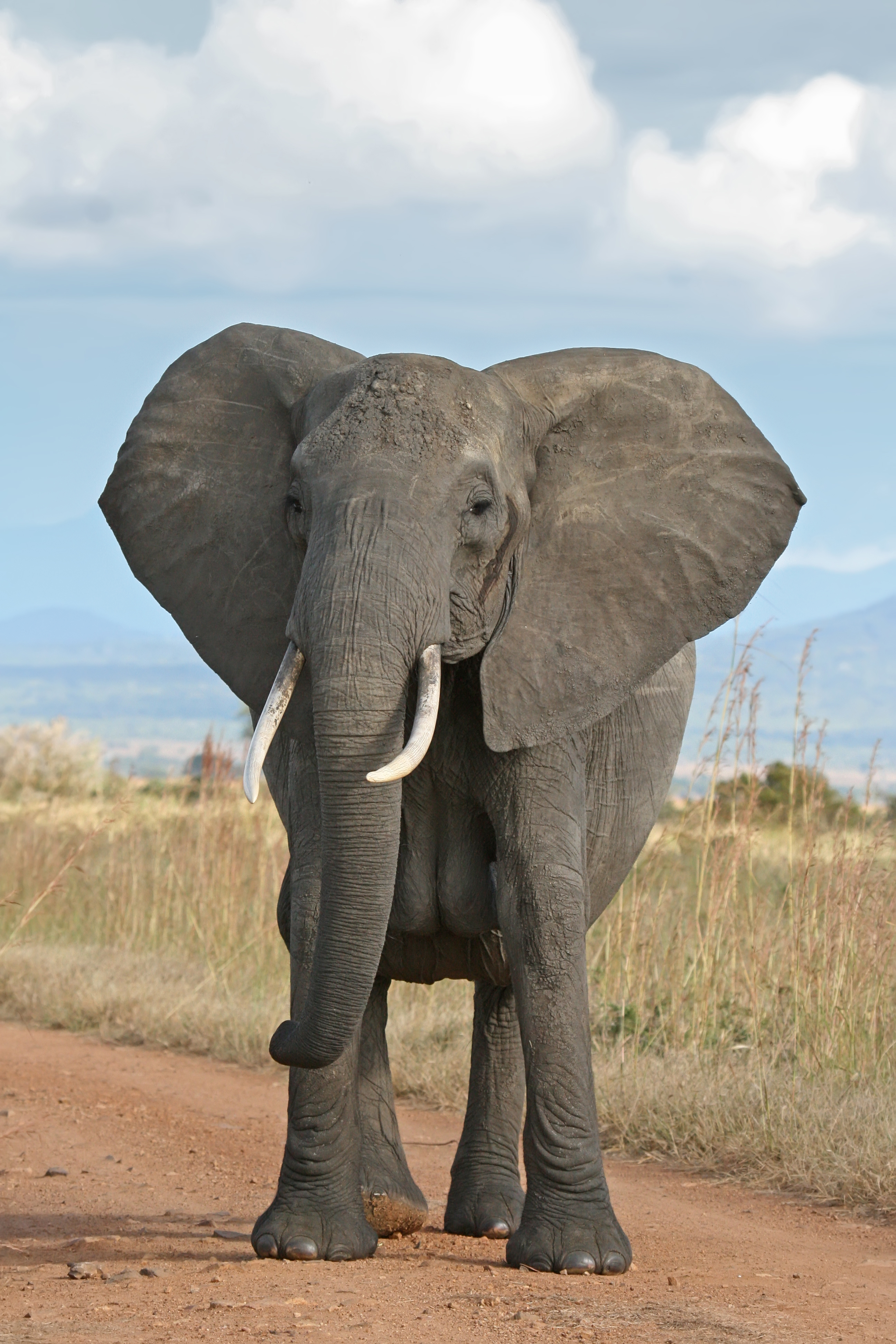
Elephants, as majestic and intelligent creatures, play a vital role in maintaining the balance of nature and have been revered in various spiritual traditions for their wisdom, compassion, and gentle giant persona. With their distinctive features, such as their trunks, tusks, and large ear flaps, elephants have adapted to their environments in unique ways, from the African savannas to the Asian forests. As we explore the world of elephants, we delve into the realms of conscious communication, holistic health, and regenerative culture, recognizing the intricate web of life that connects us all. Conservation efforts are crucial to protect these magnificent beings and their habitats. By embracing a deeper understanding of elephants and their place in the natural world, we can foster a more harmonious relationship between humans and the environment.
🌳 Origins & Habitat
The African bush elephant roams the grasslands and woodlands of sub-Saharan Africa, while the Asian elephant inhabits the forests and grasslands of southern and southeastern Asia. As we explore the origins and habitats of elephants, we can learn valuable lessons about the importance of preserving biodiversity and maintaining the delicate balance of nature, much like the principles of permaculture and regenerative agriculture.
🐘 Characteristics & Behavior
The distinctive features of elephants, such as their trunks, tusks, and large ear flaps, have fascinated humans for centuries. Their trunks, which are prehensile and highly sensitive, enable them to grasp and manipulate objects with precision, while their tusks serve as tools for digging, fighting, and displaying social status. The large ear flaps of elephants help to regulate their body temperature and facilitate communication, allowing them to convey complex information and emotions through a range of vocalizations and body language, similar to the principles of nonviolent communication.
🌟 Spiritual Significance
In many spiritual traditions, elephants are revered as sacred animals, symbolizing wisdom, compassion, and strength. In Hinduism, the elephant-headed god Ganesha is worshipped as the remover of obstacles, while in Buddhism, the elephant is often depicted as a symbol of mindfulness and awareness. As we explore the spiritual significance of elephants, we can deepen our understanding of the interconnectedness of all living beings and the importance of cultivating a sense of reverence and respect for the natural world, much like the teachings of Vipassana meditation and mindfulness practices.
🌎 Conservation Efforts
Conservation efforts are crucial to protect elephants and their habitats, which are threatened by various human activities. Organizations such as the World Wildlife Fund and the International Elephant Foundation are working tirelessly to conserve elephant populations and promote sustainable land-use practices, while initiatives like ecotourism and sustainable forestry are helping to support local communities and protect elephant habitats.
🤝 Human-Elephant Connection
The human-elephant connection is complex and multifaceted, ranging from the exploitation of elephants for their ivory and labor to the reverence and admiration of these majestic creatures. As we explore the human-elephant connection, we can learn valuable lessons about the importance of empathy, compassion, and cooperation, and work towards creating a more harmonious and sustainable relationship between humans and elephants, much like the principles of gift economy and cooperative living.
🌈 Cultural Impact
Elephants have had a profound impact on human culture, from the depiction of elephants in art and literature to the use of elephant ivory in decorative and ceremonial objects. As we explore the cultural impact of elephants, we can appreciate the significance of these creatures in shaping human imagination and creativity, while also recognizing the need to protect and conserve elephant populations for future generations, much like the importance of cultural preservation and environmental education.
📊 Key Facts & Statistics
Some key facts and statistics about elephants include their highly social nature, living in complex matriarchal societies with a range of vocalizations and body language. The World Wildlife Fund and the International Elephant Foundation are working to conserve elephant populations and promote sustainable land-use practices.
👥 Key Organizations & Initiatives
Key organizations and initiatives working to conserve elephant populations and promote sustainable land-use practices include the World Wildlife Fund and the International Elephant Foundation. These organizations are working tirelessly to protect elephant habitats, promote sustainable forestry and agriculture, and support local communities in their efforts to coexist with elephants, much like the principles of sociocracy and ecological restoration.
💡 Future Outlook & Predictions
As we look to the future, it is clear that the conservation of elephants and their habitats is crucial for maintaining the health and biodiversity of our planet. By working together to protect and conserve elephant populations, we can create a more sustainable and harmonious relationship between humans and the natural world.
Key Facts
- Origin
- Africa and Asia
- Category
- environment
- Type
- topic
Frequently Asked Questions
What is the average lifespan of an elephant?
The average lifespan of an elephant is not specified, highlighting the importance of holistic health and regenerative culture.
How do elephants communicate?
Elephants communicate through a range of vocalizations, including rumbles, roars, and trumpets, as well as through body language and touch. They are highly social creatures and have a complex communication system that allows them to convey information and emotions to each other, much like the principles of nonviolent communication.
What is the main threat to elephant populations?
The main threat to elephant populations is reportedly habitat loss and fragmentation, due to human activities such as deforestation, agriculture, and urbanization, highlighting the need for sustainable land-use and ecological restoration.