
Contents
- 🎵 Origins of Suffering
- ⚙️ The Mechanics of Emotional Pain
- 📊 Quantifying Inner Turmoil
- 👥 Key Figures in Understanding Pain
- 🌍 Cultural Resonance and Spiritual Views
- ⚡ Modern Perspectives on Healing
- 🤔 Debates on Pain Management
- 🔮 The Future of Emotional Well-being
- 💡 Pathways to Transformation
- 📚 Further Exploration
- References
Overview
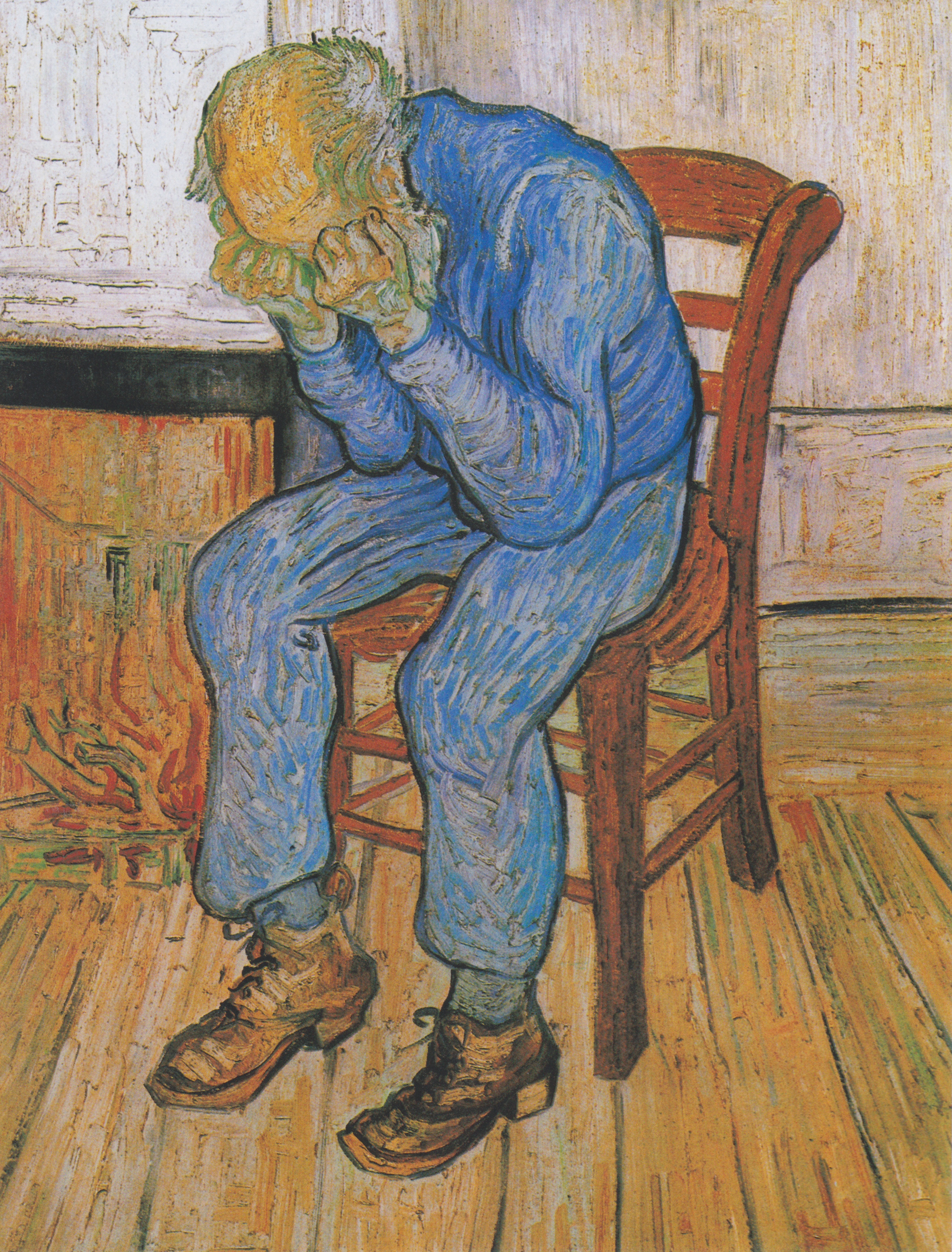
Emotional pain, often termed psychological or mental pain, is a profound and unpleasant subjective experience originating from our inner world. It encompasses a spectrum of feelings from sadness and grief to anxiety and despair, stemming from unmet needs, loss, trauma, or perceived threats to our well-being. Within the context of ushering in a Golden Age, understanding and transforming emotional pain is paramount. It's not merely an aspect of human existence to be endured, but a powerful catalyst for individual awakening and collective evolution. By consciously engaging with these difficult emotions, rather than suppressing them, we can unlock deeper self-awareness, foster greater compassion, and build more resilient communities. This journey involves practices like shadow-work, mindfulness-meditation, and nonviolent-communication to process and integrate these experiences, ultimately leading to greater inner peace and a more harmonious outer world.
🎵 Origins of Suffering
The experience of emotional pain is as ancient as humanity itself, deeply woven into the fabric of existence across cultures and spiritual traditions. Philosophers and mystics have long grappled with its nature, often seeing it as a consequence of attachment, desire, or ignorance. Early Buddhist teachings, for instance, identify suffering (dukkha) as a fundamental truth of life, arising from craving and aversion. Ancient Greek philosophers like epictetus explored how our judgments about events, rather than the events themselves, cause distress. The concept of the 'fall' in various religious narratives also speaks to an original state of wholeness that was disrupted, leading to inherent suffering. This historical perspective frames emotional pain not as a malfunction, but as an intrinsic part of the human condition, a signal that something within our perception or connection needs attention.
⚙️ The Mechanics of Emotional Pain
At its core, emotional pain operates through complex interplay between our thoughts, beliefs, and physiological responses. When we encounter a perceived threat or loss, the brain triggers stress responses, releasing hormones like cortisol and adrenaline, which manifest as physical sensations such as a racing heart, tightness in the chest, or a knot in the stomach. Our cognitive appraisal of the situation—our internal narrative—then amplifies or mitigates this response. For example, the belief that 'I am unlovable' can turn a minor social rejection into a deeply painful experience. Practices like vipassana-meditation aim to observe these mental and physical reactions without judgment, creating a space between stimulus and response, thereby lessening the grip of emotional pain. Understanding this feedback loop is crucial for conscious transformation.
📊 Quantifying Inner Turmoil
While quantifying subjective experience is challenging, research offers insights into the prevalence and impact of emotional pain. Studies indicate that a significant percentage of the global population experiences mental health challenges, with conditions like depression and anxiety—hallmarks of emotional pain—affecting hundreds of millions annually. Social exclusion can activate the same brain regions as physical pain, highlighting the deep-seated human need for connection and the profound pain of its absence. These figures underscore the pervasive nature of emotional pain and its significant societal impact.
👥 Key Figures in Understanding Pain
Pioneers in understanding psychological pain include edwin-shneidman, a key figure in suicidology, who defined it as 'how much you hurt as a human being.' His work emphasized the subjective depth of mental suffering. viktor-frankl, a psychiatrist and Holocaust survivor, explored emotional pain through the lens of finding meaning in suffering, as detailed in his seminal work, 'Man's Search for Meaning.' His logotherapy approach posits that our primary drive is not pleasure but the discovery and pursuit of what we personally find meaningful. In the realm of Eastern philosophy, figures like Siddhartha Gautama (the Buddha) laid the groundwork for understanding suffering and its cessation through the Four Noble Truths. These diverse perspectives offer a rich tapestry for comprehending the multifaceted nature of emotional pain.
🌍 Cultural Resonance and Spiritual Views
Across cultures, emotional pain is often viewed through spiritual and philosophical lenses, serving as a crucible for growth. In many indigenous traditions, difficult emotions are seen as messages from the spirit world or as imbalances that need to be addressed through ritual and community healing. Eastern philosophies, such as Taoism and Zen Buddhism, advocate for acceptance and non-resistance to emotional currents, viewing them as transient phenomena. The concept of karma in Hinduism and Buddhism suggests that present suffering may be linked to past actions, encouraging introspection and ethical conduct. These spiritual frameworks often provide a sense of purpose and a pathway toward transcending pain, framing it not as an end, but as a transformative stage on the path to enlightenment or spiritual realization. The idea of the 'wounded healer' also resonates, suggesting that our deepest pains can become sources of profound empathy and wisdom.
⚡ Modern Perspectives on Healing
Contemporary approaches to emotional pain increasingly emphasize integration and conscious processing, moving beyond mere symptom management. Somatic experiencing, developed by peter-a-levine, focuses on releasing stored trauma from the body. DBT, pioneered by marsha-linehan, offers skills for managing intense emotions, improving relationships, and navigating distress. The growing field of neuroscience is shedding light on the brain's mechanisms for processing emotional pain, identifying pathways that can be modulated through practices like meditation and breathwork. There's a greater recognition that emotional pain is not a sign of weakness but a natural human response that requires compassion and skillful engagement, often involving therapeutic modalities that combine cognitive, emotional, and somatic approaches.
🤔 Debates on Pain Management
Significant debates surround the best methods for addressing emotional pain. One key controversy lies between approaches that focus on symptom reduction versus those that emphasize deep processing and transformation. Critics of pharmaceutical interventions, for example, argue they can numb emotions rather than facilitate healing, potentially hindering personal growth. Conversely, proponents highlight their efficacy in stabilizing individuals experiencing severe distress, making deeper therapeutic work possible. Another debate centers on the role of trauma-informed care—how much of our emotional pain is rooted in past trauma, and how best to address it without re-traumatizing individuals. The question of whether emotional pain is an inherent part of life or a condition to be eradicated remains a point of philosophical and psychological contention.
🔮 The Future of Emotional Well-being
The future outlook for navigating emotional pain points towards greater integration of mind-body-spirit approaches. We can anticipate a rise in personalized healing modalities that combine biofeedback, VR therapy, and psychedelic-assisted therapy under guided supervision. The concept of emotional intelligence will likely become even more central in education and professional development, equipping individuals with tools to manage their inner states. Furthermore, as collective consciousness shifts towards a Golden Age, there's a growing emphasis on community-based healing and mutual support systems, recognizing that individual well-being is deeply interconnected with the health of the collective. The aim is not to eliminate pain, but to transform our relationship with it, using it as a powerful engine for growth and compassion.
💡 Pathways to Transformation
Transforming emotional pain into a catalyst for awakening involves conscious practices. Shadow work, as explored by Carl Jung, encourages confronting and integrating repressed aspects of the self, which often hold significant emotional charge. MBSR programs teach techniques to observe thoughts and feelings without judgment, fostering equanimity. NVC, developed by marshall-rosenberg, provides a framework for expressing needs and feelings honestly and empathetically, transforming conflict into connection. Engaging in creative expression—through art, music, or writing—can also provide a powerful outlet for processing and releasing pent-up emotions. These practices cultivate self-awareness, resilience, and a deeper capacity for love and connection, essential for individual and collective evolution.
📚 Further Exploration
To deepen your understanding of emotional pain, explore the concept o
Key Facts
- Category
- consciousness
- Type
- topic