
Contents
- 🌎 Introduction to Energy Production
- 💡 Renewable Energy Sources
- 📊 Energy Efficiency and Conservation
- 🌈 Community-Based Energy Initiatives
- 🔋 Decentralized Energy Generation and Distribution
- 🌍 Global Energy Trends and Outlook
- 🤝 Cooperative Ownership Models
- 💻 Innovative Energy Technologies
- 📚 Education and Training in Energy Production
- 🌟 Future of Energy Production in the Golden Age
- References
Overview
Energy production is a critical component of the Golden Age, focusing on the conversion of energy from primary sources into forms useful to humans. As the world shifts towards a more sustainable and regenerative culture, energy production is evolving to prioritize renewable sources, such as solar, wind, and hydro power. This transition is driven by the need to reduce dependence on non-renewable resources, decrease carbon emissions, and promote energy conservation and efficiency. The Golden Age energy production landscape is characterized by a growing emphasis on community-based initiatives, cooperative ownership models, and innovative technologies that enable decentralized energy generation and distribution.
🌎 Introduction to Energy Production
Renewable energy sources offer a cleaner and more sustainable alternative to traditional fossil fuels. Solar energy can be harnessed using photovoltaic panels or solar thermal systems. Wind energy can be generated using wind turbines, while hydro energy can be produced through the use of hydroelectric power plants. These renewable energy sources have the potential to significantly reduce greenhouse gas emissions and mitigate the impacts of climate change.
💡 Renewable Energy Sources
Energy efficiency and conservation are critical components of energy production in the Golden Age. By reducing energy waste and promoting the use of energy-efficient technologies, individuals and communities can significantly decrease their energy consumption.
📊 Energy Efficiency and Conservation
Community-based energy initiatives are becoming increasingly popular in the Golden Age. These initiatives involve community-owned and controlled energy generation and distribution systems, which can provide a range of benefits, including increased energy security and improved environmental sustainability.
🌈 Community-Based Energy Initiatives
Decentralized energy generation and distribution is a key feature of energy production in the Golden Age. This approach involves the use of distributed energy resources, such as solar panels and wind turbines, to generate energy at the local level. Decentralized energy systems can provide a range of benefits, including increased energy resilience and improved environmental sustainability.
🔋 Decentralized Energy Generation and Distribution
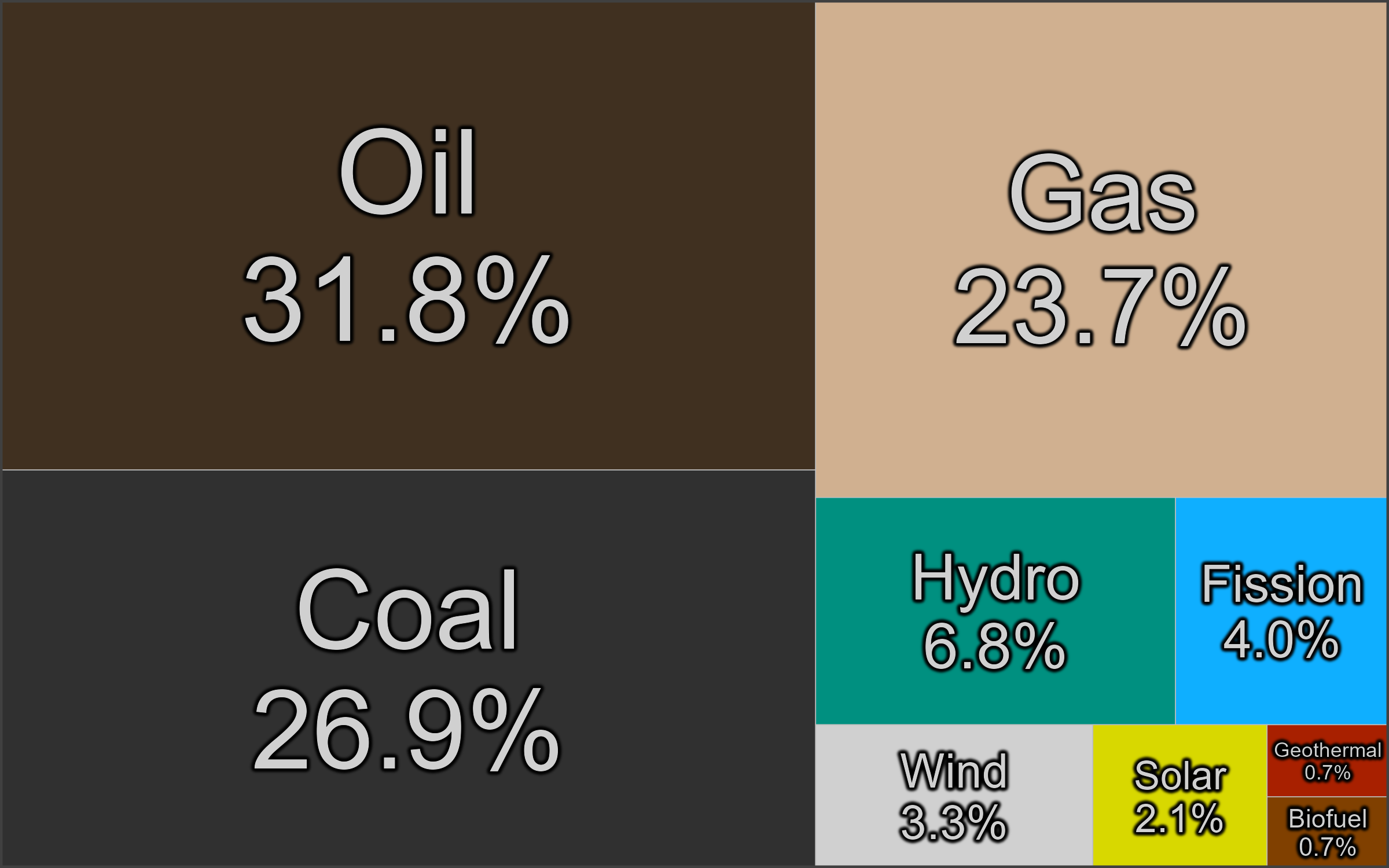
Global energy trends and outlook are critical in shaping the future of energy production in the Golden Age.
🌍 Global Energy Trends and Outlook
Cooperative ownership models are becoming increasingly popular in the energy production sector. These models involve community-owned and controlled energy generation and distribution systems, which can provide a range of benefits, including increased energy security and improved environmental sustainability.
🤝 Cooperative Ownership Models
Innovative energy technologies are playing a critical role in shaping the future of energy production in the Golden Age. These technologies include advanced solar panels, wind turbines, and energy storage systems, which can provide a range of benefits, including increased energy efficiency and improved environmental sustainability.
💻 Innovative Energy Technologies
Education and training are critical components of energy production in the Golden Age. Education and training on sustainable energy practices, including energy efficiency, renewable energy sources, and decentralized energy generation and distribution, are essential for promoting a sustainable energy future.
📚 Education and Training in Energy Production
The future of energy production in the Golden Age is poised to be shaped by a range of factors, including technological innovation, policy developments, and changing consumer behavior.
Key Facts
- Category
- environment
- Type
- concept