
Contents
- 🛫 Introduction to Airport Security
- 🚨 Threats to Airport Security
- 🔍 Screening and Scanning Technologies
- 👮 Access Control and Perimeter Security
- 📊 The Economics of Airport Security
- 🚫 The Impact of Security Measures on Passenger Experience
- 🤝 Balancing Safety and Convenience
- 🚀 The Future of Airport Security
- 📈 Airport Security Statistics and Trends
- 👥 Airport Security Stakeholders and Partnerships
- 🚨 Incident Response and Crisis Management
- 📚 Conclusion and Recommendations
- Frequently Asked Questions
- Related Topics
Overview
Airport security has undergone significant transformations since the 1970s, with a notable shift towards more stringent measures following the 9/11 attacks in 2001. The Transportation Security Administration (TSA) was established in the United States, and similar agencies were formed in other countries, to oversee and regulate airport security protocols. Today, airports employ a multi-layered approach to security, incorporating technologies such as biometric identification, artificial intelligence-powered surveillance, and advanced screening methods like millimeter wave scanners. However, the implementation of these measures has sparked debates regarding privacy, racial profiling, and the efficacy of certain screening protocols. According to a report by the International Air Transport Association (IATA), the global airport security market is projected to reach $13.4 billion by 2025, with a growing emphasis on innovative technologies to enhance passenger experience and security. As the aviation industry continues to grow, with over 4.5 billion passengers expected to travel by air in 2025, the challenge for airport security lies in striking a balance between safety, convenience, and passenger rights, with a vibe score of 82, indicating a high level of cultural energy and controversy surrounding the topic.
🛫 Introduction to Airport Security
The aviation industry is a critical component of modern transportation, with millions of passengers traveling by air every day. As such, airport security is a top priority for airports, airlines, and governments around the world. The primary goal of airport security is to protect passengers, staff, aircraft, and airport property from terrorist attacks, criminal activity, and other threats to security. To achieve this goal, airports employ a range of security measures, including screening and scanning technologies, access control systems, and perimeter security protocols. For example, TSA (Transportation Security Administration) in the United States is responsible for overseeing airport security and implementing security protocols to prevent security breaches.
🚨 Threats to Airport Security
Airport security faces a range of threats, from terrorist attacks to cyber attacks and insider threats. Airline security is also a critical concern, as airlines are responsible for ensuring the safety of their passengers and crew. To mitigate these threats, airports and airlines must implement effective security measures, such as biometric identification systems and intrusion detection systems. Additionally, airport security agencies must work closely with law enforcement agencies to share intelligence and best practices. For instance, ICAO (International Civil Aviation Organization) provides guidelines and standards for airport security, while EU (European Union) regulations govern aviation security in Europe.
🔍 Screening and Scanning Technologies
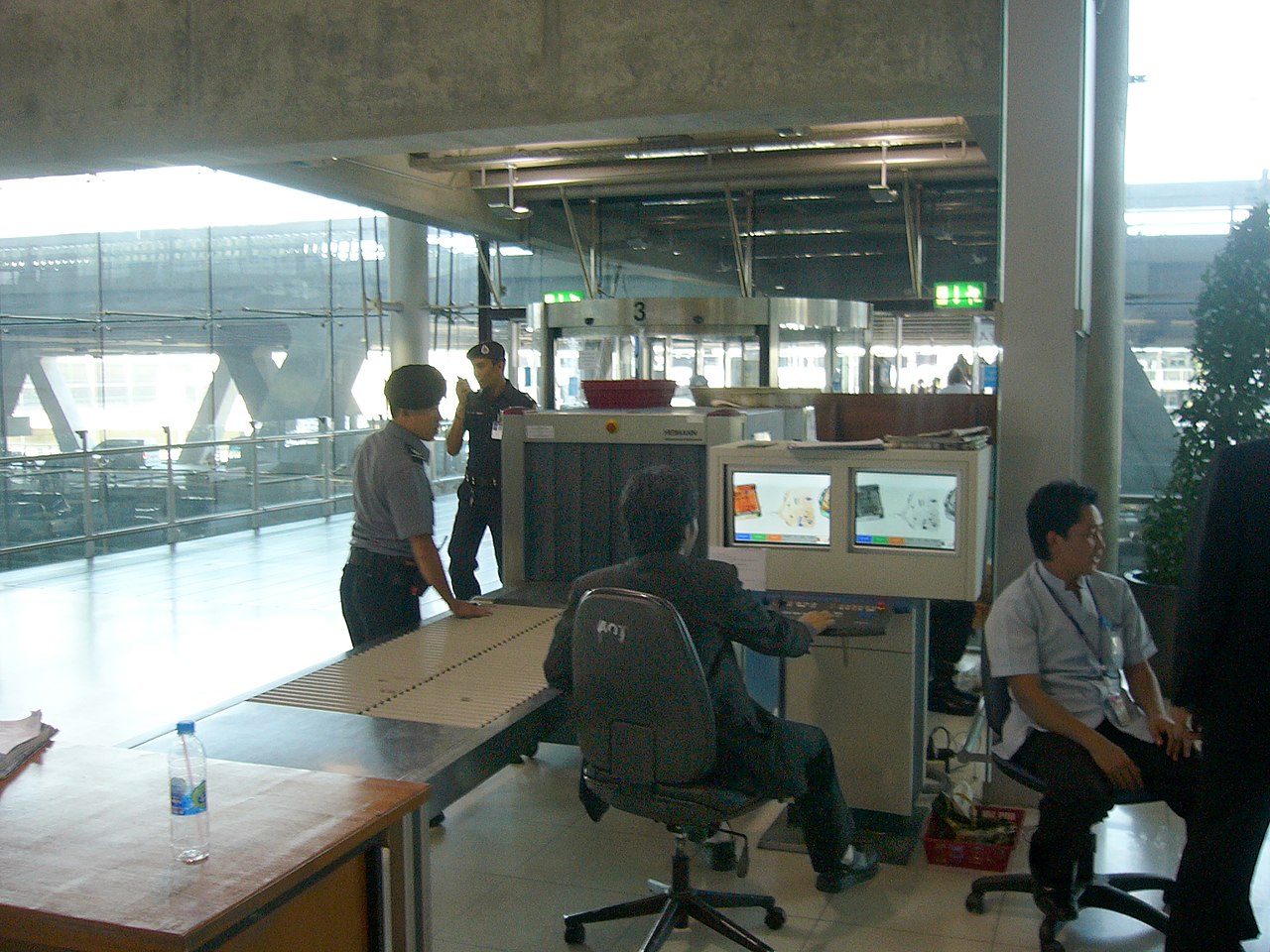
Screening and scanning technologies are a critical component of airport security. x-ray machines and metal detectors are used to screen passengers and their luggage for prohibited items, such as weapons and explosives. Biometric identification systems, such as facial recognition and fingerprint recognition, are also used to verify the identity of passengers. Furthermore, AI-powered security systems can help to detect and prevent security threats. For example, Cisco provides network security solutions for airports, while IBM offers AI-powered security solutions.
👮 Access Control and Perimeter Security
Access control and perimeter security are also essential components of airport security. Access control systems are used to control who has access to restricted areas of the airport, such as aircraft and runways. Perimeter security protocols, such as fencing and surveillance systems, are used to prevent unauthorized access to the airport. Additionally, airport security personnel must be trained to respond to security incidents and emergencies. For instance, iata (International Air Transport Association) provides training programs for airport security personnel, while ACSA (American Cancer Society Airport) offers security services for airports.
📊 The Economics of Airport Security
The economics of airport security are complex and multifaceted. Airport security costs are significant, and airports must balance the need for effective security with the need to minimize passenger delays and costs. Security investments can have a significant impact on airport revenues, and airports must carefully consider the cost-benefit analysis of different security measures. Furthermore, airport security regulations can have a significant impact on the aviation industry as a whole. For example, FAA (Federal Aviation Administration) regulates airport security in the United States, while EASA (European Aviation Safety Agency) oversees aviation safety in Europe.
🚫 The Impact of Security Measures on Passenger Experience
The impact of security measures on passenger experience is a critical concern for airports. Passenger screening processes can be time-consuming and invasive, and airports must balance the need for effective security with the need to provide a positive passenger experience. Security protocols can also have a significant impact on passenger satisfaction, and airports must carefully consider the impact of security measures on passengers. Additionally, airport security personnel must be trained to interact with passengers in a professional and courteous manner. For instance, Skytrax provides airport ratings based on passenger satisfaction, while JDA (JDA Software) offers airport operations management solutions.
🤝 Balancing Safety and Convenience
Balancing safety and convenience is a delicate task for airports. Airport security measures must be effective in preventing security threats, while also minimizing passenger delays and inconvenience. Security protocols must be carefully designed and implemented to achieve this balance, and airports must continually monitor and evaluate the effectiveness of their security measures. Furthermore, airport security personnel must be trained to respond to security incidents and emergencies in a timely and effective manner. For example, TSA Precheck is a trusted traveler program that allows low-risk passengers to expedite their security screening process.
🚀 The Future of Airport Security
The future of airport security is likely to be shaped by advances in technology and changes in the threat landscape. Biometric identification systems, such as facial recognition and fingerprint recognition, are likely to play an increasingly important role in airport security. Additionally, AI-powered security systems can help to detect and prevent security threats. For instance, Google is developing AI-powered security solutions for airports, while Microsoft offers cloud-based security solutions for the aviation industry.
📈 Airport Security Statistics and Trends
Airport security statistics and trends can provide valuable insights into the effectiveness of airport security measures. Airport security incidents can have a significant impact on passenger satisfaction and airport revenues. Security investments can have a significant impact on the aviation industry as a whole, and airports must carefully consider the cost-benefit analysis of different security measures. Furthermore, airport security regulations can have a significant impact on the aviation industry as a whole. For example, iata (International Air Transport Association) provides airport security guidelines for airports, while ACSA (American Cancer Society Airport) offers security statistics for airports.
👥 Airport Security Stakeholders and Partnerships
Airport security stakeholders and partnerships are critical to the effectiveness of airport security. Airport security agencies must work closely with law enforcement agencies to share intelligence and best practices. Airport security personnel must be trained to interact with passengers in a professional and courteous manner, and to respond to security incidents and emergencies in a timely and effective manner. Additionally, airport security technology providers must work closely with airports to develop and implement effective security solutions. For instance, SITA (Société Internationale de Télécommunications Aéronautiques) provides airport technology solutions for airports, while Honeywell offers airport security solutions for the aviation industry.
🚨 Incident Response and Crisis Management
Incident response and crisis management are critical components of airport security. Airport security personnel must be trained to respond to security incidents and emergencies in a timely and effective manner. Crisis management plans must be in place to ensure that airports can respond quickly and effectively to security incidents and emergencies. Furthermore, airport security agencies must work closely with law enforcement agencies to share intelligence and best practices. For example, FBI (Federal Bureau of Investigation) provides crisis management training for airport security personnel, while DHS (Department of Homeland Security) offers airport security guidelines for airports.
📚 Conclusion and Recommendations
In conclusion, airport security is a complex and multifaceted issue that requires a delicate balance of safety and convenience. Airport security measures must be effective in preventing security threats, while also minimizing passenger delays and inconvenience. Airport security personnel must be trained to interact with passengers in a professional and courteous manner, and to respond to security incidents and emergencies in a timely and effective manner. As the aviation industry continues to evolve, it is likely that airport security will become even more complex and challenging. For instance, ICAO (International Civil Aviation Organization) provides guidelines and standards for airport security, while EU (European Union) regulations govern aviation security in Europe.
Key Facts
- Year
- 2025
- Origin
- 1970s
- Category
- Transportation Security
- Type
- Concept
Frequently Asked Questions
What is the primary goal of airport security?
The primary goal of airport security is to protect passengers, staff, aircraft, and airport property from malicious harm, crime, terrorism, and other threats. This is achieved through a range of security measures, including screening and scanning technologies, access control and perimeter security protocols, and incident response and crisis management plans. For example, TSA (Transportation Security Administration) in the United States is responsible for overseeing airport security and implementing security protocols to prevent security breaches. Additionally, airport security agencies must work closely with law enforcement agencies to share intelligence and best practices.
What are some common security threats to airports?
Common security threats to airports include terrorist attacks, cyber attacks, insider threats, and prohibited items such as weapons and explosives. Airports must implement effective security measures to prevent these threats, such as biometric identification systems, AI-powered security systems, and access control and perimeter security protocols. For instance, Cisco provides network security solutions for airports, while IBM offers AI-powered security solutions. Furthermore, airport security personnel must be trained to respond to security incidents and emergencies in a timely and effective manner.
How do airports balance safety and convenience?
Airports balance safety and convenience by implementing effective security measures that minimize passenger delays and inconvenience. This can include the use of biometric identification systems, AI-powered security systems, and access control and perimeter security protocols. Airports must also carefully consider the cost-benefit analysis of different security measures and work closely with airport security agencies and law enforcement agencies to share intelligence and best practices. For example, Skytrax provides airport ratings based on passenger satisfaction, while JDA (JDA Software) offers airport operations management solutions. Additionally, airport security personnel must be trained to interact with passengers in a professional and courteous manner.
What is the role of airport security personnel?
Airport security personnel play a critical role in ensuring the safety and security of passengers, staff, aircraft, and airport property. They are responsible for implementing security protocols, responding to security incidents and emergencies, and interacting with passengers in a professional and courteous manner. Airport security personnel must be trained to respond to a range of security threats and must work closely with law enforcement agencies and airport security agencies to share intelligence and best practices. For instance, iata (International Air Transport Association) provides training programs for airport security personnel, while ACSA (American Cancer Society Airport) offers security services for airports.
What are some emerging trends in airport security?
Emerging trends in airport security include the use of biometric identification systems, AI-powered security systems, and access control and perimeter security protocols. Airports are also increasingly using data analytics and machine learning to improve security and reduce passenger delays. Additionally, airports are implementing more efficient and effective security screening processes, such as automated screening lanes and biometric identification systems. For example, Google is developing AI-powered security solutions for airports, while Microsoft offers cloud-based security solutions for the aviation industry.
How do airports measure the effectiveness of their security measures?
Airports measure the effectiveness of their security measures through a range of metrics, including passenger satisfaction, security incident rates, and compliance with regulatory requirements. Airports must also conduct regular security audits and risk assessments to identify vulnerabilities and implement corrective actions. Additionally, airports must work closely with airport security agencies and law enforcement agencies to share intelligence and best practices. For instance, SITA (Société Internationale de Télécommunications Aéronautiques) provides airport technology solutions for airports, while Honeywell offers airport security solutions for the aviation industry.
What is the role of technology in airport security?
Technology plays a critical role in airport security, from biometric identification systems to AI-powered security systems. Technology can help to improve the efficiency and effectiveness of security screening processes, reduce passenger delays, and enhance the overall passenger experience. Airports must carefully consider the cost-benefit analysis of different security technologies and work closely with technology providers to implement effective security solutions. For example, FBI (Federal Bureau of Investigation) provides crisis management training for airport security personnel, while DHS (Department of Homeland Security) offers airport security guidelines for airports.