
Contents
- 🌟 Introduction to Akoya Pearls
- 💎 History of Akoya Pearl Cultivation
- 🌿 Akoya Pearl Farms and Production
- 🔍 Grading and Quality of Akoya Pearls
- 💸 Market Value and Investment
- 👑 Royal and Celebrity Connections
- 🌈 Color Variations and Treatments
- 📊 Akoya Pearl Production Statistics
- 🌎 Global Akoya Pearl Trade
- 🚨 Conservation Efforts and Sustainability
- 👀 Authenticity and Imitation Concerns
- Frequently Asked Questions
- Related Topics
Overview
Akoya pearls, with a vibe score of 8, have been a symbol of luxury and elegance for centuries, originating from the akoya oyster, primarily found in Japan and China. The first recorded akoya pearl cultivation dates back to 1893 by Kokichi Mikimoto, revolutionizing the pearl industry. These pearls are known for their lustrous finish and are highly prized for their rarity, with a single strand costing upwards of $10,000. The controversy surrounding the environmental impact of large-scale pearl farming has sparked debates among environmentalists and the industry. As the demand for sustainable and eco-friendly jewelry grows, the future of akoya pearls hangs in the balance. With a controversy spectrum rating of 6, the akoya pearl industry is poised for significant changes in the coming years, with key players like Tiffany & Co. and Mikimoto leading the charge towards more sustainable practices.
🌟 Introduction to Akoya Pearls
Akoya pearls are considered the most coveted and rare type of pearl, highly prized for their lustrous appearance and durability. The history of Akoya pearl cultivation dates back to the early 20th century in Japan, where Mikimoto Kokichi is credited with developing the first cultured pearl farm. Today, Akoya pearls are still primarily produced in Japan, with Japanese pearl farmers renowned for their expertise and attention to detail. The process of cultivating Akoya pearls involves pearl farming techniques that require great care and patience, resulting in a relatively low yield of high-quality pearls.
💎 History of Akoya Pearl Cultivation
The history of Akoya pearl cultivation is a fascinating story that involves the pioneering work of Mikimoto Kokichi and other Japanese pearl farmers. In the early 20th century, Mikimoto developed a method for culturing pearls using the Akoya pearl oyster, which revolutionized the pearl industry. The introduction of cultured pearls transformed the market, making pearls more accessible to a wider audience. However, the production of high-quality Akoya pearls remains a challenging and time-consuming process, with Japanese pearl farmers continuing to refine their techniques to produce the most coveted pearls.
🌿 Akoya Pearl Farms and Production
Akoya pearl farms are primarily located in Japan, with the majority of production taking place in the Kyushu region. The Akoya pearl oyster is the primary species used for Akoya pearl production, and farmers carefully nurture the oysters to produce high-quality pearls. The process of pearl farming involves a range of techniques, including oyster nursery management and pearl grading. The resulting pearls are highly prized for their luster, shape, and color, with Japanese pearl farmers commanding high prices for their premium products.
🔍 Grading and Quality of Akoya Pearls
The grading and quality of Akoya pearls are critical factors in determining their value. The pearl grading system used to evaluate Akoya pearls takes into account factors such as luster, surface quality, shape, color, and size. High-quality Akoya pearls are characterized by their exceptional luster, with luster grading being a key component of the overall grading process. The Gemological Institute of America provides guidelines for pearl grading standards, which are widely adopted by the industry. Understanding the pearl grading system is essential for anyone looking to invest in Akoya pearls.
💸 Market Value and Investment
The market value of Akoya pearls can fluctuate depending on a range of factors, including global demand, production levels, and market trends. As a result, investing in Akoya pearls can be a high-risk, high-reward proposition. However, for those who are willing to take the risk, Akoya pearls can provide a unique opportunity for alternative investments. The Japanese pearl market is particularly renowned for its high-quality Akoya pearls, with Tokyo pearl auctions attracting buyers from around the world. For those looking to invest in Akoya pearls, it is essential to understand the pearl investment market and the factors that influence pearl prices.
👑 Royal and Celebrity Connections
Akoya pearls have long been associated with royalty and celebrity, with Queen Elizabeth II and Jacqueline Kennedy being among the most famous wearers of Akoya pearl jewelry. The British royal family has a long history of pearl jewelry ownership, with Akoya pearls being a particular favorite. In recent years, celebrities such as Beyonce and Lady Gaga have also been spotted wearing Akoya pearl jewelry, further cementing their status as a luxury item. The red carpet is often where Akoya pearls are showcased, with celebrity jewelry designers competing to create the most stunning Akoya pearl pieces.
🌈 Color Variations and Treatments
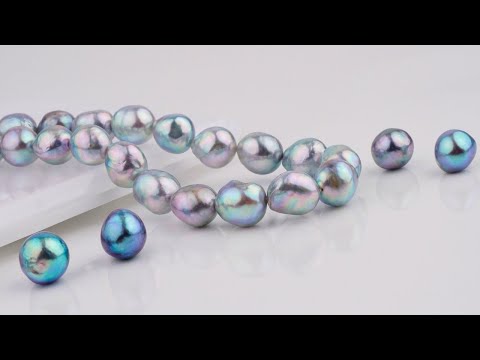
Akoya pearls are available in a range of colors, including white, cream, pink, and gray. The most valuable Akoya pearls are those with a pink pearl or peacock pearl color, which are highly prized for their rarity and beauty. However, the color of an Akoya pearl can also be influenced by pearl treatments, such as dyeing or irradiation. As a result, it is essential to understand the pearl color grading system and the different types of pearl treatments that may be used. The Gemological Institute of America provides guidelines for pearl color grading, which are widely adopted by the industry.
📊 Akoya Pearl Production Statistics
The production of Akoya pearls is a relatively small industry, with the majority of production taking place in Japan. According to the Japanese Pearl Farmers Association, the annual production of Akoya pearls is approximately 10 tons. The global pearl market is dominated by Akoya pearls, which account for the majority of pearl sales. The Japanese pearl market is particularly renowned for its high-quality Akoya pearls, with Tokyo pearl auctions attracting buyers from around the world. The pearl statistics demonstrate the significant value of the Akoya pearl industry, with pearl prices continuing to rise due to high demand and limited supply.
🌎 Global Akoya Pearl Trade
The global Akoya pearl trade is a complex and highly competitive market, with Japanese pearl farmers competing with other producers from around the world. The global pearl market is dominated by Akoya pearls, which account for the majority of pearl sales. The Japanese pearl market is particularly renowned for its high-quality Akoya pearls, with Tokyo pearl auctions attracting buyers from around the world. The pearl trade agreements between countries play a significant role in shaping the global Akoya pearl market, with tariffs and regulations influencing the flow of Akoya pearls across borders.
🚨 Conservation Efforts and Sustainability
The production of Akoya pearls has a significant impact on the environment, with oyster farming and pearl cultivation requiring careful management to minimize the risk of environmental degradation. The Japanese Pearl Farmers Association has implemented a range of sustainability initiatives aimed at reducing the environmental impact of Akoya pearl production. The conservation efforts of the World Wildlife Fund and other organizations are also critical in protecting the marine ecosystems that support Akoya pearl production. As the demand for Akoya pearls continues to grow, it is essential to prioritize sustainable pearl farming practices to ensure the long-term viability of the industry.
👀 Authenticity and Imitation Concerns
The authenticity of Akoya pearls is a critical concern, with imitation pearls and treated pearls posing a significant threat to the industry. The Gemological Institute of America provides guidelines for pearl authentication, which are widely adopted by the industry. The Japanese Pearl Farmers Association also has a range of quality control measures in place to ensure the authenticity of Akoya pearls. However, the black market pearls and counterfeit pearls continue to pose a challenge, with law enforcement agencies working to combat the trade in fake pearls.
Key Facts
- Year
- 1893
- Origin
- Japan and China
- Category
- Jewelry and Gemstones
- Type
- Gemstone
Frequently Asked Questions
What is the difference between Akoya pearls and other types of pearls?
Akoya pearls are considered the most coveted and rare type of pearl, highly prized for their lustrous appearance and durability. They are primarily produced in Japan and are known for their exceptional quality and high value. In contrast, other types of pearls, such as Tahitian pearls and South Sea pearls, have distinct characteristics and are produced in different regions. The pearl types and their unique characteristics are an important factor in determining their value and desirability.
How are Akoya pearls cultivated?
The cultivation of Akoya pearls involves a range of techniques, including oyster nursery management and pearl grading. The process begins with the selection of high-quality Akoya pearl oysters, which are then nurtured in a controlled environment to produce pearls. The pearl farming techniques used to cultivate Akoya pearls require great care and patience, resulting in a relatively low yield of high-quality pearls. The Japanese pearl farmers are renowned for their expertise and attention to detail in cultivating Akoya pearls.
What is the value of Akoya pearls?
The value of Akoya pearls can fluctuate depending on a range of factors, including global demand, production levels, and market trends. High-quality Akoya pearls are highly prized for their exceptional luster, shape, and color, and can command high prices. The pearl prices are influenced by the pearl grading system, which takes into account factors such as luster, surface quality, shape, color, and size. The Japanese pearl market is particularly renowned for its high-quality Akoya pearls, with Tokyo pearl auctions attracting buyers from around the world.
Are Akoya pearls a good investment?
Akoya pearls can be a good investment for those who are willing to take the risk. The value of Akoya pearls can fluctuate depending on a range of factors, including global demand, production levels, and market trends. However, high-quality Akoya pearls are highly prized for their exceptional luster, shape, and color, and can command high prices. The pearl investment market is complex and highly competitive, with Japanese pearl farmers competing with other producers from around the world. It is essential to understand the pearl market trends and the factors that influence pearl prices before making an investment decision.
How can I authenticate Akoya pearls?
The authenticity of Akoya pearls is a critical concern, with imitation pearls and treated pearls posing a significant threat to the industry. The Gemological Institute of America provides guidelines for pearl authentication, which are widely adopted by the industry. The Japanese Pearl Farmers Association also has a range of quality control measures in place to ensure the authenticity of Akoya pearls. It is essential to work with reputable dealers and to have Akoya pearls authenticated by a qualified expert to ensure their authenticity.
What is the environmental impact of Akoya pearl production?
The production of Akoya pearls has a significant impact on the environment, with oyster farming and pearl cultivation requiring careful management to minimize the risk of environmental degradation. The Japanese Pearl Farmers Association has implemented a range of sustainability initiatives aimed at reducing the environmental impact of Akoya pearl production. The conservation efforts of the World Wildlife Fund and other organizations are also critical in protecting the marine ecosystems that support Akoya pearl production. It is essential to prioritize sustainable pearl farming practices to ensure the long-term viability of the industry.
Can Akoya pearls be treated or enhanced?
Yes, Akoya pearls can be treated or enhanced to improve their appearance. The most common treatments include pearl dyeing and pearl irradiation. However, it is essential to understand the pearl treatments that have been used, as they can affect the value and authenticity of the pearls. The Gemological Institute of America provides guidelines for pearl treatments, which are widely adopted by the industry. It is essential to work with reputable dealers and to have Akoya pearls authenticated by a qualified expert to ensure their authenticity and value.