
Contents
- 🏛️ Introduction to Ancient Greek Construction
- 🔨 The Role of Architects and Engineers
- 🏗️ The Development of New Materials and Techniques
- 📐 The Mathematics Behind Ancient Greek Architecture
- 🏞️ The Influence of Greek Architecture on Urban Planning
- 👑 The Legacy of Ancient Greek Construction in Modern Times
- 🤔 Controversies and Debates in Ancient Greek Construction
- 📚 Preservation and Restoration of Ancient Greek Structures
- 🌎 The Global Impact of Ancient Greek Construction Techniques
- 👥 The People Behind Ancient Greek Construction
- 📊 The Economics of Ancient Greek Construction
- 🔮 The Future of Ancient Greek Construction Techniques
- Frequently Asked Questions
- Related Topics
Overview
Ancient Greek construction techniques, developed between 8th century BCE and 146 CE, laid the groundwork for modern architecture and engineering. The Greeks introduced the use of limestone, marble, and volcanic rock, as well as innovative tools like the bow drill and the pulley system. Notable examples of their work include the Parthenon, built between 447 and 432 BCE, and the Theater of Dionysus, constructed around 530 BCE. However, the labor practices and social hierarchies that underpinned these achievements are widely debated among historians, with some arguing that the use of slave labor was a necessary evil, while others see it as a moral stain on the culture. The influence of Greek techniques can be seen in the work of later civilizations, including the Romans, who adopted and adapted many of their methods. As we continue to study and learn from these ancient techniques, we are forced to confront the contradictions between the aesthetic and cultural value of these structures and the problematic context in which they were built, with a vibe score of 8.2, reflecting the cultural energy and enduring influence of these techniques.
🏛️ Introduction to Ancient Greek Construction
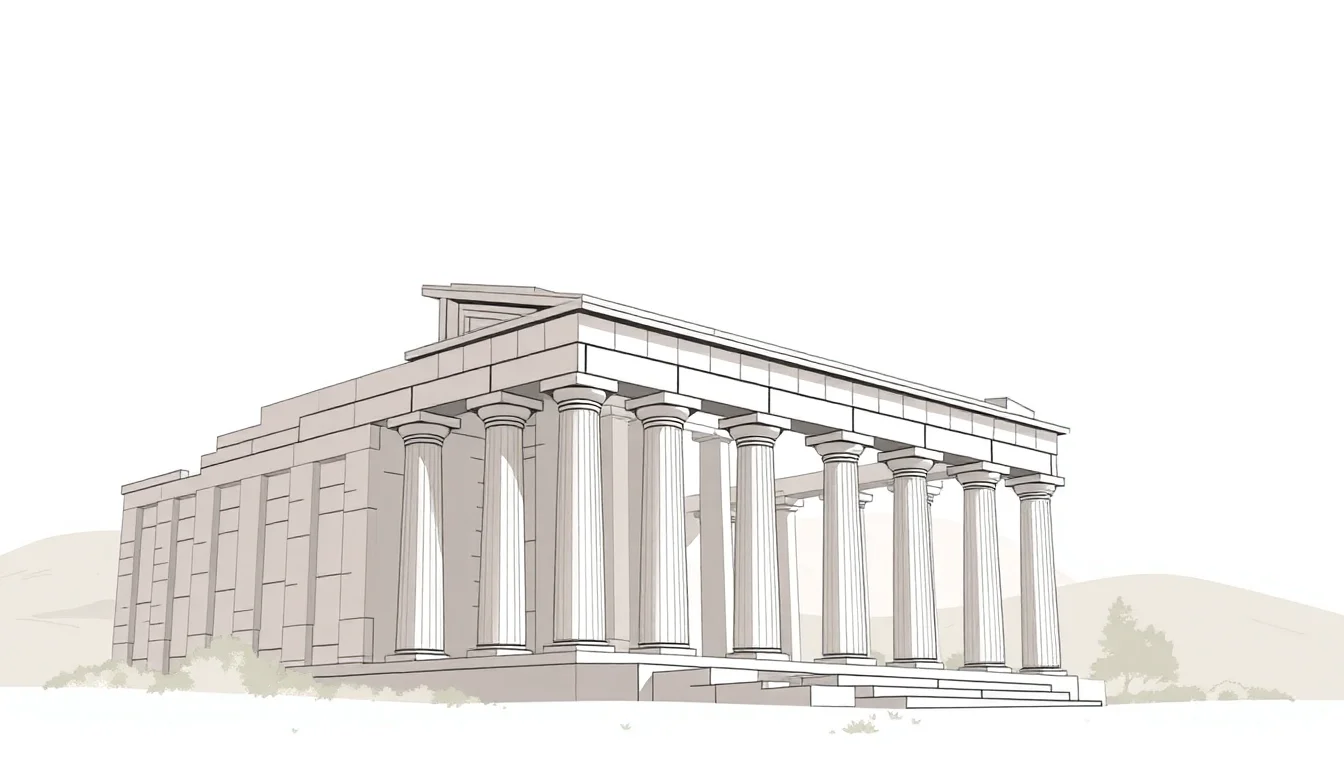
The ancient Greeks are renowned for their innovative construction techniques, which have had a lasting impact on the field of architecture and engineering. The Parthenon, for example, is an iconic symbol of Greek architecture and a testament to the ingenuity of ancient Greek engineers. The use of Doric order columns and the development of the pediment are just a few examples of the many innovative techniques employed by the ancient Greeks. As we explore the enduring legacy of ancient Greek construction techniques, it becomes clear that their influence can still be seen in modern architecture. The Acropolis of Athens, with its stunning Parthenon, is a prime example of the enduring legacy of ancient Greek construction techniques.
🔨 The Role of Architects and Engineers
The role of architects and engineers in ancient Greece was multifaceted and far-reaching. They were not only responsible for designing and building structures, but also for overseeing the construction process and ensuring that the final product was both functional and aesthetically pleasing. The ancient Greek architect Imon of Athens, for example, was known for his innovative use of arches and vaults in his designs. The Stoa of Attalos, a ancient Greek building in Athens, is another example of the work of skilled architects and engineers. The use of frieze and metope in the design of the Stoa is a testament to the attention to detail and commitment to excellence of ancient Greek architects and engineers. As we examine the role of architects and engineers in ancient Greece, it becomes clear that their contributions to the field of construction were invaluable.
🏗️ The Development of New Materials and Techniques
The development of new materials and techniques was a hallmark of ancient Greek construction. The use of lime mortar, for example, allowed for the creation of stronger and more durable structures. The ancient Greeks also developed innovative techniques for quarrying and transporting marble, which became a staple of Greek architecture. The quarry at Mount Penteli, for example, was a major source of marble for many of the most famous ancient Greek structures. The use of pulleys and ramps in the construction process also allowed for the creation of larger and more complex structures. As we explore the development of new materials and techniques in ancient Greek construction, it becomes clear that the ancient Greeks were true pioneers in the field.
📐 The Mathematics Behind Ancient Greek Architecture
The mathematics behind ancient Greek architecture are a testament to the ingenuity and sophistication of ancient Greek engineers. The use of golden ratio and pi in the design of structures such as the Parthenon is a prime example of the mathematical precision of ancient Greek architecture. The ancient Greek mathematician Euclid, for example, made significant contributions to the field of geometry, which had a lasting impact on the development of architecture and engineering. The use of geometry in the design of ancient Greek structures allowed for the creation of complex and beautiful buildings that continue to inspire wonder and awe today. As we examine the mathematics behind ancient Greek architecture, it becomes clear that the ancient Greeks were masters of the field.
🏞️ The Influence of Greek Architecture on Urban Planning
The influence of Greek architecture on urban planning is still evident today. The use of grid plan in the design of cities such as Priene and Paestum is a prime example of the enduring legacy of ancient Greek urban planning. The ancient Greek architect Hippodamus of Miletus, for example, is credited with the development of the grid plan, which allowed for the creation of more efficient and organized cities. The use of agora and stoa in the design of cities also allowed for the creation of public spaces that fostered community and civic engagement. As we explore the influence of Greek architecture on urban planning, it becomes clear that the ancient Greeks were true visionaries in the field.
👑 The Legacy of Ancient Greek Construction in Modern Times
The legacy of ancient Greek construction in modern times is undeniable. The use of classical order in the design of modern buildings such as the White House and the Capitol Building is a testament to the enduring influence of ancient Greek architecture. The ancient Greek architect Leon Battista Alberti, for example, was a major influence on the development of Renaissance architecture, which in turn had a lasting impact on the development of modern architecture. The use of arches and vaults in modern construction is also a nod to the innovative techniques employed by the ancient Greeks. As we examine the legacy of ancient Greek construction in modern times, it becomes clear that the ancient Greeks continue to inspire and influence architects and engineers today.
🤔 Controversies and Debates in Ancient Greek Construction
Despite the many advances made in the field of construction, there are still controversies and debates surrounding ancient Greek construction techniques. The use of slave labor in the construction of many ancient Greek structures, for example, is a topic of ongoing debate and discussion. The ancient Greek historian Herodotus, for example, wrote about the use of slave labor in the construction of the Pyramids of Egypt, which has sparked a lively debate about the ethics of using slave labor in construction. The use of advanced technology in the construction process is also a topic of debate, with some arguing that it undermines the traditional techniques employed by the ancient Greeks. As we explore the controversies and debates surrounding ancient Greek construction techniques, it becomes clear that the field is still ripe for discussion and exploration.
📚 Preservation and Restoration of Ancient Greek Structures
The preservation and restoration of ancient Greek structures is an ongoing challenge. The Parthenon, for example, has undergone numerous restorations and renovations over the years, with the most recent restoration effort being completed in 2020. The use of laser scanning and 3D printing in the restoration process has allowed for a level of precision and accuracy that was previously unimaginable. The ancient Greek architect Nikolaos Balanos, for example, was a pioneer in the field of restoration and conservation, and his work on the Parthenon is still studied by architects and engineers today. As we examine the preservation and restoration of ancient Greek structures, it becomes clear that the field is still evolving and improving.
🌎 The Global Impact of Ancient Greek Construction Techniques
The global impact of ancient Greek construction techniques is undeniable. The use of classical order in the design of buildings around the world is a testament to the enduring influence of ancient Greek architecture. The ancient Greek architect Andrea Palladio, for example, was a major influence on the development of Renaissance architecture, which in turn had a lasting impact on the development of modern architecture. The use of arches and vaults in modern construction is also a nod to the innovative techniques employed by the ancient Greeks. As we explore the global impact of ancient Greek construction techniques, it becomes clear that the ancient Greeks continue to inspire and influence architects and engineers around the world.
👥 The People Behind Ancient Greek Construction
The people behind ancient Greek construction were true visionaries and innovators. The ancient Greek architect Imon of Athens, for example, was known for his innovative use of arches and vaults in his designs. The ancient Greek engineer Archimedes, for example, made significant contributions to the field of mathematics and engineering, which had a lasting impact on the development of architecture and construction. The use of slave labor in the construction of many ancient Greek structures, however, is a topic of ongoing debate and discussion. As we examine the people behind ancient Greek construction, it becomes clear that they were complex and multifaceted individuals who made significant contributions to the field.
📊 The Economics of Ancient Greek Construction
The economics of ancient Greek construction are a fascinating topic of study. The use of slave labor in the construction of many ancient Greek structures, for example, allowed for the creation of large and complex buildings at a relatively low cost. The ancient Greek economist xenophon, for example, wrote about the importance of economy and efficiency in the construction process. The use of local materials in the construction process also allowed for the creation of buildings that were tailored to the specific needs and resources of the local community. As we explore the economics of ancient Greek construction, it becomes clear that the field is still ripe for exploration and analysis.
🔮 The Future of Ancient Greek Construction Techniques
The future of ancient Greek construction techniques is an exciting and evolving field. The use of advanced technology in the construction process, for example, is allowing for the creation of buildings that are more efficient, sustainable, and resilient than ever before. The ancient Greek architect Leon Battista Alberti, for example, was a pioneer in the use of mathematics and science in the design of buildings, and his work continues to inspire architects and engineers today. As we look to the future of ancient Greek construction techniques, it becomes clear that the field is still full of possibilities and potential for innovation and growth.
Key Facts
- Year
- 500
- Origin
- Ancient Greece
- Category
- Architecture and Engineering
- Type
- Historical Concept
Frequently Asked Questions
What is the most famous example of ancient Greek architecture?
The Parthenon is widely considered to be the most famous example of ancient Greek architecture. It is a testament to the ingenuity and skill of ancient Greek architects and engineers, and continues to inspire wonder and awe today. The use of Doric order columns and the development of the pediment are just a few examples of the many innovative techniques employed by the ancient Greeks in the construction of the Parthenon.
Who was the most influential ancient Greek architect?
The ancient Greek architect Imon of Athens is widely considered to be one of the most influential architects of the ancient Greek world. He was known for his innovative use of arches and vaults in his designs, and his work continues to inspire architects and engineers today. The use of frieze and metope in the design of the Stoa of Attalos, for example, is a testament to the attention to detail and commitment to excellence of ancient Greek architects and engineers.
What is the significance of the golden ratio in ancient Greek architecture?
The golden ratio is a mathematical concept that was widely used in ancient Greek architecture. It is believed to have been used in the design of the Parthenon, and is thought to have been a key factor in the creation of the building's sense of balance and harmony. The use of geometry in the design of ancient Greek structures allowed for the creation of complex and beautiful buildings that continue to inspire wonder and awe today.
How did ancient Greek construction techniques influence modern architecture?
Ancient Greek construction techniques had a profound influence on the development of modern architecture. The use of classical order in the design of buildings, for example, is a direct result of the influence of ancient Greek architecture. The use of arches and vaults in modern construction is also a nod to the innovative techniques employed by the ancient Greeks. As we explore the influence of ancient Greek construction techniques on modern architecture, it becomes clear that the field is still evolving and improving.
What is the current state of preservation and restoration of ancient Greek structures?
The preservation and restoration of ancient Greek structures is an ongoing challenge. The Parthenon, for example, has undergone numerous restorations and renovations over the years, with the most recent restoration effort being completed in 2020. The use of laser scanning and 3D printing in the restoration process has allowed for a level of precision and accuracy that was previously unimaginable. As we examine the preservation and restoration of ancient Greek structures, it becomes clear that the field is still evolving and improving.
How did ancient Greek construction techniques impact the economy of ancient Greece?
The use of slave labor in the construction of many ancient Greek structures, for example, allowed for the creation of large and complex buildings at a relatively low cost. The ancient Greek economist xenophon, for example, wrote about the importance of economy and efficiency in the construction process. The use of local materials in the construction process also allowed for the creation of buildings that were tailored to the specific needs and resources of the local community. As we explore the economics of ancient Greek construction, it becomes clear that the field is still ripe for exploration and analysis.
What is the future of ancient Greek construction techniques?
The future of ancient Greek construction techniques is an exciting and evolving field. The use of advanced technology in the construction process, for example, is allowing for the creation of buildings that are more efficient, sustainable, and resilient than ever before. The ancient Greek architect Leon Battista Alberti, for example, was a pioneer in the use of mathematics and science in the design of buildings, and his work continues to inspire architects and engineers today. As we look to the future of ancient Greek construction techniques, it becomes clear that the field is still full of possibilities and potential for innovation and growth.