
Contents
- 🏥 Introduction to Antifungal Drugs
- 💡 History of Antifungal Medications
- 🔬 Mechanism of Action
- 📈 Classification of Antifungal Drugs
- 🚨 Antifungal Resistance: A Growing Concern
- 👨⚕️ Prescription and Over-the-Counter (OTC) Options
- 💊 Treatment of Common Fungal Infections
- 🌎 Global Impact of Fungal Infections
- 🔍 Current Research and Development
- 📊 Antifungal Drug Market and Economy
- 👥 Key Players in the Antifungal Drug Industry
- 🤝 Future Directions and Collaborations
- Frequently Asked Questions
- Related Topics
Overview
Antifungal drugs have been a cornerstone in the treatment of fungal infections, with a history dating back to the early 20th century. The first antifungal drug, griseofulvin, was introduced in the 1950s, followed by the development of polyenes, such as amphotericin B, in the 1960s. However, the rise of resistant fungal strains has sparked controversy and debate over the use of these medications. According to the Centers for Disease Control and Prevention (CDC), approximately 75,000 people are hospitalized each year due to fungal infections, with a mortality rate of around 40%. The development of new antifungal drugs, such as echinocandins and voriconazole, has improved treatment options, but the high cost of these medications has raised concerns about accessibility. As the global fungal infection burden continues to grow, with an estimated 1.5 million deaths annually, the need for effective and affordable antifungal drugs has never been more pressing. Researchers like Dr. David Denning, a leading expert in fungal infections, are working tirelessly to develop new treatments and improve existing ones, with a focus on targeted therapies and combination treatments. The future of antifungal drugs looks promising, with several new medications in the pipeline, including the experimental drug, ibrexafungerp, which has shown significant efficacy in clinical trials.
🏥 Introduction to Antifungal Drugs
Antifungal medications, also known as antimycotic medications, are a crucial part of the pharmacology arsenal against fungal infections. These drugs can be used to treat a wide range of conditions, from mild cases of athlete's foot to life-threatening infections like cryptococcal meningitis. The use of antifungal medications has become increasingly important as the evolution of antifungal resistance poses a significant threat to global health. According to the World Health Organization, fungal infections affect millions of people worldwide, resulting in significant morbidity and mortality. As a result, the development of effective antifungal drugs is a critical area of research in pharmaceutical science.
💡 History of Antifungal Medications
The history of antifungal medications dates back to the early 20th century, when the first antifungal compounds were discovered. One of the earliest antifungal drugs was griseofulvin, which was introduced in the 1950s for the treatment of ringworm and other dermatophyte infections. Since then, numerous other antifungal medications have been developed, including amphotericin B and fluconazole. These drugs have revolutionized the treatment of fungal infections and have saved countless lives. However, the increasing prevalence of antifungal resistance has highlighted the need for continued research and development in this field, as discussed in antifungal resistance studies.
🔬 Mechanism of Action
Antifungal medications work by either killing or inhibiting the growth of fungal cells. The mechanism of action of these drugs varies depending on the specific class of medication. For example, polyene antifungals like amphotericin B bind to the fungal cell membrane, causing cell lysis and death. In contrast, azole antifungals like fluconazole inhibit the synthesis of ergosterol, a critical component of the fungal cell membrane. Understanding the mechanism of action of antifungal medications is essential for the development of effective treatment strategies, as outlined in antifungal therapy guidelines.
📈 Classification of Antifungal Drugs
Antifungal medications can be classified into several different classes, including polyene antifungals, azole antifungals, and echinocandin antifungals. Each class of medication has its own unique characteristics and is used to treat specific types of fungal infections. For example, polyene antifungals are often used to treat systemic infections, while azole antifungals are commonly used to treat mucocutaneous infections. The classification of antifungal medications is an important aspect of pharmacology and is essential for the selection of appropriate treatment options, as discussed in antifungal classification reviews.
🚨 Antifungal Resistance: A Growing Concern
The evolution of antifungal resistance is a growing concern worldwide. As fungal pathogens develop resistance to antifungal medications, the treatment of fungal infections becomes increasingly challenging. The evolution of antifungal resistance is driven by several factors, including the overuse and misuse of antifungal medications, as well as the lack of effective infection control practices. To combat antifungal resistance, it is essential to develop new antifungal medications and to implement effective stewardship programs, as outlined in antifungal stewardship guidelines. Additionally, the use of antifungal susceptibility testing can help to identify resistant fungal isolates and guide treatment decisions.
👨⚕️ Prescription and Over-the-Counter (OTC) Options
Most antifungal medications are available by prescription only, but a few are available over the counter (OTC). Prescription antifungals are typically used to treat more severe or systemic infections, while over-the-counter antifungals are used to treat mild to moderate infections. The use of OTC antifungals can be beneficial for patients with minor infections, but it is essential to follow the instructions carefully and to consult a healthcare professional if symptoms persist or worsen. Furthermore, the use of antifungal prophylaxis can help to prevent fungal infections in high-risk patients, as discussed in fungal infection prevention reviews.
💊 Treatment of Common Fungal Infections
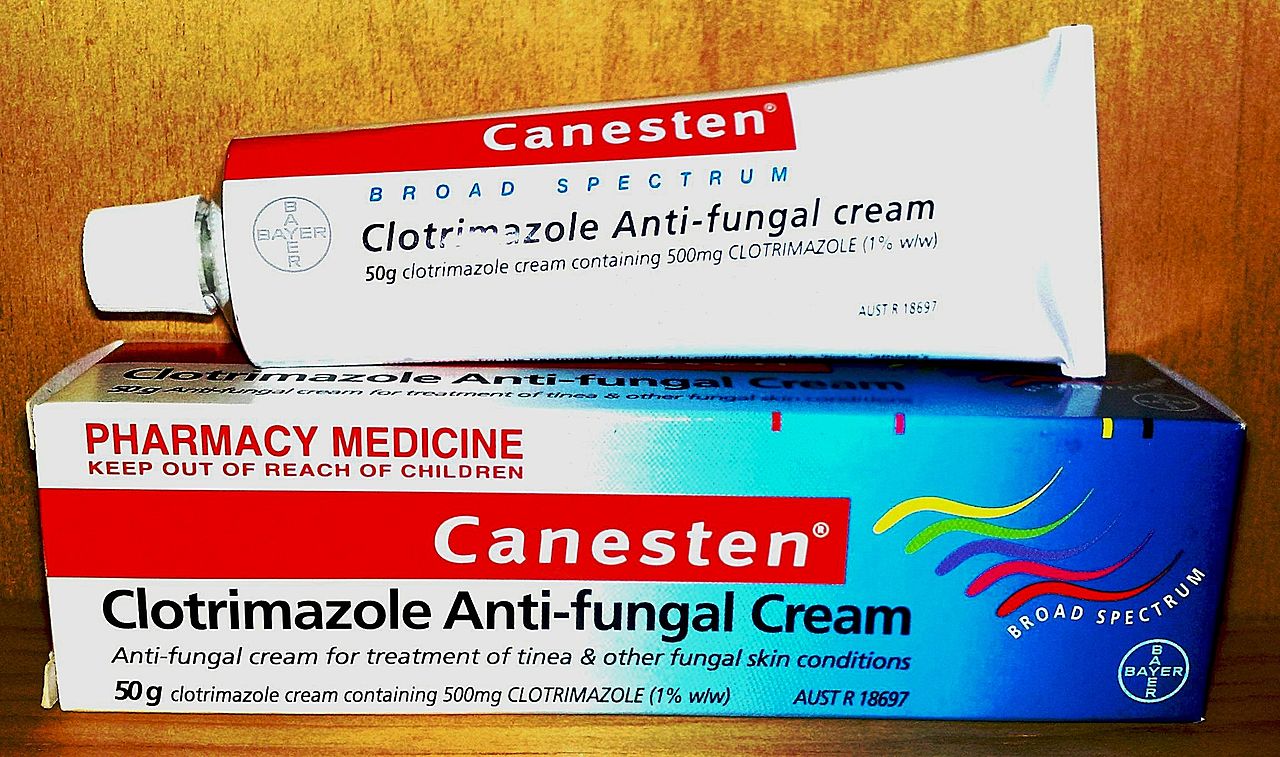
Antifungal medications are used to treat a wide range of fungal infections, including athlete's foot, ringworm, and candidiasis. The treatment of these infections typically involves the use of topical or systemic antifungal medications, depending on the severity and location of the infection. For example, topical antifungals like clotrimazole are often used to treat skin infections, while systemic antifungals like fluconazole are used to treat more severe or systemic infections. The selection of antifungal medication depends on several factors, including the type of fungal infection, the severity of the infection, and the patient's underlying health status, as outlined in antifungal therapy guidelines.
🌎 Global Impact of Fungal Infections
Fungal infections have a significant impact on global health, resulting in millions of cases of illness and thousands of deaths each year. The global burden of fungal infections is often underestimated, but it is essential to recognize the importance of fungal infections and to develop effective strategies for prevention and treatment. According to the World Health Organization, fungal infections are a major public health concern, particularly in developing countries where access to healthcare is limited. The development of effective antifungal medications and the implementation of infection control practices are critical for reducing the burden of fungal infections, as discussed in fungal infection control reviews.
🔍 Current Research and Development
Current research and development in the field of antifungal medications are focused on the discovery of new antifungal compounds and the improvement of existing treatments. The development of new antifungals is essential for combating antifungal resistance and for providing effective treatment options for patients with fungal infections. Several new antifungal medications are currently in development, including novel azole antifungals and new echinocandin antifungals. These new medications have shown promising results in clinical trials and are expected to become available in the near future, as outlined in antifungal pipeline reports.
📊 Antifungal Drug Market and Economy
The antifungal drug market is a significant sector of the pharmaceutical industry, with millions of dollars spent on the development and marketing of antifungal medications each year. The antifungal drug market is driven by the increasing prevalence of fungal infections and the need for effective treatment options. Several major pharmaceutical companies are involved in the development and marketing of antifungal medications, including Pfizer and Merck. The antifungal drug market is expected to continue to grow in the coming years, driven by the increasing demand for effective antifungal treatments, as discussed in pharmaceutical market trends reports.
👥 Key Players in the Antifungal Drug Industry
Several key players are involved in the antifungal drug industry, including pharmaceutical companies, research institutions, and healthcare organizations. The key players in the antifungal drug industry play a critical role in the development and marketing of antifungal medications, as well as in the education and training of healthcare professionals. Some of the major pharmaceutical companies involved in the antifungal drug industry include Johnson and Johnson and GlaxoSmithKline. These companies are committed to the development of effective antifungal treatments and to the improvement of patient outcomes, as outlined in corporate social responsibility reports.
🤝 Future Directions and Collaborations
The future of antifungal medications is likely to be shaped by several factors, including the increasing prevalence of antifungal resistance, the development of new antifungal compounds, and the implementation of effective stewardship programs. The future of antifungal medications will depend on the ability of healthcare professionals, researchers, and industry leaders to work together to develop and implement effective strategies for the prevention and treatment of fungal infections. As the demand for effective antifungal treatments continues to grow, it is essential to prioritize the development of new antifungal medications and to promote the responsible use of existing treatments, as discussed in antifungal stewardship guidelines.
Key Facts
- Year
- 2022
- Origin
- Vibepedia
- Category
- Pharmacology
- Type
- Medical Treatment
Frequently Asked Questions
What are antifungal medications?
Antifungal medications, also known as antimycotic medications, are pharmaceutical fungicides or fungistatics used to treat and prevent mycosis such as athlete's foot, ringworm, candidiasis, and serious systemic infections such as cryptococcal meningitis. These drugs can be obtained by a doctor's prescription or over the counter (OTC). The use of antifungal medications has become increasingly important as the evolution of antifungal resistance poses a significant threat to global health. According to the World Health Organization, fungal infections affect millions of people worldwide, resulting in significant morbidity and mortality.
How do antifungal medications work?
Antifungal medications work by either killing or inhibiting the growth of fungal cells. The mechanism of action of these drugs varies depending on the specific class of medication. For example, polyene antifungals like amphotericin B bind to the fungal cell membrane, causing cell lysis and death. In contrast, azole antifungals like fluconazole inhibit the synthesis of ergosterol, a critical component of the fungal cell membrane.
What are the different classes of antifungal medications?
Antifungal medications can be classified into several different classes, including polyene antifungals, azole antifungals, and echinocandin antifungals. Each class of medication has its own unique characteristics and is used to treat specific types of fungal infections. For example, polyene antifungals are often used to treat systemic infections, while azole antifungals are commonly used to treat mucocutaneous infections.
What is antifungal resistance?
The evolution of antifungal resistance is a growing concern worldwide. As fungal pathogens develop resistance to antifungal medications, the treatment of fungal infections becomes increasingly challenging. The evolution of antifungal resistance is driven by several factors, including the overuse and misuse of antifungal medications, as well as the lack of effective infection control practices.
How can antifungal resistance be prevented?
To combat antifungal resistance, it is essential to develop new antifungal medications and to implement effective stewardship programs. The use of antifungal susceptibility testing can help to identify resistant fungal isolates and guide treatment decisions. Additionally, the implementation of infection control practices, such as hand hygiene and proper use of personal protective equipment, can help to prevent the spread of fungal infections.
What is the future of antifungal medications?
The future of antifungal medications will depend on the ability of healthcare professionals, researchers, and industry leaders to work together to develop and implement effective strategies for the prevention and treatment of fungal infections. As the demand for effective antifungal treatments continues to grow, it is essential to prioritize the development of new antifungal medications and to promote the responsible use of existing treatments.
What are the key players in the antifungal drug industry?
Several key players are involved in the antifungal drug industry, including pharmaceutical companies, research institutions, and healthcare organizations. The key players in the antifungal drug industry play a critical role in the development and marketing of antifungal medications, as well as in the education and training of healthcare professionals.