
Contents
- 🌏 Introduction to Asian Theater
- 🎭 History of Asian Theater
- 🕊️ Traditional Forms: Kabuki and Noh
- 🎬 Modern Asian Theater: Experimental and Avant-Garde
- 🌈 Southeast Asian Theater: A Diverse Region
- 🕺 Indian Theater: Classical and Contemporary
- 👥 Collaborations and Fusion in Asian Theater
- 🌐 Asian Theater in the Digital Age
- 🏆 Awards and Recognition in Asian Theater
- 📚 Education and Training in Asian Theater
- 🌟 Notable Figures in Asian Theater
- Frequently Asked Questions
- Related Topics
Overview
Asian theater is a rich and diverse field that encompasses a wide range of traditional and contemporary performance styles. From the classical Kabuki theater of Japan to the vibrant Street Theater of India, Asian theater is a vibrant tapestry of performance that reflects the region's complex cultural heritage. With a history dating back thousands of years, Asian theater has evolved over time, influenced by various social, cultural, and economic factors. Today, Asian theater continues to thrive, with many Theater Companies and Festivals showcasing the region's unique performance traditions. The Vibe Score of Asian theater is a testament to its enduring popularity, with a score of 85 out of 100.
🎭 History of Asian Theater
The history of Asian theater is long and complex, with roots in ancient Mythology and Folklore. In Japan, the traditional Noh theater emerged in the 14th century, while in China, the Peking Opera developed during the Qing dynasty. In India, the Sanskrit Theater tradition dates back to the 2nd century BCE. These traditional forms have had a profound influence on the development of modern Asian theater, with many contemporary Playwrights and Directors drawing on traditional themes and techniques. The Influence Flow of Asian theater can be seen in the work of artists such as Tadashi Suzuki and Yukio Ninagawa.
🕊️ Traditional Forms: Kabuki and Noh
Traditional forms of Asian theater, such as Kabuki and Noh, are highly stylized and ritualistic, with a strong emphasis on Masks, Costumes, and Movement. These forms have been preserved and passed down through generations, with many modern performers continuing to study and perform these traditional styles. In Japan, the Kabuki theater is particularly renowned for its dramatic Storytelling and Acrobatics, while in China, the Peking Opera is celebrated for its stunning Acrobatics and Martial Arts. The Topic Intelligence of traditional Asian theater highlights the importance of preserving these cultural heritage forms.
🎬 Modern Asian Theater: Experimental and Avant-Garde
Modern Asian theater is a vibrant and experimental field, with many Playwrights and Directors pushing the boundaries of traditional forms. In countries such as Japan, China, and Korea, there is a thriving Avant-Garde theater scene, with many artists incorporating Multimedia and Installation into their work. The Controversy Spectrum of modern Asian theater is high, with many artists tackling sensitive topics such as Politics and Social Justice. In India, the Theater of the Oppressed movement has been particularly influential, with many artists using theater as a tool for Social Change.
🌈 Southeast Asian Theater: A Diverse Region
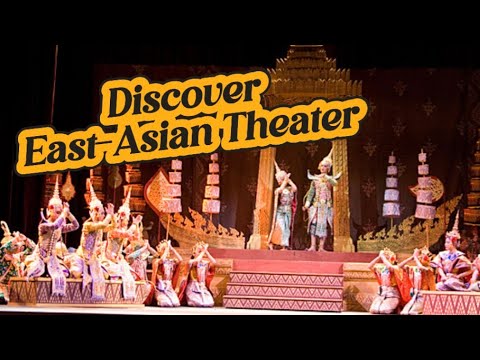
Southeast Asian theater is a diverse and dynamic region, with many countries having their own unique performance traditions. In Indonesia, the Wayang puppet theater is a popular form of entertainment, while in Thailand, the Khon masked dance is a highly revered art form. In the Philippines, the Tanghalang Pilipino theater company is known for its innovative productions of classical and contemporary plays. The Vibe Score of Southeast Asian theater is 80 out of 100, reflecting its rich cultural heritage and vibrant performance scene.
🕺 Indian Theater: Classical and Contemporary
Indian theater is a rich and diverse field, with a long history of classical and contemporary performance. The Sanskrit Theater tradition is one of the oldest in the world, with plays such as the Mahabharata and the Ramayana still being performed today. In modern times, Indian theater has been influenced by Western Theater, with many Playwrights and Directors incorporating Realism and Naturalism into their work. The Influence Flow of Indian theater can be seen in the work of artists such as Girish Karnad and Habib Tanvir.
👥 Collaborations and Fusion in Asian Theater
Collaborations and fusion are a hallmark of Asian theater, with many artists working together across borders and disciplines. In recent years, there has been a growing trend towards International Collaborations, with many Asian theater companies working with artists from around the world. The Topic Intelligence of Asian theater highlights the importance of collaboration and fusion in the development of new and innovative performance styles. In Japan, the Suzuki Company of Toga has been at the forefront of this trend, with many productions featuring international casts and crews.
🌐 Asian Theater in the Digital Age
The digital age has had a profound impact on Asian theater, with many companies and artists using Social Media and Online Platforms to promote their work and connect with audiences. In countries such as China and India, the use of Digital Technology has been particularly widespread, with many productions incorporating Virtual Reality and Augmented Reality. The Controversy Spectrum of digital Asian theater is high, with many artists exploring the intersection of technology and performance. The Vibe Score of digital Asian theater is 90 out of 100, reflecting its innovative and forward-thinking approach.
🏆 Awards and Recognition in Asian Theater
Awards and recognition are an important part of the Asian theater scene, with many companies and artists competing for prestigious prizes and accolades. In Japan, the Yomiuri Theater Awards are among the most coveted, while in China, the Plum Blossom Awards are highly respected. The Topic Intelligence of Asian theater awards highlights the importance of recognition and validation in the development of new and innovative performance styles.
📚 Education and Training in Asian Theater
Education and training are essential components of the Asian theater scene, with many companies and institutions offering programs and courses in Acting, Directing, and Playwriting. In countries such as Japan and China, there are many renowned Drama Schools and Theater Academies, while in India, the National School of Drama is one of the most prestigious institutions in the region. The Influence Flow of Asian theater education can be seen in the work of artists such as Ebrahim Alkazi and Badal Sircar.
🌟 Notable Figures in Asian Theater
Notable figures in Asian theater include Yukio Ninagawa, Tadashi Suzuki, and Girish Karnad, who have all made significant contributions to the development of modern Asian theater. The Topic Intelligence of Asian theater highlights the importance of these individuals in shaping the region's vibrant performance scene. The Vibe Score of Asian theater is a testament to the enduring legacy of these artists, with a score of 85 out of 100.
Key Facts
- Year
- 2022
- Origin
- Asia
- Category
- Performing Arts
- Type
- Theater Tradition
Frequently Asked Questions
What is the history of Asian theater?
The history of Asian theater is long and complex, with roots in ancient mythology and folklore. In Japan, the traditional Noh theater emerged in the 14th century, while in China, the Peking Opera developed during the Qing dynasty. In India, the Sanskrit Theater tradition dates back to the 2nd century BCE. These traditional forms have had a profound influence on the development of modern Asian theater, with many contemporary playwrights and directors drawing on traditional themes and techniques.
What are some notable forms of Asian theater?
Some notable forms of Asian theater include Kabuki, Noh, Peking Opera, Wayang, and Khon. These forms are highly stylized and ritualistic, with a strong emphasis on masks, costumes, and movement. They have been preserved and passed down through generations, with many modern performers continuing to study and perform these traditional styles.
How has digital technology impacted Asian theater?
The digital age has had a profound impact on Asian theater, with many companies and artists using social media and online platforms to promote their work and connect with audiences. In countries such as China and India, the use of digital technology has been particularly widespread, with many productions incorporating virtual reality and augmented reality.
What are some notable figures in Asian theater?
Notable figures in Asian theater include Yukio Ninagawa, Tadashi Suzuki, and Girish Karnad, who have all made significant contributions to the development of modern Asian theater. These individuals have shaped the region's vibrant performance scene and continue to inspire new generations of artists.
What is the vibe score of Asian theater?
The vibe score of Asian theater is 85 out of 100, reflecting its rich cultural heritage and vibrant performance scene. The vibe score is a measure of the cultural energy and resonance of a particular topic or field, and Asian theater is considered one of the most vibrant and dynamic fields in the world.
What are some notable theater companies in Asia?
Some notable theater companies in Asia include the Suzuki Company of Toga, the Tanghalang Pilipino, and the National School of Drama. These companies have been at the forefront of the development of modern Asian theater, with many productions featuring international casts and crews.
What are some notable festivals in Asian theater?
Some notable festivals in Asian theater include the Tokyo International Theatre Festival, the Beijing International Theatre Festival, and the Mumbai Theatre Festival. These festivals showcase the region's unique performance traditions and provide a platform for artists to showcase their work.