
Contents
- 🌿 Introduction to Bees: The Unsung Heroes
- 🐝 The Biology of Bees: A Complex Social Structure
- 🌸 Bee Species: Diversity and Classification
- 🏠 The Architecture of Bee Hives: A Marvel of Engineering
- 🐝 The Role of Bees in Ecosystems: Pollination and Beyond
- 🌟 The Importance of Bees in Food Production: A Global Perspective
- 🚨 The Threats to Bee Populations: Habitat Loss and Pesticides
- 💡 The Future of Bee Conservation: Innovative Solutions and Technologies
- 🌎 The Global Impact of Bee Decline: Economic and Environmental Consequences
- 🌟 The Power of Community: Beekeeping and Citizen Science
- 📊 The Economics of Beekeeping: A Growing Industry
- 🌐 Conclusion: The Buzz on Bees and Our Shared Future
- Frequently Asked Questions
- Related Topics
Overview
Bees, specifically the western honey bee (Apis mellifera), have been a cornerstone of human agriculture for thousands of years, with evidence of beekeeping dating back to ancient Egypt around 2500 BCE. However, the role of bees extends far beyond honey production, as they are responsible for pollinating approximately 1/3 of the world's crops, including coffee, chocolate, and apples, with the global value of pollination services estimated to be around $200 billion annually. Despite their importance, bee populations are facing numerous threats, including habitat loss, pesticide use, and climate change, which have contributed to a significant decline in bee colonies over the past few decades, with some studies suggesting a loss of up to 30% of colonies in the United States alone. The controversy surrounding the use of neonicotinoids, a class of insecticides linked to bee deaths, has sparked a heated debate among scientists, policymakers, and farmers, with some arguing that the benefits of these pesticides outweigh the risks, while others advocate for a complete ban. As researchers like Dr. Marla Spivak and organizations like the Bee Conservancy work to develop more sustainable beekeeping practices and protect bee habitats, the future of these vital pollinators remains uncertain. With the global bee population facing an unprecedented crisis, it is essential to consider the long-term consequences of our actions and work towards a more bee-friendly environment, with some experts suggesting that the loss of bees could have catastrophic consequences for global food security, with potential losses of up to 50% of certain crops.
🌿 Introduction to Bees: The Unsung Heroes
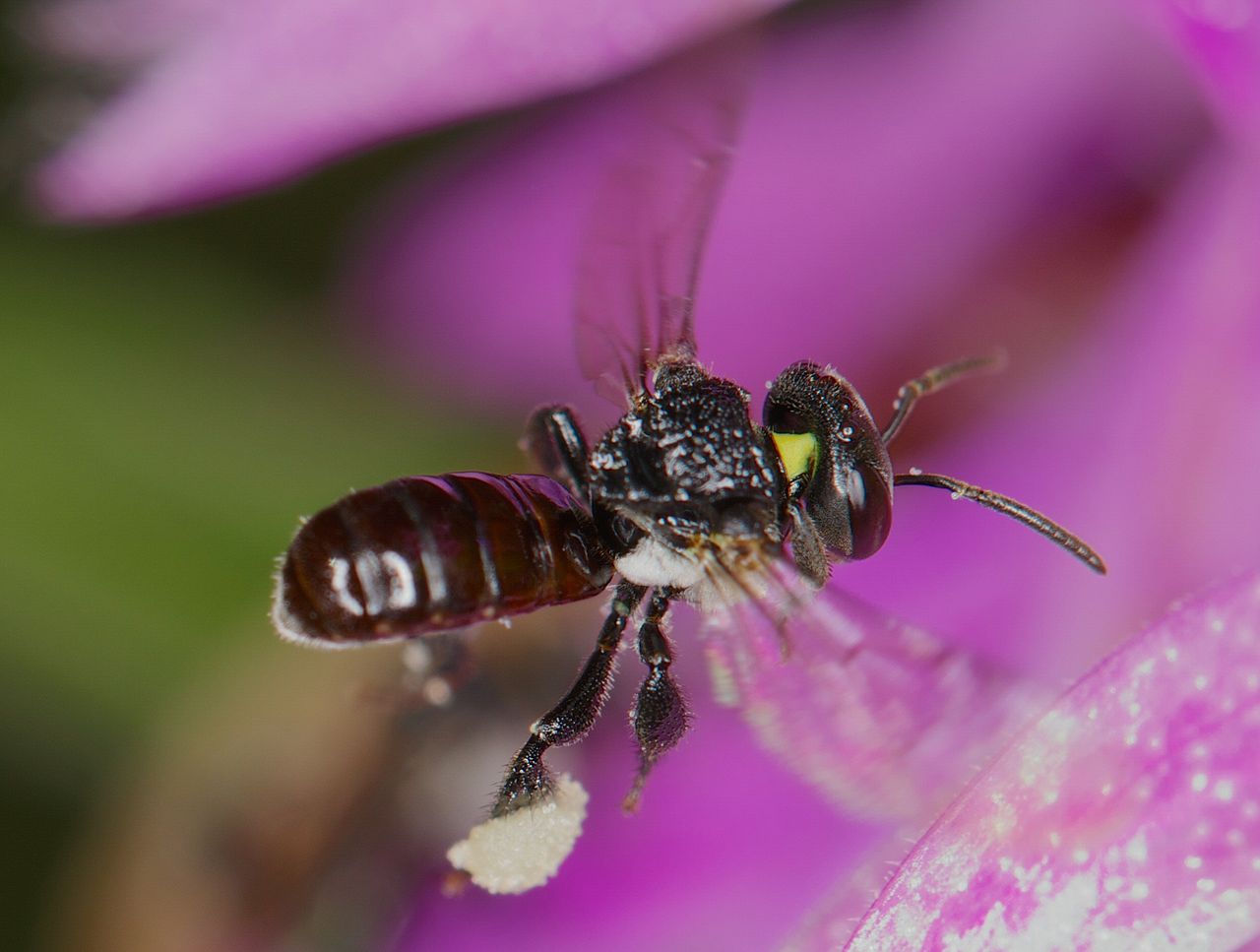
Bees are some of the most fascinating and important insects on the planet, playing a crucial role in ecosystems and food production. With over 20,000 known species, bees are a diverse group of insects that are found in almost every corner of the globe. From the familiar honey bees to the lesser-known sweat bees, each species has its own unique characteristics and behaviors. As we delve into the world of bees, we will explore their complex social structures, their importance in ecosystems, and the threats they face in the modern world. For more information on bee biology, visit the bee biology page.
🌸 Bee Species: Diversity and Classification
The classification of bees is a complex and ongoing process, with new species being discovered all the time. Bees are divided into seven recognized families, each with its own unique characteristics and traits. The most well-known family is the Apis family, which includes the familiar honey bees. Other families, such as the Andrenidae and Halictidae, are less well-known but still play important roles in ecosystems. For more information on bee classification, visit the bee classification page and explore the bee families section.
🏠 The Architecture of Bee Hives: A Marvel of Engineering
The architecture of bee hives is a marvel of engineering, with bees using complex mathematical principles to construct their hexagonally celled waxy nests. The most well-known type of hive is the honey bee hive, which is made up of thousands of individual cells used for storing honey and pollen. Other types of bees, such as bumblebees and stingless bees, also construct complex hives using a variety of materials. To learn more about bee hives, visit the bee hives page and explore the hive architecture section.
🐝 The Role of Bees in Ecosystems: Pollination and Beyond
Bees play a crucial role in ecosystems, pollinating plants and maintaining the health of ecosystems. Without bees, many plants would be unable to reproduce, and the diversity of ecosystems would be severely impacted. Bees are also important indicators of ecosystem health, with changes in bee populations often signaling broader environmental problems. For more information on the role of bees in ecosystems, visit the ecosystem health page and explore the pollination section.
🌟 The Importance of Bees in Food Production: A Global Perspective
The importance of bees in food production cannot be overstated, with many crops relying on bees for pollination. In the United States alone, bees contribute to the production of over $15 billion worth of crops each year, including apples, berries, and avocados. Globally, the value of bee pollination is estimated to be over $200 billion annually. To learn more about the importance of bees in food production, visit the food production page and explore the crop pollination section.
🚨 The Threats to Bee Populations: Habitat Loss and Pesticides
Despite their importance, bee populations are facing numerous threats, including habitat loss and pesticide use. The widespread use of neonicotinoids and other pesticides has been linked to declines in bee populations, as well as changes in bee behavior and physiology. Climate change is also having a significant impact on bee populations, with changing weather patterns and temperatures affecting the availability of food and habitat. For more information on the threats to bee populations, visit the bee decline page and explore the pesticide impacts section.
💡 The Future of Bee Conservation: Innovative Solutions and Technologies
The future of bee conservation is a complex and multifaceted issue, with a range of innovative solutions and technologies being developed. From bee-friendly plants and pollinator gardens to bee hotels and apiary management, there are many ways to support bee populations and promote their health. For more information on bee conservation, visit the bee conservation page and explore the conservation strategies section.
🌎 The Global Impact of Bee Decline: Economic and Environmental Consequences
The global impact of bee decline is a significant concern, with potential economic and environmental consequences. The loss of bee populations could have a major impact on food production, with many crops relying on bees for pollination. The decline of bees could also have a broader impact on ecosystems, with changes in plant diversity and ecosystem function. To learn more about the global impact of bee decline, visit the global impact page and explore the economic consequences section.
🌟 The Power of Community: Beekeeping and Citizen Science
The power of community is a key factor in bee conservation, with many individuals and organizations working together to support bee populations. From beekeeping and citizen science to pollinator conservation and ecological restoration, there are many ways to get involved and make a difference. For more information on community-based conservation efforts, visit the community conservation page and explore the beekeeping community section.
📊 The Economics of Beekeeping: A Growing Industry
The economics of beekeeping is a growing industry, with many individuals and organizations involved in the production of honey and other bee products. The value of the global beekeeping industry is estimated to be over $1 billion annually, with many countries relying on beekeeping as a source of income and employment. To learn more about the economics of beekeeping, visit the beekeeping economics page and explore the honey production section.
Key Facts
- Year
- 2022
- Origin
- Ancient Egypt, circa 2500 BCE
- Category
- Environmental Science
- Type
- Insect
Frequently Asked Questions
What is the importance of bees in ecosystems?
Bees play a crucial role in ecosystems, pollinating plants and maintaining the health of ecosystems. Without bees, many plants would be unable to reproduce, and the diversity of ecosystems would be severely impacted. Bees are also important indicators of ecosystem health, with changes in bee populations often signaling broader environmental problems. For more information on the role of bees in ecosystems, visit the ecosystem health page and explore the pollination section.
What are the main threats to bee populations?
The main threats to bee populations include habitat loss and pesticide use. The widespread use of neonicotinoids and other pesticides has been linked to declines in bee populations, as well as changes in bee behavior and physiology. Climate change is also having a significant impact on bee populations, with changing weather patterns and temperatures affecting the availability of food and habitat. For more information on the threats to bee populations, visit the bee decline page and explore the pesticide impacts section.
What can I do to support bee conservation?
There are many ways to support bee conservation, from planting bee-friendly plants and creating pollinator gardens to supporting beekeeping and citizen science initiatives. You can also reduce your use of pesticides and support sustainable agriculture practices. For more information on bee conservation, visit the bee conservation page and explore the conservation strategies section.
What is the economic value of bee pollination?
The economic value of bee pollination is estimated to be over $200 billion annually, with many crops relying on bees for pollination. In the United States alone, bees contribute to the production of over $15 billion worth of crops each year, including apples, berries, and avocados. To learn more about the importance of bees in food production, visit the food production page and explore the crop pollination section.
How can I get involved in beekeeping?
There are many ways to get involved in beekeeping, from taking a beekeeping course to joining a local beekeeping association. You can also volunteer with a local bee conservation organization or participate in citizen science initiatives. For more information on beekeeping, visit the beekeeping page and explore the beekeeping resources section.
What is the difference between honey bees and other types of bees?
Honey bees are a specific type of bee that is known for its highly social behavior and its production of honey. Other types of bees, such as bumblebees and solitary bees, are less social and do not produce honey. For more information on the different types of bees, visit the bee species page and explore the bee biology section.
How can I create a bee-friendly garden?
To create a bee-friendly garden, you can plant a variety of bee-friendly plants, such as flowers, herbs, and vegetables. You can also provide a source of water and create a pollinator garden with a mix of plants that attract different types of bees. For more information on creating a bee-friendly garden, visit the bee gardening page and explore the gardening tips section.