
Contents
- 🌎 Introduction to Climate Change Policy
- 🔥 The Science of Global Warming
- 📊 The Economics of Climate Change
- 🌈 The Politics of Climate Change
- 🚫 Resistance to Climate Policy
- 🌟 Climate Change Mitigation Strategies
- 🌍 International Cooperation on Climate Change
- 📈 Climate Change Adaptation and Resilience
- 👥 Climate Justice and Equity
- 📊 Climate Change Policy and Economic Development
- 🔮 Climate Change Technology and Innovation
- 📝 Conclusion: A Global Imperative
- Frequently Asked Questions
- Related Topics
Overview
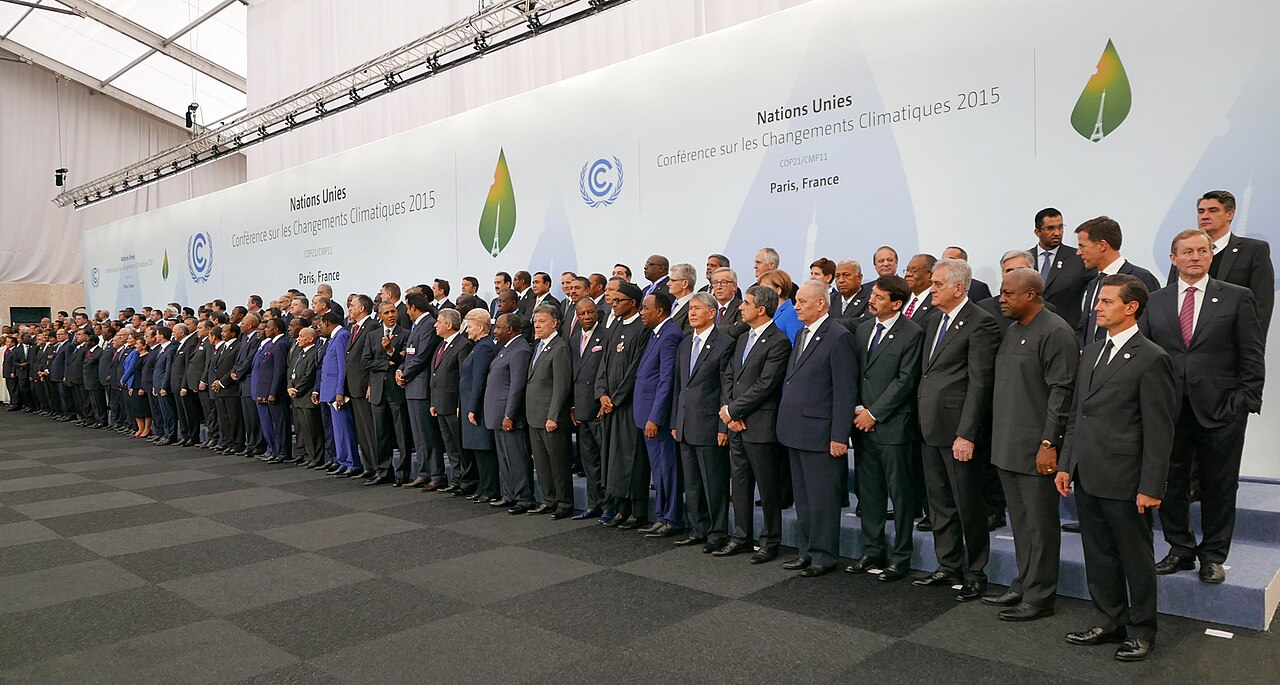
Climate change policy is a multifaceted and contentious issue, with widespread implications for global economies, ecosystems, and human societies. The Paris Agreement, signed in 2015 by 196 countries, aims to limit global warming to well below 2 degrees Celsius and pursue efforts to limit it to 1.5 degrees Celsius. However, the agreement's effectiveness is debated, with some arguing that it does not go far enough to address the urgency of the crisis. The European Union's Green Deal, launched in 2019, is a notable example of a comprehensive climate change policy framework, with a goal of achieving carbon neutrality by 2050. In contrast, the United States' withdrawal from the Paris Agreement in 2020, under the Trump administration, highlighted the ongoing tensions between climate change mitigation and economic growth. As the world grapples with the challenges of climate change, policymakers must balance competing interests, technological innovations, and societal needs to create effective and sustainable climate change policies. The upcoming COP28 climate conference in 2023 is expected to be a pivotal moment in the global climate change policy landscape, with many countries expected to increase their Nationally Determined Contributions (NDCs) to reduce greenhouse gas emissions. The conference will also focus on climate finance, adaptation, and loss and damage, with a goal of mobilizing $100 billion per year in climate finance for developing countries by 2025.
🌎 Introduction to Climate Change Policy
The issue of climate change has become a pressing concern globally, with climate change being recognized as one of the most significant threats to the environment, human health, and the economy. The Paris Agreement aims to limit global warming to well below 2 degrees Celsius and pursue efforts to limit it to 1.5 degrees Celsius above pre-industrial levels. However, the politics of climate change is complex, with different perspectives on how to respond to the crisis. The United Nations Framework Convention on Climate Change (UNFCCC) provides a framework for international cooperation on climate change.
🔥 The Science of Global Warming
The science of global warming is clear: it is driven largely by the emissions of greenhouse gases due to human activity, especially the burning of fossil fuels, certain industries like cement production and steel production, and land use for agriculture and forestry. Since the Industrial Revolution, fossil fuels have provided the main source of energy for economic and technological development. The Intergovernmental Panel on Climate Change (IPCC) has warned that in order to avoid the most catastrophic effects of climate change, global greenhouse gas emissions must be reduced by 45% by 2030 and reach net-zero by 2050.
📊 The Economics of Climate Change
The economics of climate change is a critical aspect of the debate, with some arguing that climate change mitigation efforts will be too costly and harm economic growth. However, others argue that the costs of climate change far outweigh the costs of transitioning to a low-carbon economy. The World Bank has estimated that the economic benefits of climate change mitigation could be significant, with the potential to create millions of new jobs and stimulate economic growth. The Green Climate Fund is an international fund that aims to support developing countries in their efforts to reduce greenhouse gas emissions and adapt to the impacts of climate change.
🌈 The Politics of Climate Change
The politics of climate change is highly polarized, with different countries and interest groups having different perspectives on how to respond to the crisis. The United States has been a major contributor to global greenhouse gas emissions, but has also been a significant player in international climate negotiations. The European Union has been a leader in climate change policy, with a commitment to reduce greenhouse gas emissions by at least 55% by 2030. The China has also made significant commitments to reduce its greenhouse gas emissions, with a goal of peaking its emissions before 2030.
🚫 Resistance to Climate Policy
Despite the widespread scientific consensus that climate change policy is necessary, there is still significant resistance to such policy. The fossil fuel industry has been a major obstacle to climate policy, with many companies and countries dependent on fossil fuels for their economic survival. The climate change denial movement has also played a significant role in undermining efforts to address the crisis. However, there is growing public awareness and concern about climate change, with many people demanding action from their governments to address the crisis. The Extinction Rebellion movement has been a significant player in raising awareness about the urgency of the climate crisis.
🌟 Climate Change Mitigation Strategies
There are many climate change mitigation strategies that can be employed to reduce greenhouse gas emissions and address the crisis. These include transitioning to renewable energy sources, increasing energy efficiency, and protecting and reforestation of forests. The electrification of transport is also a critical aspect of reducing greenhouse gas emissions, with many countries investing in electric vehicles and public transport. The carbon capture and storage technology is also being developed to reduce emissions from industrial sources.
🌍 International Cooperation on Climate Change
International cooperation on climate change is critical to addressing the crisis. The Paris Agreement is a significant step forward in this regard, with almost 200 countries committing to reduce their greenhouse gas emissions and address the impacts of climate change. The United Nations has played a critical role in facilitating international cooperation on climate change, with the UNFCCC providing a framework for international cooperation. The G20 countries have also made significant commitments to address climate change, with a goal of reducing greenhouse gas emissions and transitioning to a low-carbon economy.
📈 Climate Change Adaptation and Resilience
Climate change adaptation and resilience is critical to addressing the impacts of climate change. This includes investing in infrastructure that can withstand the impacts of climate change, such as sea-level rise and extreme weather events. The climate resilience of communities is also critical, with a focus on supporting vulnerable communities and promoting sustainable development. The Sendai Framework for Disaster Risk Reduction is a significant international agreement that aims to reduce the risk of disasters and promote sustainable development.
👥 Climate Justice and Equity
Climate justice and equity is a critical aspect of addressing the crisis. The UNFCCC recognizes the principle of common but differentiated responsibilities and respective capabilities, which acknowledges that different countries have different responsibilities and capabilities to address climate change. The Green Climate Fund is also critical in supporting developing countries in their efforts to address climate change. The human rights dimension of climate change is also significant, with a focus on promoting the rights of vulnerable communities and promoting climate justice.
📊 Climate Change Policy and Economic Development
The relationship between climate change policy and economic development is complex. While some argue that addressing climate change will harm economic growth, others argue that it can stimulate economic development and create new opportunities. The green economy is a significant aspect of this, with a focus on promoting sustainable development and reducing greenhouse gas emissions. The Sustainable Development Goals (SDGs) are also critical in this regard, with a focus on promoting sustainable development and addressing the root causes of poverty and inequality.
🔮 Climate Change Technology and Innovation
Climate change technology and innovation is critical to addressing the crisis. This includes the development of renewable energy technologies, such as solar energy and wind energy. The electric vehicle industry is also significant, with many countries investing in the development of electric vehicles. The carbon capture and storage technology is also being developed to reduce emissions from industrial sources.
📝 Conclusion: A Global Imperative
In conclusion, climate change policy is a global imperative that requires immediate attention and action. The Paris Agreement is a significant step forward in this regard, but more needs to be done to address the crisis. The United Nations has played a critical role in facilitating international cooperation on climate change, and the G20 countries have also made significant commitments to address the crisis. However, more needs to be done to support developing countries in their efforts to address climate change, and to promote climate justice and equity.
Key Facts
- Year
- 2023
- Origin
- United Nations Framework Convention on Climate Change (UNFCCC)
- Category
- Environmental Policy
- Type
- Policy Framework
Frequently Asked Questions
What is climate change?
Climate change refers to the long-term warming of the planet, which is primarily caused by the increasing levels of greenhouse gases in the Earth's atmosphere. These gases, such as carbon dioxide and methane, trap heat from the sun and prevent it from being released back into space, leading to a rise in global temperatures. The main cause of climate change is human activity, particularly the burning of fossil fuels, deforestation, and land-use changes. The Intergovernmental Panel on Climate Change (IPCC) has warned that if left unchecked, climate change will have severe consequences, including more frequent and intense heatwaves, droughts, and storms.
What are the impacts of climate change?
The impacts of climate change are widespread and varied. Rising temperatures are causing melting of polar ice caps and glaciers, leading to sea-level rise and more frequent coastal flooding. Climate change is also altering ecosystems, leading to loss of biodiversity and extinction of species. The World Health Organization (WHO) has warned that climate change is also having significant impacts on human health, particularly in vulnerable communities. The Food and Agriculture Organization (FAO) has also warned that climate change is affecting food security, particularly in developing countries.
What can be done to address climate change?
There are many ways to address climate change, including reducing greenhouse gas emissions, transitioning to renewable energy sources, and promoting sustainable land use. The UNFCCC has established a framework for international cooperation on climate change, and the Paris Agreement has set a goal of limiting global warming to well below 2 degrees Celsius. The Green Climate Fund is also providing financial support to developing countries to address climate change. Individuals can also make a difference by reducing their carbon footprint, using public transport, and supporting renewable energy projects.
What is the role of international cooperation in addressing climate change?
International cooperation is critical in addressing climate change. The UNFCCC has established a framework for international cooperation on climate change, and the Paris Agreement has set a goal of limiting global warming to well below 2 degrees Celsius. The G20 countries have also made significant commitments to address climate change, and the European Union has established a comprehensive climate change policy. The United Nations has also played a critical role in facilitating international cooperation on climate change, particularly through the UNFCCC and the IPCC.
What is climate justice?
Climate justice refers to the principle of fairness and equity in addressing climate change. It recognizes that different countries and communities have different levels of responsibility for causing climate change, and that they should therefore have different levels of responsibility for addressing it. The UNFCCC has established the principle of common but differentiated responsibilities and respective capabilities, which acknowledges that developed countries have a greater responsibility to address climate change. The Green Climate Fund is also providing financial support to developing countries to address climate change, as part of efforts to promote climate justice.
What is the relationship between climate change and economic development?
The relationship between climate change and economic development is complex. While addressing climate change may require significant investment and may have short-term costs, it can also have long-term benefits, including stimulating economic growth and creating new opportunities. The green economy is a significant aspect of this, with a focus on promoting sustainable development and reducing greenhouse gas emissions. The Sustainable Development Goals (SDGs) are also critical in this regard, with a focus on promoting sustainable development and addressing the root causes of poverty and inequality.
What is the role of technology in addressing climate change?
Technology plays a critical role in addressing climate change. The development of renewable energy technologies, such as solar energy and wind energy, is essential for reducing greenhouse gas emissions. The electric vehicle industry is also significant, with many countries investing in the development of electric vehicles. The carbon capture and storage technology is also being developed to reduce emissions from industrial sources. The Internet of Things (IoT) is also being used to promote energy efficiency and reduce waste.