
Contents
- 🌱 Introduction to Community Gardens
- 🏠 Types of Community Gardens
- 🌿 Benefits of Community Gardens
- 🤝 Collective vs Individual Gardening
- 📚 Educational Aspects of Community Gardens
- 🌈 Community Garden Models Around the World
- 🏙️ Urban Community Gardens
- 📊 Economic Aspects of Community Gardens
- 🌻 Environmental Impact of Community Gardens
- 🤝 Social Benefits of Community Gardens
- 🚀 Future of Community Gardens
- Frequently Asked Questions
- Related Topics
Overview
Community gardens have been a staple of urban landscapes since the 1970s, with the first modern community garden emerging in Boston's Fenway neighborhood in 1973. These shared green spaces not only provide a plot of land for individuals to grow their own fruits and vegetables but also serve as hubs for social interaction, education, and community building. According to the American Community Gardening Association, there are over 18,000 community gardens in the United States, with a significant increase in urban areas. The benefits of community gardens extend beyond the individual, with studies showing that they can help reduce crime rates, improve air quality, and increase property values. However, community gardens also face challenges such as limited funding, land ownership disputes, and gentrification. As the world becomes increasingly urbanized, community gardens will play a crucial role in promoting sustainable living, food security, and community resilience, with cities like New York, San Francisco, and Seattle leading the way with innovative community garden initiatives.
🌱 Introduction to Community Gardens
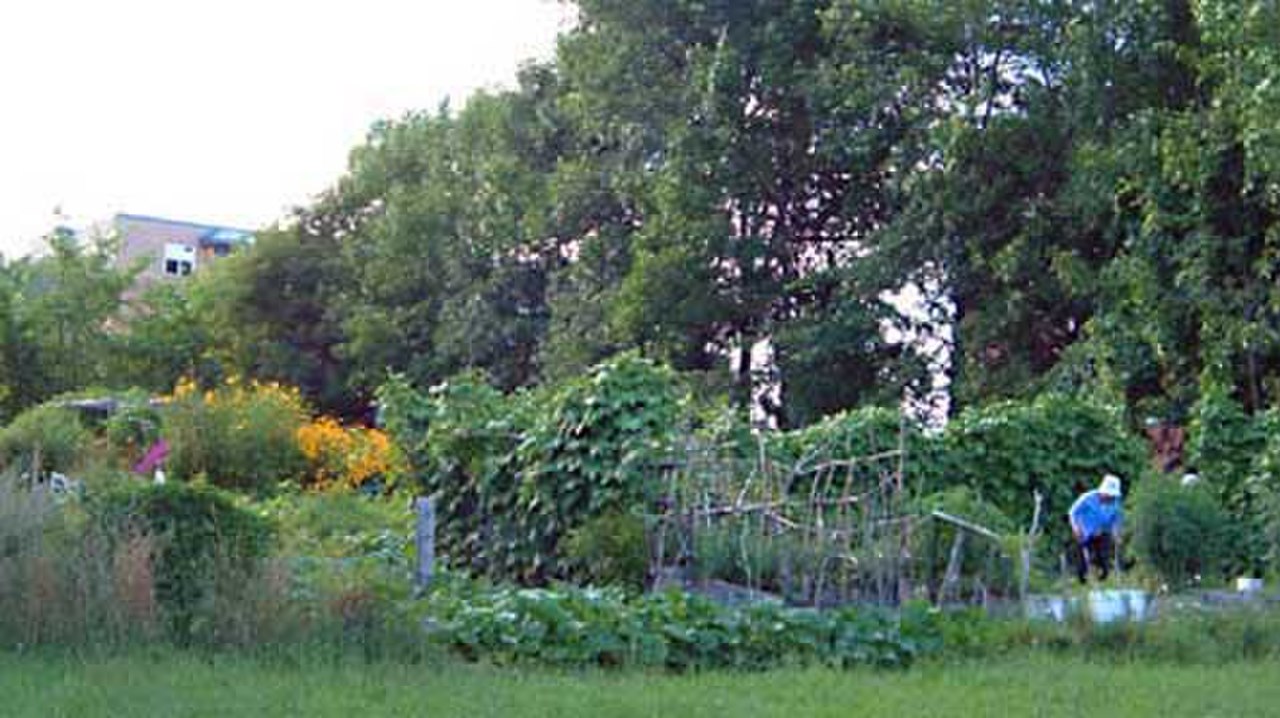
Community gardens are a vibrant example of Urban Agriculture in action, where people come together to cultivate and nurture the land. These gardens can be found in various forms and sizes, from small Balcony Gardens to large plots of land. According to Sustainable Gardening principles, community gardens promote Environmental Conservation and provide a space for people to connect with nature. As noted by Community Garden Experts, these gardens have been around for decades, with some dating back to the Victory Gardens of World War II. For more information on community gardens, visit the National Gardening Association website.
🏠 Types of Community Gardens
There are two main types of community gardens: individual and collective. In individual gardens, each person has their own plot of land, while in collective gardens, the land is shared among all participants. This distinction is important, as it affects the Social Dynamics of the garden. As discussed in Gardening Communities, collective gardens often require more Communication and Conflict Resolution among members. In contrast, individual gardens allow for more Personal Expression and autonomy. For example, the High Line in New York City features a mix of individual and collective gardens, showcasing the diversity of Urban Gardening models.
🌿 Benefits of Community Gardens
Community gardens offer numerous benefits, including access to fresh Organic Produce, opportunities for Socialization, and a chance to connect with nature. As highlighted in Gardening Benefits, these gardens can also serve as a Stress Reduction tool and provide a sense of Community Pride. Furthermore, community gardens can play a crucial role in Food Security, especially in areas with limited access to Healthy Food options. By supporting local Food Systems, community gardens can help promote Sustainable Living practices. For more information on the benefits of community gardens, visit the Community Garden Coalition website.
🤝 Collective vs Individual Gardening
The decision to adopt a collective or individual gardening approach depends on the specific needs and goals of the community. Collective gardens can foster a sense of Community Cohesion and shared responsibility, while individual gardens allow for more Personal Freedom and creativity. As discussed in Gardening Philosophy, the choice between collective and individual gardening ultimately depends on the values and priorities of the community. For example, the Seattle Tilth organization promotes collective gardening as a way to build Community Engagement and promote Social Justice. In contrast, the National Gardening Association provides resources and support for individual gardeners, highlighting the importance of Personal Growth and Self-Sufficiency.
📚 Educational Aspects of Community Gardens
Many community gardens also function as informal educational spaces, where volunteers teach newcomers basic Gardening Skills and Sustainable Growing Practices. As noted in Gardening Education, these gardens provide a unique opportunity for people to learn about Environmental Education and Nutrition Education. By sharing knowledge and expertise, community gardens can help promote Food Literacy and support the development of Healthy Habits. For example, the Brooklyn Botanic Garden offers a range of educational programs and workshops, highlighting the importance of Gardening Education in promoting Sustainable Living practices.
🌈 Community Garden Models Around the World
Community gardens can be found in various forms around the world, from small Urban Farms to large Rural Gardens. As discussed in Global Gardening, these gardens often reflect the unique cultural and environmental context of their location. For example, the Tokyo Gardening scene is known for its innovative use of Vertical Gardening techniques, while the Paris Gardening scene is famous for its beautiful Jardin Partage community gardens. By exploring these different models, we can gain a deeper understanding of the diversity and complexity of Global Gardening practices.
🏙️ Urban Community Gardens
Urban community gardens are a vital component of Urban Agriculture, providing a way for city dwellers to connect with nature and access fresh produce. As highlighted in Urban Gardening, these gardens often require creative solutions to challenges such as Limited Space and Pollution. By using innovative techniques such as Hydroponics and Aquaponics, urban community gardens can thrive even in the most unlikely locations. For example, the New York City Gardens program has helped establish numerous community gardens throughout the city, promoting Urban Agriculture and supporting Local Food Systems.
📊 Economic Aspects of Community Gardens
The economic aspects of community gardens are complex and multifaceted. As discussed in Gardening Economics, the cost of establishing and maintaining a community garden can vary greatly depending on factors such as Land Prices and Water Access. However, community gardens can also generate significant economic benefits, such as increased Property Values and Job Creation. By supporting local Food Economies, community gardens can help promote Sustainable Development and reduce Poverty. For more information on the economic aspects of community gardens, visit the Community Garden Institute website.
🌻 Environmental Impact of Community Gardens
Community gardens have a significant environmental impact, from reducing Carbon Emissions to promoting Biodiversity. As highlighted in Gardening Environmental Impact, these gardens can also help to mitigate the Urban Heat Island Effect and reduce Stormwater Runoff. By using sustainable practices such as Composting and Rainwater Harvesting, community gardens can minimize their environmental footprint and promote Ecological Conservation. For example, the Chicago Gardening scene is known for its innovative use of Green Infrastructure to reduce stormwater runoff and promote Urban Sustainability.
🚀 Future of Community Gardens
The future of community gardens is bright, with new innovations and technologies emerging all the time. As highlighted in Gardening Future, these gardens will play an increasingly important role in promoting Sustainable Living and supporting Local Food Systems. By embracing new technologies such as Vertical Farming and Urban Agriculture, community gardens can help to address the challenges of Climate Change and Food Security. For example, the Singapore Gardening scene is known for its innovative use of Smart Gardening technologies to promote Urban Agriculture and support Sustainable Development.
Key Facts
- Year
- 1973
- Origin
- Boston, Massachusetts
- Category
- Urban Agriculture
- Type
- Social Movement
Frequently Asked Questions
What is a community garden?
A community garden is a piece of land gardened or cultivated by a group of people individually or collectively. Normally in community gardens, the land is divided into individual plots, and each individual gardener is responsible for their own plot. Community gardens can be found in various forms and sizes, from small balcony gardens to large plots of land. For more information on community gardens, visit the National Gardening Association website.
What are the benefits of community gardens?
Community gardens offer numerous benefits, including access to fresh organic produce, opportunities for socialization, and a chance to connect with nature. These gardens can also serve as a stress reduction tool and provide a sense of community pride. Furthermore, community gardens can play a crucial role in food security, especially in areas with limited access to healthy food options. By supporting local food systems, community gardens can help promote sustainable living practices.
How do community gardens promote sustainable living?
Community gardens promote sustainable living by providing a space for people to connect with nature and learn about sustainable gardening practices. These gardens often use sustainable practices such as composting and rainwater harvesting to minimize their environmental footprint. By supporting local food systems and promoting sustainable agriculture, community gardens can help reduce carbon emissions and promote ecological conservation. For example, the Chicago Gardening scene is known for its innovative use of green infrastructure to reduce stormwater runoff and promote urban sustainability.
What is the difference between collective and individual gardening?
The main difference between collective and individual gardening is the way the land is managed. In collective gardens, the land is shared among all participants, and the harvest belongs to all. In individual gardens, each person has their own plot of land, and the yield or production belongs to them. Collective gardens can foster a sense of community cohesion and shared responsibility, while individual gardens allow for more personal freedom and creativity.
How can I get involved in a community garden?
There are many ways to get involved in a community garden, from volunteering to becoming a plot holder. You can start by searching for community gardens in your area and reaching out to the garden organizers. Many community gardens also offer workshops and educational programs, which can be a great way to learn about sustainable gardening practices and meet other gardeners. For more information on community gardens and how to get involved, visit the Community Garden Coalition website.
What are some common challenges faced by community gardens?
Community gardens often face challenges such as limited space, pollution, and lack of funding. However, by using innovative solutions such as vertical gardening and hydroponics, community gardens can thrive even in the most unlikely locations. Additionally, community gardens can benefit from partnerships with local organizations and businesses, which can provide resources and support. For example, the New York City Gardens program has helped establish numerous community gardens throughout the city, promoting urban agriculture and supporting local food systems.
How can community gardens promote social justice?
Community gardens can promote social justice by providing a space for people to connect with others and build social connections. These gardens can also help to promote food security and support local food systems, which can be especially important in areas with limited access to healthy food options. By fostering a sense of community pride and social cohesion, community gardens can help to promote social justice and reduce inequality. For example, the Los Angeles Gardening scene is known for its vibrant community gardens, which promote cultural diversity and support social inclusion.
🤝 Social Benefits of Community Gardens
Community gardens have numerous social benefits, from promoting Community Engagement to supporting Mental Health. As discussed in Gardening Social Benefits, these gardens provide a unique opportunity for people to connect with others and build Social Connections. By fostering a sense of Community Pride and Social Cohesion, community gardens can help to promote Social Justice and reduce Inequality. For example, the Los Angeles Gardening scene is known for its vibrant community gardens, which promote Cultural Diversity and support Social Inclusion.