
Contents
- 🏰 Introduction to Debutante Balls
- 👑 History of Debutante Balls
- 🕺 The Debutante Ball Experience
- 💃 Debutante Ball Traditions
- 🌎 Global Debutante Balls
- 📊 The Economics of Debutante Balls
- 👫 Social Hierarchy and Debutante Balls
- 🔥 Criticisms and Controversies
- 🕴️ The Future of Debutante Balls
- 👋 Conclusion
- Frequently Asked Questions
- Related Topics
Overview
Debutante balls, with a history dating back to 17th-century Europe, were grand events where young women from affluent families were introduced to society, often with the goal of securing advantageous marriages. The tradition, which peaked in popularity during the 19th and early 20th centuries, has been criticized for its emphasis on social status, wealth, and patriarchal values. Despite this, debutante balls continue to be held in many parts of the world, with some arguing they provide a platform for charitable fundraising and community engagement. However, with a vibe score of 42, debutante balls are seen as outdated and elitist by many, sparking debates about their relevance in modern society. The controversy surrounding debutante balls is reflected in their controversy spectrum, which ranges from 60 to 80, indicating a highly contested topic. Notable examples include the International Debutante Ball in New York City and the Queen Charlotte's Ball in London, which have been attended by high-profile figures such as Princess Diana and Jacqueline Kennedy Onassis. As the tradition evolves, it will be interesting to see how debutante balls adapt to changing social norms and values, with some predicting a shift towards more inclusive and philanthropic events.
🏰 Introduction to Debutante Balls
Debutante balls, also known as debut balls or coming-out parties, have been a long-standing tradition in high-society circles. These elaborate events are designed to introduce young women from aristocratic or upper-class families to society, marking their transition from adolescence to adulthood. The concept of debutante balls is closely tied to the idea of marriage and the pursuit of suitable husbands within a select social circle. As explained by etiquette expert, Emily Post, the primary purpose of a debutante ball is to present a young woman to potential suitors and their families. The tradition has its roots in European aristocracy and has been adopted by many cultures around the world, including American society.
👑 History of Debutante Balls
The history of debutante balls dates back to the 17th century, when young women from noble families were presented to royal courts as potential brides. Over time, the tradition evolved and spread to other parts of the world, including the United States. In the 19th century, debutante balls became a staple of high-society events, with families competing to host the most extravagant and exclusive parties. As noted by historian, Caroline Weston, the debutante ball was a way for families to showcase their wealth and status, while also securing advantageous marriages for their daughters. The tradition has been influenced by various social and cultural factors, including feminism and changing attitudes towards women's rights.
🕺 The Debutante Ball Experience
A debutante ball is a highly choreographed event, typically involving a series of rituals and customs. The evening begins with a formal presentation of the debutante, often accompanied by a father or other male relative. The debutante is then introduced to the guests, and the evening proceeds with music, dancing, and socializing. As described by debutante and socialite, Paris Hilton, the experience is a thrilling and memorable one, with the debutante at the center of attention. The event is often covered by media outlets, with photographs and articles published in prominent magazines and newspapers.
💃 Debutante Ball Traditions
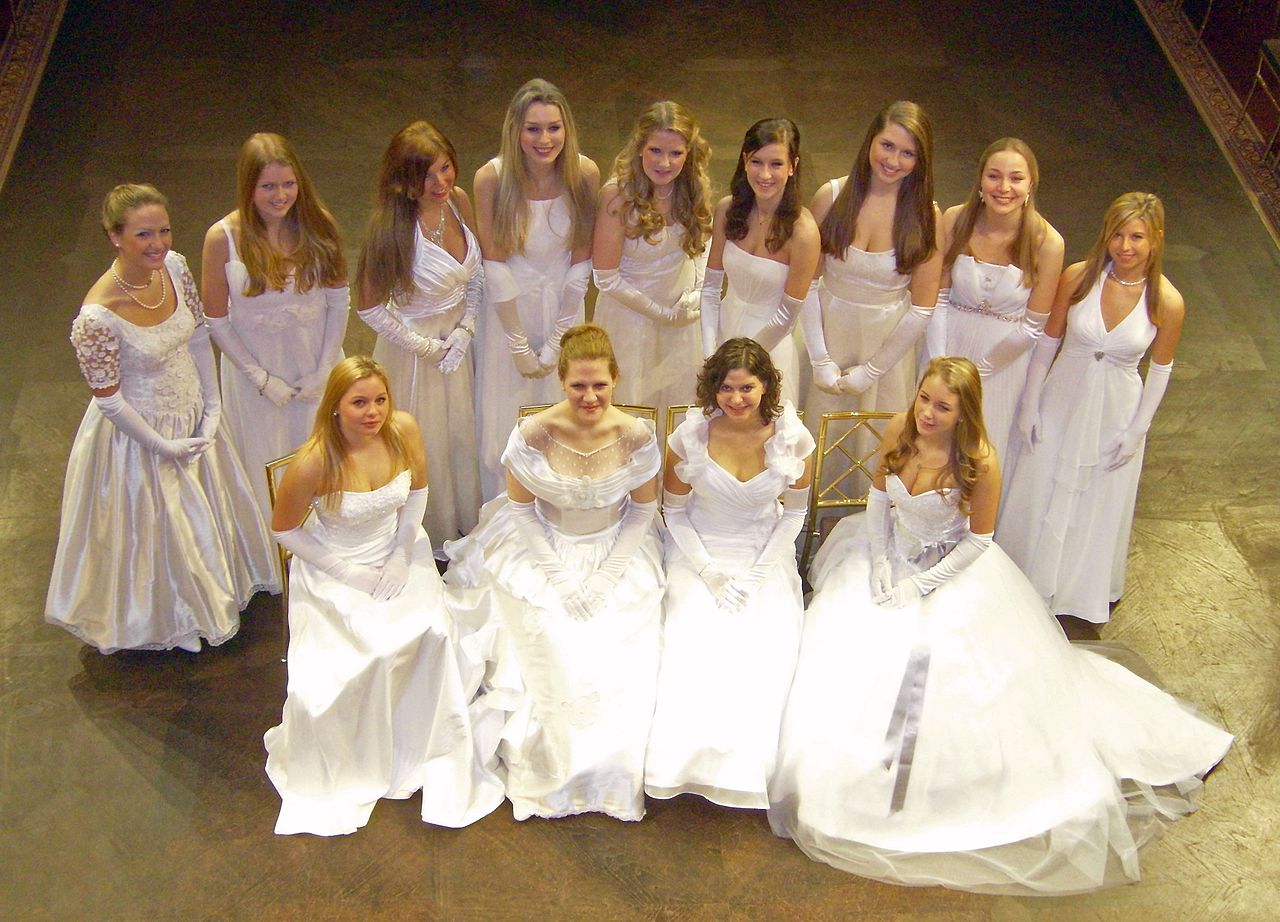
Debutante ball traditions vary depending on the culture and location, but certain customs are widely observed. The debutante typically wears a white or pastel-colored gown, symbolizing purity and innocence. The event often features a live music performance, such as a orchestra or band, and the debutante is expected to dance with a series of partners, including her father and other male relatives. As explained by protocol expert, Letitia Baldrige, the rules and customs surrounding debutante balls are designed to promote respect, courtesy, and etiquette. The tradition has been influenced by various social and cultural factors, including fashion and music trends.
🌎 Global Debutante Balls
Debutante balls are not unique to any one culture or region, with similar events taking place around the world. In the United Kingdom, debutante balls are known as 'coming-out' parties, while in France, they are referred to as 'bal des débutantes'. The tradition has been adopted by many countries, including Australia, Canada, and India. As noted by sociologist, Pierre Bourdieu, the debutante ball is a way for families to demonstrate their social status and connections, while also reinforcing social hierarchies. The event is often seen as a way to promote cultural exchange and understanding between different societies.
📊 The Economics of Debutante Balls
The economics of debutante balls are significant, with families often spending large sums of money to host these events. The cost of a debutante ball can range from tens of thousands to hundreds of thousands of dollars, depending on the location, guest list, and level of extravagance. As reported by Forbes magazine, the average cost of a debutante ball in the United States is around $100,000. The event is often seen as a way for families to invest in their daughter's future, with the goal of securing a advantageous marriage and social connections. The tradition has been influenced by various economic factors, including wealth and income inequality.
🔥 Criticisms and Controversies
Debutante balls have been the subject of various criticisms and controversies over the years. Some have argued that the tradition is outdated and sexist, with the debutante being presented as a commodity to be married off to the highest bidder. As noted by feminist critic, Germaine Greer, the debutante ball is a way for society to reinforce patriarchal values and limit women's choices. Others have criticized the event for its exclusivity and lack of diversity, with only a select group of families able to participate. The tradition has been influenced by various social and cultural factors, including media coverage and public opinion.
🕴️ The Future of Debutante Balls
The future of debutante balls is uncertain, with some arguing that the tradition is dying out. As reported by The New York Times, the number of debutante balls has declined significantly in recent years, with many families opting for more low-key and informal events. However, others argue that the tradition is evolving and adapting to changing social and cultural norms. As noted by event planner, David Tutera, the debutante ball is still a popular and relevant event, with many families seeking to create a unique and memorable experience for their daughters. The tradition has been influenced by various social and cultural factors, including technology and social media.
👋 Conclusion
In conclusion, debutante balls are a complex and multifaceted tradition, with a rich history and cultural significance. While the event has been criticized for its exclusivity and sexism, it remains a popular and enduring part of high-society culture. As noted by sociologist, Émile Durkheim, the debutante ball is a way for society to reinforce social norms and values, while also providing a platform for families to showcase their wealth and status. The tradition has been influenced by various social and cultural factors, including fashion and music trends, and continues to evolve and adapt to changing social and cultural norms.
Key Facts
- Year
- 1780
- Origin
- Europe
- Category
- Society and Culture
- Type
- Social Event
Frequently Asked Questions
What is a debutante ball?
A debutante ball is a formal event where a young woman from an aristocratic or upper-class family is presented to society, marking her transition from adolescence to adulthood. The tradition is closely tied to the idea of marriage and the pursuit of suitable husbands within a select social circle. As explained by etiquette expert, Emily Post, the primary purpose of a debutante ball is to present a young woman to potential suitors and their families.
What is the history of debutante balls?
The history of debutante balls dates back to the 17th century, when young women from noble families were presented to royal courts as potential brides. Over time, the tradition evolved and spread to other parts of the world, including the United States. As noted by historian, Caroline Weston, the debutante ball was a way for families to showcase their wealth and status, while also securing advantageous marriages for their daughters.
What is the purpose of a debutante ball?
The primary purpose of a debutante ball is to present a young woman to potential suitors and their families, with the goal of securing a advantageous marriage and social connections. As reported by Forbes magazine, the average cost of a debutante ball in the United States is around $100,000. The event is often seen as a way for families to invest in their daughter's future, while also reinforcing social hierarchies and class divisions.
What are the criticisms of debutante balls?
Debutante balls have been criticized for perpetuating social hierarchies and reinforcing class divisions. The tradition is seen as exclusive and elitist, with only a select group of families able to participate. As argued by sociologist, Karl Marx, the debutante ball is a way for the ruling class to maintain their power and status, while excluding others from the social elite.
What is the future of debutante balls?
The future of debutante balls is uncertain, with some arguing that the tradition is dying out. However, others argue that the tradition is evolving and adapting to changing social and cultural norms. As noted by event planner, David Tutera, the debutante ball is still a popular and relevant event, with many families seeking to create a unique and memorable experience for their daughters.
What is the cultural significance of debutante balls?
Debutante balls have a rich cultural significance, with the tradition being closely tied to the idea of marriage and the pursuit of suitable husbands within a select social circle. The event is often seen as a way for society to reinforce social norms and values, while also providing a platform for families to showcase their wealth and status. As noted by sociologist, Émile Durkheim, the debutante ball is a way for society to reinforce social hierarchies and class divisions.
How have debutante balls evolved over time?
Debutante balls have evolved significantly over time, with the tradition adapting to changing social and cultural norms. As reported by The New York Times, the number of debutante balls has declined significantly in recent years, with many families opting for more low-key and informal events. However, others argue that the tradition is still relevant and popular, with many families seeking to create a unique and memorable experience for their daughters.
👫 Social Hierarchy and Debutante Balls
Debutante balls are often criticized for perpetuating social hierarchies and reinforcing class divisions. The tradition is seen as exclusive and elitist, with only a select group of families able to participate. As argued by sociologist, Karl Marx, the debutante ball is a way for the ruling class to maintain their power and status, while excluding others from the social elite. The event is often seen as a symbol of wealth and privilege, with the debutante and her family showcasing their opulence and extravagance. The tradition has been influenced by various social and cultural factors, including feminism and changing attitudes towards women's rights.