
Contents
- 🌊 Introduction to Desalination
- 💧 History of Desalination
- 🌴 Desalination Techniques
- 🚧 Thermal Desalination Methods
- 💡 Membrane Desalination Methods
- 🌊 Reverse Osmosis Desalination
- 📊 Environmental Impact of Desalination
- 🌈 Economic Viability of Desalination
- 🌎 Global Desalination Market
- 🚨 Challenges and Limitations of Desalination
- 🔍 Future of Desalination
- 📚 Conclusion
- Frequently Asked Questions
- Related Topics
Overview
Desalination, a process that has been around since ancient Greece, has become a vital component in addressing global water scarcity, with over 20,000 desalination plants operating worldwide, producing more than 100 million cubic meters of freshwater daily. However, the high energy costs and environmental concerns associated with desalination, such as marine life disruption and chemical intake, have sparked intense debates among scientists, policymakers, and environmentalists. The historian's lens reveals that the first large-scale desalination plant was built in 1961 in Kuwait, while the skeptic's perspective questions the long-term sustainability of this approach. From an engineering standpoint, desalination involves either distillation or reverse osmosis, with the latter being the more prevalent method, accounting for nearly 60% of global capacity. As the world's population is projected to reach 9.7 billion by 2050, the demand for freshwater will continue to rise, making desalination a critical, albeit contentious, solution. With a vibe score of 7, indicating moderate cultural energy, desalination remains a topic of significant interest and concern, with influence flows tracing back to key figures like Sidney Loeb, who pioneered the development of reverse osmosis membranes in the 1950s.
🌊 Introduction to Desalination
Desalination is the artificial process by which salt water is converted to fresh water. More generally, desalination is the removal of salts and minerals from a substance. It is possible to desalinate saltwater, especially sea water, to produce water for human consumption or irrigation, producing brine as a by-product. The process of desalination has been used for centuries, with early methods including boiling and distillation. Today, desalination is a crucial technology for providing drinking water to millions of people around the world. According to the International Desalination Association, there are over 20,000 desalination plants worldwide, producing more than 100 million cubic meters of fresh water per day. For more information on desalination, visit the Desalination Wikipedia page.
💧 History of Desalination
The history of desalination dates back to ancient civilizations, where people used simple methods to remove salt from seawater. The first recorded desalination plant was built in 1790 on the island of Curaçao, using a distillation process to produce fresh water. Over the years, desalination technologies have evolved, with the introduction of new methods such as reverse osmosis and electrodialysis. Today, desalination is a vital technology for providing fresh water to communities around the world, particularly in areas where water scarcity is a significant issue. For example, the City of Perth in Australia relies heavily on desalination for its drinking water supply. Learn more about the history of desalination and its impact on water management.
🌴 Desalination Techniques
There are several desalination techniques used today, each with its own advantages and disadvantages. Thermal desalination methods, such as multi-stage flash distillation and multi-effect distillation, use heat to evaporate the water, leaving the salt behind. Membrane desalination methods, such as reverse osmosis and nanofiltration, use semi-permeable membranes to separate the salt from the water. Other methods, such as electrodialysis and electrodialysis reversal, use electrical currents to remove the salt. The choice of desalination technique depends on various factors, including the water quality and the energy availability. For more information on desalination techniques, visit the Desalination Techniques page.
🚧 Thermal Desalination Methods
Thermal desalination methods are some of the oldest and most widely used desalination techniques. These methods use heat to evaporate the water, leaving the salt behind. Multi-stage flash distillation is one of the most common thermal desalination methods, where the seawater is heated and then flashed into a series of vessels, where the water evaporates and the salt is removed. Another thermal desalination method is multi-effect distillation, where the seawater is heated and then passed through a series of vessels, where the water evaporates and the salt is removed. Thermal desalination methods are energy-intensive and can have a significant environmental impact. However, they are still widely used in many parts of the world, particularly in areas where energy availability is not a concern. Learn more about thermal desalination and its applications.
💡 Membrane Desalination Methods
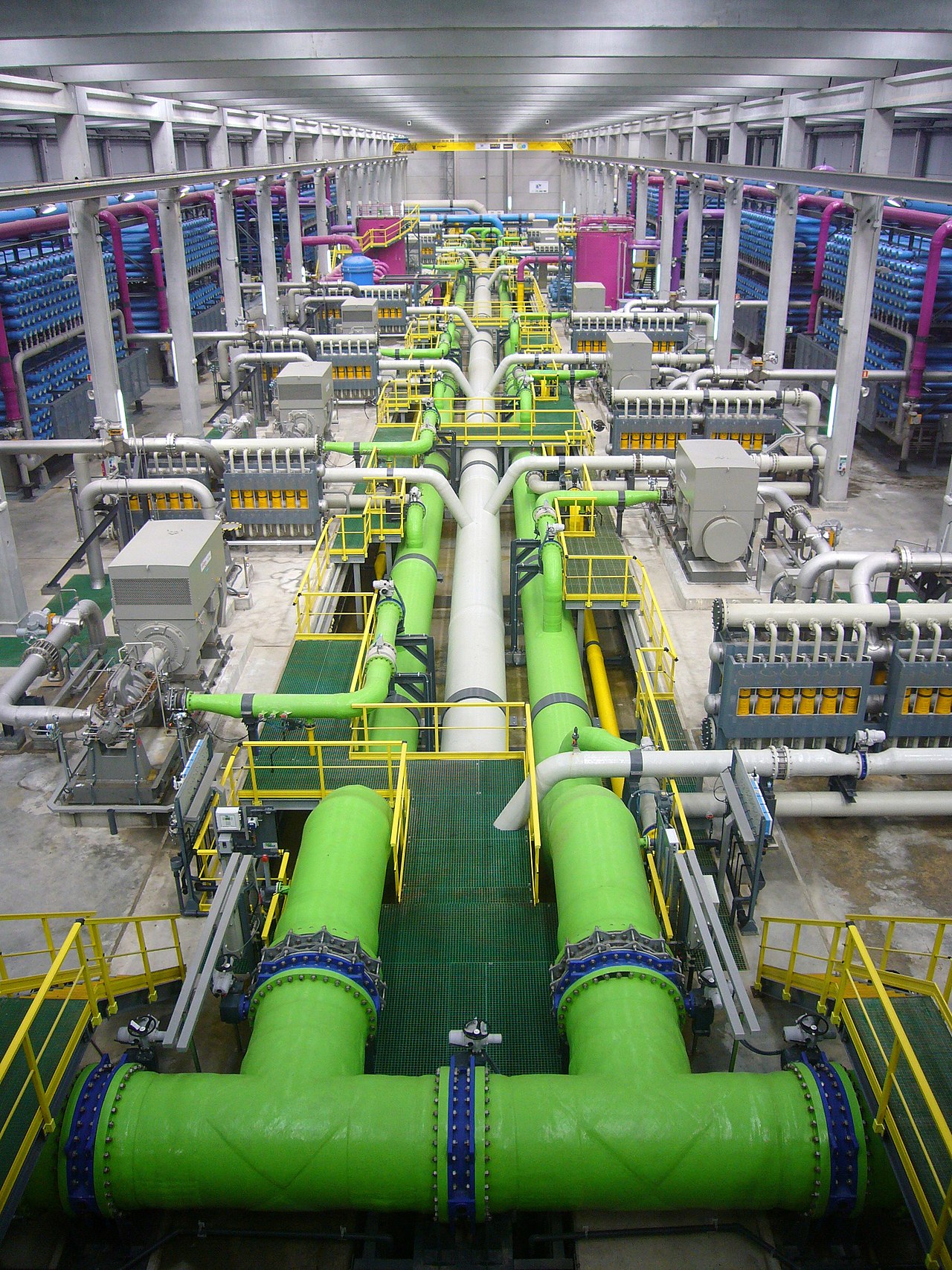
Membrane desalination methods are another type of desalination technique that uses semi-permeable membranes to separate the salt from the water. Reverse osmosis is one of the most common membrane desalination methods, where the seawater is forced through a semi-permeable membrane, which removes the salt and other impurities. Another membrane desalination method is nanofiltration, where the seawater is passed through a semi-permeable membrane with smaller pores, which removes the salt and other impurities. Membrane desalination methods are more energy-efficient than thermal desalination methods and can produce higher-quality water. However, they can be more expensive to install and maintain. For more information on membrane desalination, visit the Membrane Desalination page.
🌊 Reverse Osmosis Desalination
Reverse osmosis desalination is a type of membrane desalination method that uses a semi-permeable membrane to separate the salt from the water. The process involves forcing the seawater through the membrane, which removes the salt and other impurities. Reverse osmosis desalination is a popular method for desalination because it is energy-efficient and can produce high-quality water. However, it can be expensive to install and maintain, and the membranes can be prone to fouling and scaling. Reverse osmosis desalination is widely used in many parts of the world, particularly in areas where water scarcity is a significant issue. Learn more about reverse osmosis and its applications in desalination.
📊 Environmental Impact of Desalination
The environmental impact of desalination is a significant concern, particularly in areas where water scarcity is a significant issue. Desalination plants can have a significant impact on the marine environment, particularly if they are not designed and operated properly. The intake of seawater can harm marine life, and the discharge of brine can affect the water quality. Additionally, desalination plants can be energy-intensive and contribute to greenhouse gas emissions. However, many desalination plants are now being designed and operated with environmental sustainability in mind, using techniques such as renewable energy and waste minimization. For more information on the environmental impact of desalination, visit the Environmental Impact of Desalination page.
🌈 Economic Viability of Desalination
The economic viability of desalination is a significant factor in the decision to use desalination as a means of providing fresh water. The cost of desalination can be high, particularly if the desalination plant is not designed and operated efficiently. However, the cost of desalination can be offset by the benefits of providing fresh water to communities, particularly in areas where water scarcity is a significant issue. Additionally, desalination can provide a reliable source of water, which can be essential for agriculture, industry, and human consumption. Many countries are now investing in desalination as a means of providing fresh water, particularly in areas where water scarcity is a significant issue. Learn more about the economic viability of desalination and its impact on water management.
🌎 Global Desalination Market
The global desalination market is growing rapidly, driven by the increasing demand for fresh water in areas where water scarcity is a significant issue. The market is expected to continue to grow in the coming years, driven by the increasing demand for fresh water and the decreasing cost of desalination technologies. Many countries are now investing in desalination as a means of providing fresh water, particularly in areas where water scarcity is a significant issue. The global desalination market is dominated by a few large players, including Samsung and GE. However, there are many smaller players in the market, including startups and small and medium-sized enterprises. For more information on the global desalination market, visit the Global Desalination Market page.
🚨 Challenges and Limitations of Desalination
Despite the many benefits of desalination, there are also several challenges and limitations to the technology. One of the main challenges is the high energy cost of desalination, which can make it expensive to operate. Another challenge is the environmental impact of desalination, particularly if the desalination plant is not designed and operated properly. Additionally, desalination can be prone to fouling and scaling, which can reduce the efficiency of the plant. However, many of these challenges can be addressed through the use of renewable energy and waste minimization techniques. Learn more about the challenges and limitations of desalination and how they can be addressed.
🔍 Future of Desalination
The future of desalination is likely to be shaped by advances in technology and changes in the global water market. One of the main trends in the desalination industry is the increasing use of renewable energy and waste minimization techniques. Another trend is the increasing use of membrane desalination methods, which are more energy-efficient and can produce higher-quality water. Additionally, there is a growing interest in the use of desalination for agriculture and industry, particularly in areas where water scarcity is a significant issue. For more information on the future of desalination, visit the Future of Desalination page.
📚 Conclusion
In conclusion, desalination is a vital technology for providing fresh water to communities around the world, particularly in areas where water scarcity is a significant issue. While there are several challenges and limitations to the technology, many of these can be addressed through the use of renewable energy and waste minimization techniques. As the global water market continues to evolve, it is likely that desalination will play an increasingly important role in providing fresh water to communities around the world. Learn more about desalination and its impact on water management.
Key Facts
- Year
- 1961
- Origin
- Greece
- Category
- Environmental Technology
- Type
- Technological Process
Frequently Asked Questions
What is desalination?
Desalination is the artificial process by which salt water is converted to fresh water. It is possible to desalinate saltwater, especially sea water, to produce water for human consumption or irrigation, producing brine as a by-product. Desalination is a vital technology for providing fresh water to communities around the world, particularly in areas where water scarcity is a significant issue. For more information on desalination, visit the Desalination page.
What are the different types of desalination techniques?
There are several desalination techniques used today, each with its own advantages and disadvantages. Thermal desalination methods, such as multi-stage flash distillation and multi-effect distillation, use heat to evaporate the water, leaving the salt behind. Membrane desalination methods, such as reverse osmosis and nanofiltration, use semi-permeable membranes to separate the salt from the water. Other methods, such as electrodialysis and electrodialysis reversal, use electrical currents to remove the salt. Learn more about desalination techniques and their applications.
What is the environmental impact of desalination?
The environmental impact of desalination is a significant concern, particularly in areas where water scarcity is a significant issue. Desalination plants can have a significant impact on the marine environment, particularly if they are not designed and operated properly. The intake of seawater can harm marine life, and the discharge of brine can affect the water quality. Additionally, desalination plants can be energy-intensive and contribute to greenhouse gas emissions. However, many desalination plants are now being designed and operated with environmental sustainability in mind, using techniques such as renewable energy and waste minimization. For more information on the environmental impact of desalination, visit the Environmental Impact of Desalination page.
What is the economic viability of desalination?
The economic viability of desalination is a significant factor in the decision to use desalination as a means of providing fresh water. The cost of desalination can be high, particularly if the desalination plant is not designed and operated efficiently. However, the cost of desalination can be offset by the benefits of providing fresh water to communities, particularly in areas where water scarcity is a significant issue. Additionally, desalination can provide a reliable source of water, which can be essential for agriculture, industry, and human consumption. Learn more about the economic viability of desalination and its impact on water management.
What is the future of desalination?
The future of desalination is likely to be shaped by advances in technology and changes in the global water market. One of the main trends in the desalination industry is the increasing use of renewable energy and waste minimization techniques. Another trend is the increasing use of membrane desalination methods, which are more energy-efficient and can produce higher-quality water. Additionally, there is a growing interest in the use of desalination for agriculture and industry, particularly in areas where water scarcity is a significant issue. For more information on the future of desalination, visit the Future of Desalination page.
What are the challenges and limitations of desalination?
Despite the many benefits of desalination, there are also several challenges and limitations to the technology. One of the main challenges is the high energy cost of desalination, which can make it expensive to operate. Another challenge is the environmental impact of desalination, particularly if the desalination plant is not designed and operated properly. Additionally, desalination can be prone to fouling and scaling, which can reduce the efficiency of the plant. However, many of these challenges can be addressed through the use of renewable energy and waste minimization techniques. Learn more about the challenges and limitations of desalination and how they can be addressed.
How does desalination work?
Desalination is the artificial process by which salt water is converted to fresh water. It is possible to desalinate saltwater, especially sea water, to produce water for human consumption or irrigation, producing brine as a by-product. The process of desalination involves the removal of salt and other impurities from the water, using techniques such as thermal desalination, membrane desalination, or electrodialysis. Learn more about desalination and its applications.