
Contents
- 🤖 Introduction to Digital Cognition
- 💻 The Evolution of Artificial Intelligence
- 📊 Machine Learning and Deep Learning
- 🤝 Human-Machine Collaboration
- 📈 The Future of Work and Automation
- 🚀 Cognitive Architectures and Frameworks
- 🔒 Ethics and Bias in Digital Cognition
- 📊 Applications of Digital Cognition
- 📈 The Economic Impact of Digital Cognition
- 🤝 The Role of Education in Digital Cognition
- 🚀 The Future of Digital Cognition
- Frequently Asked Questions
- Related Topics
Overview
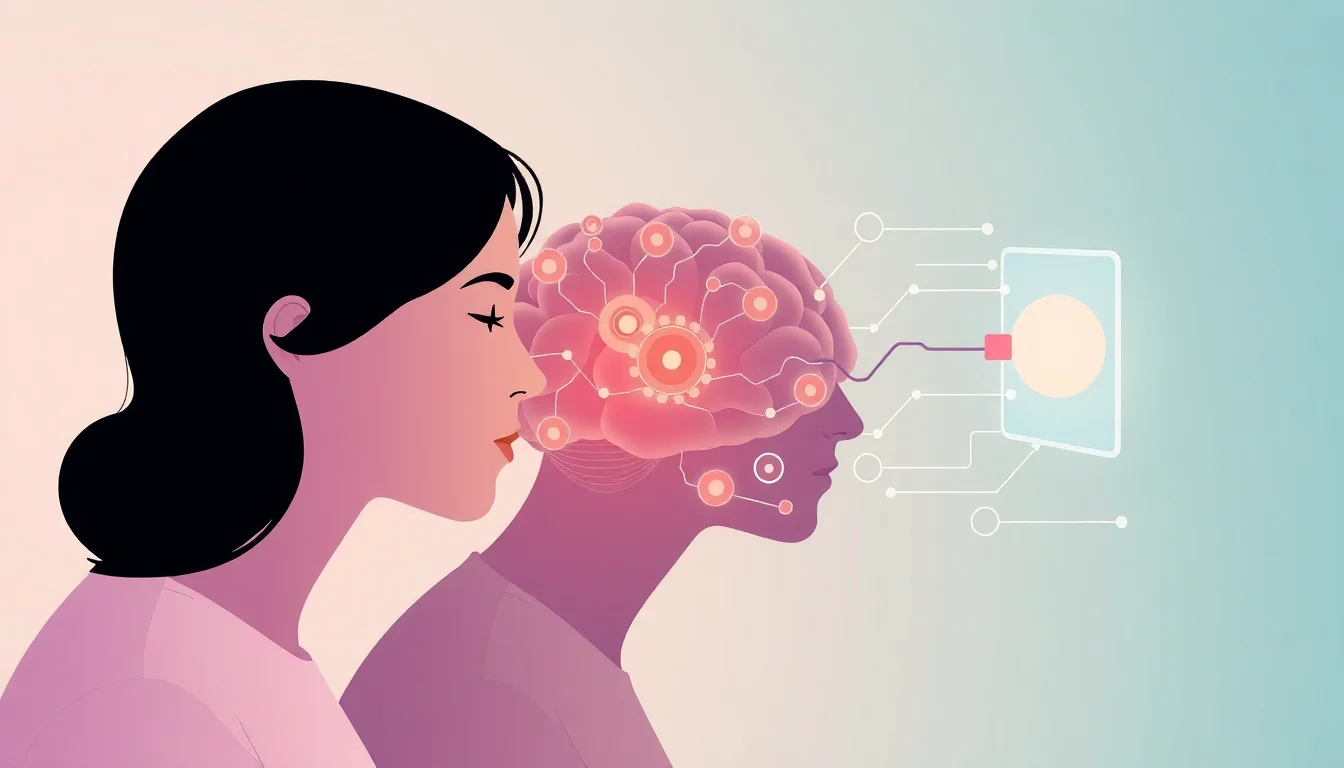
Digital cognition refers to the multidisciplinary study of how humans process information in the digital age, and how computers can be designed to augment and simulate human cognition. This field has its roots in the 1950s, with the dawn of artificial intelligence, and has since evolved to incorporate insights from psychology, neuroscience, computer science, and philosophy. Researchers like Alan Turing, Marvin Minsky, and Douglas Engelbart have laid the groundwork for modern digital cognition, which encompasses topics such as human-computer interaction, cognitive computing, and artificial general intelligence. As digital technologies continue to permeate every aspect of life, understanding digital cognition is crucial for designing more intuitive, user-friendly, and intelligent systems. The field is not without controversy, however, with debates surrounding the ethics of AI development, the impact of digital media on human attention and cognition, and the potential risks of creating autonomous machines that surpass human intelligence. With a vibe score of 8, digital cognition is an area of high cultural energy, with significant implications for the future of work, education, and human society.
🤖 Introduction to Digital Cognition
Digital cognition refers to the development of artificial intelligence (AI) systems that can simulate human thought processes, including Artificial Intelligence and Machine Learning. The field of digital cognition has gained significant attention in recent years, with the potential to revolutionize various industries such as healthcare, finance, and education. According to Andrew Ng, a leading expert in AI, the future of work will be heavily influenced by the development of digital cognition. The Stanford University has been at the forefront of research in digital cognition, with a focus on developing more advanced AI systems.
💻 The Evolution of Artificial Intelligence
The evolution of artificial intelligence has been a long and winding road, with significant advancements in recent years. The development of Deep Learning algorithms has enabled AI systems to learn from large datasets and improve their performance over time. According to Demis Hassabis, co-founder of DeepMind, the development of AI has the potential to solve some of the world's most complex problems. The MIT CSAIL has been a leading research institution in the development of AI, with a focus on developing more advanced AI systems. The Google Brain team has also made significant contributions to the development of AI, with a focus on developing more advanced Natural Language Processing systems.
📊 Machine Learning and Deep Learning
Machine learning and deep learning are key components of digital cognition, enabling AI systems to learn from data and improve their performance over time. According to Yann LeCun, director of AI Research at Facebook, the development of AI has the potential to revolutionize various industries. The Caltech has been at the forefront of research in machine learning and deep learning, with a focus on developing more advanced AI systems. The TensorFlow framework has been widely adopted in the development of AI systems, with a focus on developing more advanced Computer Vision systems. The PyTorch framework has also gained significant attention in recent years, with a focus on developing more advanced AI systems.
🤝 Human-Machine Collaboration
Human-machine collaboration is a critical component of digital cognition, enabling humans and AI systems to work together to solve complex problems. According to Fei-Fei Li, director of the Stanford AI Lab, the development of AI has the potential to revolutionize various industries. The Harvard University has been at the forefront of research in human-machine collaboration, with a focus on developing more advanced AI systems. The IBM Watson platform has been widely adopted in various industries, with a focus on developing more advanced AI systems. The Microsoft AI platform has also gained significant attention in recent years, with a focus on developing more advanced AI systems.
📈 The Future of Work and Automation
The future of work and automation is a critical component of digital cognition, with the potential to revolutionize various industries. According to Andrew McAfee, co-founder of the MIT Initiative, the development of AI has the potential to automate many jobs. The Oxford University has been at the forefront of research in the future of work and automation, with a focus on developing more advanced AI systems. The World Economic Forum has also gained significant attention in recent years, with a focus on developing more advanced AI systems. The G20 has also recognized the importance of digital cognition, with a focus on developing more advanced AI systems.
🚀 Cognitive Architectures and Frameworks
Cognitive architectures and frameworks are critical components of digital cognition, enabling AI systems to simulate human thought processes. According to John McCarthy, a leading expert in AI, the development of cognitive architectures and frameworks has the potential to revolutionize various industries. The Carnegie Mellon University has been at the forefront of research in cognitive architectures and frameworks, with a focus on developing more advanced AI systems. The SOAR Cognitive Architecture has been widely adopted in various industries, with a focus on developing more advanced AI systems. The ACT-R Cognitive Architecture has also gained significant attention in recent years, with a focus on developing more advanced AI systems.
🔒 Ethics and Bias in Digital Cognition
Ethics and bias in digital cognition are critical components of the field, with the potential to have significant impacts on society. According to Kate Crawford, a leading expert in AI ethics, the development of AI has the potential to perpetuate existing biases. The Harvard University has been at the forefront of research in AI ethics, with a focus on developing more advanced AI systems. The MIT CSAIL has also gained significant attention in recent years, with a focus on developing more advanced AI systems. The AI Now Institute has been widely adopted in various industries, with a focus on developing more advanced AI systems.
📊 Applications of Digital Cognition
Applications of digital cognition are numerous, with the potential to revolutionize various industries. According to Jeff Dean, a leading expert in AI, the development of AI has the potential to solve some of the world's most complex problems. The Google Brain team has been at the forefront of research in AI applications, with a focus on developing more advanced AI systems. The Stanford University has also gained significant attention in recent years, with a focus on developing more advanced AI systems. The Amazon Alexa platform has been widely adopted in various industries, with a focus on developing more advanced AI systems.
📈 The Economic Impact of Digital Cognition
The economic impact of digital cognition is significant, with the potential to revolutionize various industries. According to McKinsey, the development of AI has the potential to increase productivity by up to 40%. The World Bank has been at the forefront of research in the economic impact of AI, with a focus on developing more advanced AI systems. The IMF has also gained significant attention in recent years, with a focus on developing more advanced AI systems. The G20 has also recognized the importance of digital cognition, with a focus on developing more advanced AI systems.
🤝 The Role of Education in Digital Cognition
The role of education in digital cognition is critical, with the potential to develop more advanced AI systems. According to Sal Khan, founder of Khan Academy, the development of AI has the potential to revolutionize education. The MIT University has been at the forefront of research in AI education, with a focus on developing more advanced AI systems. The Stanford University has also gained significant attention in recent years, with a focus on developing more advanced AI systems. The Coursera platform has been widely adopted in various industries, with a focus on developing more advanced AI systems.
🚀 The Future of Digital Cognition
The future of digital cognition is exciting, with the potential to revolutionize various industries. According to Nick Bostrom, director of the Future of Humanity Institute, the development of AI has the potential to solve some of the world's most complex problems. The Oxford University has been at the forefront of research in the future of AI, with a focus on developing more advanced AI systems. The Cambridge University has also gained significant attention in recent years, with a focus on developing more advanced AI systems. The Singularity Institute has been widely adopted in various industries, with a focus on developing more advanced AI systems.
Key Facts
- Year
- 1950
- Origin
- Stanford Research Institute
- Category
- Artificial Intelligence
- Type
- Concept
Frequently Asked Questions
What is digital cognition?
Digital cognition refers to the development of artificial intelligence (AI) systems that can simulate human thought processes. According to Andrew Ng, the future of work will be heavily influenced by the development of digital cognition. The Stanford University has been at the forefront of research in digital cognition, with a focus on developing more advanced AI systems. The MIT CSAIL has also made significant contributions to the development of AI, with a focus on developing more advanced AI systems.
What are the applications of digital cognition?
Applications of digital cognition are numerous, with the potential to revolutionize various industries. According to Jeff Dean, the development of AI has the potential to solve some of the world's most complex problems. The Google Brain team has been at the forefront of research in AI applications, with a focus on developing more advanced AI systems. The Stanford University has also gained significant attention in recent years, with a focus on developing more advanced AI systems.
What is the economic impact of digital cognition?
The economic impact of digital cognition is significant, with the potential to revolutionize various industries. According to McKinsey, the development of AI has the potential to increase productivity by up to 40%. The World Bank has been at the forefront of research in the economic impact of AI, with a focus on developing more advanced AI systems. The IMF has also gained significant attention in recent years, with a focus on developing more advanced AI systems.
What is the role of education in digital cognition?
The role of education in digital cognition is critical, with the potential to develop more advanced AI systems. According to Sal Khan, the development of AI has the potential to revolutionize education. The MIT University has been at the forefront of research in AI education, with a focus on developing more advanced AI systems. The Stanford University has also gained significant attention in recent years, with a focus on developing more advanced AI systems.
What is the future of digital cognition?
The future of digital cognition is exciting, with the potential to revolutionize various industries. According to Nick Bostrom, the development of AI has the potential to solve some of the world's most complex problems. The Oxford University has been at the forefront of research in the future of AI, with a focus on developing more advanced AI systems. The Cambridge University has also gained significant attention in recent years, with a focus on developing more advanced AI systems.
What are the challenges of digital cognition?
The challenges of digital cognition are numerous, with the potential to have significant impacts on society. According to Kate Crawford, the development of AI has the potential to perpetuate existing biases. The Harvard University has been at the forefront of research in AI ethics, with a focus on developing more advanced AI systems. The MIT CSAIL has also gained significant attention in recent years, with a focus on developing more advanced AI systems.
What is the relationship between digital cognition and artificial intelligence?
Digital cognition is a subfield of artificial intelligence, with a focus on developing AI systems that can simulate human thought processes. According to Andrew Ng, the future of work will be heavily influenced by the development of digital cognition. The Stanford University has been at the forefront of research in digital cognition, with a focus on developing more advanced AI systems. The MIT CSAIL has also made significant contributions to the development of AI, with a focus on developing more advanced AI systems.