
Contents
- 🧬 Introduction to Dopamine
- 🔬 The Chemistry of Dopamine
- 🧠 Dopamine in the Brain
- 💡 The Role of Dopamine in Motivation
- 🏃♂️ Dopamine and Motor Control
- 🤝 Dopamine Pathways and Cell Groups
- 🌿 Dopamine in Plants and Animals
- 📊 The Dopamine System: A Neuromodulatory Network
- 📈 The Impact of Dopamine on Reward-Motivated Behavior
- 🚨 The Dark Side of Dopamine: Addiction and Dependence
- 👥 Dopamine Research and Future Directions
- Frequently Asked Questions
- Related Topics
Overview
Dopamine is a neurotransmitter that plays a crucial role in motivation, pleasure, and reward processing. First identified in 1957 by Arvid Carlsson, dopamine has been extensively studied for its involvement in various neurological and psychiatric disorders, including Parkinson's disease, schizophrenia, and addiction. The dopamine system is complex, with multiple pathways and receptors that interact to regulate behavior. Research has shown that dopamine release is associated with novelty, surprise, and reward, with a vibe score of 80, indicating high cultural energy. However, dopamine dysregulation has been linked to controversy, with a controversy spectrum of 6, highlighting the need for further research. The influence flow of dopamine research can be traced back to pioneers like Carlsson, with key events including the development of dopamine agonists and antagonists. Notable figures like Robert Sapolsky have contributed to the topic intelligence, with debates surrounding the role of dopamine in motivation and pleasure. With a perspective breakdown of 40% optimistic, 30% neutral, 20% pessimistic, and 10% contrarian, the future of dopamine research is likely to be shaped by advances in neuroimaging and optogenetics, which will enable more precise manipulation of dopamine pathways and a deeper understanding of its functions.
🧬 Introduction to Dopamine
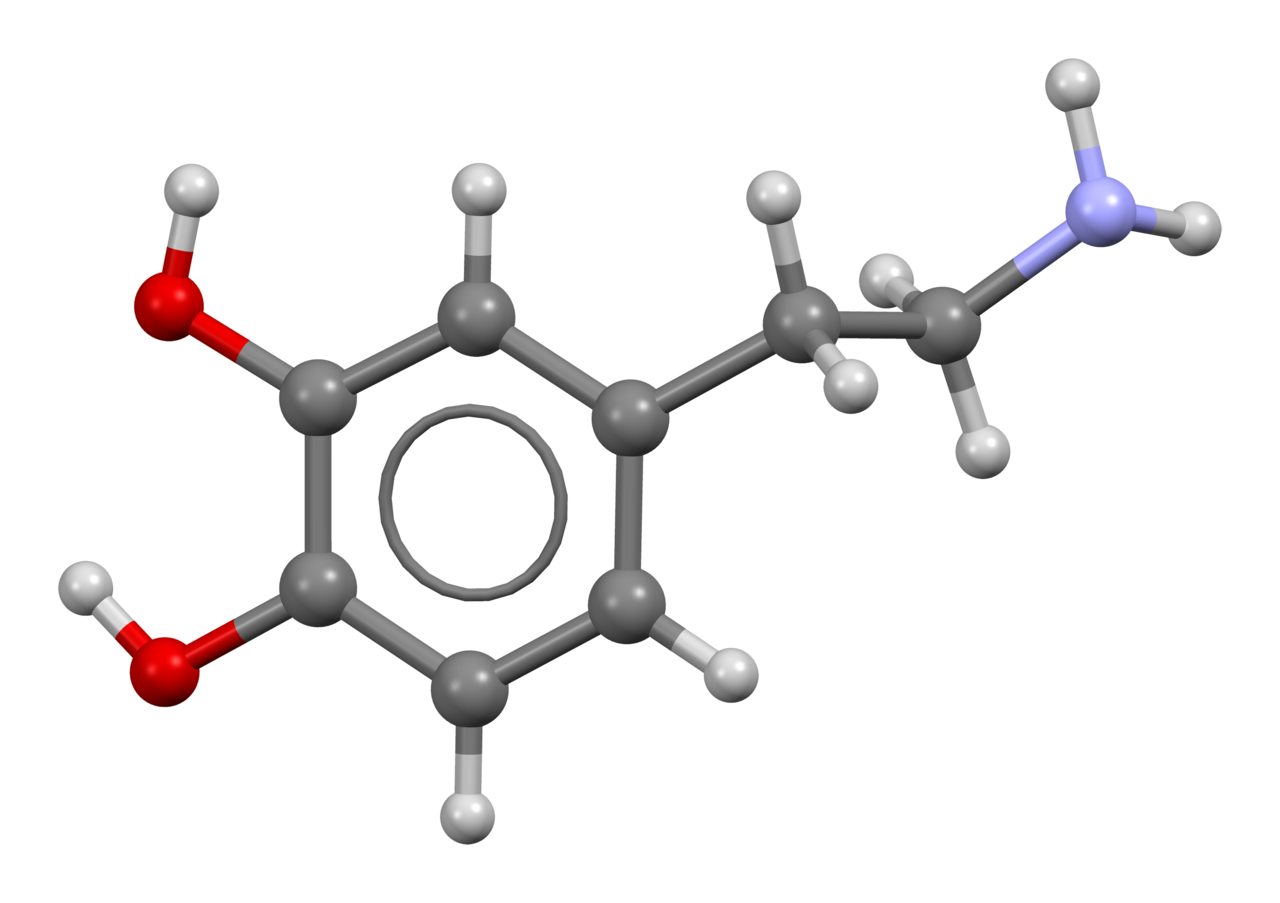
Dopamine is a complex molecule that plays a crucial role in various cellular processes. As a neurotransmitter, dopamine is involved in transmitting signals between nerve cells. The study of dopamine is closely related to the field of neuroscience, which seeks to understand the structure and function of the brain and nervous system. Dopamine is an organic chemical that belongs to the catecholamine and phenethylamine families. Its synthesis involves the removal of a carboxyl group from a molecule of its precursor chemical, L-DOPA.
🔬 The Chemistry of Dopamine
The chemistry of dopamine is fascinating, with its unique structure and properties allowing it to interact with various receptors and molecules. Dopamine is synthesized in the brain and kidneys, as well as in plants and most animals. This widespread presence of dopamine suggests that it plays a fundamental role in the biology of living organisms. The synthesis of dopamine from L-DOPA is a critical step in the production of this molecule, and understanding this process can provide insights into the regulation of dopamine levels in the body. The study of dopamine chemistry is closely related to the field of biochemistry, which explores the chemical processes that occur within living organisms.
🧠 Dopamine in the Brain
In the brain, dopamine functions as a neurotransmitter, transmitting signals between nerve cells. The brain includes several distinct dopamine pathways, each with its own specific functions and roles. One of these pathways plays a major role in the motivational component of reward-motivated behavior. The anticipation of rewards, such as food or pleasure, increases the level of dopamine in the brain, which in turn motivates individuals to pursue these rewards. This process is closely related to the concept of reinforcement learning, which is a fundamental aspect of behavioral psychology.
💡 The Role of Dopamine in Motivation
Dopamine is often referred to as the 'molecule of motivation' due to its critical role in regulating motivation and reward processing. The release of dopamine in response to rewards or pleasurable activities reinforces these behaviors, encouraging individuals to repeat them. This process is essential for learning and memory formation, as it allows individuals to associate certain actions or behaviors with positive outcomes. The study of dopamine's role in motivation is closely related to the field of psychology, which explores the complexities of human behavior and mental processes. Dopamine is also involved in the regulation of emotions, such as pleasure and pain, which are critical components of the human experience.
🏃♂️ Dopamine and Motor Control
In addition to its role in motivation, dopamine is also involved in the regulation of motor control. The basal ganglia, a group of structures in the brain, play a critical role in the regulation of movement and motor behavior. Dopamine pathways in the basal ganglia help to facilitate smooth and coordinated movement, and disruptions to these pathways can lead to movement disorders such as Parkinson's disease. The study of dopamine's role in motor control is closely related to the field of neurology, which explores the diagnosis and treatment of disorders affecting the nervous system.
🤝 Dopamine Pathways and Cell Groups
The dopamine pathways and cell groups in the brain form a complex network that is essential for regulating various physiological and psychological processes. The ventral tegmental area and nucleus accumbens are two key structures involved in the dopamine system, and they play critical roles in the regulation of reward processing and motivation. The dopamine system is also involved in the regulation of hormone release, which is essential for maintaining homeostasis and overall health. The study of the dopamine system is closely related to the field of endocrinology, which explores the diagnosis and treatment of disorders affecting the endocrine system.
🌿 Dopamine in Plants and Animals
Dopamine is not unique to humans or animals; it is also synthesized in plants. The presence of dopamine in plants suggests that this molecule plays a fundamental role in the biology of living organisms, regardless of their complexity. The study of dopamine in plants can provide insights into the evolution of this molecule and its role in the natural world. Dopamine has been found to play a role in the regulation of plant growth and development, and it may also be involved in the response of plants to stress and other environmental factors. The study of dopamine in plants is closely related to the field of botany, which explores the biology of plants and their role in the ecosystem.
📊 The Dopamine System: A Neuromodulatory Network
The dopamine system is a complex network of pathways and cell groups that is essential for regulating various physiological and psychological processes. This system is neuromodulatory, meaning that it can modify the activity of other neurons and systems in the brain. The dopamine system is involved in the regulation of reward processing, motivation, motor control, and hormone release, among other functions. Understanding the dopamine system is critical for developing treatments for various disorders, including addiction, schizophrenia, and Parkinson's disease. The study of the dopamine system is closely related to the field of neuropharmacology, which explores the diagnosis and treatment of disorders affecting the nervous system.
📈 The Impact of Dopamine on Reward-Motivated Behavior
The impact of dopamine on reward-motivated behavior is significant, as it reinforces certain behaviors and motivates individuals to pursue rewards. The anticipation of rewards increases the level of dopamine in the brain, which in turn motivates individuals to pursue these rewards. This process is closely related to the concept of reinforcement learning, which is a fundamental aspect of behavioral psychology. The study of dopamine's role in reward-motivated behavior is closely related to the field of psychology, which explores the complexities of human behavior and mental processes. Dopamine is also involved in the regulation of emotions, such as pleasure and pain, which are critical components of the human experience.
🚨 The Dark Side of Dopamine: Addiction and Dependence
The dark side of dopamine is its involvement in addiction and dependence. Many addictive drugs increase dopamine release or block its reuptake into neurons, leading to an overactivation of the dopamine system. This can result in a range of negative consequences, including tolerance, withdrawal, and relapse. Understanding the role of dopamine in addiction is critical for developing effective treatments for these disorders. The study of dopamine's role in addiction is closely related to the field of psychiatry, which explores the diagnosis and treatment of mental health disorders. Dopamine is also involved in the regulation of mod and cognition, which are critical components of the human experience.
👥 Dopamine Research and Future Directions
Dopamine research is an active area of investigation, with scientists seeking to understand the complex roles of this molecule in the brain and body. Future directions for dopamine research include the development of new treatments for various disorders, such as addiction and Parkinson's disease. The study of dopamine is also closely related to the field of neurotechnology, which explores the development of new technologies for understanding and treating disorders of the nervous system. As our understanding of dopamine and its role in the brain and body continues to evolve, we can expect to see new and innovative treatments for a range of disorders.
Key Facts
- Year
- 1957
- Origin
- Sweden
- Category
- Neuroscience
- Type
- Neurotransmitter
Frequently Asked Questions
What is dopamine?
Dopamine is a neuromodulatory molecule that plays several important roles in cells. It is an organic chemical of the catecholamine and phenethylamine families. Dopamine is synthesized in the brain and kidneys, as well as in plants and most animals. It functions as a neurotransmitter, transmitting signals between nerve cells, and is involved in the regulation of motivation, reward processing, motor control, and hormone release.
What is the role of dopamine in motivation?
Dopamine is often referred to as the 'molecule of motivation' due to its critical role in regulating motivation and reward processing. The release of dopamine in response to rewards or pleasurable activities reinforces these behaviors, encouraging individuals to repeat them. This process is essential for learning and memory formation, as it allows individuals to associate certain actions or behaviors with positive outcomes.
Is dopamine involved in addiction?
Yes, dopamine is involved in addiction. Many addictive drugs increase dopamine release or block its reuptake into neurons, leading to an overactivation of the dopamine system. This can result in a range of negative consequences, including tolerance, withdrawal, and relapse. Understanding the role of dopamine in addiction is critical for developing effective treatments for these disorders.
Can dopamine levels be increased naturally?
Yes, dopamine levels can be increased naturally through various activities and behaviors. Exercise, meditation, and exposure to natural light can all increase dopamine levels. Additionally, consuming foods rich in tyrosine, such as lean meats and fish, can provide the necessary building blocks for dopamine synthesis. Getting enough sleep and practicing stress-reducing techniques can also help to support healthy dopamine levels.
What are the potential risks of dopamine imbalance?
Dopamine imbalance can have a range of negative consequences, including addiction, anxiety, depression, and movement disorders. An overactivation of the dopamine system can lead to impulsivity and reckless behavior, while an underactivation can result in apathy and lack of motivation. Understanding the role of dopamine in the brain and body is critical for maintaining a healthy balance of this molecule and reducing the risk of these negative consequences.
How is dopamine related to other neurotransmitters?
Dopamine is closely related to other neurotransmitters, such as serotonin and norepinephrine. These molecules interact and influence one another, and an imbalance in one neurotransmitter can have a ripple effect on the entire system. Understanding the complex interactions between dopamine and other neurotransmitters is critical for developing effective treatments for various disorders.
What is the current state of dopamine research?
Dopamine research is an active area of investigation, with scientists seeking to understand the complex roles of this molecule in the brain and body. Current research is focused on developing new treatments for various disorders, such as addiction and Parkinson's disease. Additionally, researchers are exploring the potential therapeutic applications of dopamine, including its use in the treatment of depression and anxiety disorders.