
Contents
- 🌎 Introduction to the Electricity Grid
- 💡 Power Stations and Energy Sources
- 📈 Electrical Substations and Voltage Regulation
- 🚀 Electric Power Transmission and Long-Distance Delivery
- 🏠 Electric Power Distribution to Customers
- 🔌 Microgrids, Wide Area Synchronous Grids, and Super Grids
- 📊 The Power Grid and Electricity Delivery
- 💻 Smart Grids and the Future of Electricity Distribution
- 🌟 Challenges and Opportunities in the Electricity Grid
- 👥 Key Players and Stakeholders in the Electricity Grid
- 📚 Conclusion and Future Directions
- Frequently Asked Questions
- Related Topics
Overview
The electricity grid, a network of power plants, transmission lines, and distribution systems, has been the backbone of modern society since the late 19th century. The grid has evolved over time, with significant advancements in technology, including the integration of renewable energy sources and smart grid systems. However, the grid still faces numerous challenges, such as energy storage, cybersecurity threats, and the need for increased efficiency. According to the International Energy Agency (IEA), the global electricity grid will require an investment of over $14 trillion by 2050 to meet growing demand and reduce carbon emissions. The grid's future will be shaped by emerging technologies, including grid-scale batteries, electric vehicles, and advanced weather forecasting. As the world transitions to a more sustainable and decentralized energy system, the electricity grid will play a critical role in enabling the widespread adoption of renewable energy sources, with companies like Tesla and Siemens leading the charge.
🌎 Introduction to the Electricity Grid
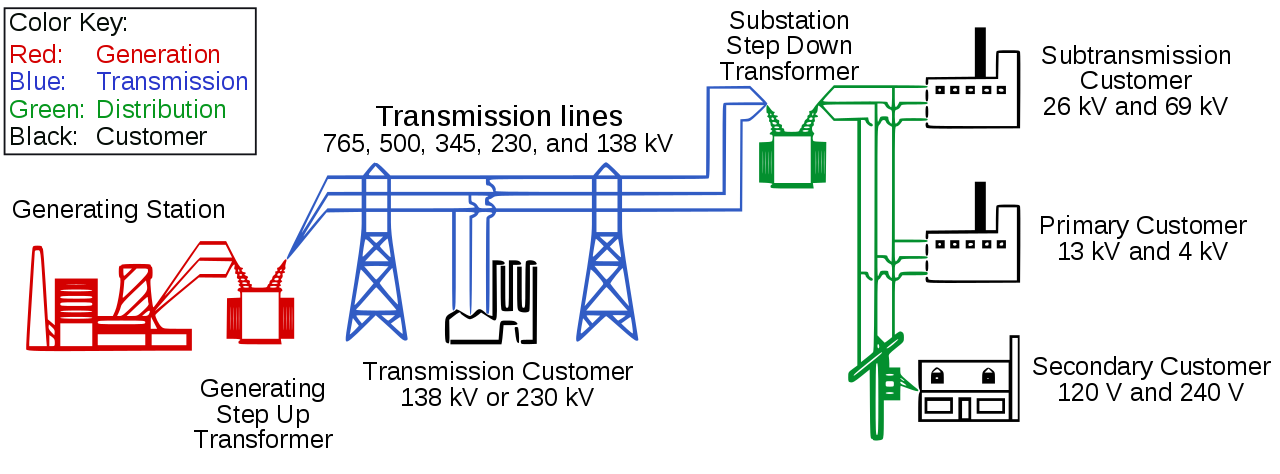
The electricity grid is a complex network of power that delivers electricity from producers to consumers. It consists of power stations, electrical substations to step voltage up or down, electric power transmission to carry power over long distances, and finally electric power distribution to customers. The grid is a critical component of modern society, and its reliability and efficiency are essential for economic growth and development. According to the International Energy Agency, the global electricity grid is expected to continue growing in size and complexity. The World Energy Council also emphasizes the importance of investing in grid infrastructure to meet increasing demand. As the grid continues to evolve, it will be important to consider the role of renewable energy sources and energy storage technologies.
💡 Power Stations and Energy Sources
Power stations are typically built close to energy sources and far from densely populated areas. This is because power stations require large amounts of land and can have negative environmental impacts. For example, coal-fired power plants are often located near coal mines, while nuclear power plants are typically built near large bodies of water. The US Department of Energy has developed guidelines for the siting and construction of power plants. As the grid continues to evolve, there will be a growing need for distributed energy resources and community-based energy initiatives. The National Renewable Energy Laboratory is conducting research on the integration of renewable energy sources into the grid.
📈 Electrical Substations and Voltage Regulation
Electrical substations play a critical role in the electricity grid, as they step voltage up or down to match the requirements of the transmission and distribution systems. High-voltage transmission lines are used to carry power over long distances, while low-voltage distribution lines are used to deliver power to customers. The Institute of Electrical and Electronics Engineers has developed standards for the design and operation of electrical substations. As the grid continues to evolve, there will be a growing need for advanced grid management systems and smart grid technologies. The Electric Power Research Institute is conducting research on the development of grid-scale energy storage systems.
🚀 Electric Power Transmission and Long-Distance Delivery
Electric power transmission is the process of carrying power over long distances from power stations to substations. This is typically done using high-voltage transmission lines, which can carry large amounts of power with minimal loss of energy. The transmission system operator is responsible for managing the flow of power across the grid. As the grid continues to evolve, there will be a growing need for advanced transmission technologies and grid-scale energy storage systems. The National Grid is investing in the development of smart grid technologies to improve the efficiency and reliability of the grid. The Federal Energy Regulatory Commission regulates the transmission of electricity across state lines.
🏠 Electric Power Distribution to Customers
Electric power distribution is the final step in the delivery of electricity to customers. This involves stepping down the voltage to the required service voltage using transformers and distribution lines. The distribution system operator is responsible for managing the flow of power to customers. As the grid continues to evolve, there will be a growing need for advanced distribution technologies and customer engagement platforms. The Smart Energy Association is promoting the development of smart grid technologies to improve the efficiency and reliability of the grid. The Energy Information Administration provides data on the distribution of electricity to customers.
🔌 Microgrids, Wide Area Synchronous Grids, and Super Grids
Microgrids, wide area synchronous grids, and super grids are all types of electrical grids that vary in size and complexity. Microgrids are small, localized grids that can operate independently of the main grid. Wide area synchronous grids are larger grids that cover entire regions or countries. Super grids are the largest grids, covering entire continents or even the entire world. The Global Energy Network is a proposed super grid that would connect the entire world. As the grid continues to evolve, there will be a growing need for international cooperation and global energy governance. The World Energy Council is promoting the development of global energy policies to support the growth of the grid.
📊 The Power Grid and Electricity Delivery
The combined transmission and distribution network is part of electricity delivery, known as the power grid. The power grid is a critical component of modern society, and its reliability and efficiency are essential for economic growth and development. According to the International Energy Agency, the global power grid is expected to continue growing in size and complexity. The US Department of Energy has developed guidelines for the management and operation of the power grid. As the grid continues to evolve, there will be a growing need for advanced grid management systems and smart grid technologies. The Electric Power Research Institute is conducting research on the development of grid-scale energy storage systems.
💻 Smart Grids and the Future of Electricity Distribution
Smart grids and the future of electricity distribution are critical components of the evolving grid. Smart grid technologies involve the use of advanced sensors, communication systems, and data analytics to manage the flow of power across the grid. The Smart Energy Association is promoting the development of smart grid technologies to improve the efficiency and reliability of the grid. As the grid continues to evolve, there will be a growing need for customer engagement platforms and energy efficiency initiatives. The National Renewable Energy Laboratory is conducting research on the integration of renewable energy sources into the grid. The Federal Energy Regulatory Commission regulates the transmission of electricity across state lines.
🌟 Challenges and Opportunities in the Electricity Grid
The electricity grid faces a number of challenges and opportunities, including the integration of renewable energy sources, the development of energy storage technologies, and the improvement of grid resilience. The US Department of Energy has developed guidelines for the integration of renewable energy sources into the grid. The Electric Power Research Institute is conducting research on the development of energy storage systems. As the grid continues to evolve, there will be a growing need for international cooperation and global energy governance. The World Energy Council is promoting the development of global energy policies to support the growth of the grid.
👥 Key Players and Stakeholders in the Electricity Grid
The electricity grid has a number of key players and stakeholders, including utilities, regulators, and customers. The Federal Energy Regulatory Commission regulates the transmission of electricity across state lines. The National Association of Regulatory Utility Commissioners promotes the development of regulatory policies to support the growth of the grid. As the grid continues to evolve, there will be a growing need for customer engagement platforms and energy efficiency initiatives. The Smart Energy Association is promoting the development of smart grid technologies to improve the efficiency and reliability of the grid.
📚 Conclusion and Future Directions
In conclusion, the electricity grid is a complex network of power that delivers electricity from producers to consumers. As the grid continues to evolve, there will be a growing need for advanced grid management systems, smart grid technologies, and customer engagement platforms. The International Energy Agency has developed guidelines for the management and operation of the grid. The US Department of Energy has developed guidelines for the integration of renewable energy sources into the grid. As the grid continues to evolve, it will be important to consider the role of renewable energy sources and energy storage technologies in supporting the growth of the grid.
Key Facts
- Year
- 1882
- Origin
- War of the Currents, United States
- Category
- Energy and Infrastructure
- Type
- Infrastructure
Frequently Asked Questions
What is the electricity grid?
The electricity grid is a complex network of power that delivers electricity from producers to consumers. It consists of power stations, electrical substations, electric power transmission lines, and electric power distribution lines. The grid is a critical component of modern society, and its reliability and efficiency are essential for economic growth and development. According to the International Energy Agency, the global electricity grid is expected to continue growing in size and complexity. The US Department of Energy has developed guidelines for the management and operation of the grid.
How does the electricity grid work?
The electricity grid works by generating electricity at power stations, transmitting it over long distances to substations, and then distributing it to customers. The grid is managed by a combination of utilities, regulators, and customers. The Federal Energy Regulatory Commission regulates the transmission of electricity across state lines. The National Association of Regulatory Utility Commissioners promotes the development of regulatory policies to support the growth of the grid.
What are the challenges facing the electricity grid?
The electricity grid faces a number of challenges, including the integration of renewable energy sources, the development of energy storage technologies, and the improvement of grid resilience. The US Department of Energy has developed guidelines for the integration of renewable energy sources into the grid. The Electric Power Research Institute is conducting research on the development of energy storage systems. As the grid continues to evolve, there will be a growing need for international cooperation and global energy governance.
What is the future of the electricity grid?
The future of the electricity grid is likely to involve the development of smart grid technologies, advanced grid management systems, and customer engagement platforms. The Smart Energy Association is promoting the development of smart grid technologies to improve the efficiency and reliability of the grid. As the grid continues to evolve, there will be a growing need for renewable energy sources and energy storage technologies to support the growth of the grid. The International Energy Agency has developed guidelines for the management and operation of the grid.
How can I get involved in the electricity grid?
There are a number of ways to get involved in the electricity grid, including working for a utility or regulator, participating in customer engagement platforms, or investing in renewable energy sources or energy storage technologies. The Smart Energy Association is promoting the development of smart grid technologies to improve the efficiency and reliability of the grid. The National Renewable Energy Laboratory is conducting research on the integration of renewable energy sources into the grid. As the grid continues to evolve, there will be a growing need for international cooperation and global energy governance.
What are the benefits of the electricity grid?
The electricity grid provides a number of benefits, including reliable and efficient delivery of electricity, support for economic growth and development, and opportunities for renewable energy sources and energy storage technologies. The International Energy Agency has developed guidelines for the management and operation of the grid. The US Department of Energy has developed guidelines for the integration of renewable energy sources into the grid. As the grid continues to evolve, there will be a growing need for advanced grid management systems and smart grid technologies.
What are the challenges of integrating renewable energy sources into the grid?
The integration of renewable energy sources into the grid poses a number of challenges, including the variability of renewable energy sources, the need for energy storage technologies, and the requirement for advanced grid management systems. The National Renewable Energy Laboratory is conducting research on the integration of renewable energy sources into the grid. The Electric Power Research Institute is conducting research on the development of energy storage systems. As the grid continues to evolve, there will be a growing need for international cooperation and global energy governance.