
Contents
- 🌟 Introduction to Empathogenic Substances
- 💡 History of Entactogens
- 🧬 Mechanism of Action
- 🌈 Types of Empathogenic Substances
- 🏥 Therapeutic Applications
- 🚨 Risks and Side Effects
- 🔬 Research and Development
- 📊 Vibe Score and Cultural Impact
- 👥 Influence and Entity Relationships
- 🤝 Controversy and Debate
- 📈 Future Prospects and Directions
- Frequently Asked Questions
- Related Topics
Overview
Empathogenic substances, also known as entactogens, are a class of psychoactive compounds that produce feelings of empathy, emotional connection, and social bonding. The most well-known empathogen is MDMA, which has been studied extensively for its potential therapeutic benefits in treating post-traumatic stress disorder (PTSD) and social anxiety. Research by Dr. Rick Doblin and the Multidisciplinary Association for Psychedelic Studies (MAPS) has shown that MDMA can increase oxytocin levels, a hormone associated with trust and bonding, and reduce activity in the amygdala, a region of the brain involved in fear and anxiety. However, the use of empathogens is not without controversy, with some critics arguing that they can be addictive and have negative effects on mental health. As of 2022, the FDA has granted breakthrough therapy status to MDMA-assisted therapy for PTSD, paving the way for potential FDA approval. With a vibe score of 8, empathogenic substances are a highly debated and rapidly evolving field of study, with many experts, including Dr. Robin Carhart-Harris, exploring their potential to revolutionize the treatment of mental health disorders.
🌟 Introduction to Empathogenic Substances
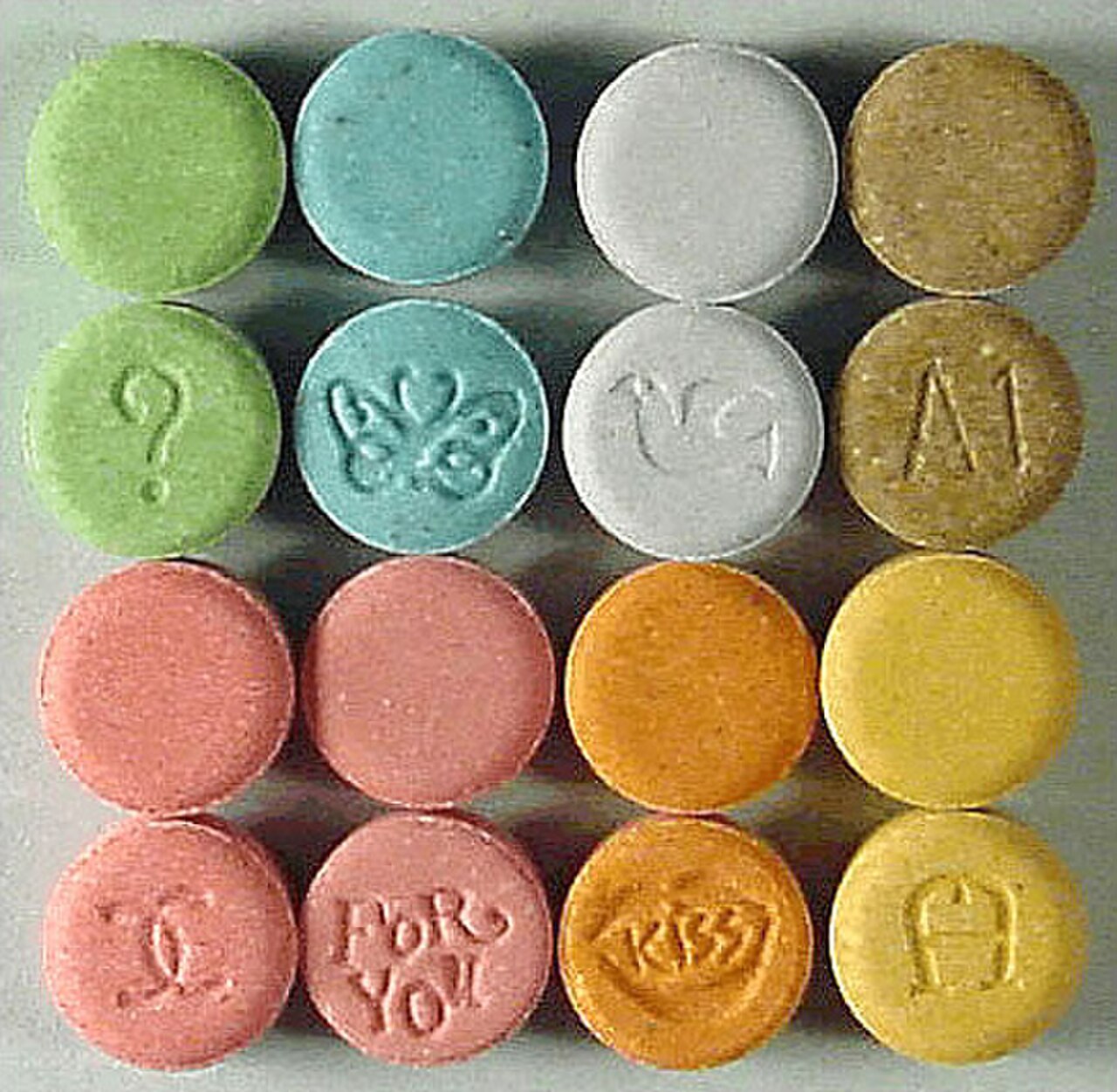
Empathogenic substances, also known as entactogens or connectogens, are a class of psychoactive drugs that induce experiences of emotional communion, oneness, connectedness, and emotional openness. As seen with MDMA (ecstasy), these substances can produce feelings of empathy and deep connection with others. Entactogens are distinct from hallucinogens or psychedelics and stimulants, although they can share some properties. For example, MDMA has been known to have both entactogenic and stimulant effects. The use of empathogenic substances is being explored for both recreational and medical purposes, including the treatment of post-traumatic stress disorder (PTSD) with MDMA-assisted therapy.
💡 History of Entactogens
The history of entactogens dates back to the 1960s, when Alexander Shulgin first synthesized MDMA. Initially, it was used in small groups for its potential therapeutic benefits, but it soon gained popularity as a recreational drug. The term 'entactogen' was coined in the 1980s to describe this class of substances, which are characterized by their ability to induce emotional openness and empathy. As research into entactogens continues, it is essential to consider the work of pioneers like Stanislav Grof and his research on psychedelic therapy.
🧬 Mechanism of Action
The mechanism of action of empathogenic substances is not fully understood but is believed to involve the release of serotonin and dopamine in the brain. These neurotransmitters play a crucial role in regulating mood, emotional response, and social behavior. Entactogens, such as MDMA, can increase the levels of these neurotransmitters, leading to feelings of empathy and connection. However, the exact mechanisms behind these effects are still being studied and debated among researchers, including those involved in neuropharmacology and psychopharmacology.
🌈 Types of Empathogenic Substances
There are several types of empathogenic substances, including MDMA, MDA, and MBDB. Each of these substances has its unique effects and potential therapeutic applications. For example, MDMA is being investigated for its potential to treat PTSD, while MDA has been studied for its potential to treat social anxiety disorder. The development of new entactogens, such as 6-APB, is also underway, with researchers exploring their potential therapeutic benefits.
🏥 Therapeutic Applications
Empathogenic substances are being explored for their therapeutic potential in treating various psychiatric disorders, including PTSD, social anxiety disorder, and depression. MDMA-assisted therapy has shown promising results in clinical trials, with many participants experiencing significant reductions in symptoms. However, more research is needed to fully understand the potential benefits and risks of using entactogens as therapeutic agents. Researchers, such as those at MAPS, are working to advance our understanding of these substances and their potential therapeutic applications.
🚨 Risks and Side Effects
While empathogenic substances have shown promise for therapeutic use, they also carry risks and side effects. The use of entactogens can lead to increased heart rate, blood pressure, and body temperature, as well as potential long-term effects on the brain and body. Additionally, the use of these substances can be associated with addiction and substance abuse. It is essential to approach the use of entactogens with caution and to carefully weigh the potential benefits and risks, as discussed in the context of harm reduction and drug policy.
🔬 Research and Development
Research into empathogenic substances is ongoing, with scientists exploring their potential therapeutic applications and mechanisms of action. The development of new entactogens and the study of their effects are crucial steps in advancing our understanding of these substances. Furthermore, the investigation of the potential benefits and risks of using entactogens in therapeutic settings is essential for ensuring their safe and effective use. Organizations, such as Johns Hopkins University, are at the forefront of this research, conducting studies on psychedelic research and its applications.
📊 Vibe Score and Cultural Impact
The vibe score of empathogenic substances is relatively high, reflecting their potential to induce feelings of emotional openness and connection. The cultural impact of these substances is also significant, with many people using them in recreational settings to enhance their social experiences. However, the controversy surrounding the use of entactogens is also substantial, with some arguing that they have the potential for therapeutic benefit, while others raise concerns about their risks and side effects. The influence of empathogenic substances can be seen in various aspects of culture, including music and art.
👥 Influence and Entity Relationships
The influence and entity relationships surrounding empathogenic substances are complex and multifaceted. The development and use of these substances involve a network of researchers, clinicians, and users, each with their own perspectives and interests. Understanding these relationships is essential for navigating the complex landscape of entactogen research and use. For example, the work of David Nutt and his research on drug policy highlights the need for a nuanced approach to the regulation and use of psychoactive substances.
🤝 Controversy and Debate
The controversy and debate surrounding empathogenic substances are significant, with some arguing that they have the potential for therapeutic benefit, while others raise concerns about their risks and side effects. The use of entactogens in recreational settings has also been a topic of debate, with some arguing that it can lead to negative consequences, such as addiction and substance abuse. However, others argue that the use of these substances can have positive effects, such as enhancing social connections and promoting emotional openness. The controversy spectrum surrounding empathogenic substances is wide, reflecting the diverse range of opinions and perspectives on their use.
📈 Future Prospects and Directions
The future prospects and directions for empathogenic substances are promising, with ongoing research into their therapeutic potential and mechanisms of action. The development of new entactogens and the study of their effects are crucial steps in advancing our understanding of these substances. As research continues to uncover the potential benefits and risks of using entactogens, it is essential to approach their use with caution and to carefully consider the implications of their use in various contexts. The potential for empathogenic substances to revolutionize the treatment of psychiatric disorders is significant, and ongoing research is needed to fully realize their therapeutic potential.
Key Facts
- Year
- 2022
- Origin
- 1960s counterculture movement
- Category
- Psychopharmacology
- Type
- Chemical Compound
Frequently Asked Questions
What are empathogenic substances?
Empathogenic substances, also known as entactogens or connectogens, are a class of psychoactive drugs that induce experiences of emotional communion, oneness, connectedness, and emotional openness. They are characterized by their ability to induce feelings of empathy and deep connection with others.
What is the mechanism of action of empathogenic substances?
What are the potential therapeutic applications of empathogenic substances?
Empathogenic substances are being explored for their therapeutic potential in treating various psychiatric disorders, including PTSD, social anxiety disorder, and depression. MDMA-assisted therapy has shown promising results in clinical trials, with many participants experiencing significant reductions in symptoms.
What are the risks and side effects of empathogenic substances?
The use of empathogenic substances can lead to increased heart rate, blood pressure, and body temperature, as well as potential long-term effects on the brain and body. Additionally, the use of these substances can be associated with addiction and substance abuse.
What is the current state of research into empathogenic substances?
Research into empathogenic substances is ongoing, with scientists exploring their potential therapeutic applications and mechanisms of action. The development of new entactogens and the study of their effects are crucial steps in advancing our understanding of these substances.
What is the cultural impact of empathogenic substances?
The cultural impact of empathogenic substances is significant, with many people using them in recreational settings to enhance their social experiences. However, the controversy surrounding the use of entactogens is also substantial, with some arguing that they have the potential for therapeutic benefit, while others raise concerns about their risks and side effects.
What are the influence and entity relationships surrounding empathogenic substances?
The influence and entity relationships surrounding empathogenic substances are complex and multifaceted. The development and use of these substances involve a network of researchers, clinicians, and users, each with their own perspectives and interests.