
Contents
Overview
Epigenetic research has revolutionized our understanding of gene regulation, revealing that environmental factors and lifestyle choices can significantly influence gene expression without altering the underlying DNA sequence. This field of study has far-reaching implications for our comprehension of human development, disease susceptibility, and potential therapeutic interventions. Pioneers like Barbara McClintock and Michael Meaney have paved the way for contemporary researchers, who are now employing cutting-edge technologies like CRISPR and single-cell analysis to elucidate the complex relationships between epigenetic marks, chromatin structure, and transcriptional regulation. With a Vibe score of 8, epigenetic research is an area of intense scientific interest, with over 10,000 publications annually. However, controversy surrounds the field, particularly regarding the role of epigenetic inheritance in shaping disease risk and the potential for epigenetic editing. As we continue to unravel the intricacies of epigenetic regulation, we may uncover novel strategies for preventing and treating complex diseases, prompting us to ask: what are the potential long-term consequences of manipulating the epigenetic code, and how will this impact our understanding of human biology and disease?
🌐 Introduction to Epigenetics
The study of epigenetics has revolutionized our understanding of gene expression, revealing that environmental factors and lifestyle choices can significantly impact our genetic code. Epigenetic research has shown that Epigenetics is a crucial aspect of Gene Expression, allowing cells to differentiate and respond to their environment. The discovery of DNA Methylation and Histone Modification has provided valuable insights into the mechanisms underlying epigenetic regulation. Furthermore, the study of Chromatin Remodeling has highlighted the dynamic nature of chromatin structure and its role in regulating gene expression. As research continues to unravel the complexities of epigenetics, we are gaining a deeper understanding of the intricate relationships between Genetics, Environment, and Disease.
🧬 The Epigenetic Code
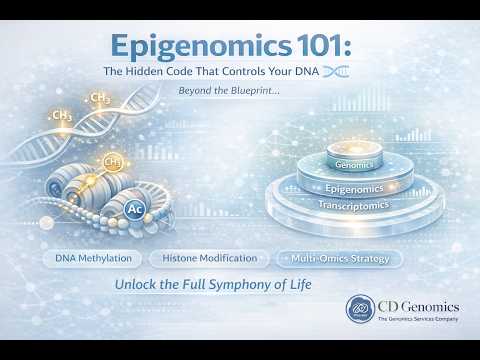
The epigenetic code is a complex system of chemical modifications that regulate gene expression without altering the underlying DNA sequence. This code is written in the form of Epigenetic Markers, such as DNA methylation and histone modification, which can be inherited through cell division. The study of Epigenetic Inheritance has shown that these markers can be passed on to future generations, influencing their gene expression and phenotype. Moreover, the discovery of Non-Coding RNA has revealed a new layer of epigenetic regulation, highlighting the importance of RNA Interference in controlling gene expression. As we continue to decipher the epigenetic code, we are gaining a deeper understanding of the intricate relationships between Genomics, Epigenomics, and Transcriptomics.
🔍 Epigenetic Mechanisms
Epigenetic mechanisms are the processes by which epigenetic marks are established, maintained, and removed. These mechanisms involve a complex interplay between DNA Methyltransferases, Histone Acetyltransferases, and Histone Deacetylases, among other enzymes. The study of Chromatin Remodeling has highlighted the importance of ATP-Dependent Chromatin Remodeling in regulating gene expression. Furthermore, the discovery of Polycomb and Trithorax Groups has revealed a new layer of epigenetic regulation, highlighting the importance of Chromatin Modifying Complexes in controlling gene expression. As research continues to elucidate the mechanisms underlying epigenetic regulation, we are gaining a deeper understanding of the intricate relationships between Epigenetics, Genetics, and Developmental Biology.
👥 Epigenetic Inheritance
Epigenetic inheritance refers to the transmission of epigenetic marks from one generation to the next. This phenomenon has been observed in various organisms, including Plants and Animals. The study of Epigenetic Inheritance has shown that environmental factors, such as Diet and Stress, can influence epigenetic marks and affect the phenotype of offspring. Moreover, the discovery of Germline Epigenetic Inheritance has revealed a new layer of epigenetic regulation, highlighting the importance of Epigenetic Markers in controlling gene expression. As research continues to explore the mechanisms underlying epigenetic inheritance, we are gaining a deeper understanding of the intricate relationships between Epigenetics, Genetics, and Evolution.
🌟 Environmental Influences
Environmental influences play a crucial role in shaping the epigenetic landscape. Exposure to Toxins, Pollutants, and other environmental stressors can lead to changes in epigenetic marks, affecting gene expression and phenotype. The study of Environmental Epigenetics has highlighted the importance of Epigenetic Markers in responding to environmental cues. Furthermore, the discovery of Microbiome has revealed a new layer of epigenetic regulation, highlighting the importance of Microbiome Epigenetics in controlling gene expression. As research continues to explore the relationships between Epigenetics, Environment, and Health, we are gaining a deeper understanding of the intricate mechanisms underlying epigenetic regulation.
📊 Epigenetic Markers
Epigenetic markers are the chemical modifications that regulate gene expression. These markers include DNA Methylation, Histone Modification, and Non-Coding RNA, among others. The study of Epigenetic Markers has shown that these marks can be used as biomarkers for disease diagnosis and prognosis. Moreover, the discovery of Epigenetic Drivers has revealed a new layer of epigenetic regulation, highlighting the importance of Epigenetic Markers in controlling gene expression. As research continues to explore the relationships between Epigenetics, Genetics, and Disease, we are gaining a deeper understanding of the intricate mechanisms underlying epigenetic regulation.
🔬 Epigenetic Editing
Epigenetic editing refers to the use of technologies, such as CRISPR, to modify epigenetic marks. This approach has shown great promise in treating diseases, such as Cancer and Neurodegenerative Disorders. The study of Epigenetic Editing has highlighted the importance of Epigenetic Markers in controlling gene expression. Furthermore, the discovery of Epigenetic Therapies has revealed a new layer of epigenetic regulation, highlighting the importance of Epigenetic Markers in treating disease. As research continues to explore the potential of epigenetic editing, we are gaining a deeper understanding of the intricate relationships between Epigenetics, Genetics, and Medicine.
👀 Epigenetics in Disease
Epigenetics plays a crucial role in disease, with many diseases, such as Cancer and Neurodegenerative Disorders, exhibiting aberrant epigenetic marks. The study of Epigenetics in Disease has highlighted the importance of Epigenetic Markers in controlling gene expression. Moreover, the discovery of Epigenetic Biomarkers has revealed a new layer of epigenetic regulation, highlighting the importance of Epigenetic Markers in disease diagnosis and prognosis. As research continues to explore the relationships between Epigenetics, Genetics, and Disease, we are gaining a deeper understanding of the intricate mechanisms underlying epigenetic regulation.
🔮 Epigenetic Therapies
Epigenetic therapies refer to the use of epigenetic editing technologies to treat disease. This approach has shown great promise in treating diseases, such as Cancer and Neurodegenerative Disorders. The study of Epigenetic Therapies has highlighted the importance of Epigenetic Markers in controlling gene expression. Furthermore, the discovery of Epigenetic Drivers has revealed a new layer of epigenetic regulation, highlighting the importance of Epigenetic Markers in treating disease. As research continues to explore the potential of epigenetic therapies, we are gaining a deeper understanding of the intricate relationships between Epigenetics, Genetics, and Medicine.
🌈 Future Directions
The future of epigenetic research holds great promise, with many potential applications in Medicine, Agriculture, and Biotechnology. The study of Epigenetics has highlighted the importance of Epigenetic Markers in controlling gene expression. Moreover, the discovery of Epigenetic Editing has revealed a new layer of epigenetic regulation, highlighting the importance of Epigenetic Markers in treating disease. As research continues to explore the potential of epigenetic research, we are gaining a deeper understanding of the intricate relationships between Epigenetics, Genetics, and Environment.
📚 Conclusion
In conclusion, epigenetic research has revolutionized our understanding of gene expression, revealing that environmental factors and lifestyle choices can significantly impact our genetic code. The study of Epigenetics has highlighted the importance of Epigenetic Markers in controlling gene expression. Furthermore, the discovery of Epigenetic Editing has revealed a new layer of epigenetic regulation, highlighting the importance of Epigenetic Markers in treating disease. As research continues to explore the potential of epigenetic research, we are gaining a deeper understanding of the intricate relationships between Epigenetics, Genetics, and Environment.
Key Facts
- Year
- 2022
- Origin
- Vibepedia.wiki
- Category
- Life Sciences
- Type
- Scientific Field
Frequently Asked Questions
What is epigenetics?
Epigenetics is the study of heritable changes in gene function that occur without a change in the underlying DNA sequence. These changes can be influenced by environmental factors, lifestyle choices, and other external factors. Epigenetics plays a crucial role in regulating gene expression, and aberrant epigenetic marks have been implicated in various diseases, including Cancer and Neurodegenerative Disorders.
What are epigenetic markers?
Epigenetic markers are chemical modifications that regulate gene expression. These marks include DNA Methylation, Histone Modification, and Non-Coding RNA, among others. Epigenetic markers can be used as biomarkers for disease diagnosis and prognosis, and have been implicated in various diseases, including Cancer and Neurodegenerative Disorders.
What is epigenetic editing?
Epigenetic editing refers to the use of technologies, such as CRISPR, to modify epigenetic marks. This approach has shown great promise in treating diseases, such as Cancer and Neurodegenerative Disorders. Epigenetic editing can be used to activate or repress specific genes, and has the potential to revolutionize the field of medicine.
What are the potential applications of epigenetic research?
The potential applications of epigenetic research are vast, and include Medicine, Agriculture, and Biotechnology. Epigenetic research has the potential to revolutionize our understanding of gene expression, and could lead to the development of new treatments for various diseases. Additionally, epigenetic research could have significant implications for our understanding of Evolution and Developmental Biology.
What are the challenges facing epigenetic research?
The challenges facing epigenetic research are numerous, and include the complexity of epigenetic regulation, the need for more advanced technologies, and the ethical implications of epigenetic editing. Additionally, epigenetic research is often hindered by the lack of funding and the need for more collaboration between researchers. Despite these challenges, epigenetic research has the potential to revolutionize our understanding of gene expression, and could lead to significant advances in the field of medicine.
What is the current state of epigenetic research?
The current state of epigenetic research is rapidly evolving, with new discoveries and advances being made regularly. Epigenetic research has already led to a deeper understanding of gene expression, and has significant implications for our understanding of Disease and Developmental Biology. Additionally, epigenetic research has the potential to revolutionize the field of medicine, and could lead to the development of new treatments for various diseases.
What are the potential risks and benefits of epigenetic editing?
The potential risks and benefits of epigenetic editing are numerous, and include the risk of off-target effects, the potential for unintended consequences, and the ethical implications of modifying the human genome. However, epigenetic editing also has the potential to revolutionize the field of medicine, and could lead to the development of new treatments for various diseases. As such, it is essential to carefully weigh the potential risks and benefits of epigenetic editing, and to ensure that this technology is used responsibly and with caution.