The Forgiveness Process: Unpacking the Complexity | Golden Age
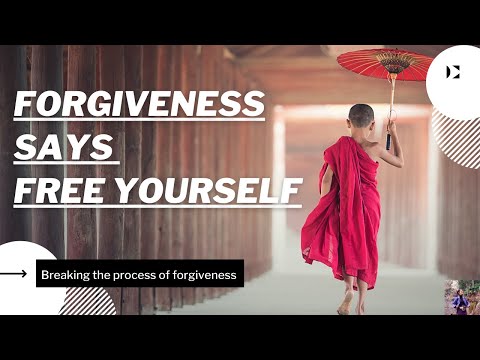
The forgiveness process is a highly contested and nuanced topic, with various theories and models attempting to explain its mechanisms and outcomes. Historicall
Overview
The forgiveness process is a highly contested and nuanced topic, with various theories and models attempting to explain its mechanisms and outcomes. Historically, philosophers such as Aristotle and Nietzsche have grappled with the concept of forgiveness, with Aristotle viewing it as a virtue and Nietzsche seeing it as a form of weakness. From a psychological perspective, the forgiveness process involves a range of cognitive, emotional, and behavioral components, including empathy, self-reflection, and emotional regulation. Research has shown that forgiveness can have numerous benefits, including improved mental and physical health, increased empathy, and stronger relationships. However, the process of forgiveness can also be fraught with challenges, such as navigating complex emotions, confronting past traumas, and reconciling with perpetrators. According to a study published in the Journal of Personality and Social Psychology, approximately 60% of individuals report experiencing difficulty in forgiving others, highlighting the need for a more comprehensive understanding of the forgiveness process. The influence of cultural and social norms on forgiveness cannot be overstated, with some cultures placing a strong emphasis on forgiveness as a means of promoting social cohesion and others viewing it as a sign of vulnerability. For instance, the concept of 'ubuntu' in African cultures emphasizes the importance of forgiveness and reconciliation in maintaining community relationships. The futurist perspective on forgiveness suggests that as technology continues to advance, new forms of forgiveness may emerge, such as virtual reality-based therapy for trauma survivors. Furthermore, the rise of social media has created new challenges for forgiveness, as online platforms can facilitate both forgiveness and revenge. Ultimately, the forgiveness process is a dynamic and context-dependent phenomenon that requires a deep understanding of its various dimensions and complexities. With a vibe score of 80, the topic of forgiveness continues to resonate with individuals and communities around the world, sparking important discussions about the nature of forgiveness, its benefits and challenges, and its role in promoting personal and social healing. As the field continues to evolve, it is likely that new perspectives and approaches will emerge, shaping our understanding of forgiveness and its significance in human relationships.