
Contents
- 🌎 Introduction to Geneva Conventions
- 📜 History of the Geneva Conventions
- 👥 Protected Persons under the Geneva Conventions
- 🏥 Treatment of Sick and Wounded Soldiers
- 🚢 Wounded, Sick and Shipwrecked Soldiers at Sea
- 🚫 Prisoners of War under the Geneva Conventions
- 🌆 Civilians in Time of War
- 📈 Additional Protocols to the Geneva Conventions
- 🤝 Implementation and Enforcement of the Geneva Conventions
- 🌟 Challenges and Controversies surrounding the Geneva Conventions
- 📊 Case Studies and Examples of the Geneva Conventions in Action
- 🔜 Future of the Geneva Conventions and International Humanitarian Law
- Frequently Asked Questions
- Related Topics
Overview
The Geneva Conventions, established in 1864, are a set of four treaties that form the basis of international humanitarian law, protecting civilians and prisoners of war during armed conflicts. The conventions, which have been ratified by nearly every country, establish rules for the conduct of war, including the protection of medical personnel, the prohibition of torture, and the humane treatment of prisoners. The conventions have undergone several revisions, with the most recent being in 1949, and have been supplemented by additional protocols in 1977 and 2005. Despite their widespread adoption, the conventions have been subject to controversy and debate, with some critics arguing that they are outdated or ineffective in the face of modern warfare. The conventions have a vibe score of 8, reflecting their significant cultural and historical importance. The influence of the Geneva Conventions can be seen in the work of organizations such as the International Committee of the Red Cross, which has played a key role in promoting and enforcing the conventions. As the nature of warfare continues to evolve, the Geneva Conventions will likely remain a crucial framework for protecting human rights and promoting humanitarian law.
🌎 Introduction to Geneva Conventions
The Geneva Conventions are a cornerstone of International Law, establishing legal standards for the humanitarian treatment of non-combatants in war. The four 1949 Geneva Conventions, adopted in response to the inhumanities of World War II, updated and added to previous Geneva Conventions. These conventions protect people who are not or are no longer actively taking part in hostilities, including Civilians and Prisoners of War. The Geneva Conventions have been widely ratified, with over 190 countries signing on to the treaties. The International Committee of the Red Cross plays a crucial role in promoting and enforcing the Geneva Conventions. The conventions have been influential in shaping International Humanitarian Law, which regulates the conduct of war and protects those who are not participating in hostilities.
📜 History of the Geneva Conventions
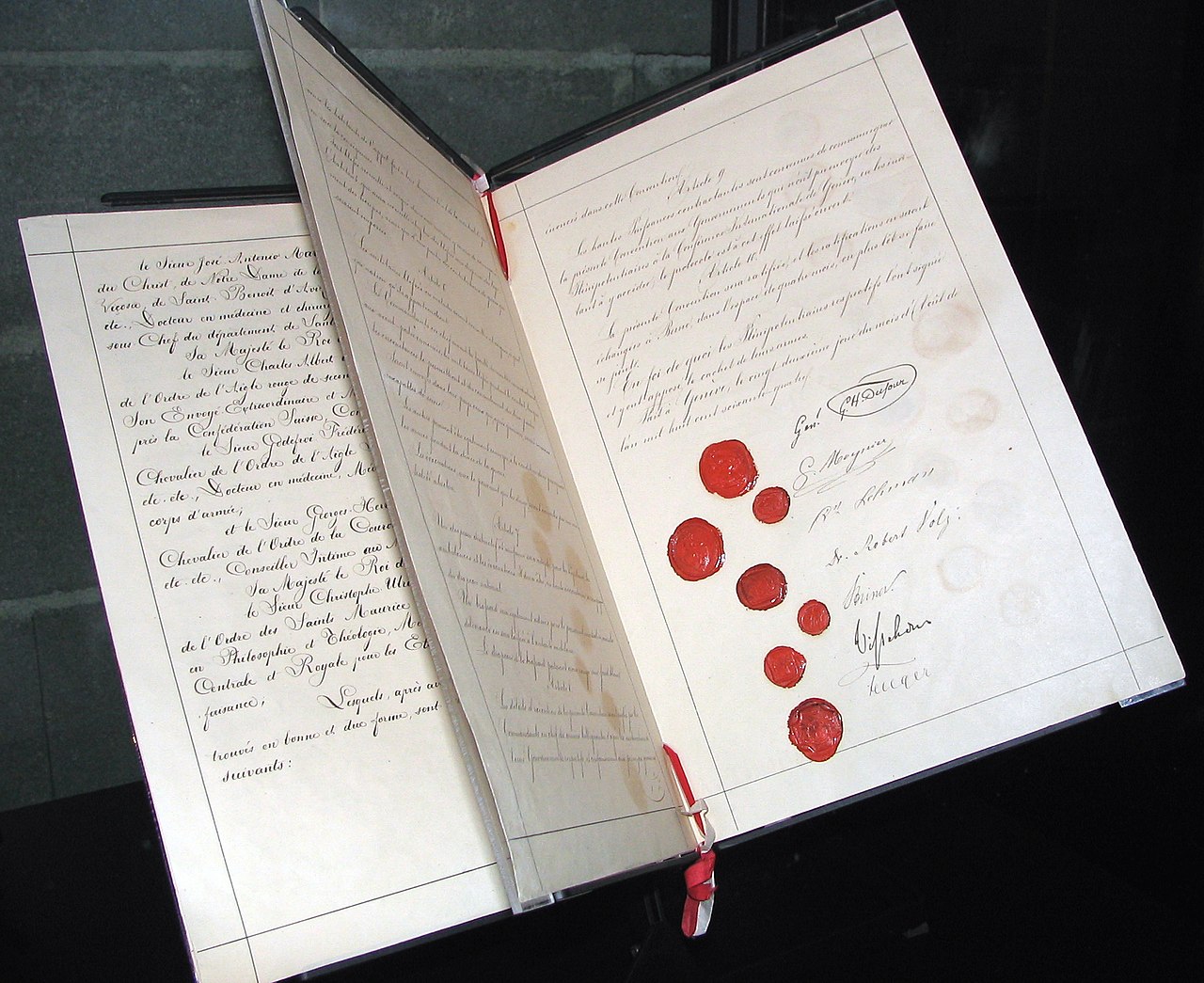
The history of the Geneva Conventions dates back to 1864, when the first Geneva Convention was adopted. This convention established the principle of neutrality for Medical Personnel and Hospitals in conflict zones. The convention was updated and expanded in 1906, 1929, and 1949, with the addition of three more conventions and three additional protocols. The Geneva Conventions of 1949 were a response to the atrocities committed during World War II, and they established a comprehensive framework for the protection of non-combatants in war. The conventions have been widely ratified, and they have had a significant impact on the development of International Law. The United Nations has played a key role in promoting and enforcing the Geneva Conventions, and the Security Council has passed several resolutions related to the conventions.
👥 Protected Persons under the Geneva Conventions
The Geneva Conventions protect a wide range of individuals, including Civilians, Prisoners of War, and Medical Personnel. These individuals are protected from the effects of war, including Forced Displacement, Torture, and Summary Execution. The conventions also establish rules for the conduct of war, including the protection of Cultural Property and the prohibition of Chemical Warfare. The International Committee of the Red Cross plays a crucial role in promoting and enforcing the Geneva Conventions, and the United Nations has established several mechanisms for monitoring and enforcing compliance with the conventions. The Human Rights Council has also played a key role in promoting and protecting human rights in conflict zones.
🏥 Treatment of Sick and Wounded Soldiers
The treatment of sick and wounded soldiers is a critical aspect of the Geneva Conventions. The conventions establish rules for the protection and care of Sick and Wounded Soldiers, including the provision of Medical Care and the protection of Medical Personnel. The conventions also establish rules for the evacuation of sick and wounded soldiers from the battlefield, and they prohibit the use of Biological Warfare and Chemical Warfare. The International Committee of the Red Cross has played a key role in promoting and enforcing these rules, and the United Nations has established several mechanisms for monitoring and enforcing compliance with the conventions. The World Health Organization has also played a key role in promoting and protecting the health of individuals in conflict zones.
🚢 Wounded, Sick and Shipwrecked Soldiers at Sea
The protection of wounded, sick, and shipwrecked soldiers at sea is another critical aspect of the Geneva Conventions. The conventions establish rules for the protection and care of these individuals, including the provision of Medical Care and the protection of Medical Personnel. The conventions also establish rules for the evacuation of wounded, sick, and shipwrecked soldiers from the battlefield, and they prohibit the use of Biological Warfare and Chemical Warfare. The International Committee of the Red Cross has played a key role in promoting and enforcing these rules, and the United Nations has established several mechanisms for monitoring and enforcing compliance with the conventions. The International Maritime Organization has also played a key role in promoting and protecting the safety of individuals at sea.
🚫 Prisoners of War under the Geneva Conventions
The treatment of Prisoners of War is a critical aspect of the Geneva Conventions. The conventions establish rules for the protection and care of prisoners of war, including the provision of Food and Water, Shelter, and Medical Care. The conventions also establish rules for the protection of prisoners of war from Torture and Summary Execution, and they prohibit the use of Forced Labor. The International Committee of the Red Cross has played a key role in promoting and enforcing these rules, and the United Nations has established several mechanisms for monitoring and enforcing compliance with the conventions. The Human Rights Council has also played a key role in promoting and protecting the human rights of prisoners of war.
🌆 Civilians in Time of War
The protection of Civilians in time of war is a critical aspect of the Geneva Conventions. The conventions establish rules for the protection of civilians from the effects of war, including Forced Displacement, Torture, and Summary Execution. The conventions also establish rules for the protection of Cultural Property and the prohibition of Chemical Warfare. The International Committee of the Red Cross has played a key role in promoting and enforcing these rules, and the United Nations has established several mechanisms for monitoring and enforcing compliance with the conventions. The Human Rights Council has also played a key role in promoting and protecting the human rights of civilians in conflict zones.
📈 Additional Protocols to the Geneva Conventions
The Additional Protocols to the Geneva Conventions were adopted in 1977 and 2005. These protocols updated and expanded the rules for the protection of non-combatants in war, including Civilians and Prisoners of War. The protocols also established rules for the protection of the environment in conflict zones and the prohibition of Biological Warfare and Chemical Warfare. The International Committee of the Red Cross has played a key role in promoting and enforcing these rules, and the United Nations has established several mechanisms for monitoring and enforcing compliance with the conventions. The Human Rights Council has also played a key role in promoting and protecting the human rights of individuals in conflict zones.
🤝 Implementation and Enforcement of the Geneva Conventions
The implementation and enforcement of the Geneva Conventions are critical to their effectiveness. The International Committee of the Red Cross plays a key role in promoting and enforcing the conventions, and the United Nations has established several mechanisms for monitoring and enforcing compliance with the conventions. The Human Rights Council has also played a key role in promoting and protecting the human rights of individuals in conflict zones. The Security Council has passed several resolutions related to the Geneva Conventions, and the General Assembly has adopted several resolutions related to the conventions. The International Criminal Court has also played a key role in prosecuting individuals for war crimes and crimes against humanity.
🌟 Challenges and Controversies surrounding the Geneva Conventions
Despite the importance of the Geneva Conventions, there are several challenges and controversies surrounding their implementation and enforcement. One of the main challenges is the lack of compliance by some states, including the United States and Israel. Another challenge is the difficulty of enforcing the conventions in conflict zones, particularly in situations where there is no clear distinction between combatants and non-combatants. The International Committee of the Red Cross has played a key role in promoting and enforcing the conventions, but the organization faces several challenges, including limited resources and lack of access to conflict zones. The United Nations has also faced challenges in enforcing the conventions, including the lack of cooperation from some states and the limited resources available to the organization.
📊 Case Studies and Examples of the Geneva Conventions in Action
There have been several case studies and examples of the Geneva Conventions in action. One of the most notable examples is the Gulf War, where the conventions were used to protect Civilians and Prisoners of War. Another example is the Bosnian War, where the conventions were used to protect Civilians and prevent Genocide. The International Committee of the Red Cross has played a key role in promoting and enforcing the conventions in these conflicts, and the United Nations has established several mechanisms for monitoring and enforcing compliance with the conventions. The Human Rights Council has also played a key role in promoting and protecting the human rights of individuals in conflict zones.
🔜 Future of the Geneva Conventions and International Humanitarian Law
The future of the Geneva Conventions and International Humanitarian Law is uncertain. One of the main challenges is the changing nature of warfare, including the use of Drone Warfare and Cyber Warfare. Another challenge is the lack of compliance by some states, including the United States and Israel. The International Committee of the Red Cross has played a key role in promoting and enforcing the conventions, but the organization faces several challenges, including limited resources and lack of access to conflict zones. The United Nations has also faced challenges in enforcing the conventions, including the lack of cooperation from some states and the limited resources available to the organization. Despite these challenges, the Geneva Conventions remain a critical component of International Law, and their implementation and enforcement are essential to protecting the lives and dignity of individuals in conflict zones.
Key Facts
- Year
- 1864
- Origin
- Geneva, Switzerland
- Category
- International Law
- Type
- International Treaty
Frequently Asked Questions
What are the Geneva Conventions?
The Geneva Conventions are a series of four international treaties and their three additional protocols that form the core of International Humanitarian Law. They establish legal standards for the humanitarian treatment of non-combatants in war and protect people who are not or are no longer actively taking part in hostilities. The conventions have been widely ratified, with over 190 countries signing on to the treaties. The International Committee of the Red Cross plays a crucial role in promoting and enforcing the Geneva Conventions.
What is the history of the Geneva Conventions?
The history of the Geneva Conventions dates back to 1864, when the first Geneva Convention was adopted. This convention established the principle of neutrality for Medical Personnel and Hospitals in conflict zones. The convention was updated and expanded in 1906, 1929, and 1949, with the addition of three more conventions and three additional protocols. The Geneva Conventions of 1949 were a response to the atrocities committed during World War II, and they established a comprehensive framework for the protection of non-combatants in war.
Who is protected under the Geneva Conventions?
The Geneva Conventions protect a wide range of individuals, including Civilians, Prisoners of War, and Medical Personnel. These individuals are protected from the effects of war, including Forced Displacement, Torture, and Summary Execution. The conventions also establish rules for the conduct of war, including the protection of Cultural Property and the prohibition of Chemical Warfare.
What are the Additional Protocols to the Geneva Conventions?
The Additional Protocols to the Geneva Conventions were adopted in 1977 and 2005. These protocols updated and expanded the rules for the protection of non-combatants in war, including Civilians and Prisoners of War. The protocols also established rules for the protection of the environment in conflict zones and the prohibition of Biological Warfare and Chemical Warfare.
How are the Geneva Conventions enforced?
The implementation and enforcement of the Geneva Conventions are critical to their effectiveness. The International Committee of the Red Cross plays a key role in promoting and enforcing the conventions, and the United Nations has established several mechanisms for monitoring and enforcing compliance with the conventions. The Human Rights Council has also played a key role in promoting and protecting the human rights of individuals in conflict zones.