
Contents
- 🌎 Introduction to Geological Processes
- 🌋 Tectonic Plate Movement and Boundaries
- 🏔️ Weathering and Erosion: Breaking Down the Earth's Surface
- 🌊 Water and Its Role in Shaping the Earth's Surface
- 🌀 Glaciation and Its Impact on the Landscape
- 🌴 Volcanic Activity and Land Formation
- 🌀 Geological Cycles: The Rock Cycle and Plate Tectonics
- 🔍 Human Impact on Geological Processes
- 📊 Measuring Geological Processes: Tools and Techniques
- 🌟 Case Studies: Famous Geological Formations and Events
- 🌐 Conclusion: The Dynamic Earth's Surface
- Frequently Asked Questions
- Related Topics
Overview
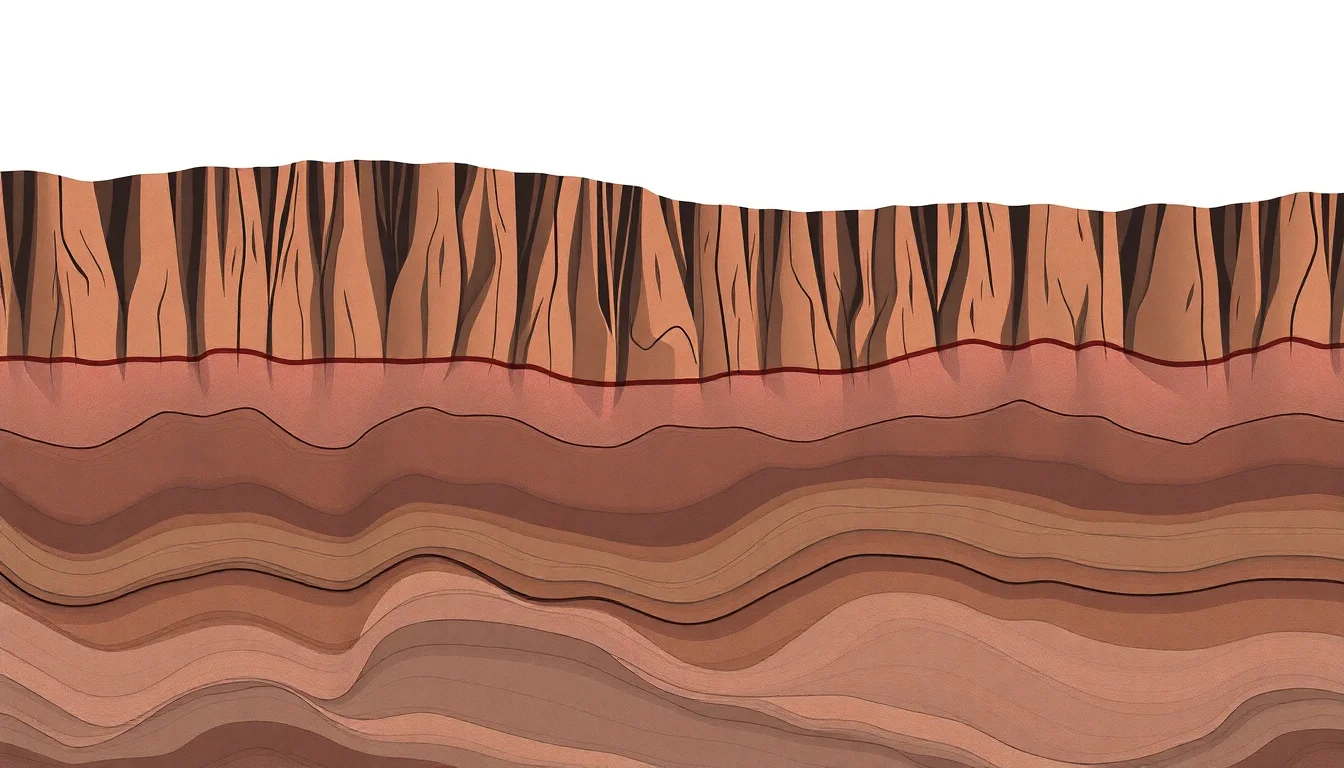
Geological processes, such as plate tectonics, weathering, erosion, and deposition, have been shaping the Earth's surface for over 4.5 billion years. These processes, which include the movement of the Earth's crust, the formation of mountains, and the creation of oceanic and continental landscapes, are driven by the Earth's internal heat, gravity, and external factors like climate and water. The study of geological processes is crucial for understanding the Earth's history, predicting natural hazards like earthquakes and landslides, and managing natural resources. With a vibe score of 8, geological processes have significant cultural resonance, influencing fields like architecture, engineering, and environmental science. The influence flow of geological processes can be seen in the work of pioneers like James Hutton and Charles Lyell, who laid the foundation for modern geology. As we look to the future, understanding geological processes will be essential for mitigating the impacts of climate change and ensuring a sustainable future for our planet. The controversy spectrum surrounding geological processes is moderate, with debates surrounding the role of human activity in shaping the Earth's surface and the impact of geological processes on ecosystems.
🌎 Introduction to Geological Processes
Geological processes have been shaping the Earth's surface for millions of years, resulting in the diverse range of landscapes we see today. The study of these processes is crucial for understanding the Earth's history, as well as predicting future geological events. Geology is the scientific study of the Earth's physical structure, composition, and processes, while Plate Tectonics provides a framework for understanding the movement of the Earth's lithosphere. The Earth's surface is constantly changing due to a combination of Tectonic Forces, Weathering, and Erosion. For example, the Grand Canyon is a famous example of erosion, carved out by the Colorado River over millions of years.
🌋 Tectonic Plate Movement and Boundaries
Tectonic plate movement and boundaries play a crucial role in shaping the Earth's surface. The Earth's lithosphere is divided into several large plates that move relative to each other, resulting in the creation of mountains, volcanoes, and earthquakes. The Pacific Ring of Fire is a zone of intense seismic and volcanic activity, where several tectonic plates intersect. The movement of these plates can result in Subduction, where one plate is forced beneath another, or Continental Collision, where two plates collide and form mountains. For instance, the Himalayan Mountain Range was formed as a result of the collision between the Indian Plate and the Eurasian Plate.
🏔️ Weathering and Erosion: Breaking Down the Earth's Surface
Weathering and erosion are two of the most important geological processes that shape the Earth's surface. Weathering refers to the breakdown of rocks into smaller fragments, while erosion is the removal of these fragments by natural forces such as water, wind, and ice. Chemical Weathering occurs when rocks are broken down by chemical reactions, while Physical Weathering occurs when rocks are broken down by physical forces. The Colorado River is an example of a river that has carved out a deep canyon through erosion, while the Sahara Desert is an example of a region where wind erosion has created large sand dunes.
🌊 Water and Its Role in Shaping the Earth's Surface
Water plays a crucial role in shaping the Earth's surface, from the formation of oceans and seas to the creation of rivers, lakes, and wetlands. Ocean Currents help to distribute heat around the globe, while River Systems provide a source of fresh water and transportation. The Amazon River is the largest river in the world by discharge volume, and its basin is home to a diverse range of plant and animal species. The Great Barrier Reef is an example of a coral reef system that has been formed through the interaction of water and geological processes.
🌀 Glaciation and Its Impact on the Landscape
Glaciation has had a significant impact on the Earth's surface, particularly during the Pleistocene Ice Age. Glaciers are large, slow-moving rivers of ice that can carve out valleys and create lakes. The Greenland Ice Sheet is an example of a large ice sheet that covers a significant portion of the Earth's surface. The movement of glaciers can result in the formation of Glacial Lakes, such as the Great Lakes in North America.
🌴 Volcanic Activity and Land Formation
Volcanic activity has played a crucial role in shaping the Earth's surface, from the formation of volcanic islands to the creation of mountain ranges. Volcanic Eruptions can result in the release of large amounts of ash, gas, and rock into the atmosphere, which can affect the climate and environment. The Hawaiian Islands are an example of a volcanic island chain that has been formed through the eruption of volcanoes. The Mount St. Helens eruption in 1980 is an example of a volcanic eruption that had a significant impact on the environment.
🌀 Geological Cycles: The Rock Cycle and Plate Tectonics
Geological cycles, such as the Rock Cycle and Plate Tectonics, are essential for understanding the Earth's surface processes. The Rock Cycle describes the continuous process of rock formation, transformation, and destruction, while Plate Tectonics describes the movement of the Earth's lithosphere. The Supercontinent Cycle is a geological cycle that describes the formation and breakup of supercontinents, such as Pangaea.
🔍 Human Impact on Geological Processes
Human activities have had a significant impact on geological processes, from the extraction of natural resources to the alteration of the environment. Climate Change is a major concern, as it can affect the Earth's surface processes and result in the loss of biodiversity. The Kyoto Protocol is an international agreement that aims to reduce greenhouse gas emissions and mitigate the effects of climate change. The Paris Agreement is a more recent agreement that aims to limit global warming to well below 2°C.
📊 Measuring Geological Processes: Tools and Techniques
Measuring geological processes requires a range of tools and techniques, from Seismology to Remote Sensing. Geographic Information Systems (GIS) are used to analyze and visualize geological data, while Global Positioning Systems (GPS) are used to track the movement of the Earth's surface. The United States Geological Survey (USGS) is a government agency that provides geological data and information to the public.
🌟 Case Studies: Famous Geological Formations and Events
Case studies of famous geological formations and events can provide valuable insights into the Earth's surface processes. The Grand Canyon is a famous example of erosion, while the Mount St. Helens eruption is an example of a volcanic eruption. The San Andreas Fault is a major transform fault that runs through California, and is a significant source of seismic activity. The Yellowstone National Park is a geothermal wonderland, with numerous hot springs and geysers.
🌐 Conclusion: The Dynamic Earth's Surface
In conclusion, the Earth's surface is a dynamic and constantly changing environment, shaped by a range of geological processes. Understanding these processes is essential for predicting future geological events, and for mitigating the effects of human activities on the environment. The study of geological processes is an ongoing field of research, with new discoveries and advances in technology continually improving our understanding of the Earth's surface.
Key Facts
- Year
- 2023
- Origin
- Vibepedia.wiki
- Category
- Earth Sciences
- Type
- Scientific Concept
Frequently Asked Questions
What is the difference between weathering and erosion?
Weathering refers to the breakdown of rocks into smaller fragments, while erosion is the removal of these fragments by natural forces such as water, wind, and ice. Weathering can occur in place, while erosion involves the transportation of rocks and sediments from one location to another.
What is the Rock Cycle?
The Rock Cycle is a geological cycle that describes the continuous process of rock formation, transformation, and destruction. It involves the formation of igneous, sedimentary, and metamorphic rocks, and the processes that convert one type of rock into another.
What is Plate Tectonics?
Plate Tectonics is a geological theory that describes the movement of the Earth's lithosphere. It involves the division of the lithosphere into several large plates that move relative to each other, resulting in the creation of mountains, volcanoes, and earthquakes.
What is the impact of human activities on geological processes?
Human activities have had a significant impact on geological processes, from the extraction of natural resources to the alteration of the environment. Climate change is a major concern, as it can affect the Earth's surface processes and result in the loss of biodiversity.
What is the importance of studying geological processes?
Studying geological processes is essential for understanding the Earth's history, as well as predicting future geological events. It can also help us to mitigate the effects of human activities on the environment, and to manage natural resources sustainably.
What are some of the tools and techniques used to measure geological processes?
Some of the tools and techniques used to measure geological processes include seismology, remote sensing, geographic information systems (GIS), and global positioning systems (GPS). These tools can help us to analyze and visualize geological data, and to track the movement of the Earth's surface.
What are some examples of famous geological formations and events?
Some examples of famous geological formations and events include the Grand Canyon, the Mount St. Helens eruption, and the San Andreas Fault. These formations and events can provide valuable insights into the Earth's surface processes, and can help us to understand the geological history of our planet.