
Contents
- 📚 Introduction to George Orwell
- 📰 Literary Career and Influences
- 🔍 Critique of Totalitarianism
- 📖 Notable Works: 1984 and Animal Farm
- 📰 Essays and Journalism
- 👥 Influence on Modern Literature
- 🤝 Relationship with Other Authors
- 📊 Vibe Score and Cultural Impact
- 🌎 Global Recognition and Legacy
- 📝 Writing Style and Technique
- 🔥 Controversies and Criticisms
- 👀 Future Relevance and Timelessness
- Frequently Asked Questions
- Related Topics
Overview
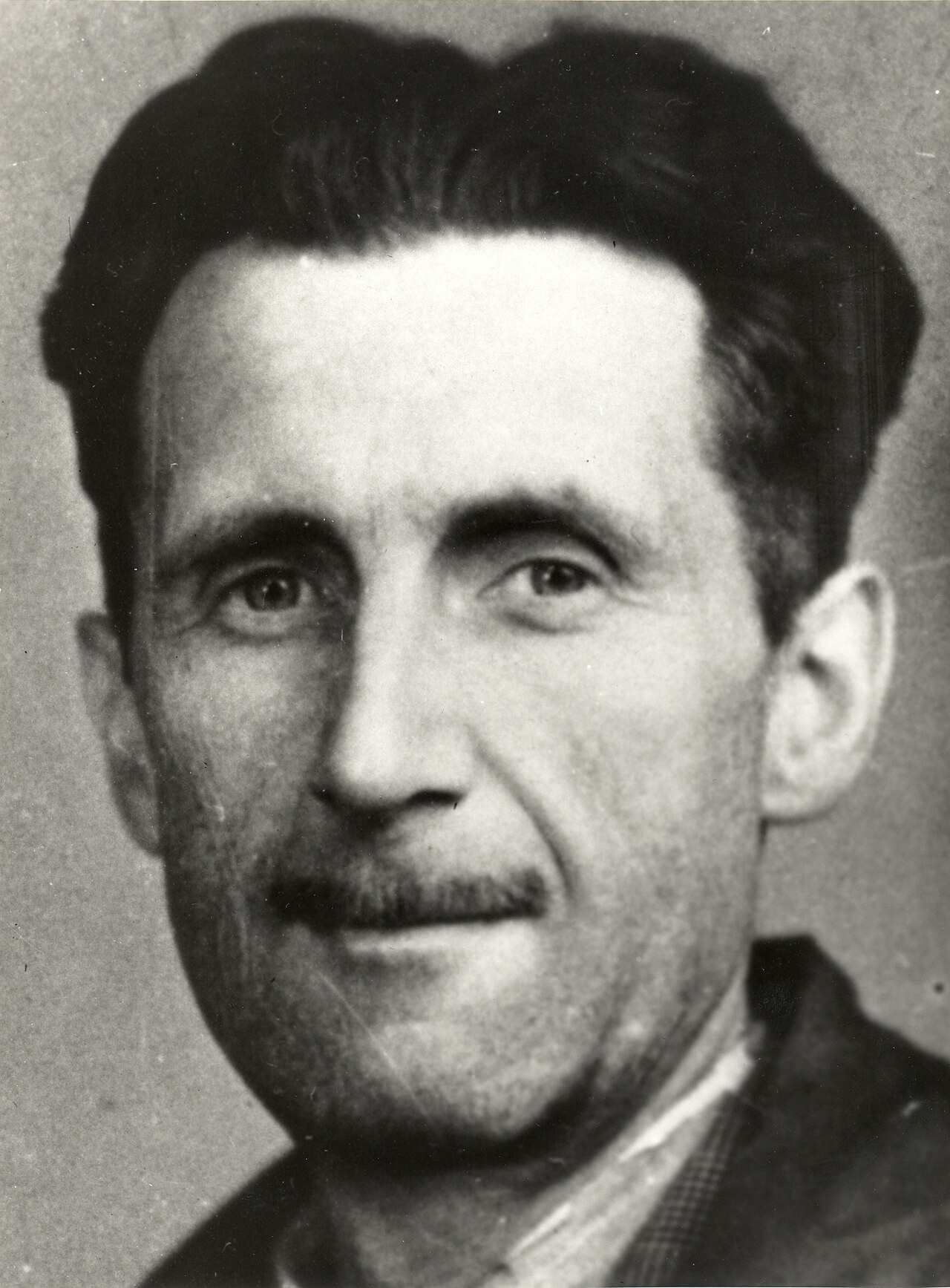
George Orwell, born Eric Arthur Blair on June 25, 1903, in Motihari, India, was a British novelist, essayist, and journalist who is best known for his dystopian novel '1984' and the allegorical 'Animal Farm'. With a Vibe score of 92, Orwell's works continue to resonate with contemporary audiences, offering scathing critiques of totalitarian regimes and the erosion of individual freedom. His writing often explored the tensions between socialism and authoritarianism, as seen in his non-fiction works like 'Homage to Catalonia' and 'The Road to Wigan Pier'. As a skeptic and a historian, Orwell's perspectives on politics, culture, and technology remain remarkably relevant today, with his concept of 'doublethink' and 'newspeak' anticipating modern concerns about disinformation and propaganda. The influence of Orwell's ideas can be seen in the works of authors like Margaret Atwood and Aldous Huxley, and his legacy extends beyond literature to shape contemporary debates about surveillance, censorship, and the role of technology in society. With a controversy spectrum rating of 6, Orwell's life and works remain a subject of intense debate and discussion, ensuring his continued relevance in the modern cultural landscape.
📚 Introduction to George Orwell
George Orwell, born Eric Arthur Blair, was a renowned English novelist, poet, essayist, journalist, and critic. His work is marked by literary criticism, social commentary, and a strong opposition to totalitarianism. As a proponent of democratic socialism, Orwell's writing often explored the tensions between individual freedom and collective security. His experiences in the Spanish Civil War and World War II significantly shaped his worldview and writing. Orwell's legacy continues to inspire authors like Aldous Huxley and Ray Bradbury.
📰 Literary Career and Influences
Orwell's literary career spanned multiple genres, including novels, essays, and poetry. His early work, such as Down and Out in Paris and London, showcased his ability to blend journalistic observation with literary fiction. Influenced by authors like Charles Dickens and Jack London, Orwell developed a unique writing style that balanced social realism with satirical commentary. His involvement with the Independent Labour Party and the Fabian Society further solidified his commitment to socialist ideals. Orwell's writing often referenced the works of Karl Marx and Friedrich Engels.
🔍 Critique of Totalitarianism
Orwell's critique of totalitarianism is a hallmark of his work. In novels like 1984 and Animal Farm, he explored the dangers of government surveillance, censorship, and the erosion of individual rights. His concept of doublethink – the ability to hold two contradictory ideas simultaneously – has become a powerful symbol of the totalitarian mindset. Orwell's experiences in the Spanish Civil War and his observations of Stalinism in the Soviet Union deeply informed his understanding of totalitarian regimes. Authors like Hannah Arendt and Theodor Adorno have built upon Orwell's critiques of totalitarianism.
📖 Notable Works: 1984 and Animal Farm
Orwell's most famous novels, 1984 and Animal Farm, are seminal works of dystopian fiction. 1984 depicts a nightmarish future where the government exercises total control over its citizens, while Animal Farm is a fable that explores the corrupting influence of power. Both novels have become classics of 20th-century literature and continue to resonate with readers today. The themes of government control and individual freedom are central to Orwell's work and have influenced authors like Margaret Atwood and Neil Gaiman.
📰 Essays and Journalism
In addition to his novels, Orwell was a prolific essayist and journalist. His essays, such as Shooting an Elephant and Politics and the English Language, offer insightful commentary on politics, culture, and language. Orwell's journalism, particularly his work for the Observer and the Tribune, demonstrated his commitment to investigative journalism and social commentary. His writing often referenced the works of George Bernard Shaw and H.G. Wells.
👥 Influence on Modern Literature
Orwell's influence on modern literature is profound. Authors like Joseph Heller and Kurt Vonnegut have cited Orwell as a major influence on their work. The concept of dystopian fiction has become a staple of modern literature, with authors like Suzanne Collins and Veronica Roth exploring the genre. Orwell's commitment to social commentary and literary criticism has inspired generations of writers to engage with the major issues of their time. His work has also influenced filmmakers like Stanley Kubrick and Terry Gilliam.
📊 Vibe Score and Cultural Impact
Orwell's vibe score, a measure of his cultural impact and relevance, is exceptionally high. His work continues to resonate with readers around the world, and his concepts, such as doublethink and newspeak, have become part of the cultural lexicon. The themes of government surveillance and censorship are more relevant today than ever, making Orwell's work a powerful warning about the dangers of totalitarianism. His influence can be seen in the work of authors like China Miéville and Cory Doctorow.
🌎 Global Recognition and Legacy
Orwell's global recognition and legacy are a testament to the power of his writing. His work has been translated into numerous languages, and his novels, such as 1984 and Animal Farm, are considered classics of 20th-century literature. Orwell's influence extends beyond literature, with his concepts and ideas shaping politics, culture, and society. His commitment to democratic socialism and his critiques of totalitarianism continue to inspire people around the world. Authors like Arundhati Roy and Naomi Klein have referenced Orwell's work in their own writing.
📝 Writing Style and Technique
Orwell's writing style and technique are characterized by clarity, concision, and a commitment to social commentary. His use of satire and irony allows him to critique politics and society without being overly didactic. Orwell's writing often incorporates elements of journalistic observation, making his fiction feel grounded and realistic. His influence can be seen in the work of authors like Jonathan Swift and Voltaire.
🔥 Controversies and Criticisms
Despite his reputation as a visionary critic of totalitarianism, Orwell has faced criticisms and controversies throughout his career. Some have accused him of being a Cold Warrior, while others have criticized his portrayal of socialism in his work. Orwell's involvement with the Independent Labour Party and the Fabian Society has been seen as contradictory to his critiques of totalitarianism. However, his commitment to democratic socialism and his critiques of totalitarianism remain a powerful testament to his vision and courage. Authors like Christopher Hitchens and Martin Amis have referenced Orwell's work in their own writing.
👀 Future Relevance and Timelessness
As we look to the future, Orwell's work remains more relevant than ever. His warnings about the dangers of totalitarianism and the importance of individual freedom are a powerful reminder of the need for vigilance and critical thinking. As we navigate the complexities of the modern world, Orwell's writing offers a powerful guide for understanding the tensions between politics, culture, and society. His influence can be seen in the work of authors like Margaret Atwood and Neil Gaiman.
Key Facts
- Year
- 1903
- Origin
- Motihari, India
- Category
- Literature
- Type
- Person
Frequently Asked Questions
What was George Orwell's real name?
George Orwell's real name was Eric Arthur Blair. He was born on June 25, 1903, in Motihari, Bengal, British India. Orwell adopted the pen name 'George Orwell' in 1933, reportedly because he liked the sound of the name and wanted to distinguish his writing from his personal life. His work is characterized by literary criticism, social commentary, and a strong opposition to totalitarianism.
What is the significance of George Orwell's concept of doublethink?
George Orwell's concept of doublethink refers to the ability to hold two contradictory ideas simultaneously. This concept is central to his critique of totalitarianism and is explored in his novel 1984. Doublethink allows individuals to accept contradictory ideas without questioning their validity, making it a powerful tool for controlling people's thoughts and actions. Orwell's concept of doublethink has become a powerful symbol of the dangers of totalitarianism and the importance of critical thinking. His work has influenced authors like Hannah Arendt and Theodor Adorno.
What are some of George Orwell's most famous works?
George Orwell's most famous works include the novels 1984 and Animal Farm, as well as essays like Shooting an Elephant and Politics and the English Language. These works showcase Orwell's ability to blend literary fiction with social commentary and his commitment to democratic socialism. His writing often referenced the works of Karl Marx and Friedrich Engels. Orwell's legacy continues to inspire authors like Margaret Atwood and Neil Gaiman.
What is George Orwell's vibe score?
George Orwell's vibe score is exceptionally high, reflecting his significant cultural impact and relevance. His work continues to resonate with readers around the world, and his concepts, such as doublethink and newspeak, have become part of the cultural lexicon. The themes of government surveillance and censorship are more relevant today than ever, making Orwell's work a powerful warning about the dangers of totalitarianism. His influence can be seen in the work of authors like China Miéville and Cory Doctorow.
How has George Orwell's work influenced modern literature?
George Orwell's work has had a profound influence on modern literature. Authors like Joseph Heller and Kurt Vonnegut have cited Orwell as a major influence on their work. The concept of dystopian fiction has become a staple of modern literature, with authors like Suzanne Collins and Veronica Roth exploring the genre. Orwell's commitment to social commentary and literary criticism has inspired generations of writers to engage with the major issues of their time. His work has also influenced filmmakers like Stanley Kubrick and Terry Gilliam.
What are some of the controversies surrounding George Orwell's work?
Despite his reputation as a visionary critic of totalitarianism, George Orwell has faced criticisms and controversies throughout his career. Some have accused him of being a Cold Warrior, while others have criticized his portrayal of socialism in his work. Orwell's involvement with the Independent Labour Party and the Fabian Society has been seen as contradictory to his critiques of totalitarianism. However, his commitment to democratic socialism and his critiques of totalitarianism remain a powerful testament to his vision and courage. Authors like Christopher Hitchens and Martin Amis have referenced Orwell's work in their own writing.
What is the significance of George Orwell's legacy?
George Orwell's legacy is a testament to the power of his writing and his commitment to democratic socialism. His work continues to inspire people around the world, and his concepts, such as doublethink and newspeak, have become part of the cultural lexicon. Orwell's legacy extends beyond literature, with his ideas shaping politics, culture, and society. His influence can be seen in the work of authors like Arundhati Roy and Naomi Klein.