
Contents
- 🌎 Introduction to Globalization Model
- 📈 History of Globalization
- 🌍 Theoretical Frameworks of Globalization
- 📊 Benefits of Globalization
- 🚫 Criticisms of Globalization
- 🌈 Cultural Impacts of Globalization
- 📊 Economic Indicators of Globalization
- 🌐 Globalization and Technology
- 🌍 Regionalization and Globalization
- 📈 Future of Globalization
- 📊 Measuring Globalization
- 🌎 Conclusion on Globalization Model
- Frequently Asked Questions
- Related Topics
Overview
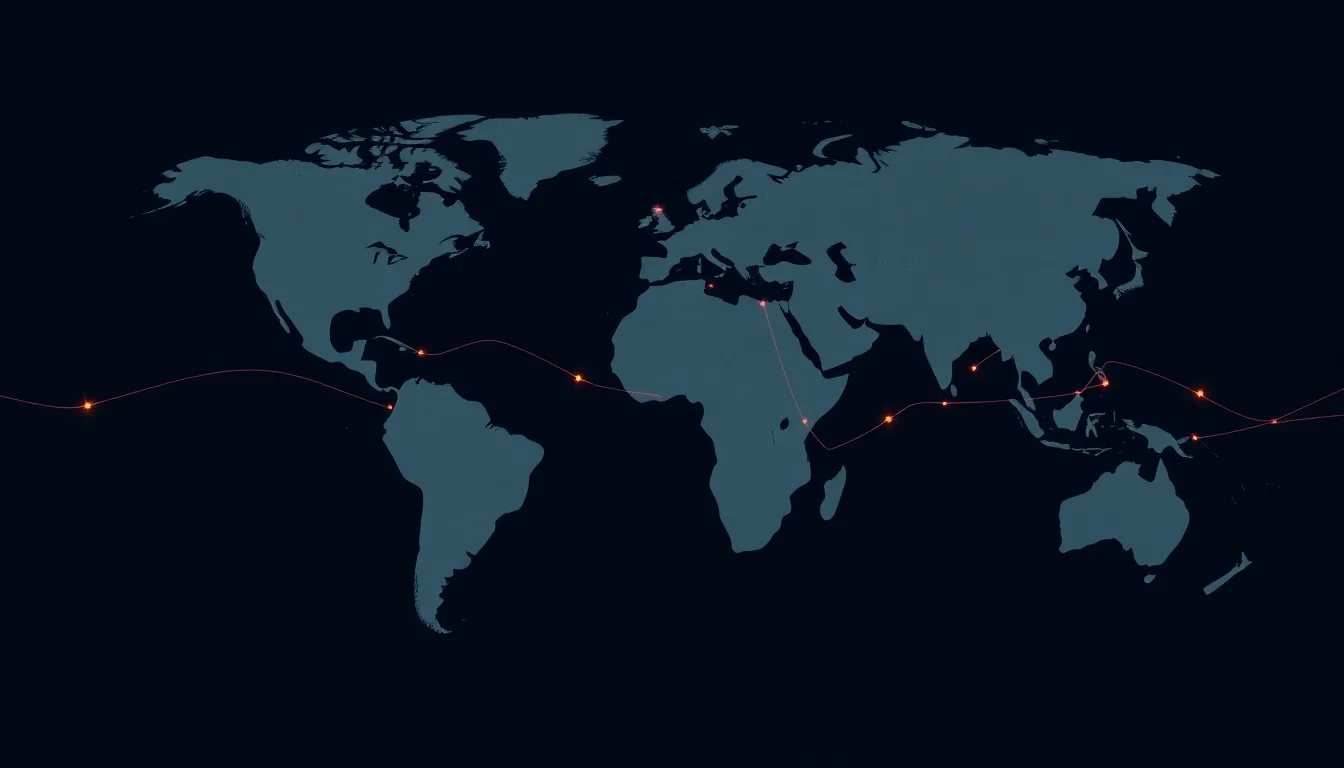
The globalization model refers to the process of increasing global interconnectedness, Economics and interdependence among countries. This phenomenon has been driven by advances in Technology, International Trade, and the growth of Multinational Corporations. As a result, the world has become a more integrated and complex system, with countries and economies increasingly linked. The globalization model has been shaped by various factors, including Globalization Theories and Economic Policies. Understanding the globalization model is essential for analyzing the current state of the world economy and predicting future trends. The World Bank and the International Monetary Fund have played significant roles in promoting globalization. The Washington Consensus has also had a profound impact on the globalization model.
📈 History of Globalization
The history of globalization dates back to the Age of Exploration, when European powers began to establish trade routes and colonies around the world. However, the modern era of globalization began in the late 20th century, with the emergence of Global Value Chains and the growth of international trade. The General Agreement on Tariffs and Trade (GATT) and the World Trade Organization (WTO) have played crucial roles in promoting free trade and reducing trade barriers. The Bretton Woods System has also been instrumental in shaping the globalization model. The Marshall Plan and the European Union have been significant examples of regional integration and globalization.
🌍 Theoretical Frameworks of Globalization
Theoretical frameworks of globalization include the Neoliberalism perspective, which emphasizes the role of free markets and Deregulation in promoting economic growth and development. The Dependency Theory perspective, on the other hand, argues that globalization has led to the exploitation of Developing Countries by Developed Countries. The World Systems Theory perspective views globalization as a complex system of economic and political relationships between countries. These frameworks have been influential in shaping the globalization model and understanding its implications. The Immanuel Wallerstein and the Fernand Braudel have been prominent scholars in the field of globalization studies.
📊 Benefits of Globalization
The benefits of globalization include increased economic growth, Job Creation, and access to new markets and technologies. Globalization has also led to the spread of Democracy and Human Rights around the world. The Globalization Index has been used to measure the level of globalization in different countries. However, the benefits of globalization have not been evenly distributed, and some countries have experienced significant economic and social costs. The Inequality and Poverty have been persistent issues in the globalization era. The OECD and the United Nations have been working to address these issues and promote more inclusive and sustainable globalization.
🚫 Criticisms of Globalization
Criticisms of globalization include concerns about the exploitation of workers, the environment, and local cultures. The Anti-Globalization Movement has been active in protesting against the negative impacts of globalization. The Sweatshop labor and the Child Labor have been significant issues in the globalization era. The Environmental Degradation and the Climate Change have also been linked to globalization. The Corporate Social Responsibility has been promoted as a way to address these issues and promote more sustainable and responsible business practices. The ILO and the WHO have been working to address the social and environmental impacts of globalization.
🌈 Cultural Impacts of Globalization
The cultural impacts of globalization have been significant, with the spread of Western Culture and values around the world. The Cultural Homogenization has been a concern, as local cultures and traditions are threatened by the dominance of global brands and media. The Language and the Education have been significant aspects of cultural globalization. The University and the Research Institute have been instrumental in promoting cultural exchange and understanding. The Cultural Diversity has been promoted as a way to preserve local cultures and promote cross-cultural understanding. The UNESCO has been working to promote cultural diversity and preserve cultural heritage.
📊 Economic Indicators of Globalization
Economic indicators of globalization include the growth of international trade, the expansion of Foreign Direct Investment (FDI), and the increase in global economic output. The GDP and the GNI have been used to measure the level of economic development and globalization. The Global Economic Crisis has had a significant impact on the globalization model, with many countries experiencing economic downturns and increased protectionism. The IMF and the World Bank have been working to address the crisis and promote more stable and sustainable economic growth. The Economic Indicators have been used to monitor the progress of globalization and identify areas for improvement.
🌐 Globalization and Technology
Globalization and technology have been closely linked, with advances in Information Technology (IT) and Communication Technology (CT) facilitating the growth of global trade and investment. The Internet and the E-Commerce have been significant drivers of globalization, enabling businesses to reach new markets and customers around the world. The Digital Divide has been a concern, as some countries and communities have been left behind in the digital revolution. The ICT has been promoted as a way to bridge the digital divide and promote more inclusive and sustainable development. The ITU and the WSIS have been working to address the digital divide and promote more equitable access to ICTs.
🌍 Regionalization and Globalization
Regionalization and globalization have been closely linked, with many countries forming regional trade agreements and economic blocs to promote economic integration and cooperation. The EU and the NAFTA have been significant examples of regional integration and globalization. The ASEAN and the Mercosur have also been prominent regional blocs. The Regionalization has been promoted as a way to promote more equitable and sustainable economic development, and to address the challenges of globalization. The UN and the OECD have been working to promote regionalization and address the challenges of globalization.
📈 Future of Globalization
The future of globalization is uncertain, with many countries facing significant economic and social challenges. The Globalization 2.0 has been proposed as a way to promote more inclusive and sustainable globalization, with a focus on addressing the social and environmental impacts of globalization. The Sustainable Development has been promoted as a way to balance economic growth with social and environmental concerns. The UN SDGs have been adopted as a way to promote more sustainable and equitable development. The Global Governance has been proposed as a way to address the challenges of globalization and promote more effective and accountable global institutions.
📊 Measuring Globalization
Measuring globalization is a complex task, with many different indicators and indices used to track the level of globalization. The Globalization Index has been used to measure the level of globalization in different countries. The KOF Index has also been used to measure the level of globalization. The AT Kearney Index has been used to measure the level of globalization in different countries. The Globalization Measurement has been an important area of research, with many scholars and institutions working to develop more accurate and comprehensive measures of globalization.
🌎 Conclusion on Globalization Model
In conclusion, the globalization model is a complex and multifaceted phenomenon that has had a significant impact on the world economy and society. The Globalization Theories have been influential in shaping our understanding of globalization and its implications. The Globalization Index has been used to measure the level of globalization in different countries. The UN and the OECD have been working to promote more inclusive and sustainable globalization. The Globalization 2.0 has been proposed as a way to promote more inclusive and sustainable globalization. The future of globalization is uncertain, but it is clear that it will continue to shape the world economy and society in significant ways.
Key Facts
- Year
- 1990
- Origin
- Post-Cold War Era
- Category
- Economics
- Type
- Concept
Frequently Asked Questions
What is globalization?
Globalization refers to the process of increasing global interconnectedness, economics and interdependence among countries. It has been driven by advances in technology, international trade, and the growth of multinational corporations. The globalization model has been shaped by various factors, including globalization theories and economic policies. Understanding the globalization model is essential for analyzing the current state of the world economy and predicting future trends.
What are the benefits of globalization?
The benefits of globalization include increased economic growth, job creation, and access to new markets and technologies. Globalization has also led to the spread of democracy and human rights around the world. However, the benefits of globalization have not been evenly distributed, and some countries have experienced significant economic and social costs. The inequality and poverty have been persistent issues in the globalization era.
What are the criticisms of globalization?
Criticisms of globalization include concerns about the exploitation of workers, the environment, and local cultures. The anti-globalization movement has been active in protesting against the negative impacts of globalization. The sweatshop labor and the child labor have been significant issues in the globalization era. The environmental degradation and the climate change have also been linked to globalization.
How is globalization measured?
Measuring globalization is a complex task, with many different indicators and indices used to track the level of globalization. The globalization index has been used to measure the level of globalization in different countries. The KOF index has also been used to measure the level of globalization. The AT Kearney index has been used to measure the level of globalization in different countries.
What is the future of globalization?
The future of globalization is uncertain, with many countries facing significant economic and social challenges. The globalization 2.0 has been proposed as a way to promote more inclusive and sustainable globalization, with a focus on addressing the social and environmental impacts of globalization. The sustainable development has been promoted as a way to balance economic growth with social and environmental concerns.
What is the role of technology in globalization?
Technology has played a significant role in facilitating the growth of globalization, with advances in information technology and communication technology enabling businesses to reach new markets and customers around the world. The internet and e-commerce have been significant drivers of globalization, enabling businesses to operate globally and connect with customers and suppliers around the world.
What is the impact of globalization on local cultures?
The impact of globalization on local cultures has been significant, with the spread of western culture and values around the world. The cultural homogenization has been a concern, as local cultures and traditions are threatened by the dominance of global brands and media. The cultural diversity has been promoted as a way to preserve local cultures and promote cross-cultural understanding.