
Contents
- 🎨 Introduction to Gustav Klimt
- 🕊️ The Vienna Secession Movement
- 🖌️ Klimt's Artistic Style
- 👩🎤 The Female Body in Klimt's Work
- 🌳 Landscapes and Allegories
- 🤝 Influence of Japanese Art
- 📸 Famous Works: The Kiss and Portrait of Adele Bloch-Bauer I
- 👥 Klimt's Contemporaries and Legacy
- 🏛️ Museums and Exhibitions
- 📚 Books and Documentaries
- 👀 Critique and Controversy
- 🔜 Conclusion and Future Perspectives
- Frequently Asked Questions
- Related Topics
Overview
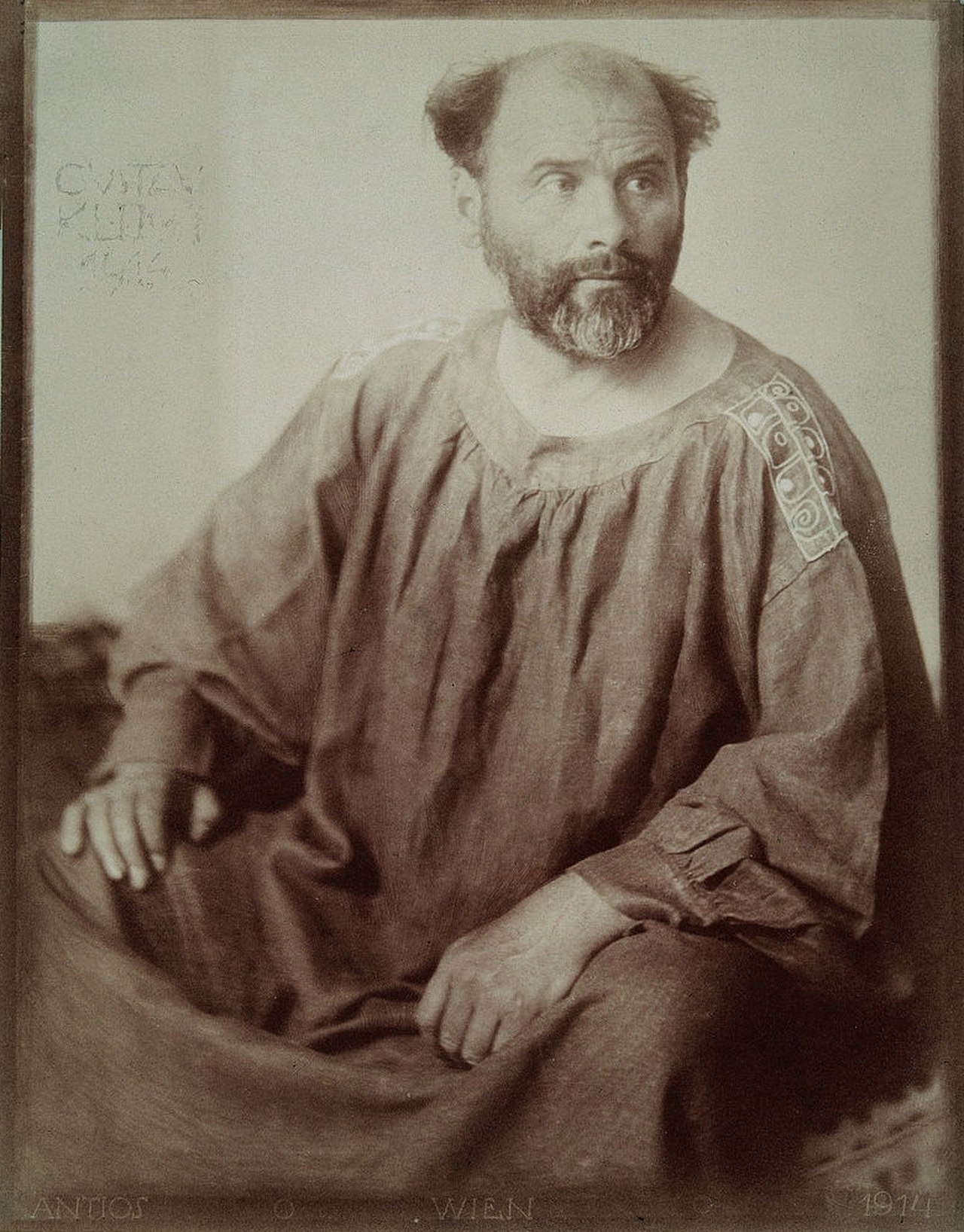
Gustav Klimt, an Austrian Symbolist painter, is renowned for his opulent and intricate works that blend elements of Byzantine mosaics, Greek mythology, and eroticism. Born on July 14, 1862, in Baumgarten, near Vienna, Klimt's artistic career spanned over three decades, during which he co-founded the Vienna Secession movement, a group that sought to break away from traditional academic art forms. His most famous works, such as 'The Kiss' (1907-1908) and 'Judith and the Head of Holofernes' (1901), showcase his unique style, characterized by the use of gold leaf and a focus on the human figure. Klimt's art often sparked controversy due to its perceived eroticism and departure from traditional representation. With a Vibe score of 85, Klimt's influence can be seen in various aspects of modern art, from Art Nouveau to contemporary painting. As a testament to his enduring legacy, Klimt's paintings continue to be highly valued, with 'Portrait of Adele Bloch-Bauer I' (1907) selling for $135 million in 2006. The controversy surrounding his work and the ongoing debate about the ownership of his paintings, particularly those seized by the Nazis during World War II, ensure that Klimt's art remains a topic of discussion and fascination.
🎨 Introduction to Gustav Klimt
Gustav Klimt was a renowned Austrian symbolist painter and a founding member of the Vienna Secession movement. His work helped define the Art Nouveau style in Europe, characterized by sinuous lines, flowing curves, and a sense of luxury. Klimt's primary subject was the female body, and his works are marked by a frank eroticism. Amongst his figurative works, which include allegories and portraits, he painted landscapes. For more information on Klimt's life and work, visit the Gustav Klimt page.
🕊️ The Vienna Secession Movement
The Vienna Secession movement was a group of artists who sought to break away from traditional academic art forms and create a new, more modern style. Klimt was one of the leading figures of this movement, and his work was heavily influenced by the ideas of symbolism and Art Nouveau. The movement's emphasis on experimentation and innovation led to the creation of some of Klimt's most famous works, including The Kiss and Portrait of Adele Bloch-Bauer I. To learn more about the Vienna Secession movement, visit the Vienna Secession movement page.
🖌️ Klimt's Artistic Style
Klimt's artistic style was characterized by the use of gold leaf and intricate patterns, which gave his works a sense of luxury and opulence. He was also known for his use of symbolism and allegory in his paintings, which added a layer of depth and meaning to his work. Klimt's style was influenced by a range of sources, including Japanese art and Byzantine art. For example, his use of gold leaf was inspired by the Byzantine mosaics he saw on his travels. To see more of Klimt's artwork, visit the Klimt Gallery page.
👩🎤 The Female Body in Klimt's Work
The female body was a central theme in Klimt's work, and he is known for his frank and unapologetic depiction of eroticism. His paintings of women are often characterized by a sense of sensuality and intimacy, and he was not afraid to push the boundaries of what was considered acceptable in his time. Klimt's portraits of women, such as Portrait of Adele Bloch-Bauer I, are considered some of his most famous works. To learn more about Klimt's portraits, visit the Klimt Portraits page.
🌳 Landscapes and Allegories
In addition to his figurative works, Klimt also painted landscapes and allegories. His landscapes are characterized by a sense of tranquility and peace, and often feature trees, flowers, and other natural forms. Klimt's allegories, on the other hand, are often more complex and layered, and feature a range of symbols and motifs. For example, his painting The Tree of Life features a range of symbols, including the tree of life and the ouroboros. To see more of Klimt's landscapes and allegories, visit the Klimt Landscapes page.
🤝 Influence of Japanese Art
Klimt was heavily influenced by Japanese art and its methods, and he often incorporated elements of Japanese design into his work. He was particularly drawn to the use of gold leaf and other decorative techniques, which he used to create a sense of luxury and opulence in his paintings. Klimt's interest in Japanese art was part of a broader trend in Europe at the time, as artists and collectors became increasingly fascinated by the art and culture of Japan. To learn more about Japanese art, visit the Japanese Art page.
📸 Famous Works: The Kiss and Portrait of Adele Bloch-Bauer I
Two of Klimt's most famous works are The Kiss and Portrait of Adele Bloch-Bauer I. The Kiss is a painting of a couple embracing, and is characterized by a sense of intimacy and sensuality. Portrait of Adele Bloch-Bauer I is a portrait of a woman, and is known for its use of gold leaf and intricate patterns. Both paintings are considered some of Klimt's most important works, and are widely regarded as masterpieces of Art Nouveau. To see more of Klimt's famous works, visit the Klimt Famous Works page.
👥 Klimt's Contemporaries and Legacy
Klimt was part of a vibrant artistic community in Vienna, and his contemporaries included artists such as Egon Schiele and Oskar Kokoschka. He was also influenced by a range of other artists and movements, including Japanese art and symbolism. Klimt's legacy can be seen in the work of many other artists, and he remains one of the most important and influential figures in the history of Art Nouveau. To learn more about Klimt's contemporaries, visit the Klimt Contemporaries page.
🏛️ Museums and Exhibitions
Klimt's work can be found in museums and exhibitions around the world, including the Vienna Secession building and the Belvedere Museum in Vienna. His paintings are also highly prized by collectors, and many of his works have sold for millions of dollars at auction. To see more of Klimt's artwork in person, visit the Klimt Exhibitions page.
📚 Books and Documentaries
There are many books and documentaries about Klimt's life and work, including biographies and documentaries. These resources provide a wealth of information about Klimt's artistic style, his influences, and his legacy. To learn more about Klimt's life and work, visit the Klimt Books page.
👀 Critique and Controversy
Klimt's work has been the subject of much critique and controversy over the years, with some critics accusing him of being too erotic or decadent. However, his paintings remain widely popular and influential, and he is widely regarded as one of the most important artists of the Art Nouveau movement. To learn more about the controversy surrounding Klimt's work, visit the Klimt Controversy page.
🔜 Conclusion and Future Perspectives
In conclusion, Gustav Klimt was a highly influential and innovative artist who played a major role in shaping the Art Nouveau style. His use of gold leaf, intricate patterns, and frank eroticism helped to create a sense of luxury and opulence in his paintings, and his influence can still be seen in the work of many other artists today. As we look to the future, it will be interesting to see how Klimt's legacy continues to evolve and inspire new generations of artists and art lovers. To learn more about Klimt's legacy, visit the Klimt Legacy page.
Key Facts
- Year
- 1862
- Origin
- Austria
- Category
- Art and Culture
- Type
- Person
Frequently Asked Questions
What was Gustav Klimt's primary subject?
Gustav Klimt's primary subject was the female body, and his works are marked by a frank eroticism. He is known for his paintings of women, which are often characterized by a sense of sensuality and intimacy. For more information on Klimt's portraits, visit the Klimt Portraits page. Klimt's use of the female body as a subject was influenced by his interest in symbolism and Art Nouveau. To learn more about Klimt's influences, visit the Klimt Influences page.
What was the Vienna Secession movement?
The Vienna Secession movement was a group of artists who sought to break away from traditional academic art forms and create a new, more modern style. The movement was characterized by its emphasis on experimentation and innovation, and it played a major role in shaping the Art Nouveau style. To learn more about the Vienna Secession movement, visit the Vienna Secession movement page. The movement's influence can still be seen in the work of many artists today, including those who specialize in Art Nouveau and symbolism.
What are some of Klimt's most famous works?
Two of Klimt's most famous works are The Kiss and Portrait of Adele Bloch-Bauer I. The Kiss is a painting of a couple embracing, and is characterized by a sense of intimacy and sensuality. Portrait of Adele Bloch-Bauer I is a portrait of a woman, and is known for its use of gold leaf and intricate patterns. To see more of Klimt's famous works, visit the Klimt Famous Works page. Both paintings are considered some of Klimt's most important works, and are widely regarded as masterpieces of Art Nouveau.
What was Klimt's influence on the art world?
Klimt's influence on the art world was significant, and he played a major role in shaping the Art Nouveau style. His use of gold leaf, intricate patterns, and frank eroticism helped to create a sense of luxury and opulence in his paintings, and his influence can still be seen in the work of many other artists today. To learn more about Klimt's influence, visit the Klimt Influence page. Klimt's legacy continues to evolve and inspire new generations of artists and art lovers, and his work remains widely popular and influential. For more information on Klimt's legacy, visit the Klimt Legacy page.
Where can I see Klimt's work?
Klimt's work can be found in museums and exhibitions around the world, including the Vienna Secession building and the Belvedere Museum in Vienna. His paintings are also highly prized by collectors, and many of his works have sold for millions of dollars at auction. To see more of Klimt's artwork in person, visit the Klimt Exhibitions page. For more information on Klimt's artwork, visit the Klimt Gallery page.
What are some good resources for learning about Klimt?
There are many good resources for learning about Klimt, including biographies and documentaries. These resources provide a wealth of information about Klimt's artistic style, his influences, and his legacy. To learn more about Klimt's life and work, visit the Klimt Books page. For more information on Klimt's artwork, visit the Klimt Gallery page.
What is Klimt's legacy?
Klimt's legacy is complex and multifaceted, and he remains one of the most important and influential figures in the history of Art Nouveau. His use of gold leaf, intricate patterns, and frank eroticism helped to create a sense of luxury and opulence in his paintings, and his influence can still be seen in the work of many other artists today. To learn more about Klimt's legacy, visit the Klimt Legacy page. Klimt's artwork continues to inspire new generations of artists and art lovers, and his work remains widely popular and influential.