
Contents
- 🌿 Introduction to Papermaking
- 🏯 The Ancient Roots of Papyrus
- 📜 The Birth of Paper in China
- 🕊️ The Spread of Papermaking to the Islamic World
- 🌍 The European Paper Revolution
- 🌊 The Impact of Water-Powered Paper Mills
- 🌳 The Advent of Wood-Based Papers
- 💡 Innovations in 19th Century Papermaking
- 📊 The Economic Impact of Paper Production
- 🌎 The Globalization of Paper Trade
- 📚 The Cultural Significance of Paper
- Frequently Asked Questions
- Related Topics
Overview
The history of paper dates back to ancient China around 105 AD, where it was first invented by Cai Lun, a court official. Initially made from mulberry bark, hemp, and water, paper production spread throughout Asia and eventually to the Middle East and Europe through the Silk Road trade routes. The introduction of paper to Europe in the 13th century revolutionized communication, education, and art, with the first paper mill established in Italy in 1276. The Industrial Revolution further transformed paper production with the introduction of mechanized pulp processing and the Fourdrinier machine, enabling mass production and paving the way for modern printing and publishing. Today, paper remains a vital material in both traditional and digital forms, with a global production of over 400 million metric tons annually. As the world grapples with sustainability and environmental concerns, the history of paper serves as a reminder of human ingenuity and the need for responsible innovation, with companies like Kimberly-Clark and Sappi leading the charge in sustainable forestry practices and recycled paper production.
🌿 Introduction to Papermaking
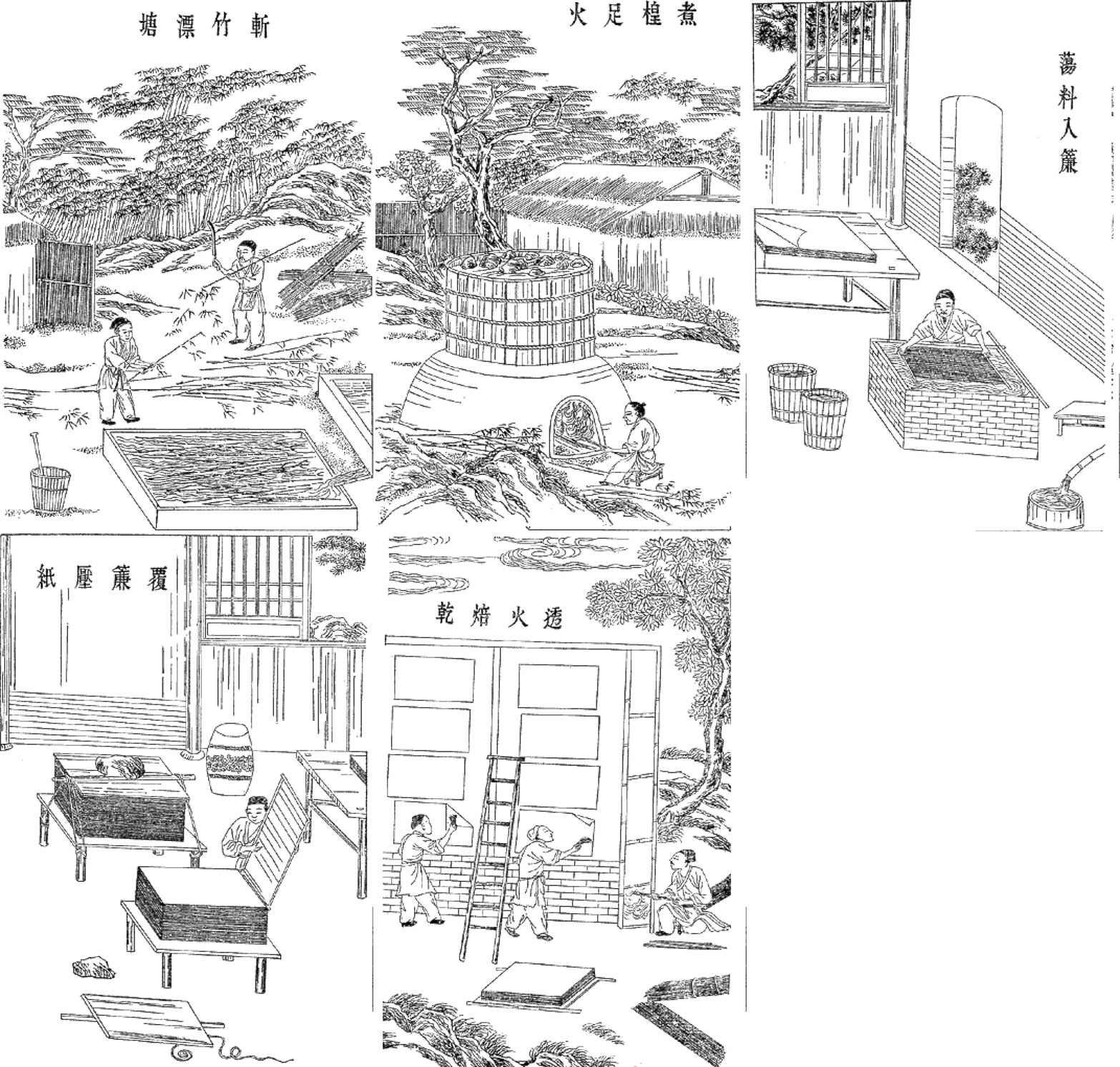
The history of paper is a long and winding road, filled with twists and turns that have shaped the course of human civilization. From the early days of Papyrus in ancient Egypt to the modern paper mills of today, the story of paper is one of innovation and adaptation. The first paper-like plant-based writing sheet was Papyrus, but it was the invention of the papermaking process in China during the Eastern Han period that truly revolutionized the way people communicated. This process, traditionally attributed to the court official Cai Lun, involved mixing plant fibers with water to create a pulp, which was then screened and dried to produce a thin, durable sheet of paper. As the use of paper spread throughout China, it became an essential tool for Writing, Drawing, and even Money.
🏯 The Ancient Roots of Papyrus
The use of Papyrus in ancient Egypt dates back to around 2500 BCE, where it was used for a variety of purposes, including Writing and Art. However, papyrus had its limitations, including its fragility and tendency to deteriorate over time. The invention of paper in China marked a significant improvement over papyrus, as it was more durable and versatile. The papermaking process involved mixing plant fibers, such as Mulberry bark and Hemp, with water to create a pulp, which was then screened and dried to produce a thin, durable sheet of paper. As paper production increased, it became a major industry in China, with paper mills and Paper Trade networks springing up throughout the country.
📜 The Birth of Paper in China
The birth of paper in China is a story of innovation and experimentation. The traditional process of papermaking, which involved mixing plant fibers with water to create a pulp, was first documented during the Eastern Han period. This process, which was refined over time, involved several key steps, including Pulping, Screening, and Drying. The resulting paper was strong, durable, and versatile, making it an ideal material for a variety of applications, including Writing, Drawing, and Money. As paper production increased, it became a major industry in China, with paper mills and Paper Trade networks springing up throughout the country. The impact of paper on Chinese society was significant, with paper becoming a key component of Education, Art, and Commerce.
🕊️ The Spread of Papermaking to the Islamic World
The spread of papermaking to the Islamic world marked a significant turning point in the history of paper. During the 8th century, Chinese paper making spread to the Islamic world, where it replaced Papyrus as the primary writing material. The Islamic world, which stretched from Spain to India, was a major center of learning and culture, and the introduction of paper had a profound impact on the development of Education, Science, and Art. Paper mills and Paper Trade networks sprang up throughout the Islamic world, with cities like Baghdad and Cairo becoming major centers of paper production. The use of paper in the Islamic world also facilitated the spread of Knowledge and Ideas, with paper becoming a key component of Scholarship and Intellectual Discourse.
🌍 The European Paper Revolution
The European paper revolution, which began in the 11th century, marked a significant turning point in the history of paper. As papermaking was brought to Europe, it replaced Parchment and Wood Panels as the primary writing material. The introduction of paper had a profound impact on the development of Education, Art, and Commerce in Europe. Paper mills and Paper Trade networks sprang up throughout Europe, with cities like Venice and Florence becoming major centers of paper production. The use of paper in Europe also facilitated the spread of Knowledge and Ideas, with paper becoming a key component of Scholarship and Intellectual Discourse. As the use of paper spread throughout Europe, it became an essential tool for Writing, Drawing, and even Money.
🌊 The Impact of Water-Powered Paper Mills
The impact of water-powered paper mills on the papermaking process was significant. By the 13th century, paper mills using waterwheels in Spain had become a common sight, with the waterwheel providing the power needed to drive the papermaking machinery. The use of water power marked a significant improvement over traditional papermaking methods, which relied on human labor to power the machinery. With the introduction of water power, paper production increased significantly, making paper more widely available and affordable. The use of water power also facilitated the development of new papermaking technologies, including the introduction of Paper Machines and Paper Finishing techniques. As the use of paper spread throughout Europe, it became an essential tool for Writing, Drawing, and even Money.
🌳 The Advent of Wood-Based Papers
The advent of wood-based papers in 19th century Europe marked a significant turning point in the history of paper. The invention of the Wood Pulping process, which involved breaking down wood into a pulp, made it possible to produce paper from wood fibers. This marked a significant improvement over traditional papermaking methods, which relied on plant fibers such as Cotton and Linen. The use of wood fibers also made paper production more efficient and cost-effective, making paper more widely available and affordable. The introduction of wood-based papers also facilitated the development of new papermaking technologies, including the introduction of Paper Machines and Paper Finishing techniques. As the use of paper spread throughout Europe, it became an essential tool for Writing, Drawing, and even Money.
💡 Innovations in 19th Century Papermaking
The innovations in 19th century papermaking had a profound impact on the paper industry. The introduction of Paper Machines and Paper Finishing techniques made paper production more efficient and cost-effective, making paper more widely available and affordable. The use of wood fibers also facilitated the development of new paper products, including Newspaper and Cardboard. The introduction of Chemical Pulping processes also made it possible to produce paper from a wider range of raw materials, including Recycled Paper. As the use of paper spread throughout Europe, it became an essential tool for Writing, Drawing, and even Money. The impact of paper on European society was significant, with paper becoming a key component of Education, Art, and Commerce.
📊 The Economic Impact of Paper Production
The economic impact of paper production was significant, with the paper industry becoming a major contributor to the economy. The introduction of paper had a profound impact on the development of Commerce and Trade, with paper becoming a key component of Business and Finance. The use of paper also facilitated the spread of Knowledge and Ideas, with paper becoming a key component of Scholarship and Intellectual Discourse. As the use of paper spread throughout Europe, it became an essential tool for Writing, Drawing, and even Money. The impact of paper on European society was significant, with paper becoming a key component of Education, Art, and Commerce.
🌎 The Globalization of Paper Trade
The globalization of paper trade had a profound impact on the paper industry, with paper becoming a major commodity in international trade. The introduction of Paper Machines and Paper Finishing techniques made paper production more efficient and cost-effective, making paper more widely available and affordable. The use of wood fibers also facilitated the development of new paper products, including Newspaper and Cardboard. The introduction of Chemical Pulping processes also made it possible to produce paper from a wider range of raw materials, including Recycled Paper. As the use of paper spread throughout the world, it became an essential tool for Writing, Drawing, and even Money.
📚 The Cultural Significance of Paper
The cultural significance of paper is profound, with paper becoming a key component of Art, Literature, and Music. The introduction of paper had a profound impact on the development of Education, with paper becoming a key component of Learning and Scholarship. The use of paper also facilitated the spread of Knowledge and Ideas, with paper becoming a key component of Intellectual Discourse. As the use of paper spread throughout the world, it became an essential tool for Writing, Drawing, and even Money. The impact of paper on human society was significant, with paper becoming a key component of Culture, History, and Identity.
Key Facts
- Year
- 105
- Origin
- Ancient China
- Category
- History of Technology
- Type
- Historical Concept
Frequently Asked Questions
What is the history of paper?
The history of paper dates back to ancient China, where the first paper-like plant-based writing sheet was invented during the Eastern Han period. The traditional process of papermaking, which involved mixing plant fibers with water to create a pulp, was first documented during this time. The use of paper spread throughout China, and later to the Islamic world and Europe, where it replaced papyrus and parchment as the primary writing material. The introduction of paper had a profound impact on the development of education, art, and commerce, and it became an essential tool for writing, drawing, and even money.
How was paper first made?
The first paper-like plant-based writing sheet was made from a combination of milled plant and other textile fibers. The traditional process of papermaking, which involved mixing plant fibers with water to create a pulp, was first documented during the Eastern Han period in China. The pulp was then screened and dried to produce a thin, durable sheet of paper. The resulting paper was strong, durable, and versatile, making it an ideal material for a variety of applications, including writing, drawing, and money.
What were the major innovations in papermaking?
The major innovations in papermaking include the introduction of water-powered paper mills, the use of wood fibers, and the development of chemical pulping processes. The introduction of paper machines and paper finishing techniques also made paper production more efficient and cost-effective. The use of recycled paper and other raw materials also became more common, making paper production more sustainable and environmentally friendly.
How did paper impact society?
The introduction of paper had a profound impact on society, with paper becoming a key component of education, art, and commerce. Paper facilitated the spread of knowledge and ideas, and it became an essential tool for writing, drawing, and even money. The use of paper also had a significant impact on the development of literature, music, and art, and it became a key component of culture, history, and identity.
What is the cultural significance of paper?
The cultural significance of paper is profound, with paper becoming a key component of art, literature, and music. Paper facilitated the spread of knowledge and ideas, and it became an essential tool for writing, drawing, and even money. The use of paper also had a significant impact on the development of education, and it became a key component of learning and scholarship. The impact of paper on human society was significant, with paper becoming a key component of culture, history, and identity.
How has paper production evolved over time?
Paper production has evolved significantly over time, with the introduction of new technologies and raw materials. The use of wood fibers, chemical pulping processes, and recycled paper has made paper production more efficient and cost-effective. The development of paper machines and paper finishing techniques has also improved the quality and consistency of paper. The use of sustainable and environmentally friendly practices has also become more common in paper production, making it a more responsible and eco-friendly industry.
What are the major types of paper?
The major types of paper include writing paper, printing paper, packaging paper, and specialty paper. Writing paper is used for everyday writing and printing, while printing paper is used for high-quality printing applications. Packaging paper is used for packaging and shipping, and specialty paper is used for a variety of applications, including art, crafts, and industrial uses.