
Contents
- 🌎 Introduction to Human Immunodeficiency Virus (HIV)
- 🧬 HIV Structure and Genetics
- 📊 HIV Transmission and Epidemiology
- 🏥 HIV Diagnosis and Treatment
- 💊 Antiretroviral Therapy (ART) and HIV Management
- 🌈 HIV and AIDS: Understanding the Difference
- 🚫 HIV Prevention and Education
- 🌟 HIV Research and Future Directions
- 👥 HIV and Social Stigma
- 📊 HIV Statistics and Trends
- 🌎 Global HIV Response and Initiatives
- Frequently Asked Questions
- Related Topics
Overview
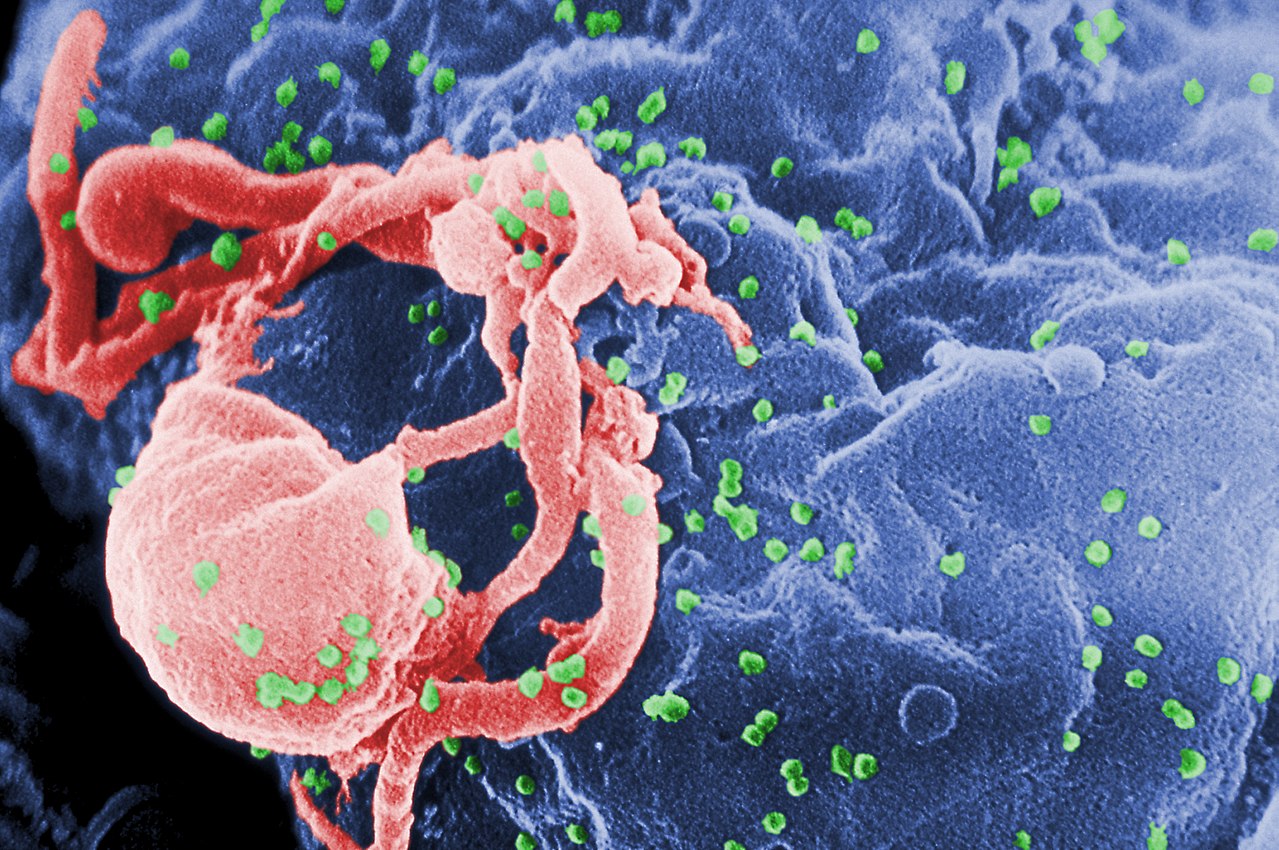
The human immunodeficiency virus (HIV) is a lentivirus that attacks the body's immune system, specifically targeting CD4 cells (T cells), which play a crucial role in the immune response. First identified in the early 1980s, HIV has become one of the most significant global health crises, with over 38 million people living with the virus worldwide, as of 2022. The virus is primarily spread through unprotected sexual intercourse, contaminated blood transfusions, and from mother to child during pregnancy, childbirth, or breastfeeding. Despite significant advancements in antiretroviral therapy (ART), which can suppress the virus and prevent the progression to AIDS (Acquired Immunodeficiency Syndrome), there is still no cure for HIV. The development of an effective HIV vaccine remains an ongoing challenge, with several candidates in various stages of clinical trials. As research continues to unravel the complexities of HIV, it is clear that a multifaceted approach, including prevention, treatment, and education, is necessary to combat this pandemic, with notable efforts from organizations such as the Joint United Nations Programme on HIV/AIDS (UNAIDS) and the U.S. President's Emergency Plan for AIDS Relief (PEPFAR), which have significantly contributed to the global response, with UNAIDS reporting a 52% decline in AIDS-related deaths between 2001 and 2022, and PEPFAR supporting over 18 million people on ART, as of 2022.
🌎 Introduction to Human Immunodeficiency Virus (HIV)
The Human Immunodeficiency Virus (HIV) is a complex and multifaceted health issue that has been a major concern for decades. According to the World Health Organization, HIV is a type of Lentivirus that infects humans and can lead to AIDS. The virus attacks the body's immune system, specifically the CD4 cells, which help the immune system fight off infections. Without treatment, HIV can progress to AIDS, a condition in which the immune system is severely weakened, making it difficult for the body to fight off opportunistic infections and cancers. For more information on HIV and AIDS, visit the Centers for Disease Control and Prevention website.
🧬 HIV Structure and Genetics
HIV is a type of retrovirus, which means that it uses reverse transcription to replicate its genetic material. The virus has a complex structure, consisting of a protein coat and a genetic core. There are two main types of HIV: HIV-1 and HIV-2. HIV-1 is the most common type and is responsible for the majority of HIV infections worldwide. For more information on the genetics of HIV, visit the National Institutes of Health website. The HIV genome is composed of nine genes that encode for various proteins involved in the replication and transmission of the virus. Understanding the genetics of HIV is crucial for the development of effective treatments and vaccines.
📊 HIV Transmission and Epidemiology
HIV is primarily transmitted through bodily fluids, such as blood, semen, and vaginal fluids. The virus can be spread through various routes, including sexual contact, blood transfusions, and mother-to-child transmission during pregnancy or breastfeeding. According to the Joint United Nations Programme on HIV/AIDS, there were approximately 38 million people living with HIV worldwide in 2020. The HIV epidemiology is complex and influenced by various factors, including socioeconomic status, education, and access to healthcare. For more information on HIV transmission and epidemiology, visit the World Health Organization website.
🏥 HIV Diagnosis and Treatment
Diagnosing HIV typically involves a series of tests, including the ELISA test and the Western blot test. If left untreated, HIV can progress to AIDS, which is characterized by a range of symptoms, including weight loss, fever, and opportunistic infections. The HIV diagnosis process can be complex and requires a comprehensive approach. For more information on HIV diagnosis and treatment, visit the Centers for Disease Control and Prevention website. The HIV treatment options include antiretroviral therapy (ART), which can help manage the virus and prevent the progression to AIDS.
🌈 HIV and AIDS: Understanding the Difference
While HIV and AIDS are often used interchangeably, they are not the same thing. HIV is the virus that causes AIDS, which is a condition characterized by a weakened immune system. AIDS is the most advanced stage of HIV infection, and it is typically diagnosed when the CD4 cell count falls below 200 cells per cubic millimeter of blood. For more information on the difference between HIV and AIDS, visit the Centers for Disease Control and Prevention website. The HIV and AIDS distinction is crucial for understanding the progression of the disease and the importance of early diagnosis and treatment.
🚫 HIV Prevention and Education
Preventing HIV transmission is crucial for reducing the spread of the virus. This can be achieved through a range of strategies, including the use of condoms, pre-exposure prophylaxis (PrEP), and post-exposure prophylaxis (PEP). Education and awareness are also critical for preventing HIV transmission, particularly among high-risk groups such as men who have sex with men and injection drug users. For more information on HIV prevention and education, visit the AIDS.gov website. The HIV prevention strategies require a comprehensive approach, including behavioral interventions and biomedical interventions.
🌟 HIV Research and Future Directions
Researchers are continually working to develop new and more effective treatments for HIV, as well as a vaccine to prevent infection. One of the most promising areas of research is the development of broadly neutralizing antibodies, which have been shown to be effective in preventing HIV transmission in animal models. For more information on HIV research and future directions, visit the National Institutes of Health website. The HIV research community is working together to find a cure for HIV and improve the lives of people living with the virus.
📊 HIV Statistics and Trends
According to the Joint United Nations Programme on HIV/AIDS, there were approximately 1.5 million new HIV infections worldwide in 2020. The majority of these infections occurred in sub-Saharan Africa, where the epidemic is most severe. For more information on HIV statistics and trends, visit the Centers for Disease Control and Prevention website. The HIV statistics are crucial for understanding the scope of the epidemic and the impact of interventions.
🌎 Global HIV Response and Initiatives
The global response to HIV has been significant, with a range of initiatives and programs aimed at preventing transmission, providing treatment, and supporting people living with the virus. One of the most notable initiatives is the President's Emergency Plan for AIDS Relief (PEPFAR), which was launched in 2003 and has provided billions of dollars in funding for HIV prevention, treatment, and care in developing countries. For more information on global HIV response and initiatives, visit the AIDS.gov website.
Key Facts
- Year
- 1981
- Origin
- Central Africa
- Category
- Health and Medicine
- Type
- Virus
Frequently Asked Questions
What is HIV?
HIV is a type of Lentivirus that infects humans and can lead to AIDS. The virus attacks the body's immune system, specifically the CD4 cells, which help the immune system fight off infections. For more information on HIV, visit the Centers for Disease Control and Prevention website. The HIV virus is a complex and multifaceted health issue that requires a comprehensive approach.
How is HIV transmitted?
HIV is primarily transmitted through bodily fluids, such as blood, semen, and vaginal fluids. The virus can be spread through various routes, including sexual contact, blood transfusions, and mother-to-child transmission during pregnancy or breastfeeding. For more information on HIV transmission, visit the World Health Organization website. The HIV transmission process is complex and influenced by various factors, including socioeconomic status, education, and access to healthcare.
What are the symptoms of HIV?
The symptoms of HIV can vary depending on the stage of infection. In the early stages, people may experience flu-like symptoms, such as fever, headache, and fatigue. As the virus progresses, people may experience more severe symptoms, such as weight loss, diarrhea, and opportunistic infections. For more information on HIV symptoms, visit the AIDS.gov website. The HIV symptoms can be complex and require a comprehensive approach for diagnosis and treatment.
How is HIV treated?
HIV is typically treated with antiretroviral therapy (ART), which involves a combination of medications that work to suppress the virus. ART can help manage the virus, prevent the progression to AIDS, and reduce the risk of transmission to others. For more information on HIV treatment, visit the Centers for Disease Control and Prevention website. The HIV treatment options require a comprehensive approach, including regular monitoring of viral load and CD4 cell count.
Can HIV be prevented?
Yes, HIV can be prevented through a range of strategies, including the use of condoms, pre-exposure prophylaxis (PrEP), and post-exposure prophylaxis (PEP). Education and awareness are also critical for preventing HIV transmission, particularly among high-risk groups such as men who have sex with men and injection drug users. For more information on HIV prevention, visit the AIDS.gov website. The HIV prevention strategies require a comprehensive approach, including behavioral interventions and biomedical interventions.
What is the difference between HIV and AIDS?
While HIV and AIDS are often used interchangeably, they are not the same thing. HIV is the virus that causes AIDS, which is a condition characterized by a weakened immune system. AIDS is the most advanced stage of HIV infection, and it is typically diagnosed when the CD4 cell count falls below 200 cells per cubic millimeter of blood. For more information on the difference between HIV and AIDS, visit the Centers for Disease Control and Prevention website. The HIV and AIDS distinction is crucial for understanding the progression of the disease and the importance of early diagnosis and treatment.
How many people are living with HIV worldwide?
According to the Joint United Nations Programme on HIV/AIDS, there were approximately 38 million people living with HIV worldwide in 2020. The majority of these individuals live in sub-Saharan Africa, where the epidemic is most severe. For more information on HIV statistics and trends, visit the Centers for Disease Control and Prevention website. The HIV statistics are crucial for understanding the scope of the epidemic and the impact of interventions.