The Widening Chasm: Income Inequality | Golden Age
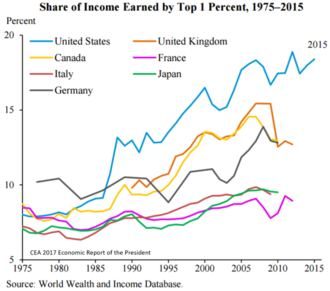
Income inequality, a phenomenon where the rich get richer and the poor get poorer, has been a persistent issue globally. The Gini coefficient, a widely used mea
Overview
Income inequality, a phenomenon where the rich get richer and the poor get poorer, has been a persistent issue globally. The Gini coefficient, a widely used measure of income inequality, has been increasing in many countries, including the United States, where the top 1% of earners now hold more than 40% of the country's wealth. According to a 2020 report by the Economic Policy Institute, the wealthiest 10% of Americans now own over 70% of the country's wealth, while the bottom 50% own less than 1%. This stark contrast has led to social and economic consequences, including decreased social mobility, increased poverty rates, and reduced economic growth. The issue is further complicated by factors such as tax policies, access to education and job opportunities, and systemic discrimination. As the global economy continues to evolve, it is essential to address income inequality to ensure a more equitable distribution of wealth and opportunities. The World Bank estimates that if left unaddressed, income inequality could lead to a 10% reduction in global economic growth by 2030.