
Contents
- 🌎 Introduction to Iron
- ⚗️ Chemical Properties of Iron
- 🌐 Iron in the Earth's Core
- 🔍 Iron Deposits and Meteorites
- 🏭 Industrial Applications of Iron
- 🚀 Iron in Space Exploration
- 👥 History of Iron Use
- 💡 Iron in Biology and Medicine
- 🔬 Iron Recycling and Sustainability
- 📊 Economic Impact of Iron
- 🔮 Future of Iron Production
- Frequently Asked Questions
- Related Topics
Overview
Iron, with its atomic number 26, is a metal that has been at the heart of human civilization, from the iron age that transformed ancient societies to its current role in modern medicine, where it's essential for hemoglobin production. The history of iron is marked by significant milestones, including the development of steel in ancient India around 300 BCE and the introduction of the blast furnace in medieval Europe. Today, iron is a critical component in the production of steel, which accounts for over 90% of its use, with the global steel market valued at over $2.5 trillion. However, the extraction and processing of iron ore have significant environmental impacts, including deforestation and water pollution, sparking debates about sustainability. The cultural significance of iron is also profound, with a Vibe score of 82, reflecting its enduring presence in human history and its influence on art, literature, and technology. As researchers continue to explore new applications for iron, including in renewable energy and advanced materials, the future of this metal looks promising, with potential to shape the next industrial revolution.
🌎 Introduction to Iron
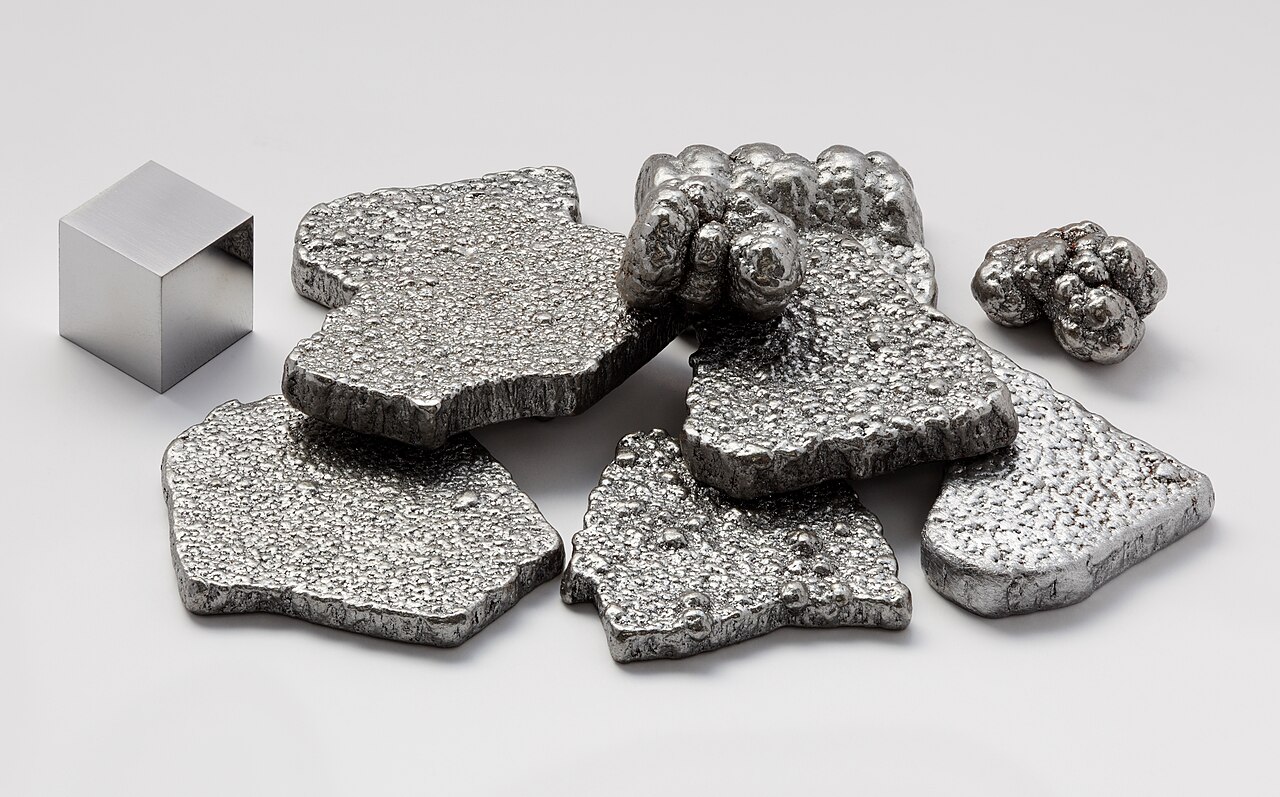
Iron is a chemical element with the symbol Fe and atomic number 26, belonging to the first transition series and group 8 of the Periodic Table. It is the most common element on Earth by mass, forming much of Earth's outer and inner core. Iron is also the fourth most abundant element in the Earth's crust. In its metallic state, it was mainly deposited by meteorites. The unique properties of iron make it an essential element in various industries, including construction, transportation, and energy production. For more information on the periodic table, visit the Periodic Table page. Iron is also closely related to Steel production.
⚗️ Chemical Properties of Iron
The chemical properties of iron are characterized by its ability to form compounds with other elements, such as oxygen, carbon, and nitrogen. Iron is a highly reactive metal, which makes it useful for various industrial applications. The reactivity of iron is also a major concern in terms of corrosion, as it can easily react with oxygen and moisture to form rust. To learn more about corrosion, visit the Corrosion page. Iron is also an essential element in the production of Steel and other alloys. The properties of iron can be modified by adding other elements, such as carbon, to create different types of steel.
🌐 Iron in the Earth's Core
Iron is a major component of the Earth's core, making up about 85% of the core's mass. The Earth's core is divided into a solid inner core and a liquid outer core, both of which are composed primarily of iron and nickel. The Earth's core is responsible for generating the planet's magnetic field, which is essential for navigation and communication. For more information on the Earth's core, visit the Earth Structure page. The Earth's core is also closely related to the Geology of the planet. Iron is an essential element in the Earth's core, and its unique properties make it an ideal component for the core's structure.
🔍 Iron Deposits and Meteorites
Iron deposits can be found in various forms, including hematite, magnetite, and siderite. These deposits are often extracted through mining and then processed into usable forms, such as iron ore and pig iron. Meteorites are also a significant source of iron, as they can contain high concentrations of the metal. The Mining industry plays a crucial role in the extraction of iron deposits. For more information on mining, visit the Mining page. Iron is also closely related to the production of Steel and other alloys.
🏭 Industrial Applications of Iron
Iron has numerous industrial applications, including the production of steel, which is used in construction, transportation, and consumer goods. Iron is also used in the manufacture of machinery, electronics, and other equipment. The unique properties of iron make it an essential element in various industries. For more information on the industrial applications of iron, visit the Industrial Applications page. Iron is also closely related to the production of Alloys and other metals. The properties of iron can be modified by adding other elements, such as carbon, to create different types of steel.
🚀 Iron in Space Exploration
Iron is also used in space exploration, as it is a key component of many spacecraft and satellite systems. The unique properties of iron make it an ideal material for use in extreme environments, such as the high temperatures and radiation of space. For more information on space exploration, visit the Space Exploration page. Iron is also closely related to the production of Spacecraft and other equipment. The properties of iron can be modified by adding other elements, such as carbon, to create different types of alloys.
👥 History of Iron Use
The history of iron use dates back to ancient times, when it was first extracted and processed by early civilizations. The use of iron revolutionized many industries, including agriculture, transportation, and construction. For more information on the history of iron use, visit the History of Iron page. Iron is also closely related to the production of Tools and other equipment. The unique properties of iron make it an essential element in various industries.
💡 Iron in Biology and Medicine
Iron is also an essential element in biology and medicine, as it is a key component of many enzymes and proteins. Iron deficiency is a common health problem, particularly in developing countries, and can have serious consequences if left untreated. For more information on iron in biology and medicine, visit the Biology and Medicine page. Iron is also closely related to the production of Enzymes and other proteins. The unique properties of iron make it an ideal component for many biological systems.
🔬 Iron Recycling and Sustainability
The recycling of iron is an important aspect of sustainable development, as it helps to conserve natural resources and reduce waste. Iron recycling involves the collection and processing of scrap iron, which is then melted and reformed into new products. For more information on iron recycling, visit the Recycling page. Iron is also closely related to the production of Sustainable Energy and other environmentally friendly technologies. The properties of iron can be modified by adding other elements, such as carbon, to create different types of alloys.
📊 Economic Impact of Iron
The economic impact of iron is significant, as it is a key component of many industries, including construction, transportation, and manufacturing. The demand for iron is high, and the metal is traded on commodity markets around the world. For more information on the economic impact of iron, visit the Economy page. Iron is also closely related to the production of Commodities and other metals. The unique properties of iron make it an essential element in various industries.
🔮 Future of Iron Production
The future of iron production is likely to be shaped by advances in technology and changes in global demand. New technologies, such as hydrogen-based reduction, are being developed to reduce the environmental impact of iron production. For more information on the future of iron production, visit the Future of Iron page. Iron is also closely related to the production of Renewable Energy and other sustainable technologies. The properties of iron can be modified by adding other elements, such as carbon, to create different types of alloys.
Key Facts
- Year
- 1808
- Origin
- Earth's Crust
- Category
- Science and Technology
- Type
- Chemical Element
Frequently Asked Questions
What is the symbol for iron?
The symbol for iron is Fe, which is derived from the Latin word for iron, ferrum. Iron is a chemical element with the atomic number 26, and it is a key component of many industries, including construction, transportation, and manufacturing. For more information on the periodic table, visit the Periodic Table page. Iron is also closely related to the production of Steel and other alloys.
What are the main uses of iron?
The main uses of iron include the production of steel, which is used in construction, transportation, and consumer goods. Iron is also used in the manufacture of machinery, electronics, and other equipment. The unique properties of iron make it an essential element in various industries. For more information on the industrial applications of iron, visit the Industrial Applications page. Iron is also closely related to the production of Alloys and other metals.
What is the history of iron use?
The history of iron use dates back to ancient times, when it was first extracted and processed by early civilizations. The use of iron revolutionized many industries, including agriculture, transportation, and construction. For more information on the history of iron use, visit the History of Iron page. Iron is also closely related to the production of Tools and other equipment. The unique properties of iron make it an essential element in various industries.
What are the health effects of iron deficiency?
Iron deficiency is a common health problem, particularly in developing countries, and can have serious consequences if left untreated. The health effects of iron deficiency include anemia, fatigue, and impaired cognitive function. For more information on iron in biology and medicine, visit the Biology and Medicine page. Iron is also closely related to the production of Enzymes and other proteins.
How is iron recycled?
Iron recycling involves the collection and processing of scrap iron, which is then melted and reformed into new products. The recycling of iron is an important aspect of sustainable development, as it helps to conserve natural resources and reduce waste. For more information on iron recycling, visit the Recycling page. Iron is also closely related to the production of Sustainable Energy and other environmentally friendly technologies.
What is the economic impact of iron?
The economic impact of iron is significant, as it is a key component of many industries, including construction, transportation, and manufacturing. The demand for iron is high, and the metal is traded on commodity markets around the world. For more information on the economic impact of iron, visit the Economy page. Iron is also closely related to the production of Commodities and other metals.
What is the future of iron production?
The future of iron production is likely to be shaped by advances in technology and changes in global demand. New technologies, such as hydrogen-based reduction, are being developed to reduce the environmental impact of iron production. For more information on the future of iron production, visit the Future of Iron page. Iron is also closely related to the production of Renewable Energy and other sustainable technologies.