
Contents
- 🎬 Introduction to Italian Neorealism
- 📽️ Historical Context: Post-WWII Italy
- 🎥 Key Characteristics of Italian Neorealism
- 🌟 Influence of Soviet Montage Films
- 📸 Filming on Location with Non-Professional Actors
- 🎬 Exploring Social Life and Struggles
- 👥 The Role of Italian Neorealist Filmmakers
- 📚 Explanatory Discourse for Future Generations
- 🤔 Criticisms and Controversies
- 🌐 Legacy of Italian Neorealism
- 👀 Conclusion: The Enduring Impact of Italian Neorealism
- Frequently Asked Questions
- Related Topics
Overview
Italian Neorealism, which emerged in the 1940s, was a cinematic movement that sought to accurately depict the lives of ordinary people in post-World War II Italy. Characterized by location shooting, non-professional actors, and a focus on social issues, Neorealist films like Vittorio De Sica's 'Bicycle Thieves' (1948) and Federico Fellini's 'La Strada' (1954) garnered international acclaim. The movement was influenced by the country's economic and political turmoil, as well as the works of French poet and filmmaker Jean-Pierre Grémillon. Italian Neorealism's influence can be seen in the work of filmmakers like Martin Scorsese and Francis Ford Coppola, with a Vibe score of 85. The movement's impact extends beyond the film industry, with its themes and techniques continuing to resonate with contemporary audiences. With a controversy spectrum of 6, Italian Neorealism remains a topic of debate among film scholars and historians. The movement's key figures, including De Sica, Fellini, and Luchino Visconti, continue to be studied and admired for their contributions to world cinema.
🎬 Introduction to Italian Neorealism
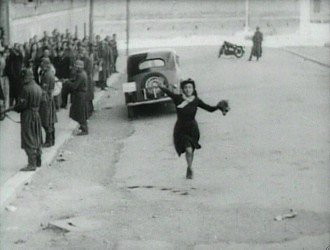
Italian Neorealism, also known as the Golden Age of Italian Cinema, was a national film movement characterized by stories set amongst the poor and the working class, as seen in films like Bicycle Thieves and Rome Open City. They are filmed on location, frequently with non-professional actors, which added to the realism and authenticity of the films. This movement primarily addressed the difficult economic and moral conditions of post-World War II Italy, representing changes in the Italian psyche and conditions of everyday life, including poverty, oppression, injustice, and desperation. Italian Neorealist filmmakers used their films to tell stories that explored the contemporary daily life and struggles of Italians in the post-war period, as depicted in La Terra Trema. The movement was also influenced by the Italian Fascist regime and its impact on the country. For more information on the historical context, visit Post-WWII Italy.
📽️ Historical Context: Post-WWII Italy
The historical context of post-WWII Italy played a significant role in shaping the Italian Neorealist movement. The country was facing severe economic and social difficulties, including poverty, hunger, and destruction. This led to a sense of desperation and frustration among the population, which was reflected in the films of the time. Filmmakers like Vittorio De Sica and Luchino Visconti used their films to address these issues and provide a voice for the marginalized and oppressed. The movement was also influenced by the Marxist ideology and the concept of Social Realism. To learn more about the key characteristics of Italian Neorealism, visit Italian Neorealism.
🎥 Key Characteristics of Italian Neorealism
The key characteristics of Italian Neorealism include location shooting, non-professional actors, and a focus on the daily lives and struggles of the working class. These elements combined to create a sense of realism and authenticity that was new to Italian cinema. The movement was also marked by a sense of social responsibility and a desire to address the pressing issues of the time. Filmmakers like Michelangelo Antonioni and Federico Fellini were influenced by the movement and went on to create their own unique styles. For more information on the influence of Soviet Montage Films, visit Soviet Montage Films. The movement was also connected to the French New Wave and the German Expressionism.
🌟 Influence of Soviet Montage Films
Some people believe that neorealist films evolved from Soviet montage films, but in reality, compared to Soviet filmmakers describing the people's opposition to class struggle through their films, neorealist films aim to showcase individuals' resistance to reality in a social environment. This is evident in films like Battleship Potemkin and Man with a Movie Camera. The Italian Neorealist movement was more focused on the individual's experience and the daily struggles of the working class, rather than the collective struggle against the bourgeoisie. To learn more about the role of Italian Neorealist filmmakers, visit Italian Neorealist Filmmakers. The movement was also influenced by the Existentialism and the concept of Humanism.
📸 Filming on Location with Non-Professional Actors
Filming on location with non-professional actors was a key aspect of the Italian Neorealist movement. This approach added to the realism and authenticity of the films, and allowed the filmmakers to capture the raw emotions and experiences of the people they were portraying. The use of non-professional actors also helped to reduce costs and increase the sense of spontaneity and improvisation. Films like Rome Open City and Paisà are examples of this approach. For more information on the filming techniques used in Italian Neorealism, visit Italian Neorealist Filming Techniques. The movement was also connected to the Cinéma Vérité and the Direct Cinema.
👥 The Role of Italian Neorealist Filmmakers
The role of Italian Neorealist filmmakers was to tell stories that explored the contemporary daily life and struggles of Italians in the post-war period. They used their films to address the difficult economic and moral conditions of the time, and to provide a voice for the marginalized and oppressed. Filmmakers like Michelangelo Antonioni and Federico Fellini were influenced by the movement and went on to create their own unique styles. The movement was also marked by a sense of social responsibility and a desire to address the pressing issues of the time. For more information on the key people involved in the movement, visit Italian Neorealist Filmmakers. The movement was also connected to the Italian Communism and the concept of Class Struggle.
📚 Explanatory Discourse for Future Generations
Italian Neorealist films have become an explanatory discourse for future generations to understand the history of Italy during a specific period. The films provide a unique perspective on the social life and struggles of the Italian people in the post-war period, and offer a window into the past. The movement was also marked by a sense of social responsibility and a desire to address the pressing issues of the time. Filmmakers like Vittorio De Sica and Luchino Visconti used their films to tell stories that explored the contemporary daily life and struggles of Italians. To learn more about the legacy of Italian Neorealism, visit Italian Neorealism Legacy. The movement was also influenced by the Historical Materialism and the concept of Dialectical Materialism.
🤔 Criticisms and Controversies
The Italian Neorealist movement was not without its criticisms and controversies. Some critics argued that the movement was too focused on the negative aspects of Italian life, and that it did not provide a balanced view of the country. Others argued that the movement was too influenced by Marxist ideology, and that it did not provide a nuanced view of the complexities of Italian society. Despite these criticisms, the movement remains an important part of Italian cinematic history, and continues to influence filmmakers around the world. For more information on the criticisms and controversies surrounding Italian Neorealism, visit Italian Neorealism Criticisms. The movement was also connected to the Cultural Marxism and the concept of Critical Theory.
🌐 Legacy of Italian Neorealism
The legacy of Italian Neorealism can be seen in the many films and filmmakers that it has influenced. The movement's focus on social responsibility, location shooting, and non-professional actors has inspired a generation of filmmakers to create films that are more realistic and authentic. The movement has also had an impact on the way that films are made, with many filmmakers incorporating elements of Italian Neorealism into their own work. To learn more about the influence of Italian Neorealism on contemporary cinema, visit Italian Neorealism Influence. The movement was also influenced by the Postmodernism and the concept of Hyperreality.
👀 Conclusion: The Enduring Impact of Italian Neorealism
In conclusion, the Italian Neorealist movement was a revolutionary film movement that addressed the difficult economic and moral conditions of post-World War II Italy. The movement's focus on social responsibility, location shooting, and non-professional actors helped to create a sense of realism and authenticity that was new to Italian cinema. The movement has had a lasting impact on the film industry, and continues to influence filmmakers around the world. For more information on the conclusion of Italian Neorealism, visit Italian Neorealism Conclusion. The movement was also connected to the Globalization and the concept of Cultural Globalization.
Key Facts
- Year
- 1942
- Origin
- Italy
- Category
- Film Movement
- Type
- Film Movement
Frequently Asked Questions
What is Italian Neorealism?
Italian Neorealism is a national film movement characterized by stories set amongst the poor and the working class, filmed on location, frequently with non-professional actors. The movement primarily addressed the difficult economic and moral conditions of post-World War II Italy, representing changes in the Italian psyche and conditions of everyday life. For more information, visit Italian Neorealism. The movement was also influenced by the Marxist ideology and the concept of Social Realism.
What are the key characteristics of Italian Neorealism?
The key characteristics of Italian Neorealism include location shooting, non-professional actors, and a focus on the daily lives and struggles of the working class. These elements combined to create a sense of realism and authenticity that was new to Italian cinema. The movement was also marked by a sense of social responsibility and a desire to address the pressing issues of the time. For more information, visit Italian Neorealism. The movement was also connected to the French New Wave and the German Expressionism.
Who were the key filmmakers involved in the Italian Neorealist movement?
The key filmmakers involved in the Italian Neorealist movement included Vittorio De Sica, Luchino Visconti, Michelangelo Antonioni, and Federico Fellini. These filmmakers used their films to tell stories that explored the contemporary daily life and struggles of Italians in the post-war period. For more information, visit Italian Neorealist Filmmakers. The movement was also influenced by the Existentialism and the concept of Humanism.
What is the legacy of Italian Neorealism?
The legacy of Italian Neorealism can be seen in the many films and filmmakers that it has influenced. The movement's focus on social responsibility, location shooting, and non-professional actors has inspired a generation of filmmakers to create films that are more realistic and authentic. The movement has also had an impact on the way that films are made, with many filmmakers incorporating elements of Italian Neorealism into their own work. For more information, visit Italian Neorealism Legacy. The movement was also connected to the Postmodernism and the concept of Hyperreality.
How did Italian Neorealism influence contemporary cinema?
Italian Neorealism has had a lasting impact on contemporary cinema, with many filmmakers incorporating elements of the movement into their own work. The movement's focus on social responsibility, location shooting, and non-professional actors has inspired a generation of filmmakers to create films that are more realistic and authentic. For more information, visit Italian Neorealism Influence. The movement was also influenced by the Globalization and the concept of Cultural Globalization.
What are some notable films of the Italian Neorealist movement?
Some notable films of the Italian Neorealist movement include Bicycle Thieves, Rome Open City, Paisà, and La Terra Trema. These films are considered classics of the movement and continue to influence filmmakers around the world. For more information, visit Italian Neorealist Films. The movement was also connected to the Cinéma Vérité and the Direct Cinema.
How did Italian Neorealism address the social and economic issues of post-World War II Italy?
Italian Neorealism addressed the social and economic issues of post-World War II Italy by telling stories that explored the contemporary daily life and struggles of Italians. The movement's focus on social responsibility, location shooting, and non-professional actors helped to create a sense of realism and authenticity that was new to Italian cinema. The movement also addressed issues like poverty, hunger, and desperation, and provided a voice for the marginalized and oppressed. For more information, visit Italian Neorealism. The movement was also influenced by the Social Democracy and the concept of Welfare State.