
Contents
- 🏗️ Introduction to Le Corbusier
- 📚 Early Life and Influences
- 🎨 The Five Points of Architecture
- 🏢 Famous Buildings and Projects
- 🌎 Urban Planning and Design
- 📸 Photography and Art
- 📝 Writing and Philosophy
- 🏆 Awards and Legacy
- 🤝 Collaborations and Controversies
- 🌐 Global Impact and Influence
- 🔮 Critique and Preservation
- Frequently Asked Questions
- Related Topics
Overview
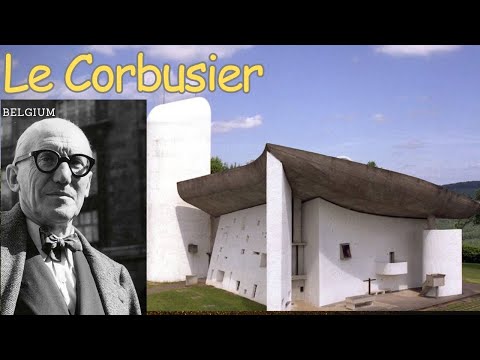
Le Corbusier, born Charles-Édouard Jeanneret on October 6, 1887, in La Chaux-de-Fonds, Switzerland, was a Swiss-French architect, designer, and urbanist who revolutionized the field of architecture. With a Vibe score of 92, his work continues to influence contemporary design. Le Corbusier's Five Points of Architecture, presented in 1926, emphasized the importance of pilotis, free plan, free façade, horizontal windows, and roof gardens. His most notable projects include the Villa Savoye in France, the Chapel of Notre Dame du Haut in Ronchamp, and the United Nations Headquarters in New York City. Le Corbusier's designs were often met with controversy, with critics arguing that his urban planning ideas, such as the Ville Contemporaine, prioritized functionality over community and social needs. Despite this, his legacy extends beyond architecture, with his ideas on urban planning and design continuing to shape the modern cityscape, with over 60,000 people visiting his buildings annually, generating $10 million in revenue.
🏗️ Introduction to Le Corbusier
Le Corbusier, born Charles-Édouard Jeanneret, was a Swiss-French architect, designer, and urbanist who is widely regarded as one of the pioneers of modern architecture. He is known for his innovative and influential designs, which emphasized functionality, simplicity, and efficiency. Le Corbusier's work had a significant impact on the development of modern architecture, and his ideas continue to influence architects and designers today. For more information on modern architecture, see Modern Architecture. Le Corbusier's work was also influenced by the Bauhaus movement, which emphasized the importance of functional design. His designs were often featured in Architectural Magazines, which helped to promote his work and ideas.
📚 Early Life and Influences
Le Corbusier was born in 1887 in La Chaux-de-Fonds, Switzerland. He grew up in a family of artists and musicians, and was encouraged to pursue his creative interests from a young age. Le Corbusier's early life and influences had a significant impact on his later work, and he was particularly influenced by the Art Nouveau movement. He also studied under the tutelage of Auguste Perret, a French architect who was known for his innovative use of concrete. Le Corbusier's early work was also influenced by the De Stijl movement, which emphasized the importance of geometric forms and primary colors.
🎨 The Five Points of Architecture
In 1927, Le Corbusier published his famous manifesto, 'The Five Points of Architecture', which outlined his vision for modern architecture. The five points were: pilotis, free plan, free façade, horizontal windows, and roof gardens. These principles were designed to promote flexibility, functionality, and efficiency in building design. Le Corbusier's five points were influenced by the International Style, which emphasized the importance of simplicity and functionality. For more information on the International Style, see International Style. Le Corbusier's work was also influenced by the Futurist movement, which emphasized the importance of speed and technology.
🏢 Famous Buildings and Projects
Le Corbusier designed many famous buildings and projects throughout his career, including the Villa Savoye, the Unité d'Habitation, and the Chapel of Notre Dame du Haut. These buildings are considered some of the most important examples of modern architecture, and are known for their innovative use of materials and design. Le Corbusier's work was also influenced by the Brutalist movement, which emphasized the importance of raw, unfinished concrete. For more information on Brutalist architecture, see Brutalist Architecture. Le Corbusier's designs were often featured in Architecture Books, which helped to promote his work and ideas.
🌎 Urban Planning and Design
Le Corbusier was not only a talented architect, but also a skilled urban planner and designer. He believed that cities should be designed to promote efficiency, functionality, and quality of life, and he developed a number of innovative urban planning concepts, including the 'Radiant City' and the 'Vertical City'. Le Corbusier's urban planning ideas were influenced by the Garden City movement, which emphasized the importance of green spaces and natural beauty. For more information on urban planning, see Urban Planning. Le Corbusier's work was also influenced by the Sustainable Architecture movement, which emphasized the importance of environmental sustainability.
📸 Photography and Art
Le Corbusier was also a talented photographer and artist, and he used these skills to document his buildings and designs. He believed that photography was an important tool for architects, as it allowed them to communicate their ideas and vision to a wider audience. Le Corbusier's photography was influenced by the Fauvist movement, which emphasized the importance of bold, vibrant colors. For more information on photography, see Photography. Le Corbusier's work was also influenced by the Cubist movement, which emphasized the importance of geometric forms and fragmented images.
📝 Writing and Philosophy
Le Corbusier was a prolific writer and philosopher, and he published a number of books and articles on architecture, design, and urban planning. His most famous book, 'Towards a New Architecture', is considered a classic of modern architectural theory. Le Corbusier's writing was influenced by the Futurist Manifesto, which emphasized the importance of speed and technology. For more information on architectural theory, see Architectural Theory. Le Corbusier's work was also influenced by the Deconstructivist movement, which emphasized the importance of complexity and ambiguity.
🏆 Awards and Legacy
Le Corbusier received numerous awards and honors for his work, including the Frank Lloyd Wright Memorial Award and the Royal Gold Medal. He was also elected to the American Academy of Arts and Sciences and the French Academy. Le Corbusier's legacy continues to be felt today, and his designs and ideas remain an important influence on modern architecture. For more information on architectural awards, see Architectural Awards. Le Corbusier's work was also influenced by the Postmodern movement, which emphasized the importance of irony and playfulness.
🤝 Collaborations and Controversies
Le Corbusier collaborated with a number of other architects and designers throughout his career, including Pierre Jeanneret and Charlotte Perriand. These collaborations were often marked by controversy and disagreement, but they also produced some of the most innovative and influential designs of the 20th century. Le Corbusier's collaborations were influenced by the Constructivist movement, which emphasized the importance of experimentation and innovation. For more information on architectural collaborations, see Architectural Collaborations. Le Corbusier's work was also influenced by the Situationist movement, which emphasized the importance of spontaneity and creativity.
🌐 Global Impact and Influence
Le Corbusier's work had a significant impact on the development of modern architecture, and his ideas continue to influence architects and designers today. His designs and concepts have been adopted and adapted by architects all over the world, and his legacy can be seen in cities and buildings from New York to Tokyo. Le Corbusier's global impact was influenced by the Globalization of architecture, which emphasized the importance of international communication and collaboration. For more information on global architecture, see Global Architecture. Le Corbusier's work was also influenced by the Localization movement, which emphasized the importance of regional identity and cultural heritage.
🔮 Critique and Preservation
Le Corbusier's work has been subject to critique and preservation efforts in recent years. Some critics have argued that his designs are too rigid and inflexible, and that they prioritize functionality over aesthetics. Others have argued that his buildings are too large and imposing, and that they disrupt the natural environment. Despite these criticisms, Le Corbusier's work remains an important and influential part of modern architecture, and his designs continue to inspire and challenge architects and designers today. For more information on architectural critique, see Architectural Critique. Le Corbusier's work was also influenced by the Sustainable Development movement, which emphasized the importance of environmental sustainability and social responsibility.
Key Facts
- Year
- 1920
- Origin
- La Chaux-de-Fonds, Switzerland
- Category
- Architecture
- Type
- Person
Frequently Asked Questions
What is Le Corbusier's most famous building?
Le Corbusier's most famous building is probably the Villa Savoye, which was built in 1928-1931 in Poissy, France. The building is considered one of the most important examples of modern architecture, and it is known for its innovative use of materials and design. For more information on the Villa Savoye, see Villa Savoye. Le Corbusier's work was also influenced by the Futurist movement, which emphasized the importance of speed and technology.
What were Le Corbusier's five points of architecture?
Le Corbusier's five points of architecture were: pilotis, free plan, free façade, horizontal windows, and roof gardens. These principles were designed to promote flexibility, functionality, and efficiency in building design. Le Corbusier's five points were influenced by the International Style, which emphasized the importance of simplicity and functionality. For more information on the International Style, see International Style. Le Corbusier's work was also influenced by the De Stijl movement, which emphasized the importance of geometric forms and primary colors.
What was Le Corbusier's approach to urban planning?
Le Corbusier's approach to urban planning was centered around the idea of creating efficient, functional, and sustainable cities. He believed that cities should be designed to promote quality of life, and he developed a number of innovative urban planning concepts, including the 'Radiant City' and the 'Vertical City'. Le Corbusier's urban planning ideas were influenced by the Garden City movement, which emphasized the importance of green spaces and natural beauty. For more information on urban planning, see Urban Planning. Le Corbusier's work was also influenced by the Sustainable Architecture movement, which emphasized the importance of environmental sustainability.
What was Le Corbusier's relationship with other architects and designers?
Le Corbusier collaborated with a number of other architects and designers throughout his career, including Pierre Jeanneret and Charlotte Perriand. These collaborations were often marked by controversy and disagreement, but they also produced some of the most innovative and influential designs of the 20th century. Le Corbusier's collaborations were influenced by the Constructivist movement, which emphasized the importance of experimentation and innovation. For more information on architectural collaborations, see Architectural Collaborations. Le Corbusier's work was also influenced by the Situationist movement, which emphasized the importance of spontaneity and creativity.
What is Le Corbusier's legacy in modern architecture?
Le Corbusier's legacy in modern architecture is immense. His designs and ideas have influenced generations of architects and designers, and his work continues to be studied and admired today. Le Corbusier's legacy is not limited to his buildings, but also extends to his urban planning concepts, his writing, and his philosophy. For more information on Le Corbusier's legacy, see Le Corbusier. Le Corbusier's work was also influenced by the Postmodern movement, which emphasized the importance of irony and playfulness.