
Overview
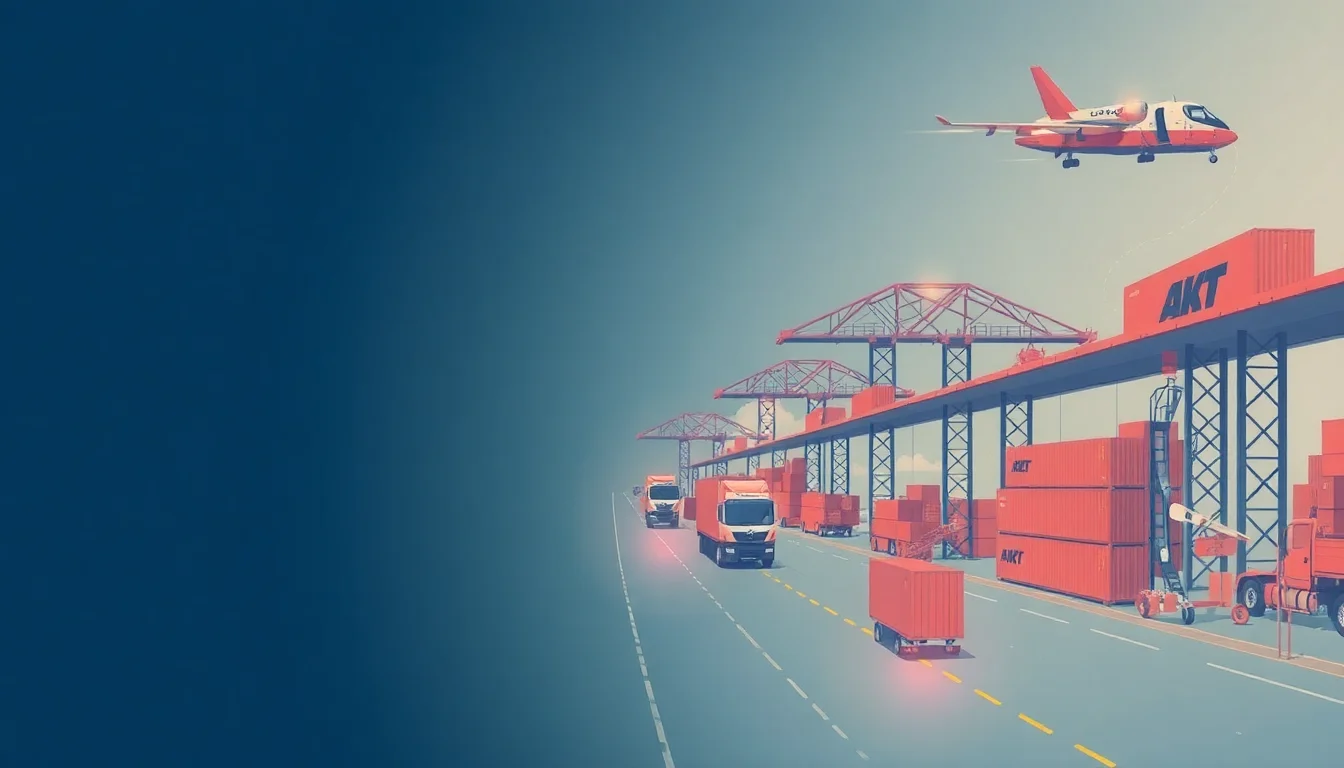
Logistical complexity refers to the intricate web of processes, systems, and stakeholders involved in the planning, coordination, and execution of supply chain operations. This phenomenon is characterized by the interplay of multiple variables, including transportation modes, inventory levels, warehousing, and information technology. According to a study by the Council of Supply Chain Management Professionals, the average supply chain has over 10,000 nodes and 50,000 transactions per day. The concept of logistical complexity was first introduced by economist and systems theorist, Jay Forrester, in the 1950s. Today, companies like Amazon, Walmart, and Maersk are at the forefront of tackling logistical complexity, with investments in AI-powered logistics platforms, drone delivery systems, and blockchain-based tracking solutions. As the global supply chain continues to evolve, the ability to navigate and manage logistical complexity will become a key differentiator for businesses, with a projected 25% increase in logistics spending by 2025.
Key Facts
- Year
- 1950
- Origin
- MIT Sloan School of Management
- Category
- Operations Management
- Type
- Concept