
Contents
- 🏖️ Introduction to Malindi
- 🌍 Geographical Location and Climate
- 🏙️ History of Malindi: A Coastal Town
- 📊 Demographics and Population Growth
- 🏞️ Tourist Attractions and Landmarks
- 🌴 Cultural Significance and Heritage
- 👥 People and Traditions of Malindi
- 🤝 Economic Activities and Development
- 🚣♀️ Transportation and Infrastructure
- 📚 Education and Healthcare in Malindi
- 🌟 Conclusion and Future Prospects
- Frequently Asked Questions
- Related Topics
Overview
Malindi, a coastal town in Kenya, boasts a rich and diverse history dating back to the 12th century. Founded by Arab traders, the town has been shaped by various cultural influences, including Portuguese, Italian, and British colonialism. Today, Malindi is a popular tourist destination, attracting visitors with its stunning beaches, coral reefs, and historic landmarks like the Vasco da Gama Pillar and the Malindi Museum. However, the town's growth has also raised concerns about environmental degradation, cultural erosion, and socioeconomic disparities. As Malindi continues to evolve, it must balance its development with the need to preserve its unique cultural heritage and protect its natural resources. With a Vibe score of 8, Malindi remains a fascinating and complex destination, full of contradictions and surprises. The town's entity type is a municipality, and its origin dates back to the 12th century, with a mix of African, Arab, and European influences.
🏖️ Introduction to Malindi
Malindi, a town on the Indian Ocean coast of Kenya, is a treasure trove of rich history and cultural significance. Located at the mouth of the Galana River, Malindi is 120 kilometres northeast of Kenya's second-largest city. The town has a population of 119,859 as of the 2019 census, making it the largest urban centre in Kilifi County, Kenya. With its stunning beaches and vibrant culture, Malindi is a popular tourist destination, attracting visitors from all over the world. The town's history dates back to the 13th century, with evidence of Swahili influence and Portuguese colonization. Today, Malindi is a thriving town with a unique blend of traditional and modern culture.
🌍 Geographical Location and Climate
Malindi's geographical location on the Indian Ocean coast of Kenya makes it a strategic hub for trade and commerce. The town is situated at the mouth of the Galana River, which provides a source of fresh water and supports a variety of aquatic life. The climate in Malindi is tropical, with high temperatures and high humidity levels throughout the year. The town experiences two rainy seasons, with the long rains occurring from March to May and the short rains from October to December. The geographical location and climate of Malindi make it an ideal location for farming and fishing. The town is also close to the Tsavo East National Park, which is home to a wide range of wildlife, including elephants, lions, and giraffes.
🏙️ History of Malindi: A Coastal Town
The history of Malindi dates back to the 13th century, when it was a small Swahili trading post. The town's strategic location on the Indian Ocean coast made it an important centre for trade and commerce. In the 16th century, Malindi was colonized by the Portuguese, who established a fort and a church in the town. The Portuguese influence can still be seen in the town's architecture and culture. Today, Malindi is a thriving town with a rich cultural heritage, attracting visitors from all over the world. The town's history is also closely tied to the Giriama people, who are the indigenous inhabitants of the area. The Giriama people have a rich cultural tradition, with their own language, customs, and beliefs.
📊 Demographics and Population Growth
As of the 2019 census, the population of Malindi was 119,859, making it the largest urban centre in Kilifi County, Kenya. The town has experienced rapid population growth in recent years, driven by urbanization and migration. The population of Malindi is diverse, with people from different ethnic groups and backgrounds. The town is also home to a significant number of expatriates, who are attracted by the town's warm climate and beautiful beaches. The demographics of Malindi are also influenced by the town's tourist industry, which is a major driver of the local economy. The town's population is expected to continue growing in the coming years, driven by urbanization and economic development.
🏞️ Tourist Attractions and Landmarks
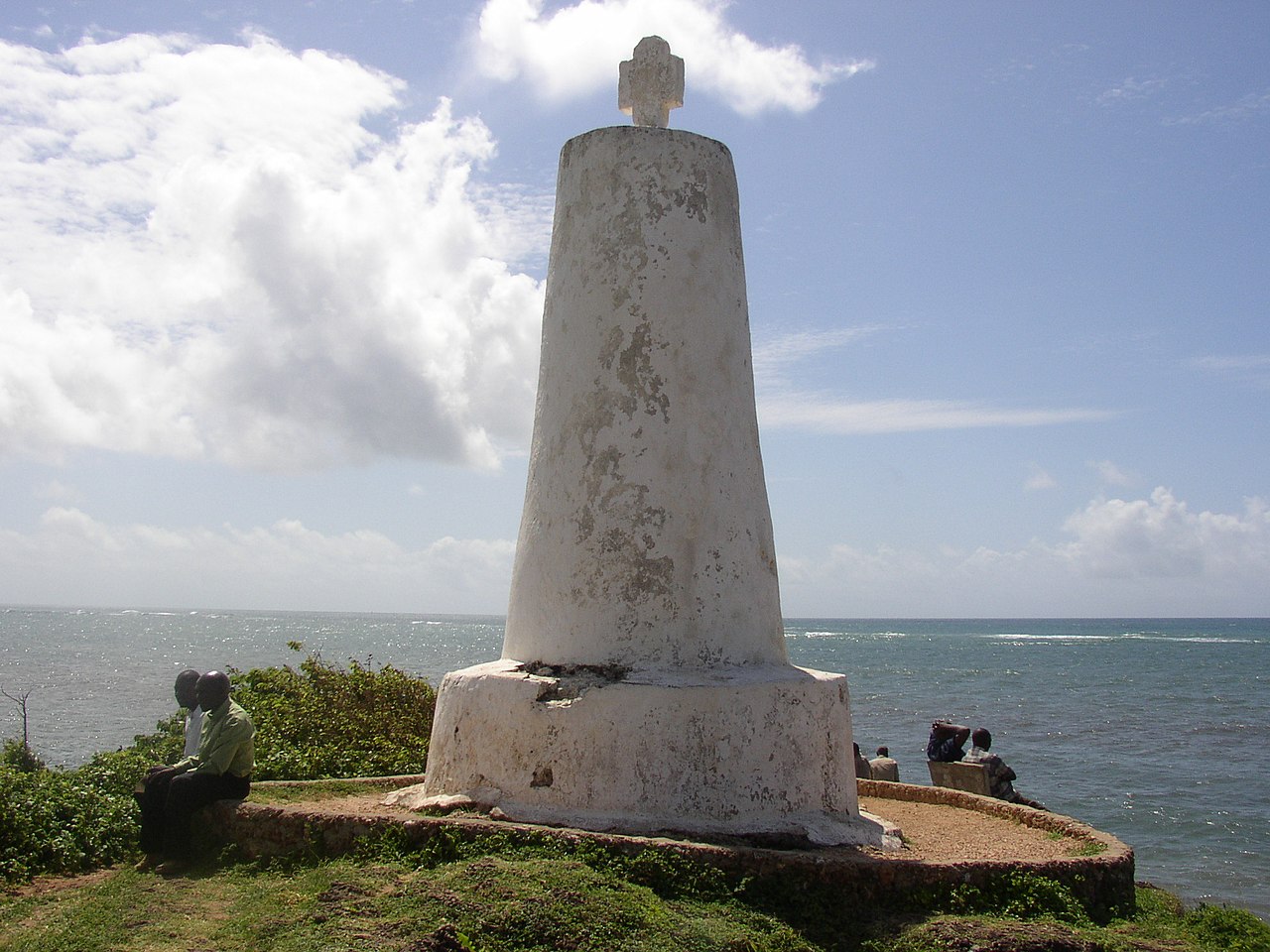
Malindi is a popular tourist destination, attracting visitors from all over the world. The town has a range of tourist attractions, including its stunning beaches, vibrant markets, and historic landmarks. The Malindi Marine National Park is a must-visit attraction, with its crystal-clear waters and diverse marine life. The town is also home to the Vasco da Gama Pillar, which was erected by the Portuguese in the 16th century. Visitors to Malindi can also explore the town's vibrant markets, which sell a range of local handicrafts and souvenirs. The town's local cuisine is also a major attraction, with its unique blend of traditional and modern dishes.
🌴 Cultural Significance and Heritage
Malindi has a rich cultural heritage, with a unique blend of traditional and modern culture. The town is home to a range of cultural festivals and events, including the Malindi Cultural Festival. The festival celebrates the town's cultural diversity, with music, dance, and traditional performances. The town is also home to a range of cultural institutions, including the Malindi Museum. The museum showcases the town's history and culture, with a range of exhibits and artifacts. Visitors to Malindi can also experience the town's vibrant cultural scene, with its many bars, restaurants, and nightclubs.
👥 People and Traditions of Malindi
The people of Malindi are known for their warm hospitality and welcoming nature. The town is home to a range of ethnic groups, including the Giriama people, who are the indigenous inhabitants of the area. The Giriama people have a rich cultural tradition, with their own language, customs, and beliefs. Visitors to Malindi can experience the town's cultural traditions, including its music, dance, and traditional performances. The town is also home to a range of community-based projects, including the Malindi Community Development Project. The project supports local communities, with a range of initiatives and activities.
🤝 Economic Activities and Development
Malindi has a range of economic activities, including fishing and agriculture. The town is located near the Tsavo East National Park, which is home to a wide range of wildlife. The town's economy is also driven by its tourist industry, which is a major driver of the local economy. Visitors to Malindi can experience the town's economic activities, including its vibrant markets and local handicrafts. The town is also home to a range of small and medium-sized enterprises, including small-scale farming and fishing. The town's economy is expected to continue growing in the coming years, driven by urbanization and economic development.
🚣♀️ Transportation and Infrastructure
Malindi has a range of transportation options, including road and air. The town is located near the Mombasa-Malindi Highway, which connects the town to Kenya's second-largest city. The town is also home to the Malindi Airport, which offers flights to a range of destinations, including Kenya's capital city. Visitors to Malindi can also use public transportation, including buses and matatus. The town's transportation infrastructure is expected to continue improving in the coming years, driven by urbanization and economic development.
📚 Education and Healthcare in Malindi
Malindi has a range of education and healthcare facilities, including primary and secondary schools. The town is home to a range of educational institutions, including the Malindi High School. The town is also home to a range of healthcare facilities, including the Malindi Hospital. The hospital offers a range of medical services, including emergency care and outpatient services. Visitors to Malindi can also access a range of private healthcare facilities, including clinics and medical centres.
🌟 Conclusion and Future Prospects
In conclusion, Malindi is a town with a rich history and cultural significance. The town's unique blend of traditional and modern culture makes it a popular tourist destination, attracting visitors from all over the world. With its stunning beaches, vibrant markets, and historic landmarks, Malindi is a must-visit destination for anyone interested in Kenyan culture and history. The town's economy is expected to continue growing in the coming years, driven by urbanization and economic development. As the town continues to grow and develop, it is likely to remain a major cultural and economic hub in Kenya.
Key Facts
- Year
- 1150
- Origin
- African, Arab, and European influences
- Category
- Geography and Culture
- Type
- Municipality
Frequently Asked Questions
What is the population of Malindi?
The population of Malindi was 119,859 as of the 2019 census. The town has experienced rapid population growth in recent years, driven by urbanization and migration. The population of Malindi is diverse, with people from different ethnic groups and backgrounds. The town is also home to a significant number of expatriates, who are attracted by the town's warm climate and beautiful beaches.
What are the main economic activities in Malindi?
The main economic activities in Malindi include fishing, agriculture, and tourism. The town is located near the Tsavo East National Park, which is home to a wide range of wildlife. The town's economy is also driven by its tourist industry, which is a major driver of the local economy. Visitors to Malindi can experience the town's economic activities, including its vibrant markets and local handicrafts.
What are the main tourist attractions in Malindi?
The main tourist attractions in Malindi include its stunning beaches, vibrant markets, and historic landmarks. The town is home to the Malindi Marine National Park, which is a must-visit attraction, with its crystal-clear waters and diverse marine life. The town is also home to the Vasco da Gama Pillar, which was erected by the Portuguese in the 16th century. Visitors to Malindi can also explore the town's vibrant markets, which sell a range of local handicrafts and souvenirs.
What is the cultural significance of Malindi?
Malindi has a rich cultural heritage, with a unique blend of traditional and modern culture. The town is home to a range of cultural festivals and events, including the Malindi Cultural Festival. The festival celebrates the town's cultural diversity, with music, dance, and traditional performances. The town is also home to a range of cultural institutions, including the Malindi Museum. The museum showcases the town's history and culture, with a range of exhibits and artifacts.
How can I get to Malindi?
Malindi is located near the Mombasa-Malindi Highway, which connects the town to Mombasa, Kenya's second-largest city. The town is also home to the Malindi Airport, which offers flights to a range of destinations, including Nairobi, Kenya's capital city. Visitors to Malindi can also use public transportation, including buses and matatus. The town's transportation infrastructure is expected to continue improving in the coming years, driven by urbanization and economic development.
What are the education and healthcare facilities like in Malindi?
Malindi has a range of education and healthcare facilities, including primary and secondary schools. The town is home to a range of educational institutions, including the Malindi High School. The town is also home to a range of healthcare facilities, including the Malindi Hospital. The hospital offers a range of medical services, including emergency care and outpatient services. Visitors to Malindi can also access a range of private healthcare facilities, including clinics and medical centres.
What is the history of Malindi?
The history of Malindi dates back to the 13th century, when it was a small Swahili trading post. The town's strategic location on the Indian Ocean coast made it an important centre for trade and commerce. In the 16th century, Malindi was colonized by the Portuguese, who established a fort and a church in the town. The Portuguese influence can still be seen in the town's architecture and culture. Today, Malindi is a thriving town with a rich cultural heritage, attracting visitors from all over the world.