
Contents
- 🌌 Introduction to Mars Geological Survey
- 🔍 History of Mars Exploration
- 🛰️ Orbital Missions to Mars
- 🚀 Lander and Rover Missions
- 🌊 Martian Geology and Water
- 🏔️ Martian Landscape and Features
- 🌈 Martian Atmosphere and Climate
- 💡 Future of Mars Exploration
- 🤝 International Cooperation in Mars Exploration
- 📊 Challenges and Controversies in Mars Exploration
- 📚 Conclusion and Future Directions
- Frequently Asked Questions
- Related Topics
Overview
The Mars geological survey has revealed a complex and fascinating landscape, with evidence of ancient rivers, lakes, and even oceans. NASA's Mars Reconnaissance Orbiter and the European Space Agency's Mars Express have provided high-resolution images and data, allowing scientists to study the planet's geology in unprecedented detail. The survey has also shed light on the planet's volcanic history, with numerous volcanoes and lava flows discovered. However, the search for signs of life on Mars remains an ongoing challenge, with scientists debating the implications of findings such as the discovery of methane on the planet. As research continues, the Mars geological survey is expected to play a crucial role in informing future missions and potentially unlocking the secrets of the Red Planet. With a vibe score of 8, the Mars geological survey has sparked significant interest and excitement among scientists and the general public, with many eagerly awaiting the results of upcoming missions, such as the Mars 2020 rover, which has been exploring Jezero crater since February 2021, and the European Space Agency's ExoMars rover, scheduled to launch in 2022, which will focus on searching for signs of life on Mars.
🌌 Introduction to Mars Geological Survey
The Mars Geological Survey is a comprehensive study of the planet's geology, aimed at understanding its composition, structure, and evolution. The survey is crucial for future human missions to the planet, as it provides valuable insights into the Martian environment and potential resources. The Mars geology is characterized by its rusty red appearance, which is due to the presence of iron oxide in the soil. The planet's surface is also marked by numerous Valles Marineris, a massive canyon system that stretches over 4,000 km. The Mars Geological Survey has been conducted using a combination of orbital missions and lander and rover missions.
🔍 History of Mars Exploration
The history of Mars exploration dates back to the 19th century, when astronomers first began to study the planet using telescopes. The first Martian orbiter was launched in 1971, and since then, numerous space agencies have sent missions to the planet. The NASA Mars Exploration Program has been a major contributor to our understanding of the Martian geology, with missions such as Mars Reconnaissance Orbiter and Curiosity Rover. The European Space Agency has also played a significant role in Mars exploration, with missions such as Mars Express and Schiaparelli.
🛰️ Orbital Missions to Mars
Orbital missions to Mars have provided a wealth of information about the planet's geology and climate. The Mars Reconnaissance Orbiter has been instrumental in mapping the Martian surface, with its high-resolution HiRISE camera. The Mars Orbiter Mission has also provided valuable insights into the Martian atmosphere and climate. The European Space Agency's Mars Express has been studying the Martian geology and climate since 2003, with a focus on the planet's polar ice caps. The NASA's Maven mission has been studying the Martian atmosphere and its interaction with the solar wind.
🚀 Lander and Rover Missions
Lander and rover missions have been crucial in providing ground-level information about the Martian geology and environment. The Curiosity Rover has been exploring the Martian surface since 2012, with a focus on the planet's geological history. The Perseverance Rover has been exploring the Martian surface since 2020, with a focus on the planet's astrobiology and potential biosignatures. The InSight Lander has been studying the Martian interior and seismic activity since 2018. The Phoenix Lander has been studying the Martian arctic region and its potential for water ice.
🌊 Martian Geology and Water
The Martian geology is characterized by its rusty red appearance, which is due to the presence of iron oxide in the soil. The planet's surface is also marked by numerous Valles Marineris, a massive canyon system that stretches over 4,000 km. The Martian geology is also marked by numerous volcanic regions, including the largest volcano in the solar system, Olympus Mons. The planet's surface is also home to numerous impact craters, which provide valuable insights into the Martian geological history. The Mars Geological Survey has also revealed evidence of ancient rivers and lakes on the planet's surface.
🏔️ Martian Landscape and Features
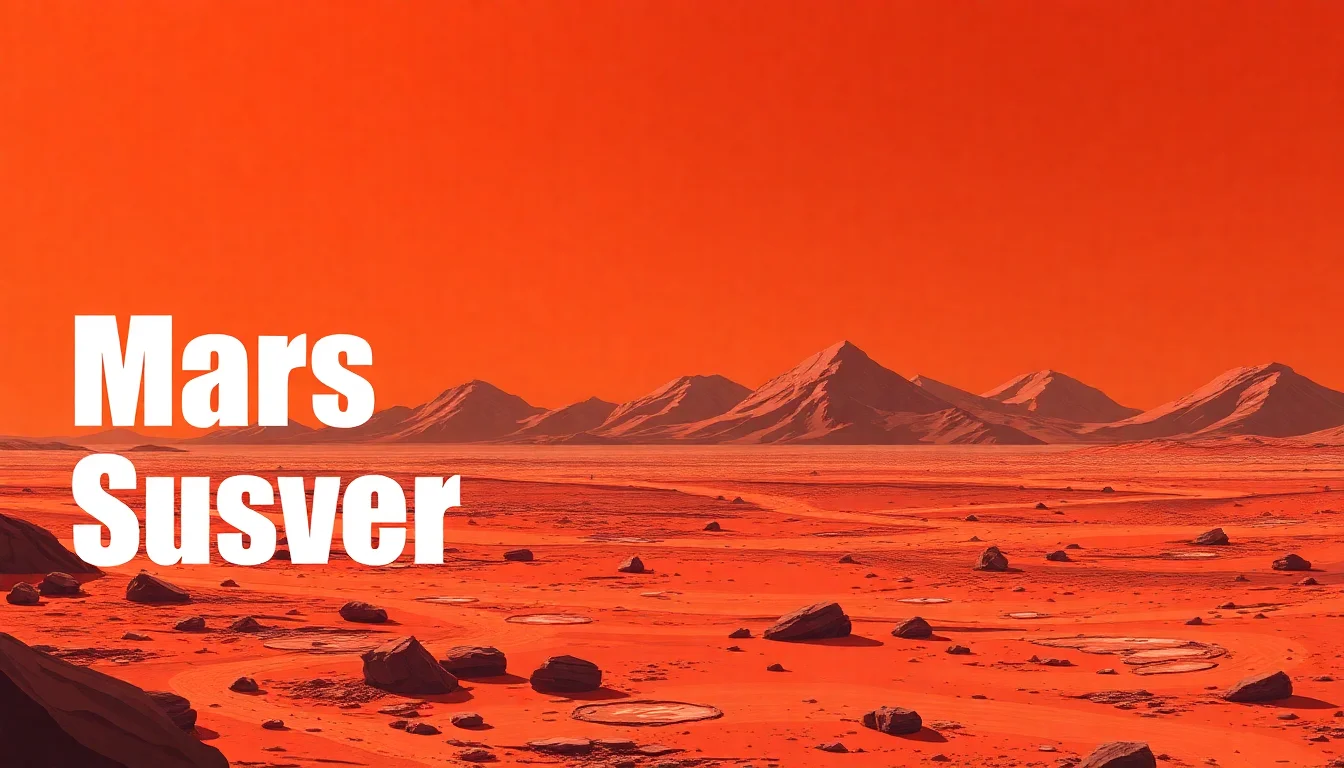
The Martian landscape is characterized by its rugged terrain, with numerous Valles Marineris and impact craters. The planet's surface is also home to numerous volcanic regions, including the largest volcano in the solar system, Olympus Mons. The Martian landscape is also marked by numerous dune fields, which are formed by the planet's atmospheric circulation. The Mars Reconnaissance Orbiter has provided high-resolution images of the Martian surface, revealing a complex and dynamic landscape. The Curiosity Rover has also provided valuable insights into the Martian geological history, with its discovery of ancient lake beds and river deltas.
🌈 Martian Atmosphere and Climate
The Martian atmosphere is thin and cold, with an average temperature of around -67°C. The atmosphere is composed mostly of carbon dioxide, with smaller amounts of nitrogen and argon. The Martian atmosphere is also marked by numerous dust storms, which can last for days or even weeks. The Mars atmosphere is also home to a complex system of atmospheric circulation, with winds that can reach speeds of up to 600 km/h. The NASA's Maven mission has been studying the Martian atmosphere and its interaction with the solar wind.
💡 Future of Mars Exploration
The future of Mars exploration is exciting and challenging, with numerous missions planned for the coming decades. The NASA's ARS Mars mission is planned for the 2030s, with a focus on the planet's astrobiology and potential biosignatures. The European Space Agency's ExoMars mission is planned for the 2020s, with a focus on the planet's geological history and potential biosignatures. The China National Space Administration's Zhurong Rover has been exploring the Martian surface since 2021, with a focus on the planet's geological history and potential biosignatures.
🤝 International Cooperation in Mars Exploration
International cooperation is crucial in Mars exploration, with numerous space agencies working together to advance our understanding of the planet. The NASA and European Space Agency have been working together on numerous missions, including the Mars Reconnaissance Orbiter and Curiosity Rover. The China National Space Administration and Roscomos have also been working together on numerous missions, including the Zhurong Rover and Phobos-Grunt. The Indian Space Research Organisation has also been working on numerous Mars missions, including the Mars Orbiter Mission.
📊 Challenges and Controversies in Mars Exploration
The Mars Geological Survey has also revealed numerous challenges and controversies, including the presence of water on Mars and the potential for life on Mars. The NASA's Curiosity Rover has discovered evidence of ancient lake beds and river deltas on the planet's surface, which suggests that Mars may have been habitable in the past. However, the European Space Agency's Schiaparelli lander has also revealed that the Martian surface is much more hostile than previously thought, with numerous dust storms and atmospheric circulation patterns that could make it difficult for humans to survive.
📚 Conclusion and Future Directions
The Mars Geological Survey has provided a wealth of information about the planet's geology and environment, and has paved the way for future human missions to the planet. The NASA's ARS Mars mission is planned for the 2030s, with a focus on the planet's astrobiology and potential biosignatures. The European Space Agency's ExoMars mission is planned for the 2020s, with a focus on the planet's geological history and potential biosignatures. The China National Space Administration's Zhurong Rover has been exploring the Martian surface since 2021, with a focus on the planet's geological history and potential biosignatures.
Key Facts
- Year
- 2021
- Origin
- NASA's Mars Exploration Program
- Category
- Planetary Science
- Type
- Planetary Body
Frequently Asked Questions
What is the Mars Geological Survey?
The Mars Geological Survey is a comprehensive study of the planet's geology, aimed at understanding its composition, structure, and evolution. The survey is crucial for future human missions to the planet, as it provides valuable insights into the Martian environment and potential resources. The survey has been conducted using a combination of orbital missions and lander and rover missions.
What are the main features of the Martian geology?
The Martian geology is characterized by its rusty red appearance, which is due to the presence of iron oxide in the soil. The planet's surface is also marked by numerous Valles Marineris, a massive canyon system that stretches over 4,000 km. The Martian geology is also marked by numerous volcanic regions, including the largest volcano in the solar system, Olympus Mons.
What are the main challenges and controversies in Mars exploration?
The Mars Geological Survey has also revealed numerous challenges and controversies, including the presence of water on Mars and the potential for life on Mars. The NASA's Curiosity Rover has discovered evidence of ancient lake beds and river deltas on the planet's surface, which suggests that Mars may have been habitable in the past. However, the European Space Agency's Schiaparelli lander has also revealed that the Martian surface is much more hostile than previously thought, with numerous dust storms and atmospheric circulation patterns that could make it difficult for humans to survive.
What are the future plans for Mars exploration?
The future of Mars exploration is exciting and challenging, with numerous missions planned for the coming decades. The NASA's ARS Mars mission is planned for the 2030s, with a focus on the planet's astrobiology and potential biosignatures. The European Space Agency's ExoMars mission is planned for the 2020s, with a focus on the planet's geological history and potential biosignatures.
What is the significance of the Mars Geological Survey?
The Mars Geological Survey has provided a wealth of information about the planet's geology and environment, and has paved the way for future human missions to the planet. The survey has also revealed numerous challenges and controversies, including the presence of water on Mars and the potential for life on Mars. The survey has also highlighted the importance of international cooperation in Mars exploration, with numerous space agencies working together to advance our understanding of the planet.