
Contents
- 🔍 Introduction to Mass Spectrometry
- 📊 Principles of Mass Spectrometry
- 🌟 Applications of Mass Spectrometry
- 🔬 Instrumentation of Mass Spectrometry
- 📈 Data Analysis in Mass Spectrometry
- 👥 History of Mass Spectrometry
- 🔎 Future Directions of Mass Spectrometry
- 📊 Quantitative Analysis with Mass Spectrometry
- 🌈 Imaging Mass Spectrometry
- 🤝 Hyphenated Techniques in Mass Spectrometry
- 📊 Controversies and Limitations of Mass Spectrometry
- 📈 Emerging Trends in Mass Spectrometry
- Frequently Asked Questions
- Related Topics
Overview
Mass spectrometry is a widely used analytical technique that has been instrumental in shaping our understanding of the molecular world. With its ability to identify and quantify molecules based on their mass-to-charge ratio, mass spectrometry has become a cornerstone in fields such as chemistry, biology, and pharmacology. The technique has a rich history, dating back to the early 20th century, with pioneers like J.J. Thomson and Francis Aston contributing to its development. Today, mass spectrometry is used in various applications, including drug discovery, environmental monitoring, and forensic analysis, with a global market projected to reach $5.4 billion by 2025. Despite its widespread adoption, mass spectrometry is not without its challenges, with issues like instrument complexity and data interpretation requiring ongoing research and innovation. As the field continues to evolve, advancements in technology and methodology are expected to further expand the capabilities of mass spectrometry, enabling scientists to tackle complex problems and push the boundaries of human knowledge.
🔍 Introduction to Mass Spectrometry
Mass spectrometry is a powerful analytical technique used to measure the mass-to-charge ratio of ions, providing valuable information about the molecular structure and composition of a sample. This technique has been widely used in various fields, including Chemistry, Biology, and Pharmacology. The results of mass spectrometry are presented as a mass spectrum, a plot of intensity as a function of the mass-to-charge ratio, which can be used to identify and quantify the components of a sample. For example, Gas Chromatography-Mass Spectrometry (GC-MS) is a hyphenated technique that combines the separation capabilities of gas chromatography with the analytical power of mass spectrometry. Additionally, Liquid Chromatography-Mass Spectrometry (LC-MS) is another popular hyphenated technique used for the analysis of complex biological samples.
📊 Principles of Mass Spectrometry
The principles of mass spectrometry involve the ionization of molecules, separation of ions according to their mass-to-charge ratio, and detection of the ions. The most common ionization techniques used in mass spectrometry are Electrospray Ionization (ESI) and Atmospheric Pressure Chemical Ionization (APCI). These techniques are used to produce ions from the sample, which are then separated according to their mass-to-charge ratio using a mass analyzer, such as a Quadrupole or Time-of-Flight (TOF) mass analyzer. The separated ions are then detected using a detector, such as a Faraday Cup or a Microchannel Plate detector. Furthermore, Mass Spectrometry Imaging is a technique that allows for the spatial distribution of molecules in a sample to be visualized.
🌟 Applications of Mass Spectrometry
Mass spectrometry has a wide range of applications, including the analysis of Biological Samples, such as blood, urine, and tissue, as well as the analysis of Environmental Samples, such as water and air. It is also used in the Pharmaceutical Industry for the development and quality control of drugs, and in the Food Industry for the analysis of food safety and quality. Additionally, mass spectrometry is used in Forensic Science for the analysis of evidence, such as hair, fibers, and other materials. For instance, Proteomics is a field that uses mass spectrometry to study the structure and function of proteins, while Metabolomics is a field that uses mass spectrometry to study the metabolism of organisms.
🔬 Instrumentation of Mass Spectrometry
The instrumentation of mass spectrometry involves several key components, including the ion source, mass analyzer, and detector. The ion source is responsible for producing ions from the sample, while the mass analyzer separates the ions according to their mass-to-charge ratio. The detector is used to detect the separated ions and produce a signal that is proportional to the intensity of the ions. There are several types of mass spectrometers, including Quadrupole Mass Spectrometer, Time-of-Flight Mass Spectrometer, and Orbitrap Mass Spectrometer. Each type of mass spectrometer has its own strengths and weaknesses, and the choice of instrument depends on the specific application and the type of sample being analyzed. Moreover, Ambient Ionization techniques, such as Desorption Electrospray Ionization (DESI), have been developed to allow for the analysis of samples in their natural environment.
📈 Data Analysis in Mass Spectrometry
Data analysis is a critical step in mass spectrometry, as it involves the interpretation of the mass spectrum and the identification of the components of the sample. There are several software packages available for data analysis, including MassLynx and Xcalibur. These software packages provide a range of tools and features for data analysis, including peak detection, peak integration, and library searching. Additionally, Chemometrics is a field that uses statistical and mathematical techniques to analyze and interpret the data generated by mass spectrometry. For example, Principal Component Analysis (PCA) and Partial Least Squares (PLS) are commonly used techniques in chemometrics.
👥 History of Mass Spectrometry
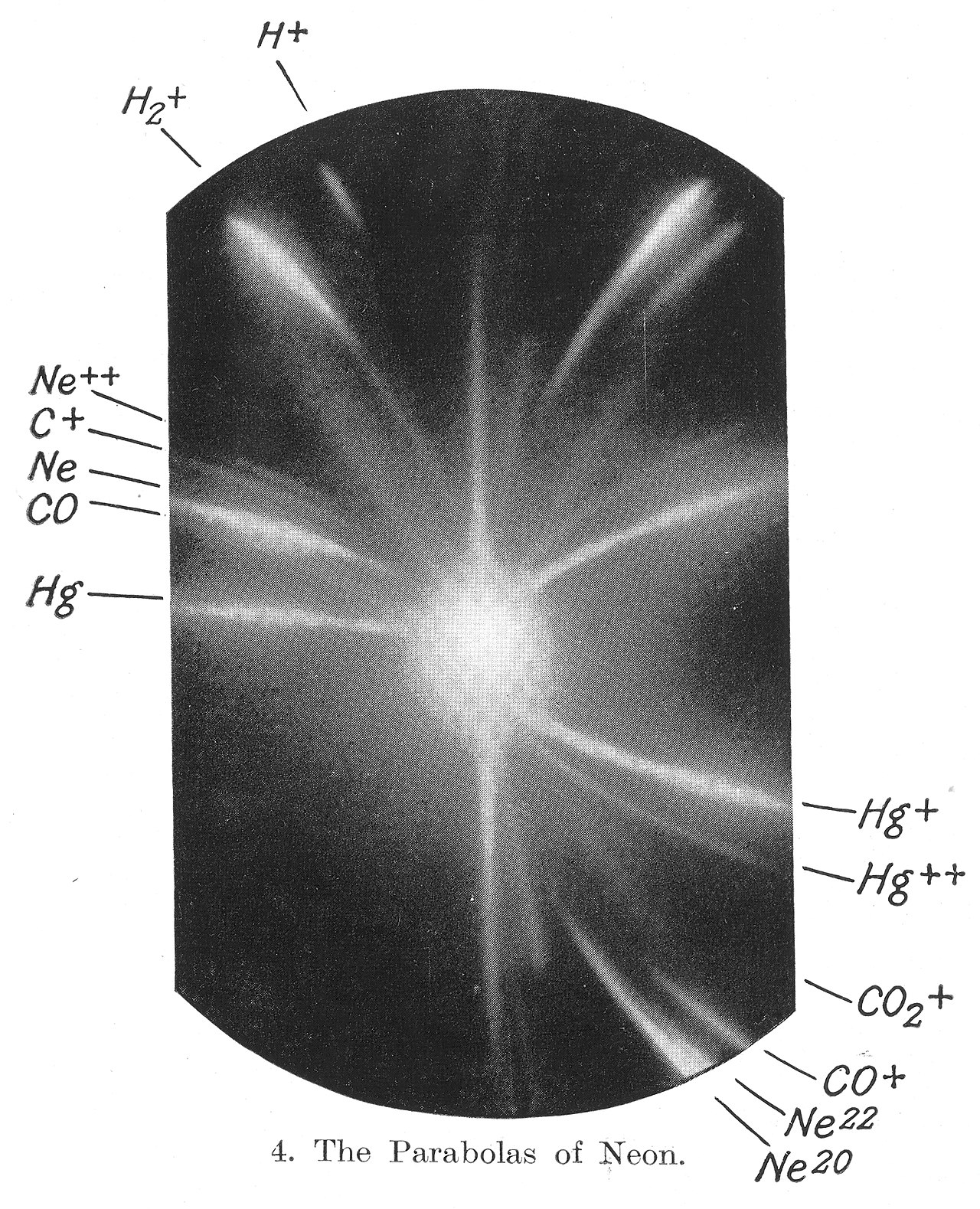
The history of mass spectrometry dates back to the early 20th century, when the first mass spectrometers were developed. The first mass spectrometer was built by J.J. Thomson in 1912, and it used a magnetic sector mass analyzer to separate the ions. Since then, mass spectrometry has undergone significant developments, including the introduction of new ionization techniques, such as Electrospray Ionization (ESI) and Atmospheric Pressure Chemical Ionization (APCI), and the development of new mass analyzers, such as the Quadrupole and Time-of-Flight (TOF) mass analyzers. Furthermore, Alan Hillier and John Bennett Fenn were awarded the Nobel Prize in Chemistry in 2002 for their development of ESI and its application to the analysis of biological molecules.
🔎 Future Directions of Mass Spectrometry
The future directions of mass spectrometry are exciting and varied, with new technologies and techniques being developed all the time. One area of research is the development of new ionization techniques, such as Nanospray Ionization and Paper Spray Ionization. Another area of research is the development of new mass analyzers, such as the Orbitrap and the Quadrupole Time-of-Flight (QTOF) mass analyzers. Additionally, Mass Spectrometry Imaging is a technique that allows for the spatial distribution of molecules in a sample to be visualized, and it has many potential applications in fields such as Cancer Research and Neuroscience.
📊 Quantitative Analysis with Mass Spectrometry
Quantitative analysis is a critical aspect of mass spectrometry, as it involves the measurement of the amount of a particular component in a sample. There are several techniques used for quantitative analysis, including Selected Reaction Monitoring (SRM) and Multiple Reaction Monitoring (MRM). These techniques involve the use of a mass spectrometer to detect and quantify specific ions in a sample, and they are commonly used in fields such as Pharmacology and Toxicology. For instance, Isotope Dilution is a technique used to quantify the amount of a particular component in a sample by spiking the sample with a known amount of a stable isotope.
🌈 Imaging Mass Spectrometry
Imaging mass spectrometry is a technique that allows for the spatial distribution of molecules in a sample to be visualized. This technique uses a mass spectrometer to detect and image the distribution of ions in a sample, and it has many potential applications in fields such as Cancer Research and Neuroscience. There are several types of imaging mass spectrometry, including Matrix-Assisted Laser Desorption Ionization (MALDI) imaging and Desorption Electrospray Ionization (DESI) imaging. Additionally, Secondary Ion Mass Spectrometry (SIMS) is a technique that uses a focused ion beam to desorb and ionize molecules from a sample, allowing for high-resolution imaging of the sample.
🤝 Hyphenated Techniques in Mass Spectrometry
Hyphenated techniques are a combination of two or more analytical techniques, such as Gas Chromatography-Mass Spectrometry (GC-MS) and Liquid Chromatography-Mass Spectrometry (LC-MS). These techniques are used to separate and analyze complex mixtures, and they are commonly used in fields such as Environmental Science and Pharmaceutical Science. For example, Gas Chromatography-Mass Spectrometry (GC-MS) is a hyphenated technique that combines the separation capabilities of gas chromatography with the analytical power of mass spectrometry, while Liquid Chromatography-Mass Spectrometry (LC-MS) is another popular hyphenated technique used for the analysis of complex biological samples.
📊 Controversies and Limitations of Mass Spectrometry
Despite its many advantages, mass spectrometry also has some limitations and controversies. One of the main limitations is the difficulty of analyzing complex mixtures, which can result in overlapping peaks and difficulty in identifying the components of the sample. Another limitation is the requirement for specialized instrumentation and expertise, which can make it difficult for some researchers to access and use the technique. Additionally, Mass Spectrometry Controversies have arisen in the past, such as the debate over the use of Mass Spectrometry in Forensic Science. However, researchers are continually working to develop new techniques and technologies to overcome these limitations and improve the accuracy and reliability of mass spectrometry.
📈 Emerging Trends in Mass Spectrometry
The emerging trends in mass spectrometry are exciting and varied, with new technologies and techniques being developed all the time. One area of research is the development of new ionization techniques, such as Nanospray Ionization and Paper Spray Ionization. Another area of research is the development of new mass analyzers, such as the Orbitrap and the Quadrupole Time-of-Flight (QTOF) mass analyzers. Additionally, Mass Spectrometry Imaging is a technique that allows for the spatial distribution of molecules in a sample to be visualized, and it has many potential applications in fields such as Cancer Research and Neuroscience.
Key Facts
- Year
- 1912
- Origin
- University of Cambridge, UK
- Category
- Scientific Instrumentation
- Type
- Scientific Technique
Frequently Asked Questions
What is mass spectrometry?
Mass spectrometry is an analytical technique that is used to measure the mass-to-charge ratio of ions. It is commonly used in fields such as chemistry, biology, and pharmacology to analyze and identify the components of a sample. For example, Mass Spectrometry can be used to analyze the structure and composition of Biological Molecules, such as Proteins and Nucleic Acids. Additionally, Mass Spectrometry can be used to study the Metabolism of organisms and to identify Biomarkers for diseases.
What are the principles of mass spectrometry?
The principles of mass spectrometry involve the ionization of molecules, separation of ions according to their mass-to-charge ratio, and detection of the ions. The most common ionization techniques used in mass spectrometry are Electrospray Ionization (ESI) and Atmospheric Pressure Chemical Ionization (APCI). These techniques are used to produce ions from the sample, which are then separated according to their mass-to-charge ratio using a mass analyzer, such as a Quadrupole or Time-of-Flight (TOF) mass analyzer. Furthermore, Mass Spectrometry Imaging is a technique that allows for the spatial distribution of molecules in a sample to be visualized.
What are the applications of mass spectrometry?
Mass spectrometry has a wide range of applications, including the analysis of Biological Samples, such as blood, urine, and tissue, as well as the analysis of Environmental Samples, such as water and air. It is also used in the Pharmaceutical Industry for the development and quality control of drugs, and in the Food Industry for the analysis of food safety and quality. Additionally, mass spectrometry is used in Forensic Science for the analysis of evidence, such as hair, fibers, and other materials. For instance, Proteomics is a field that uses mass spectrometry to study the structure and function of Proteins.
What are the limitations of mass spectrometry?
Despite its many advantages, mass spectrometry also has some limitations. One of the main limitations is the difficulty of analyzing complex mixtures, which can result in overlapping peaks and difficulty in identifying the components of the sample. Another limitation is the requirement for specialized instrumentation and expertise, which can make it difficult for some researchers to access and use the technique. Additionally, Mass Spectrometry Controversies have arisen in the past, such as the debate over the use of Mass Spectrometry in Forensic Science. However, researchers are continually working to develop new techniques and technologies to overcome these limitations and improve the accuracy and reliability of mass spectrometry.
What is the future of mass spectrometry?
The future of mass spectrometry is exciting and varied, with new technologies and techniques being developed all the time. One area of research is the development of new ionization techniques, such as Nanospray Ionization and Paper Spray Ionization. Another area of research is the development of new mass analyzers, such as the Orbitrap and the Quadrupole Time-of-Flight (QTOF) mass analyzers. Additionally, Mass Spectrometry Imaging is a technique that allows for the spatial distribution of molecules in a sample to be visualized, and it has many potential applications in fields such as Cancer Research and Neuroscience.
How does mass spectrometry work?
Mass spectrometry works by ionizing the molecules in a sample, separating the ions according to their mass-to-charge ratio, and detecting the ions. The most common ionization techniques used in mass spectrometry are Electrospray Ionization (ESI) and Atmospheric Pressure Chemical Ionization (APCI). These techniques are used to produce ions from the sample, which are then separated according to their mass-to-charge ratio using a mass analyzer, such as a Quadrupole or Time-of-Flight (TOF) mass analyzer. Furthermore, Mass Spectrometry Imaging is a technique that allows for the spatial distribution of molecules in a sample to be visualized.
What are the different types of mass spectrometry?
There are several types of mass spectrometry, including Gas Chromatography-Mass Spectrometry (GC-MS), Liquid Chromatography-Mass Spectrometry (LC-MS), and Matrix-Assisted Laser Desorption Ionization (MALDI) mass spectrometry. Each type of mass spectrometry has its own strengths and weaknesses, and the choice of technique depends on the specific application and the type of sample being analyzed. For example, Gas Chromatography-Mass Spectrometry (GC-MS) is a hyphenated technique that combines the separation capabilities of gas chromatography with the analytical power of mass spectrometry, while Liquid Chromatography-Mass Spectrometry (LC-MS) is another popular hyphenated technique used for the analysis of complex biological samples.