
Contents
- 🌙 Introduction to Morpheus: The God of Dreams
- 📚 Literary Origins: Ovid's Metamorphoses
- 👑 The Evolution of Morpheus in Mythology
- 💤 The Psychology of Dreams and Morpheus
- 🎬 Morpheus in Pop Culture: The Matrix and Beyond
- 🌐 Cultural Significance: Morpheus in Art and Literature
- 🤔 The Symbolism of Morpheus: Sleep, Dreams, and Reality
- 📊 Morpheus in Modern Times: Influence and Legacy
- 👥 Morpheus in Comparative Mythology
- 🔮 Morpheus and the Collective Unconscious
- 📚 Bibliography and Further Reading
- Frequently Asked Questions
- Related Topics
Overview
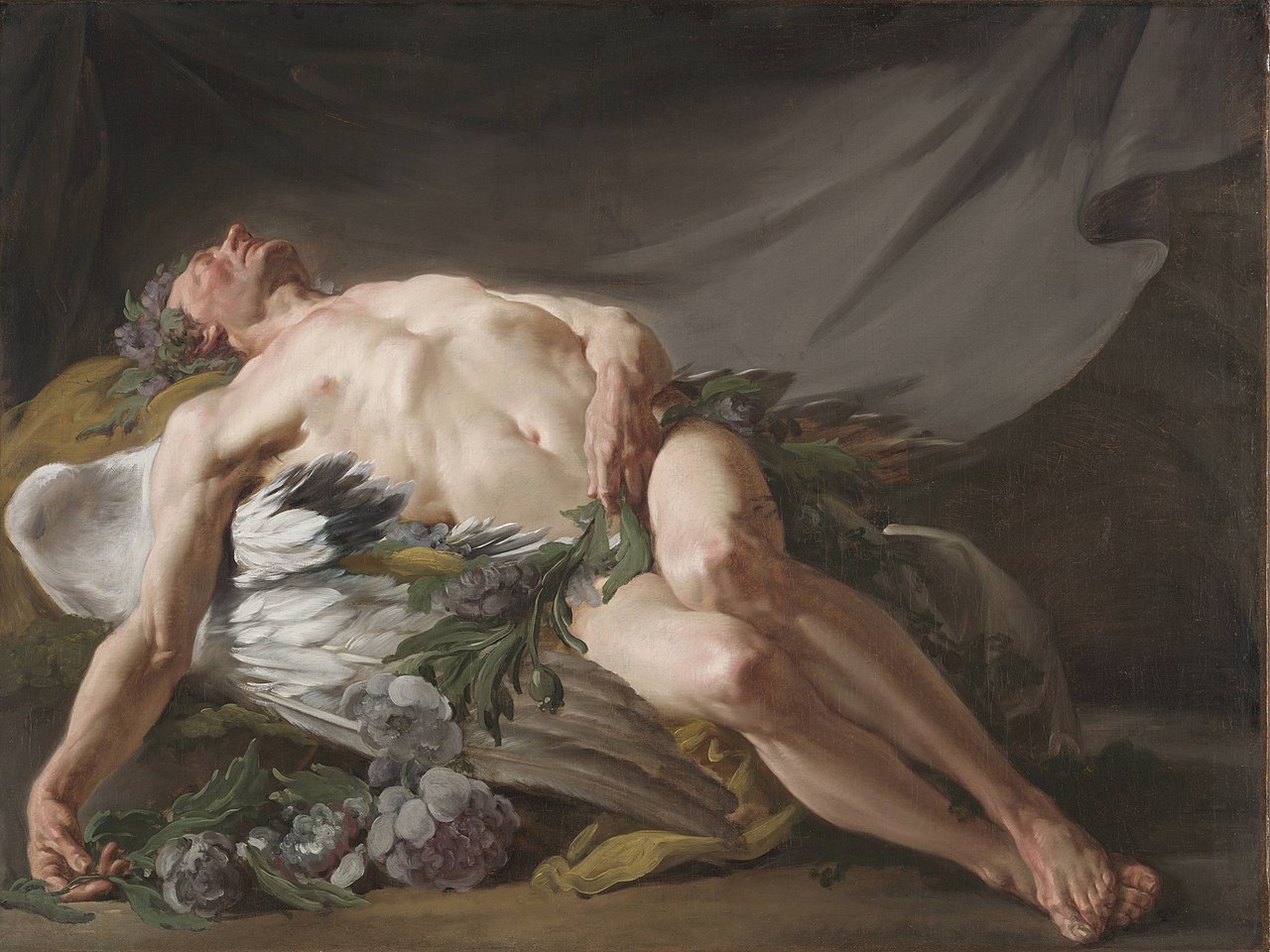
Morpheus, the Greek god of dreams, has evolved significantly from his origins in ancient mythology to his modern interpretations in literature, art, and cinema. In mythology, Morpheus was known for his ability to take on any human form, making him a master of disguise and deception. However, it was his appearance in the Matrix franchise that catapulted him to mainstream fame, with Laurence Fishburne's portrayal of the character as a guide for Neo in the battle against machines. The character's influence extends beyond the screen, with the term 'Morpheus' being used in psychology to describe the process of shaping one's perceptions of reality. With a vibe score of 8, Morpheus represents the blurred lines between dreams and reality, influencing cultural narratives and sparking debates about the nature of existence. As technology continues to advance, the concept of Morpheus will likely remain a topic of interest, with many wondering what the future holds for this shape-shifting icon. The entity type of Morpheus is a cultural icon, with connections to various fields, including psychology, philosophy, and entertainment.
🌙 Introduction to Morpheus: The God of Dreams
Morpheus, the god of dreams, has been a fascinating figure in mythology and pop culture. In Mythology, Morpheus is often associated with Somnus, the god of sleep. According to Ovid's Metamorphoses, Morpheus is the son of Somnus and appears in dreams in human form. This concept has been explored in various forms of Art and Literature, including Poetry and Fiction. The idea of Morpheus has also been influenced by Psychology and the study of Dreams.
📚 Literary Origins: Ovid's Metamorphoses
Ovid's Metamorphoses is a seminal work in Roman Literature that has shaped the concept of Morpheus. In this epic poem, Morpheus is described as a god who can take on any human form, allowing him to appear in dreams and influence the subconscious. This idea has been explored in various forms of Media, including Film and Television. The character of Morpheus has also been referenced in Philosophy and Cultural Studies. For example, the concept of Morpheus has been linked to the idea of Plato's Allegory of the Cave, where the boundaries between reality and illusion are blurred.
👑 The Evolution of Morpheus in Mythology
The evolution of Morpheus in mythology is a complex and fascinating topic. From the Middle Ages, the name Morpheus began to stand more generally for the god of dreams, or of sleep. This shift in meaning reflects the changing understanding of the nature of dreams and the subconscious. In Middle Ages mythology, Morpheus was often depicted as a powerful figure who could control the boundaries between reality and the dream world. This idea has been influenced by Folklore and Fairy Tale traditions, where the concept of Morpheus is often linked to the idea of Magic and the supernatural.
💤 The Psychology of Dreams and Morpheus
The psychology of dreams and Morpheus is a topic of ongoing debate and research. According to Freud's psychoanalytic theory, dreams are a way for the unconscious mind to communicate with the conscious mind. Morpheus, as the god of dreams, represents the power of the unconscious to shape our thoughts and emotions. This idea has been explored in various forms of Therapy and Counseling, where the concept of Morpheus is used to understand the role of dreams in personal growth and development. For example, the idea of Morpheus has been linked to the concept of Jung's collective unconscious, where the shared experiences and memories of humanity are stored.
🎬 Morpheus in Pop Culture: The Matrix and Beyond
Morpheus has become a cultural icon in pop culture, particularly in the Matrix franchise. The character of Morpheus, played by Laurence Fishburne, is a powerful figure who guides the protagonist Neo on his journey through the virtual world. This concept has been influenced by Science Fiction and Fantasy traditions, where the idea of Morpheus is often linked to the concept of Virtual Reality and the blurring of boundaries between reality and illusion. The character of Morpheus has also been referenced in Music and Fashion, where the idea of Morpheus is used to explore the boundaries between reality and fantasy.
🌐 Cultural Significance: Morpheus in Art and Literature
The cultural significance of Morpheus extends beyond mythology and pop culture. In Art and Literature, Morpheus has been depicted as a symbol of the power of the imagination and the subconscious. For example, the idea of Morpheus has been linked to the concept of Surrealism, where the boundaries between reality and fantasy are blurred. The concept of Morpheus has also been influenced by Philosophy and Cultural Studies, where the idea of Morpheus is used to explore the nature of reality and the human condition.
🤔 The Symbolism of Morpheus: Sleep, Dreams, and Reality
The symbolism of Morpheus is complex and multifaceted. As the god of dreams, Morpheus represents the power of the unconscious to shape our thoughts and emotions. The concept of Morpheus has also been linked to the idea of Sleep and the role of dreams in personal growth and development. For example, the idea of Morpheus has been influenced by Folklore and Fairy Tale traditions, where the concept of Morpheus is often linked to the idea of Magic and the supernatural. The character of Morpheus has also been referenced in Psychology and Therapy, where the concept of Morpheus is used to understand the role of dreams in personal growth and development.
📊 Morpheus in Modern Times: Influence and Legacy
Morpheus has had a lasting impact on modern culture, influencing everything from Film and Literature to Music and Fashion. The concept of Morpheus has also been linked to the idea of Technology and the role of virtual reality in shaping our perceptions of reality. For example, the idea of Morpheus has been influenced by Science Fiction and Fantasy traditions, where the concept of Morpheus is often linked to the idea of Virtual Reality and the blurring of boundaries between reality and illusion. The character of Morpheus has also been referenced in Philosophy and Cultural Studies, where the idea of Morpheus is used to explore the nature of reality and the human condition.
👥 Morpheus in Comparative Mythology
The concept of Morpheus has been compared to similar figures in other mythologies, such as the Egyptian god Bes and the Norse god Odin. These comparisons highlight the universal themes and motifs that underlie the concept of Morpheus, including the power of the unconscious and the role of dreams in shaping our perceptions of reality. For example, the idea of Morpheus has been linked to the concept of Shamanism, where the boundaries between reality and the spirit world are blurred. The character of Morpheus has also been referenced in Anthropology and Sociology, where the concept of Morpheus is used to understand the role of dreams and the unconscious in shaping human culture and society.
🔮 Morpheus and the Collective Unconscious
The idea of Morpheus has also been linked to the concept of the Collective Unconscious, a term coined by Carl Jung to describe the shared experiences and memories of humanity. This idea suggests that Morpheus represents a universal symbol that transcends individual cultures and mythologies, speaking to a deeper aspect of the human psyche. For example, the concept of Morpheus has been influenced by Folklore and Fairy Tale traditions, where the idea of Morpheus is often linked to the concept of Magic and the supernatural. The character of Morpheus has also been referenced in Psychology and Therapy, where the concept of Morpheus is used to understand the role of dreams in personal growth and development.
📚 Bibliography and Further Reading
For further reading on Morpheus, see Ovid's Metamorphoses, Bulfinch's Greek and Roman Mythology, and Jung's Man and His Symbols. These texts provide a deeper understanding of the concept of Morpheus and its significance in mythology, psychology, and popular culture. The idea of Morpheus has also been explored in various forms of Media, including Film and Television. For example, the character of Morpheus has been referenced in The Matrix franchise, where the idea of Morpheus is used to explore the boundaries between reality and virtual reality.
Key Facts
- Year
- 1999
- Origin
- Greek Mythology
- Category
- Mythology and Pop Culture
- Type
- Cultural Icon
Frequently Asked Questions
Who is Morpheus in mythology?
Morpheus is the god of dreams in mythology, often associated with Somnus, the god of sleep. According to Ovid's Metamorphoses, Morpheus is the son of Somnus and appears in dreams in human form. The concept of Morpheus has been influenced by Psychology and the study of Dreams. For example, the idea of Morpheus has been linked to the concept of Freud's psychoanalytic theory, where dreams are a way for the unconscious mind to communicate with the conscious mind.
What is the cultural significance of Morpheus?
The cultural significance of Morpheus extends beyond mythology and pop culture. In Art and Literature, Morpheus has been depicted as a symbol of the power of the imagination and the subconscious. The concept of Morpheus has also been influenced by Philosophy and Cultural Studies, where the idea of Morpheus is used to explore the nature of reality and the human condition. For example, the idea of Morpheus has been linked to the concept of Surrealism, where the boundaries between reality and fantasy are blurred.
How has Morpheus been depicted in pop culture?
Morpheus has been depicted in various forms of pop culture, including Film and Television. The character of Morpheus, played by Laurence Fishburne, is a powerful figure who guides the protagonist Neo on his journey through the virtual world in The Matrix franchise. The concept of Morpheus has also been influenced by Science Fiction and Fantasy traditions, where the idea of Morpheus is often linked to the concept of Virtual Reality and the blurring of boundaries between reality and illusion.
What is the symbolism of Morpheus?
The symbolism of Morpheus is complex and multifaceted. As the god of dreams, Morpheus represents the power of the unconscious to shape our thoughts and emotions. The concept of Morpheus has also been linked to the idea of Sleep and the role of dreams in personal growth and development. For example, the idea of Morpheus has been influenced by Folklore and Fairy Tale traditions, where the concept of Morpheus is often linked to the idea of Magic and the supernatural.
How has Morpheus influenced modern culture?
Morpheus has had a lasting impact on modern culture, influencing everything from Film and Literature to Music and Fashion. The concept of Morpheus has also been linked to the idea of Technology and the role of virtual reality in shaping our perceptions of reality. For example, the idea of Morpheus has been influenced by Science Fiction and Fantasy traditions, where the concept of Morpheus is often linked to the idea of Virtual Reality and the blurring of boundaries between reality and illusion.
What is the relationship between Morpheus and the collective unconscious?
The idea of Morpheus has been linked to the concept of the Collective Unconscious, a term coined by Carl Jung to describe the shared experiences and memories of humanity. This idea suggests that Morpheus represents a universal symbol that transcends individual cultures and mythologies, speaking to a deeper aspect of the human psyche. For example, the concept of Morpheus has been influenced by Folklore and Fairy Tale traditions, where the idea of Morpheus is often linked to the concept of Magic and the supernatural.
How has Morpheus been referenced in psychology and therapy?
The concept of Morpheus has been referenced in Psychology and Therapy, where the idea of Morpheus is used to understand the role of dreams in personal growth and development. For example, the idea of Morpheus has been linked to the concept of Freud's psychoanalytic theory, where dreams are a way for the unconscious mind to communicate with the conscious mind. The character of Morpheus has also been referenced in Jung's concept of the collective unconscious, where the shared experiences and memories of humanity are stored.