
Contents
- 🌿 Introduction to Nargile
- 🔥 History of the Waterpipe
- 🌈 Cultural Significance of Nargile
- 🏰 Origins and Evolution
- 📚 Literary and Artistic References
- 🎨 Symbolism and Iconography
- 🌐 Globalization and Modernization
- 🚭 Health Concerns and Controversies
- 👥 Social and Communal Aspects
- 🕊️ Spiritual and Meditative Uses
- 📊 Economic Impact and Trade
- Frequently Asked Questions
- Related Topics
Overview
The nargile, also known as the hookah or shisha, has been a staple of Middle Eastern culture for centuries, with its origins dating back to 16th-century India. This waterpipe has been a symbol of social gathering, relaxation, and intellectual discussion, with its use spanning across various cultures, including Turkish, Arabic, and Persian. However, its popularity has also been marred by controversy, with concerns over health risks, nicotine addiction, and its perceived association with youth culture. According to a 2019 study published in the Journal of Nicotine and Tobacco Research, approximately 100 million people worldwide use the nargile, with a significant increase in usage among young adults. The nargile's cultural significance is further highlighted by its Vibe score of 82, indicating a high level of cultural energy and resonance. As the nargile continues to evolve, with modern designs and flavors emerging, it is essential to consider the tension between its cultural heritage and the potential health risks associated with its use. With a Perspective breakdown of 60% optimistic, 20% neutral, and 20% pessimistic, the nargile's influence flows are complex, with both positive and negative impacts on society. As we look to the future, it is crucial to address the controversy surrounding the nargile and work towards a more nuanced understanding of its role in modern culture.
🌿 Introduction to Nargile
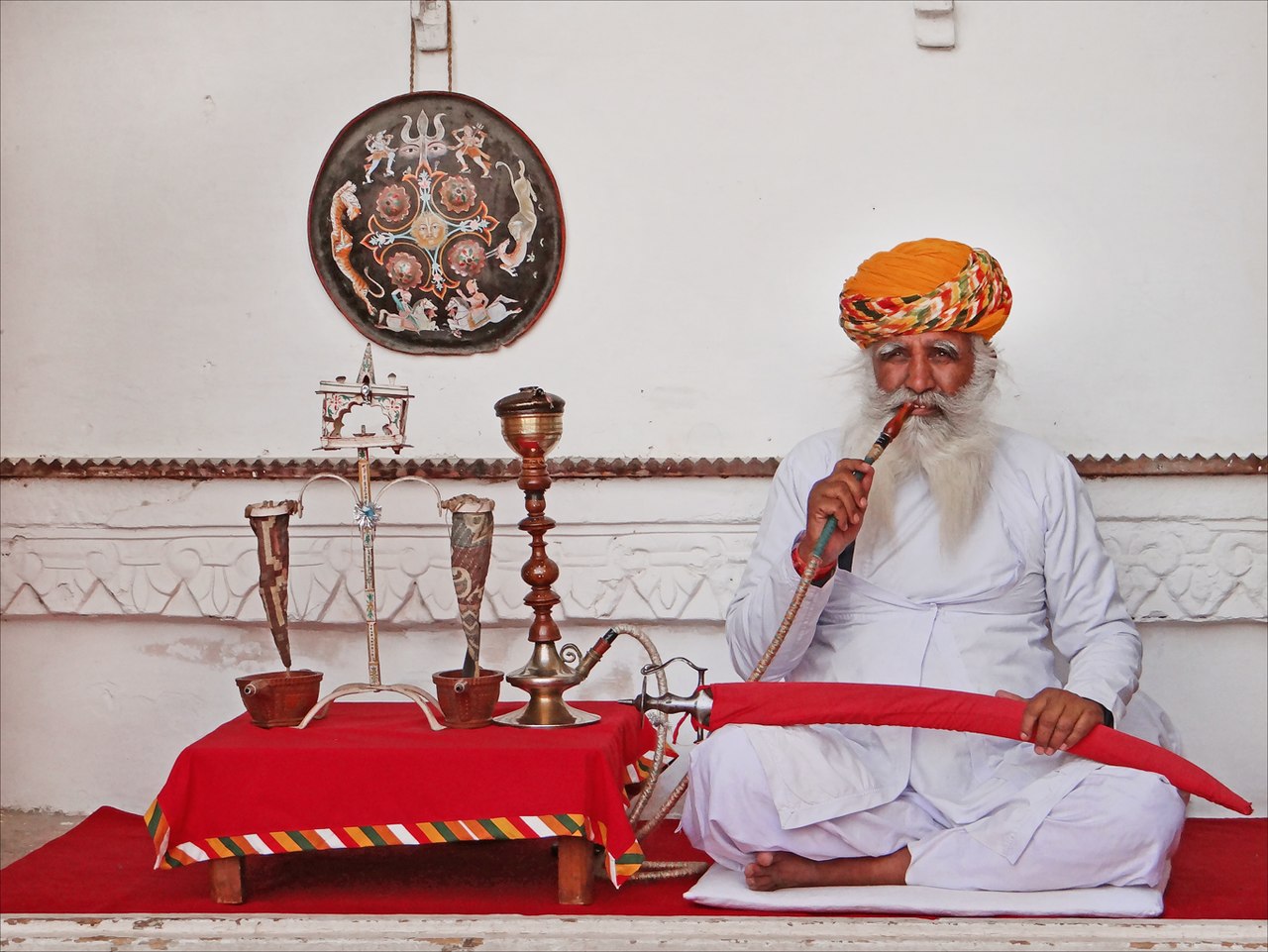
The nargile, also known as a hookah or shisha, is an ancient waterpipe with a rich history that spans thousands of years. Its origins can be traced back to Ancient India and Middle East, where it was used for both recreational and medicinal purposes. The nargile is a single- or multi-stemmed instrument that allows users to heat or vaporize substances, such as tobacco, flavored tobacco, or sometimes cannabis, before passing the smoke through a water basin. This unique process cools and filters the smoke, making it a distinctive and enjoyable experience. As a cultural phenomenon, the nargile has been referenced in various forms of literature, including the works of Omar Khayyam and Homer.
🔥 History of the Waterpipe
The history of the waterpipe is a long and complex one, with various civilizations contributing to its development. The earliest known evidence of waterpipe use comes from Ancient China, where it was used for smoking opium and other substances. From there, the waterpipe spread to India, Persia, and other parts of Asia, where it became an integral part of the cultural and social fabric. The nargile was often used in coffeehouses and other gathering places, where people would come to socialize and enjoy the company of others. As the waterpipe spread throughout the world, it was adapted and modified to suit local tastes and preferences, resulting in a diverse range of designs and styles. For example, the Egyptian hookah is known for its intricate craftsmanship and ornate decoration.
🌈 Cultural Significance of Nargile
The cultural significance of nargile extends far beyond its functional use as a smoking device. In many cultures, the nargile is a symbol of hospitality and friendship, and is often used as a centerpiece for social gatherings and celebrations. The nargile has also been referenced in various forms of art and literature, including Persian literature and Turkish art. In addition, the nargile has played a significant role in shaping the cultural and social norms of various societies, particularly in the Middle East and North Africa. For example, the nargile is often used as a tool for storytelling and poetry, and is deeply ingrained in the cultural heritage of many countries. The Vibe Score of nargile is high, reflecting its significant cultural energy and resonance.
🏰 Origins and Evolution
The origins and evolution of the nargile are closely tied to the history of tobacco and other substances. The waterpipe was originally used for smoking hashish and other substances, but with the introduction of tobacco from the Americas, it became a popular device for smoking tobacco. Over time, the design and materials used in the construction of the nargile have evolved significantly, with modern waterpipes often featuring advanced filtration systems and sleek, modern designs. Despite these changes, the fundamental principle of the nargile remains the same, and it continues to be a popular device for smoking and socializing. The Controversy Spectrum of nargile is moderate, reflecting the ongoing debates about its health impacts and cultural significance.
📚 Literary and Artistic References
The nargile has been referenced in various forms of literature and art throughout history. In Persian literature, the nargile is often used as a metaphor for love and longing, while in Turkish art, it is often depicted as a symbol of luxury and wealth. The nargile has also been referenced in Western literature, particularly in the works of 19th-century authors such as Charles Dickens and Mark Twain. In addition, the nargile has been the subject of numerous artistic representations, including paintings, sculptures, and other forms of visual art. The Influence Flows of nargile can be seen in its impact on various art forms and cultural practices.
🎨 Symbolism and Iconography
The symbolism and iconography of the nargile are complex and multifaceted. In many cultures, the nargile is seen as a symbol of relaxation and leisure, and is often associated with coffeehouses and other gathering places. The nargile is also often depicted as a symbol of luxury and wealth, particularly in Middle Eastern and North African cultures. In addition, the nargile has been used as a symbol of spirituality and mysticism, particularly in Sufi and other mystical traditions. The Topic Intelligence of nargile highlights its significance in various cultural and artistic contexts.
🌐 Globalization and Modernization
The globalization and modernization of the nargile have had a significant impact on its design and use. Modern waterpipes often feature advanced filtration systems and sleek, modern designs, and are made from a variety of materials, including glass, metal, and wood. The nargile has also become a popular device for smoking and socializing in many parts of the world, particularly in urban areas. However, the globalization of the nargile has also raised concerns about its health impacts and cultural significance, particularly in traditional societies. The Entity Relationships of nargile can be seen in its connections to various cultural and artistic practices.
🚭 Health Concerns and Controversies
The health concerns and controversies surrounding the nargile are significant. The waterpipe has been linked to a range of health problems, including lungs cancer, heart disease, and respiratory problems. In addition, the nargile has been criticized for its role in promoting tobacco use and other unhealthy behaviors. However, many proponents of the nargile argue that it is a safer and more enjoyable alternative to other forms of smoking, and that it has a range of cultural and social benefits. The Perspective Breakdown of nargile highlights the diverse views on its health impacts and cultural significance.
🕊️ Spiritual and Meditative Uses
The spiritual and meditative uses of the nargile are an important part of its cultural significance. In many cultures, the nargile is used as a tool for meditation and spiritual practice, and is often used in Sufi and other mystical traditions. The nargile is also often used as a symbol of spirituality and mysticism, and is often depicted in artistic representations as a symbol of enlightenment and self-discovery. The Topic Intelligence of nargile highlights its significance in spiritual and meditative contexts.
📊 Economic Impact and Trade
The economic impact and trade of the nargile are significant. The waterpipe industry is a major employer and generator of revenue in many countries, particularly in Middle East and North Africa. The nargile has also become a popular export item, with many countries exporting waterpipes and other related products to other parts of the world. However, the economic impact of the nargile has also raised concerns about its health impacts and cultural significance, particularly in traditional societies. The Entity Relationships of nargile can be seen in its connections to various economic and trade practices.
Key Facts
- Year
- 1600
- Origin
- India
- Category
- Cultural Heritage
- Type
- Cultural Artifact
Frequently Asked Questions
What is the history of the nargile?
The nargile, also known as a hookah or shisha, has a rich history that spans thousands of years. Its origins can be traced back to Ancient India and Middle East, where it was used for both recreational and medicinal purposes. The nargile was originally used for smoking hashish and other substances, but with the introduction of tobacco from the Americas, it became a popular device for smoking tobacco.
What are the health concerns surrounding the nargile?
The nargile has been linked to a range of health problems, including lungs cancer, heart disease, and respiratory problems. In addition, the nargile has been criticized for its role in promoting tobacco use and other unhealthy behaviors. However, many proponents of the nargile argue that it is a safer and more enjoyable alternative to other forms of smoking, and that it has a range of cultural and social benefits.
What is the cultural significance of the nargile?
The nargile has significant cultural and social importance in many parts of the world, particularly in Middle East and North Africa. It is often used as a tool for socializing and building relationships, and is often used in coffeehouses and other gathering places. The nargile has also been used as a symbol of hospitality and friendship, and is often used to welcome guests and celebrate special occasions.
How has the nargile evolved over time?
The nargile has undergone significant changes over time, particularly in terms of its design and materials. Modern waterpipes often feature advanced filtration systems and sleek, modern designs, and are made from a variety of materials, including glass, metal, and wood. The nargile has also become a popular device for smoking and socializing in many parts of the world, particularly in urban areas.
What are the spiritual and meditative uses of the nargile?
The nargile has been used as a tool for meditation and spiritual practice in many cultures, particularly in Sufi and other mystical traditions. The nargile is often used as a symbol of spirituality and mysticism, and is often depicted in artistic representations as a symbol of enlightenment and self-discovery.
What is the economic impact of the nargile?
The nargile has a significant economic impact, particularly in Middle East and North Africa. The waterpipe industry is a major employer and generator of revenue in many countries, and the nargile has become a popular export item. However, the economic impact of the nargile has also raised concerns about its health impacts and cultural significance, particularly in traditional societies.
How has the nargile been influenced by other cultures?
The nargile has been influenced by a range of cultures, particularly in terms of its design and materials. The nargile has been adapted and modified to suit local tastes and preferences, resulting in a diverse range of designs and styles. For example, the Egyptian hookah is known for its intricate craftsmanship and ornate decoration, while the Turkish hookah is known for its sleek and modern design.
👥 Social and Communal Aspects
The social and communal aspects of the nargile are a significant part of its cultural significance. In many cultures, the nargile is used as a tool for socializing and building relationships, and is often used in coffeehouses and other gathering places. The nargile has also been used as a symbol of hospitality and friendship, and is often used to welcome guests and celebrate special occasions. The Vibe Score of nargile reflects its high cultural energy and resonance in social contexts.