
Contents
Overview
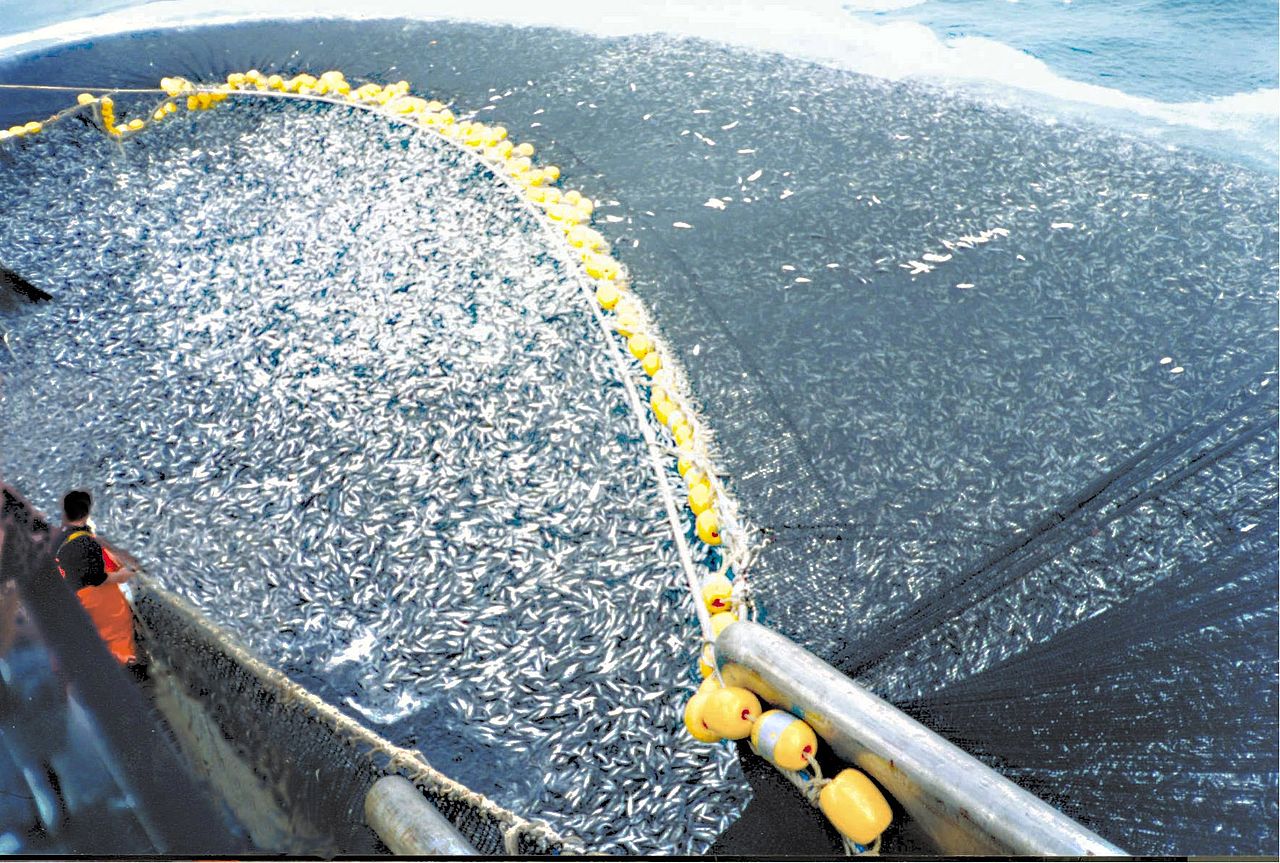
Overfishing, which has been widely reported since the 1990s, poses a significant threat to the world's oceans, with the Food and Agriculture Organization (FAO) of the United Nations estimating that approximately 34% of global fish stocks are overfished, according to a 2020 report. This alarming trend is attributed to factors such as unsustainable fishing practices, lack of effective regulations, and increasing demand for seafood. The consequences of overfishing are far-reaching, including the depletion of fish populations, damage to marine ecosystems, and negative impacts on the livelihoods of people dependent on fishing industries. For instance, the collapse of the cod fishery in Newfoundland, Canada, in the 1990s resulted in the loss of over 40,000 jobs and a significant economic downturn. Furthermore, overfishing also has significant economic implications, with the FAO estimating that the global fishing industry loses around $50 billion annually due to overfishing. As the global population continues to grow, the demand for seafood is expected to increase, putting further pressure on already strained fish populations. The World Wildlife Fund (WWF) has been working to address this issue through initiatives such as the Marine Stewardship Council (MSC) certification program, which promotes sustainable fishing practices. However, more needs to be done to combat overfishing and ensure the long-term sustainability of the world's oceans. With a vibe score of 8, indicating high cultural energy, overfishing is a topic that sparks intense debate and discussion, with many experts, including Dr. Daniel Pauly, a renowned marine biologist, calling for immediate action to address this critical issue.
🌊 Introduction to Overfishing
The practice of overfishing has been a major concern for environmentalists and conservationists for decades. Overfishing, as defined by the Overfishing phenomenon, occurs when aquatic animals are removed from a body of water at a rate greater than that the species can replenish its population naturally. This can happen in water bodies of any size, from small Ponds and Wetlands to large Rivers, Lakes, and Oceans. The effects of overfishing can be seen in the reduced Biodiversity and ecosystem functioning, as well as the negative social and economic consequences. For example, the Food Security of many communities is threatened by overfishing, as it reduces the availability of Fish and other seafood. Furthermore, overfishing can also lead to the loss of Ecosystem Services, such as Water Purification and Shoreline Stabilization.
🐟 Types of Overfishing
There are several types of overfishing, including growth overfishing, recruitment overfishing, and ecosystem overfishing. Growth Overfishing occurs when fish are caught before they have a chance to grow and reproduce, while Recruitment Overfishing occurs when the number of young fish is reduced, making it difficult for the population to replenish itself. Ecosystem Overfishing, on the other hand, occurs when the removal of a species has a ripple effect throughout the entire ecosystem. For instance, the overfishing of Sharks has led to the upset of entire marine ecosystems, as they play a crucial role in maintaining the balance of the ecosystem. Additionally, overfishing can also lead to the degradation of Coral Reefs and other marine ecosystems, which can have severe consequences for the entire ecosystem.
🌴 Ecosystem Consequences
The consequences of overfishing can be seen in the ecosystem, where the removal of a species can have a ripple effect throughout the entire ecosystem. For example, the overfishing of Herbivorous Fish can lead to an increase in Algae growth, which can in turn harm the ecosystem. Similarly, the overfishing of Predatory Fish can lead to an increase in the population of their prey species, which can also harm the ecosystem. Furthermore, overfishing can also lead to the loss of Ecosystem Resilience, making it more difficult for the ecosystem to recover from disturbances. The United Nations has recognized the importance of addressing overfishing and has implemented various initiatives to promote Sustainable Fishing Practices.
📉 Economic Impacts
Overfishing can have significant economic impacts, particularly on communities that rely heavily on fishing for their livelihood. The reduction in fish production can lead to a decline in the economy, as well as a loss of Food Security. For example, the overfishing of Cod in the North Atlantic has had severe economic consequences for the fishing industry. Additionally, the economic impacts of overfishing can also be seen in the loss of Tourism revenue, as the decline of marine ecosystems can make them less attractive to tourists. The World Wildlife Fund has estimated that the economic benefits of sustainable fishing practices can be significant, with the potential to generate billions of dollars in revenue each year. Moreover, the implementation of Catch Shares and other management systems can help to reduce the economic impacts of overfishing.
🚨 Critical Depensation
Critical depensation is a phenomenon that occurs when the fish population is no longer able to sustain itself, resulting in extirpation or even extinction of species. This can happen when the rate of fishing is too high, and the population is unable to replenish itself. For example, the overfishing of Bluefin Tuna has led to critical depensation, with the population declining by over 90% in the past few decades. The International Union for Conservation of Nature has listed the Bluefin Tuna as an endangered species, and efforts are being made to reduce the rate of fishing and promote Sustainable Fishing Practices. Additionally, the implementation of Marine Protected Areas can help to reduce the risk of critical depensation.
🐋 Marine Ecosystem Upset
The overfishing of sharks has led to the upset of entire marine ecosystems. Sharks play a crucial role in maintaining the balance of the ecosystem, and their removal can have a ripple effect throughout the entire ecosystem. For example, the overfishing of Great White Sharks has led to an increase in the population of their prey species, such as Sea Lions. The Pew Environment Group has estimated that the loss of sharks can have significant consequences for the ecosystem, including the decline of Biodiversity and ecosystem functioning. Furthermore, the implementation of Shark Fin Trade Bans can help to reduce the overfishing of sharks.
🌈 Biodiversity Loss
The loss of biodiversity is a significant consequence of overfishing. The removal of a species can have a ripple effect throughout the entire ecosystem, leading to a decline in biodiversity and ecosystem functioning. For example, the overfishing of Coral Reef Fish has led to a decline in the biodiversity of coral reefs, making them more vulnerable to disturbances. The Conservation International organization has recognized the importance of addressing the loss of biodiversity and has implemented various initiatives to promote Sustainable Fishing Practices. Additionally, the implementation of Ecosystem-Based Management can help to reduce the loss of biodiversity.
📊 Resource Depletion
Resource depletion is a significant consequence of overfishing. The removal of a species can lead to a decline in the availability of that species, making it difficult for the ecosystem to function properly. For example, the overfishing of Anchovies has led to a decline in the availability of anchovies, making it difficult for the ecosystem to maintain its balance. The National Oceanic and Atmospheric Administration has recognized the importance of addressing resource depletion and has implemented various initiatives to promote Sustainable Fishing Practices. Furthermore, the implementation of Catch Limits can help to reduce the risk of resource depletion.
🚫 Solutions to Overfishing
There are several solutions to overfishing, including the implementation of catch limits, marine protected areas, and sustainable fishing practices. Catch Limits can help to reduce the rate of fishing, while Marine Protected Areas can provide a safe haven for fish to replenish their populations. Sustainable Fishing Practices, such as Pole and Line Fishing, can also help to reduce the impacts of fishing on the ecosystem. The United Nations has recognized the importance of addressing overfishing and has implemented various initiatives to promote sustainable fishing practices. Additionally, the implementation of Fishing Quotas can help to reduce the risk of overfishing.
🌎 Global Cooperation
Global cooperation is necessary to address the issue of overfishing. The United Nations has recognized the importance of addressing overfishing and has implemented various initiatives to promote Sustainable Fishing Practices. The Food and Agriculture Organization of the United Nations has also recognized the importance of addressing overfishing and has implemented various initiatives to promote Sustainable Livelihoods. Additionally, the implementation of Regional Fisheries Management Councils can help to reduce the risk of overfishing. The World Wildlife Fund has estimated that the economic benefits of sustainable fishing practices can be significant, with the potential to generate billions of dollars in revenue each year.
👀 Conclusion
In conclusion, the devastating consequences of overfishing are a significant concern for environmentalists and conservationists. The removal of aquatic animals from a body of water at a rate greater than that the species can replenish its population naturally can have severe consequences for the ecosystem, including the loss of Biodiversity and ecosystem functioning. The economic and social consequences of overfishing can also be significant, particularly for communities that rely heavily on fishing for their livelihood. It is essential to address the issue of overfishing through the implementation of Sustainable Fishing Practices, Catch Limits, and Marine Protected Areas. The United Nations and other organizations have recognized the importance of addressing overfishing and have implemented various initiatives to promote sustainable fishing practices.
Key Facts
- Year
- 2020
- Origin
- Global
- Category
- Environmental Conservation
- Type
- Environmental Issue
Frequently Asked Questions
What is overfishing?
Overfishing is the removal of aquatic animals from a body of water at a rate greater than that the species can replenish its population naturally. This can happen in water bodies of any size, from small ponds and wetlands to large rivers, lakes, and oceans. The effects of overfishing can be seen in the reduced biodiversity and ecosystem functioning, as well as the negative social and economic consequences. For example, the overfishing of fish can lead to a decline in the availability of fish, making it difficult for communities to maintain their traditional way of life. The United Nations has recognized the importance of addressing overfishing and has implemented various initiatives to promote Sustainable Fishing Practices.
What are the consequences of overfishing?
The consequences of overfishing can be severe, including the loss of biodiversity and ecosystem functioning, as well as negative social and economic consequences. The removal of a species can have a ripple effect throughout the entire ecosystem, leading to a decline in biodiversity and ecosystem functioning. For example, the overfishing of sharks has led to the upset of entire marine ecosystems, making them more vulnerable to disturbances. The Pew Environment Group has estimated that the loss of sharks can have significant consequences for the ecosystem, including the decline of biodiversity and ecosystem functioning. Additionally, the economic impacts of overfishing can be significant, particularly for communities that rely heavily on fishing for their livelihood.
How can we address the issue of overfishing?
There are several solutions to overfishing, including the implementation of catch limits, marine protected areas, and sustainable fishing practices. Catch limits can help to reduce the rate of fishing, while marine protected areas can provide a safe haven for fish to replenish their populations. Sustainable fishing practices, such as pole and line fishing, can also help to reduce the impacts of fishing on the ecosystem. The United Nations has recognized the importance of addressing overfishing and has implemented various initiatives to promote sustainable fishing practices. Additionally, the implementation of fishing quotas can help to reduce the risk of overfishing. The World Wildlife Fund has estimated that the economic benefits of sustainable fishing practices can be significant, with the potential to generate billions of dollars in revenue each year.
What is the role of global cooperation in addressing overfishing?
Global cooperation is necessary to address the issue of overfishing. The United Nations has recognized the importance of addressing overfishing and has implemented various initiatives to promote sustainable fishing practices. The Food and Agriculture Organization of the United Nations has also recognized the importance of addressing overfishing and has implemented various initiatives to promote sustainable livelihoods. Additionally, the implementation of regional fisheries management councils can help to reduce the risk of overfishing. The World Wildlife Fund has estimated that the economic benefits of sustainable fishing practices can be significant, with the potential to generate billions of dollars in revenue each year. Global cooperation can help to reduce the risk of overfishing and promote sustainable fishing practices.
What are the economic benefits of sustainable fishing practices?
The economic benefits of sustainable fishing practices can be significant, with the potential to generate billions of dollars in revenue each year. Sustainable fishing practices can help to reduce the risk of overfishing, which can lead to a decline in the availability of fish and a loss of revenue for the fishing industry. Additionally, sustainable fishing practices can help to promote eco-tourism, which can generate significant revenue for local communities. The World Wildlife Fund has estimated that the economic benefits of sustainable fishing practices can be significant, with the potential to generate billions of dollars in revenue each year. Furthermore, the implementation of sustainable fishing practices can help to reduce the risk of Food Insecurity and promote Sustainable Livelihoods.
How can we promote sustainable fishing practices?
There are several ways to promote sustainable fishing practices, including the implementation of catch limits, marine protected areas, and sustainable fishing practices. Additionally, the implementation of fishing quotas can help to reduce the risk of overfishing. The United Nations has recognized the importance of addressing overfishing and has implemented various initiatives to promote sustainable fishing practices. The Food and Agriculture Organization of the United Nations has also recognized the importance of addressing overfishing and has implemented various initiatives to promote sustainable livelihoods. Furthermore, the implementation of Co-Management systems can help to reduce the risk of overfishing and promote sustainable fishing practices.
What is the role of marine protected areas in promoting sustainable fishing practices?
Marine protected areas can play a crucial role in promoting sustainable fishing practices by providing a safe haven for fish to replenish their populations. Marine protected areas can help to reduce the risk of overfishing, which can lead to a decline in the availability of fish and a loss of revenue for the fishing industry. Additionally, marine protected areas can help to promote eco-tourism, which can generate significant revenue for local communities. The United Nations has recognized the importance of addressing overfishing and has implemented various initiatives to promote sustainable fishing practices, including the establishment of marine protected areas. Furthermore, the implementation of Marine Protected Areas can help to reduce the risk of Biodiversity Loss and promote Ecosystem Services.
👥 Social Consequences
The social consequences of overfishing can be severe, particularly for communities that rely heavily on fishing for their livelihood. The reduction in fish production can lead to a decline in the standard of living, as well as a loss of Food Security. For example, the overfishing of Small Pelagic Fish has had significant social consequences for communities in West Africa. Additionally, the social consequences of overfishing can also be seen in the loss of Cultural Heritage, as the decline of marine ecosystems can make it difficult for communities to maintain their traditional way of life. The Food and Agriculture Organization of the United Nations has recognized the importance of addressing the social consequences of overfishing and has implemented various initiatives to promote Sustainable Livelihoods. Furthermore, the implementation of Co-Management systems can help to reduce the social impacts of overfishing.