
Contents
- 🌿 Introduction to Parasitism
- 🧬 The Biology of Parasites
- 🐜 Parasite-Host Relationships
- 🚫 The Harm Caused by Parasites
- 🔬 Classification of Parasites
- 🌟 Examples of Parasites
- 👥 The Role of Parasites in Ecosystems
- 💡 The Evolution of Parasitism
- 🔍 The Impact of Parasites on Human Health
- 🌎 The Global Distribution of Parasites
- 🧬 The Genetics of Parasitism
- Frequently Asked Questions
- Related Topics
Overview
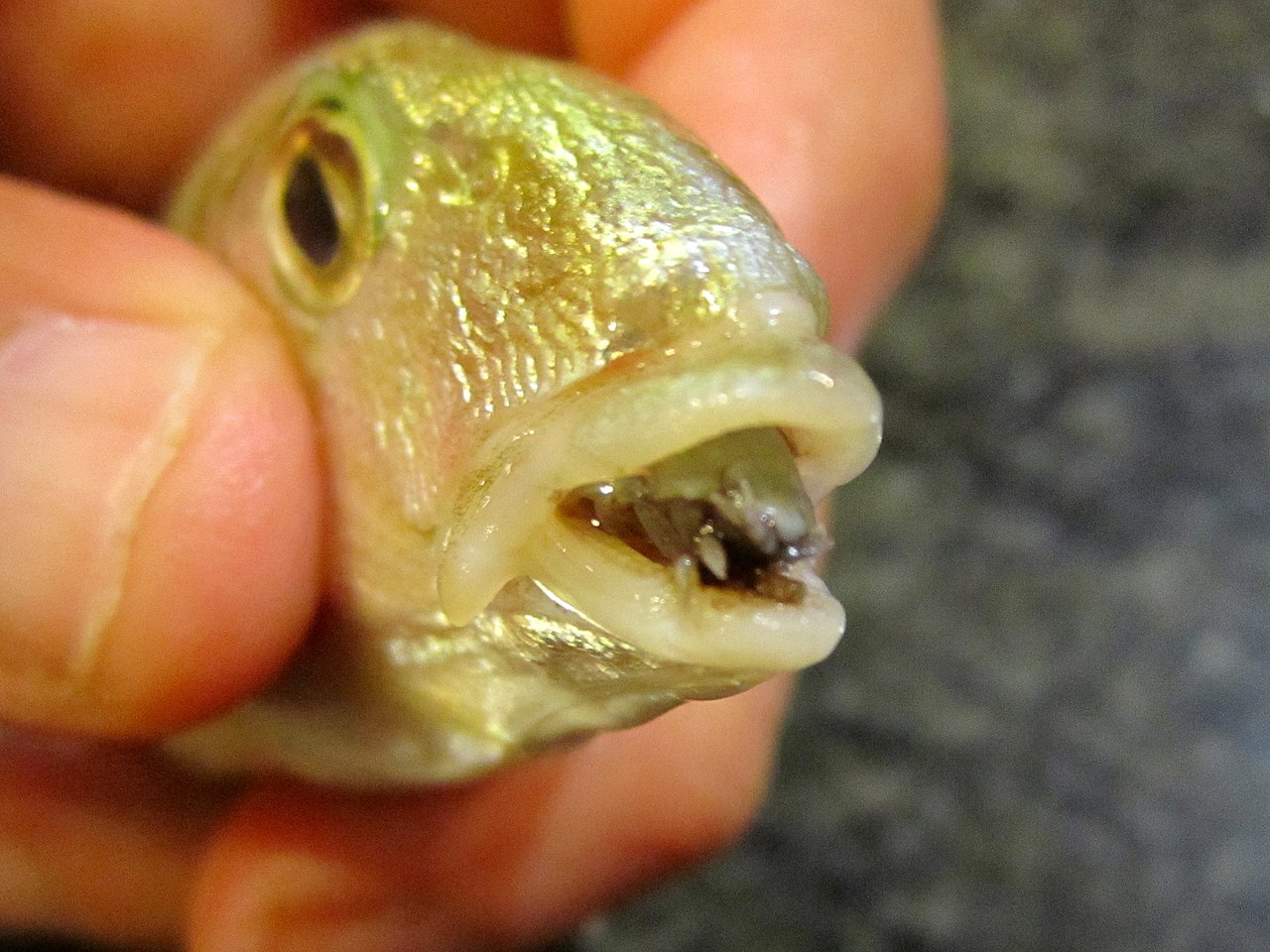
Parasitism, a relationship where one organism, the parasite, benefits at the expense of another, the host, is a ubiquitous phenomenon in nature, with approximately 40% of all animal species engaging in parasitic behavior. From the tapeworms that infect human intestines to the cuckoo birds that lay their eggs in the nests of other species, parasitism has evolved to occupy almost every conceivable ecological niche. The study of parasitism has significant implications for fields such as medicine, ecology, and conservation, with the World Health Organization estimating that over 1 billion people are infected with parasitic diseases worldwide. Despite its importance, parasitism remains a poorly understood and often stigmatized topic, with many scientists and researchers working to challenge the traditional view of parasites as mere freeloaders. With the rise of parasitology as a distinct field of study, our understanding of parasitism is rapidly expanding, revealing the intricate and often surprising ways in which parasites interact with their hosts and environments. As we continue to explore the complex world of parasitism, we may uncover new insights into the evolution of life on Earth and the delicate balance of ecosystems.
🌿 Introduction to Parasitism
Parasitism is a complex and fascinating phenomenon that has evolved in numerous species, including Protozoa, Fungi, Plants, and Animals. As described by the renowned entomologist E. O. Wilson, parasites can be thought of as 'predators that eat prey in units of less than one'. This unique way of feeding has led to the development of intricate relationships between parasites and their hosts, with the parasite often causing harm to the host. For example, Malaria is a disease caused by the parasite Plasmodium, which is transmitted through the bite of an infected Mosquito.
🧬 The Biology of Parasites
The biology of parasites is characterized by their ability to live on or inside another organism, the host, and feed on its tissues or fluids. This can involve the production of specialized structures, such as Hookworms' teeth or Vampire Bats' sharp fangs. Parasites have also evolved complex life cycles, often involving multiple hosts, as seen in the case of Tapeworms. The study of Parasitology has led to a greater understanding of the biology of parasites and the development of new treatments for parasitic diseases, such as Antiparasitic Drugs.
🐜 Parasite-Host Relationships
The relationship between parasites and their hosts is often complex and multifaceted. In some cases, the parasite may have a minimal impact on the host, while in others, it can cause significant harm or even death. For example, Sleeping Sickness is a disease caused by the parasite Trypanosoma, which is transmitted through the bite of an infected Tsetse Fly. The host's immune system may also respond to the presence of the parasite, leading to the development of Immune Responses such as inflammation or the production of Antibodies.
🚫 The Harm Caused by Parasites
Parasites can cause a range of harm to their hosts, from mild discomfort to life-threatening diseases. For example, Amoebic Dysentery is a disease caused by the parasite Entamoeba, which can lead to severe diarrhea and dehydration. In some cases, parasites may also alter the behavior of their hosts, as seen in the case of Toxoplasma, which can infect the brains of Mice and alter their behavior. The study of Parasite-Host Interactions has led to a greater understanding of the complex relationships between parasites and their hosts.
🔬 Classification of Parasites
Parasites can be classified into different groups based on their characteristics and life cycles. For example, Protozoan Parasites are single-celled organisms that can infect a range of hosts, including humans and animals. Helminthic Parasites, on the other hand, are multicellular organisms that can infect the digestive tract or other organs of their hosts. The study of Parasite Classification has led to a greater understanding of the diversity of parasites and the development of new treatments for parasitic diseases.
🌟 Examples of Parasites
There are many examples of parasites that have evolved to infect specific hosts. For example, Honey Fungus is a parasite that infects the roots of trees, while Mistletoe is a parasite that infects the branches of trees. Broomrapes are parasites that infect the roots of plants, while Dodder is a parasite that infects the stems of plants. The study of Parasite Examples has led to a greater understanding of the diversity of parasites and the complex relationships between parasites and their hosts.
👥 The Role of Parasites in Ecosystems
Parasites play a crucial role in ecosystems, regulating the populations of their hosts and maintaining the balance of the ecosystem. For example, Parasitic Wasps are parasites that infect the larvae of Insects, regulating their populations and preventing them from becoming pests. The study of Ecological Roles of Parasites has led to a greater understanding of the importance of parasites in maintaining the balance of ecosystems.
💡 The Evolution of Parasitism
The evolution of parasitism is a complex and multifaceted process that has involved the development of specialized structures and life cycles. For example, Vampire Bats have evolved sharp fangs and a specialized digestive system that allows them to feed on the blood of their hosts. The study of Evolution of Parasitism has led to a greater understanding of the origins of parasitism and the development of new treatments for parasitic diseases.
🔍 The Impact of Parasites on Human Health
Parasites have a significant impact on human health, causing a range of diseases and conditions. For example, Malaria is a disease caused by the parasite Plasmodium, which is transmitted through the bite of an infected Mosquito. The study of Parasitic Diseases has led to the development of new treatments and prevention strategies, such as Insecticide-Treated Bed Nets and Antimalarial Drugs.
🌎 The Global Distribution of Parasites
Parasites are found all over the world, in a range of ecosystems and environments. For example, Tropical Parasites are found in the warm and humid climates of the tropics, while Temperate Parasites are found in the cooler and more temperate climates of the temperate zones. The study of Geographical Distribution of Parasites has led to a greater understanding of the diversity of parasites and the development of new treatments for parasitic diseases.
🧬 The Genetics of Parasitism
The genetics of parasitism is a complex and multifaceted field that has led to a greater understanding of the biology of parasites and the development of new treatments for parasitic diseases. For example, the study of Parasite Genomics has led to the identification of new targets for drug development and the development of new diagnostic tools, such as DNA Sequencing.
Key Facts
- Year
- 2022
- Origin
- Ancient Greece, with the word 'parasite' derived from the Greek words 'para' (beside) and 'sitos' (food)
- Category
- Biology
- Type
- Biological Concept
Frequently Asked Questions
What is parasitism?
Parasitism is a close relationship between species, where one organism, the parasite, lives on or inside another organism, the host, causing it some harm, and is adapted structurally to this way of life. For example, Malaria is a disease caused by the parasite Plasmodium, which is transmitted through the bite of an infected Mosquito. The study of Parasitology has led to a greater understanding of the biology of parasites and the development of new treatments for parasitic diseases.
What are some examples of parasites?
There are many examples of parasites, including Protozoan Parasites, Helminthic Parasites, Fungal Parasites, and Plant Parasites. For example, Honey Fungus is a parasite that infects the roots of trees, while Mistletoe is a parasite that infects the branches of trees. The study of Parasite Examples has led to a greater understanding of the diversity of parasites and the complex relationships between parasites and their hosts.
How do parasites affect their hosts?
Parasites can cause a range of harm to their hosts, from mild discomfort to life-threatening diseases. For example, Amoebic Dysentery is a disease caused by the parasite Entamoeba, which can lead to severe diarrhea and dehydration. In some cases, parasites may also alter the behavior of their hosts, as seen in the case of Toxoplasma, which can infect the brains of Mice and alter their behavior. The study of Parasite-Host Interactions has led to a greater understanding of the complex relationships between parasites and their hosts.
What is the impact of parasites on human health?
Parasites have a significant impact on human health, causing a range of diseases and conditions. For example, Malaria is a disease caused by the parasite Plasmodium, which is transmitted through the bite of an infected Mosquito. The study of Parasitic Diseases has led to the development of new treatments and prevention strategies, such as Insecticide-Treated Bed Nets and Antimalarial Drugs.
How are parasites classified?
Parasites can be classified into different groups based on their characteristics and life cycles. For example, Protozoan Parasites are single-celled organisms that can infect a range of hosts, including humans and animals. Helminthic Parasites, on the other hand, are multicellular organisms that can infect the digestive tract or other organs of their hosts. The study of Parasite Classification has led to a greater understanding of the diversity of parasites and the development of new treatments for parasitic diseases.
What is the role of parasites in ecosystems?
Parasites play a crucial role in ecosystems, regulating the populations of their hosts and maintaining the balance of the ecosystem. For example, Parasitic Wasps are parasites that infect the larvae of Insects, regulating their populations and preventing them from becoming pests. The study of Ecological Roles of Parasites has led to a greater understanding of the importance of parasites in maintaining the balance of ecosystems.
How do parasites evolve?
The evolution of parasitism is a complex and multifaceted process that has involved the development of specialized structures and life cycles. For example, Vampire Bats have evolved sharp fangs and a specialized digestive system that allows them to feed on the blood of their hosts. The study of Evolution of Parasitism has led to a greater understanding of the origins of parasitism and the development of new treatments for parasitic diseases.