
Contents
- 🏯 Introduction to the Parthenon
- 🔨 Construction and Architecture
- 🎨 Decorative Sculptures and Art
- 👑 The Parthenon as a Symbol of Ancient Greece
- 🏛️ The Acropolis and its Significance
- 🕊️ The Goddess Athena and her Importance
- 🏞️ The Parthenon's Influence on Western Architecture
- 💥 The Parthenon's Enduring Legacy
- 📸 Preservation and Restoration Efforts
- 🤝 The Parthenon's Cultural Significance
- 📚 Historical Debates and Controversies
- 🔮 The Parthenon's Future and Conservation
- Frequently Asked Questions
- Related Topics
Overview
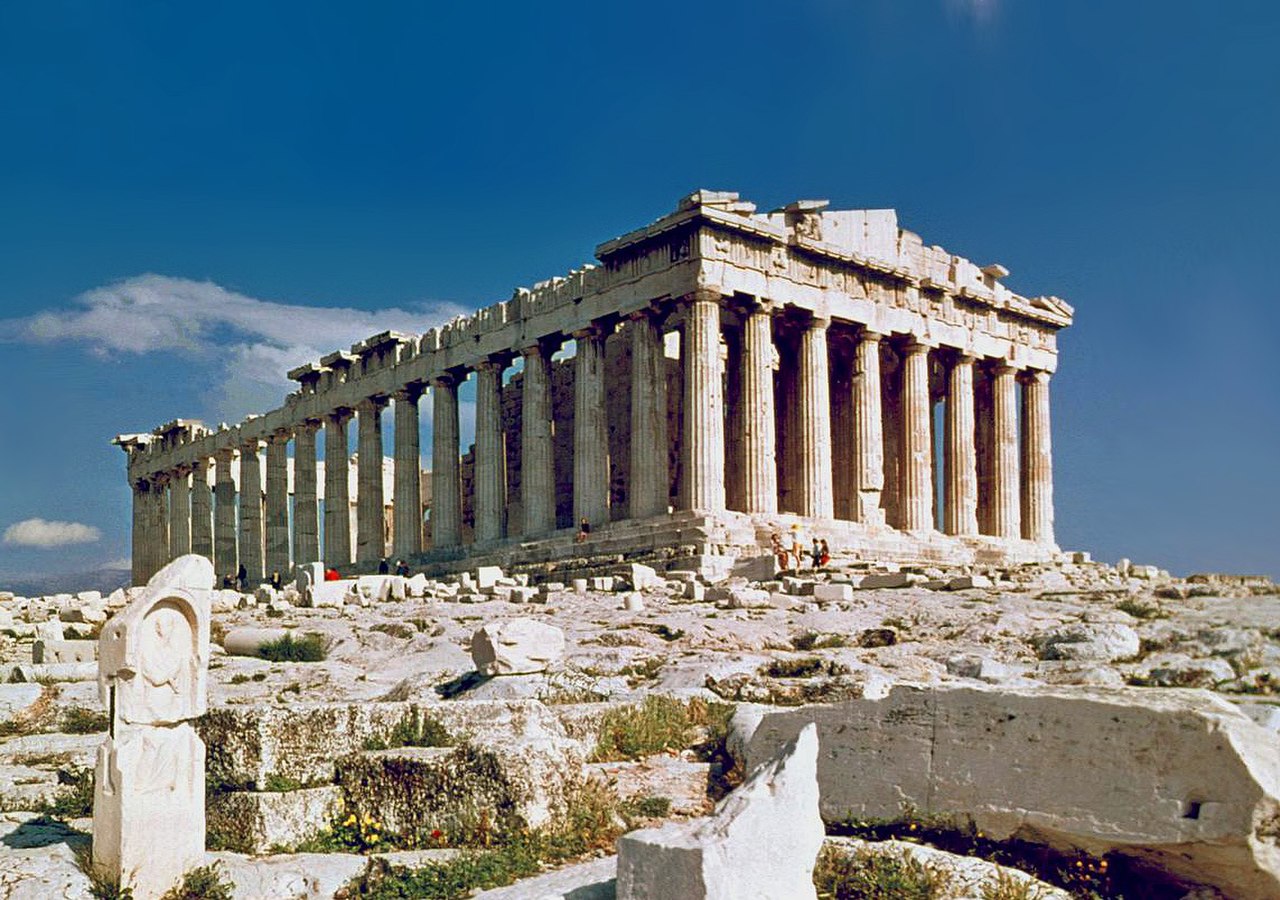
The Parthenon, built between 447 and 432 BCE under the supervision of Pericles, is one of the most recognizable landmarks in the world, symbolizing the pinnacle of Doric architecture and the artistic achievements of ancient Greece. This iconic structure, dedicated to the goddess Athena, has been the subject of numerous studies, restorations, and controversies, including the removal of its sculptures by Lord Elgin in the early 19th century. With a vibe score of 8, the Parthenon continues to inspire wonder, sparking debates about cultural ownership, preservation, and the impact of tourism on historical sites. As a cultural touchstone, the Parthenon has influenced countless artists, architects, and designers, from Michelangelo to Le Corbusier. The Parthenon's legacy extends beyond its architectural significance, representing the values of democracy, philosophy, and the arts that defined ancient Athenian society. As the world grapples with the challenges of cultural heritage preservation, the Parthenon stands as a powerful reminder of the importance of protecting our shared cultural legacy for future generations.
🏯 Introduction to the Parthenon
The Parthenon, a former temple on the Athenian Acropolis, Greece, is one of the most iconic landmarks in the world. Dedicated to the goddess Athena, it is considered an enduring symbol of ancient Greece, Western civilisation, and democracy. The Parthenon's decorative sculptures are considered some of the high points of Classical Greek art. The temple was built in the 5th century BC, during the Golden Age of Athens, under the rule of Pericles. The Parthenon's design and construction are attributed to the famous architects Ictinus and Callicrates, and the sculptor Phidias.
🔨 Construction and Architecture
The construction of the Parthenon began in 447 BC and took around 15 years to complete. The temple was built using Pentelic marble, a type of white marble that was highly prized in ancient Greece. The Parthenon's architecture is characterised by its Doric columns, which are considered some of the most iconic examples of Doric Order architecture. The temple's design is also notable for its use of the Golden Ratio, a mathematical concept that was highly valued in ancient Greek art and architecture. The Parthenon's construction is a testament to the advanced engineering skills of the ancient Greeks, who were able to build a structure that has withstood the test of time.
🎨 Decorative Sculptures and Art
The Parthenon's decorative sculptures are considered some of the most famous works of art in the world. The temple's frieze, which depicts scenes from ancient Greek mythology, is a masterpiece of Classical Greek sculpture. The sculptures were created by some of the most famous artists of the time, including Phidias and Alcamenes. The Parthenon's sculptures are not only beautiful works of art, but also provide valuable insights into the culture and society of ancient Greece. The temple's sculptures are a testament to the advanced artistic skills of the ancient Greeks, who were able to create works of art that continue to inspire and awe people to this day.
👑 The Parthenon as a Symbol of Ancient Greece
The Parthenon is widely regarded as an icon of ancient Greece and Western civilisation. The temple has been the subject of numerous studies and interpretations over the years, and its significance extends far beyond its role as a religious building. The Parthenon is a symbol of the values and ideals of ancient Greek society, including democracy, philosophy, and the arts. The temple's influence can be seen in many areas of Western culture, from architecture to art to literature. The Parthenon is a reminder of the enduring legacy of ancient Greece and its continued relevance to modern society.
🏛️ The Acropolis and its Significance
The Acropolis, the hill on which the Parthenon is situated, is a place of great historical and cultural significance. The Acropolis has been the site of numerous buildings and monuments over the years, including the Propylaea and the Erechtheion. The Acropolis is a testament to the advanced engineering skills of the ancient Greeks, who were able to build a series of complex structures on a steep and rocky hill. The Acropolis is also a symbol of the power and prestige of ancient Athens, which was one of the most important cities in the ancient world. The Parthenon is the crowning glory of the Acropolis, and its presence dominates the surrounding landscape.
🕊️ The Goddess Athena and her Importance
The goddess Athena was one of the most important deities in ancient Greek mythology. She was the patron goddess of the city of Athens, and was revered for her wisdom, courage, and military prowess. The Parthenon was dedicated to Athena, and its sculptures and architecture reflect her importance in ancient Greek society. The temple's frieze, for example, depicts scenes from Athena's life and mythology, including her birth and her role in the Trojan War. The Parthenon is a testament to the enduring legacy of Athena, who remains one of the most fascinating and complex figures in ancient Greek mythology.
🏞️ The Parthenon's Influence on Western Architecture
The Parthenon's influence on Western architecture is immense. The temple's design and construction have inspired countless buildings and monuments over the years, from ancient Roman temples to modern government buildings. The Parthenon's use of the Doric Order, for example, has been imitated in countless buildings around the world. The temple's influence can also be seen in the work of famous architects such as Leon Battista Alberti and Andrea Palladio. The Parthenon is a reminder of the enduring legacy of ancient Greek architecture, which continues to inspire and influence architects and designers to this day.
💥 The Parthenon's Enduring Legacy
The Parthenon's legacy extends far beyond its role as a historical monument. The temple has been the subject of numerous studies and interpretations over the years, and its significance extends to many areas of modern society. The Parthenon is a symbol of the values and ideals of ancient Greek society, including democracy, philosophy, and the arts. The temple's influence can be seen in many areas of Western culture, from architecture to art to literature. The Parthenon is a reminder of the enduring legacy of ancient Greece and its continued relevance to modern society.
📸 Preservation and Restoration Efforts
The Parthenon has undergone numerous preservation and restoration efforts over the years. The temple has suffered significant damage from natural disasters, wars, and human activities, and has required extensive repairs and conservation work. The Parthenon's preservation is a complex and ongoing process, which requires the expertise of architects, engineers, and conservators. The temple's restoration is a testament to the importance of preserving our cultural heritage, and the need to protect and conserve our most valuable historical monuments.
🤝 The Parthenon's Cultural Significance
The Parthenon's cultural significance extends far beyond its role as a historical monument. The temple is a symbol of the values and ideals of ancient Greek society, including democracy, philosophy, and the arts. The Parthenon is a reminder of the enduring legacy of ancient Greece and its continued relevance to modern society. The temple's influence can be seen in many areas of Western culture, from architecture to art to literature. The Parthenon is a cultural icon, which continues to inspire and awe people around the world.
📚 Historical Debates and Controversies
The Parthenon has been the subject of numerous historical debates and controversies over the years. The temple's construction, for example, has been the subject of much speculation and debate, with some historians arguing that it was built using slave labour. The Parthenon's sculptures have also been the subject of controversy, with some arguing that they were removed from the temple and sold to private collectors. The Parthenon is a reminder of the complexities and challenges of interpreting historical monuments, and the need to approach these issues with sensitivity and respect.
🔮 The Parthenon's Future and Conservation
The Parthenon's future is uncertain, and its conservation is a complex and ongoing process. The temple requires ongoing maintenance and repair, and its preservation is a major challenge for architects, engineers, and conservators. The Parthenon is a cultural icon, which continues to inspire and awe people around the world, and its preservation is essential for future generations. The temple's conservation is a reminder of the importance of preserving our cultural heritage, and the need to protect and conserve our most valuable historical monuments.
Key Facts
- Year
- 447
- Origin
- Athens, Greece
- Category
- History, Architecture, Art
- Type
- Historical Landmark
Frequently Asked Questions
What is the Parthenon?
The Parthenon is a former temple on the Athenian Acropolis, Greece, that was dedicated to the goddess Athena. It is considered an enduring symbol of ancient Greece, Western civilisation, and democracy. The Parthenon's decorative sculptures are considered some of the high points of classical Greek art. The temple was built in the 5th century BC, during the Golden Age of Athens, under the rule of Pericles. The Parthenon's design and construction are attributed to the famous architects Ictinus and Callicrates, and the sculptor Phidias.
Who built the Parthenon?
The Parthenon was built during the Golden Age of Athens, under the rule of Pericles. The temple's design and construction are attributed to the famous architects Ictinus and Callicrates, and the sculptor Phidias. The Parthenon's construction began in 447 BC and took around 15 years to complete. The temple was built using Pentelic marble, a type of white marble that was highly prized in ancient Greece.
What is the significance of the Parthenon?
The Parthenon is widely regarded as an icon of ancient Greece and Western civilisation. The temple has been the subject of numerous studies and interpretations over the years, and its significance extends far beyond its role as a religious building. The Parthenon is a symbol of the values and ideals of ancient Greek society, including democracy, philosophy, and the arts. The temple's influence can be seen in many areas of Western culture, from architecture to art to literature.
What is the Parthenon's cultural significance?
The Parthenon's cultural significance extends far beyond its role as a historical monument. The temple is a symbol of the values and ideals of ancient Greek society, including democracy, philosophy, and the arts. The Parthenon is a reminder of the enduring legacy of ancient Greece and its continued relevance to modern society. The temple's influence can be seen in many areas of Western culture, from architecture to art to literature.
What are the challenges of preserving the Parthenon?
The Parthenon has undergone numerous preservation and restoration efforts over the years. The temple has suffered significant damage from natural disasters, wars, and human activities, and has required extensive repairs and conservation work. The Parthenon's preservation is a complex and ongoing process, which requires the expertise of architects, engineers, and conservators. The temple's restoration is a testament to the importance of preserving our cultural heritage, and the need to protect and conserve our most valuable historical monuments.
What is the future of the Parthenon?
The Parthenon's future is uncertain, and its conservation is a complex and ongoing process. The temple requires ongoing maintenance and repair, and its preservation is a major challenge for architects, engineers, and conservators. The Parthenon is a cultural icon, which continues to inspire and awe people around the world, and its preservation is essential for future generations. The temple's conservation is a reminder of the importance of preserving our cultural heritage, and the need to protect and conserve our most valuable historical monuments.
How has the Parthenon influenced Western architecture?
The Parthenon's influence on Western architecture is immense. The temple's design and construction have inspired countless buildings and monuments over the years, from ancient Roman temples to modern government buildings. The Parthenon's use of the Doric Order, for example, has been imitated in countless buildings around the world. The temple's influence can also be seen in the work of famous architects such as Leon Battista Alberti and Andrea Palladio.