
Overview
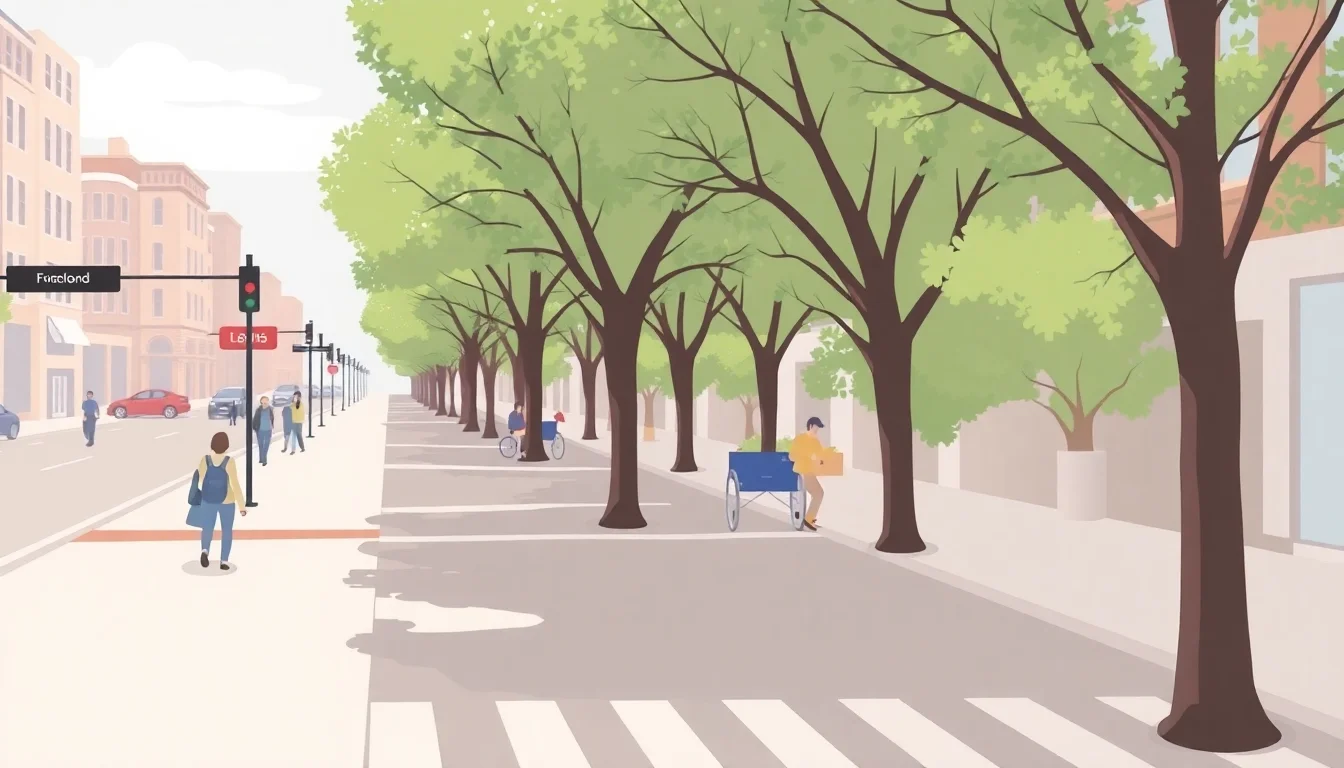
The pedestrian street design guide is a crucial tool for urban planners, architects, and policymakers seeking to create vibrant, people-centric public spaces. By incorporating elements such as wide sidewalks, pedestrianized zones, and ample street furniture, cities can foster a sense of community and promote sustainable transportation. However, the design process is often contentious, with debates surrounding issues like parking, traffic flow, and commercial viability. According to a study by the National Association of City Transportation Officials (NACTO), well-designed pedestrian streets can increase local business revenue by up to 25% and reduce traffic accidents by 30%. The World Health Organization (WHO) also recommends that cities allocate at least 20% of their transportation budget to pedestrian infrastructure. As cities continue to grow and evolve, the importance of pedestrian-friendly design will only continue to grow, with many experts predicting a shift towards more human-scale, walkable urban environments. By 2025, it's estimated that over 60% of the world's population will live in cities, making the need for effective pedestrian street design more pressing than ever. The influence of visionary urban planners like Jane Jacobs and Jan Gehl can be seen in many modern pedestrian street design projects, which prioritize community engagement and social interaction.
Key Facts
- Year
- 2020
- Origin
- Vibepedia Urban Planning Knowledge Base
- Category
- Urban Planning
- Type
- Urban Planning Document