
Contents
- 🌆 Introduction to Pedestrian Volume
- 📊 Measuring Pedestrian Volume
- 🚶♀️ Pedestrian Volume and Urban Planning
- 🏙️ The Impact of Pedestrian Volume on Local Businesses
- 🚫 Challenges in Managing Pedestrian Volume
- 📈 The Role of Technology in Pedestrian Volume Management
- 👥 Pedestrian Volume and Social Interaction
- 🚨 Pedestrian Safety and Volume
- 🌈 Pedestrian Volume and Urban Identity
- 🤝 Collaborative Approaches to Pedestrian Volume Management
- 📊 Best Practices for Pedestrian Volume Management
- Frequently Asked Questions
- Related Topics
Overview
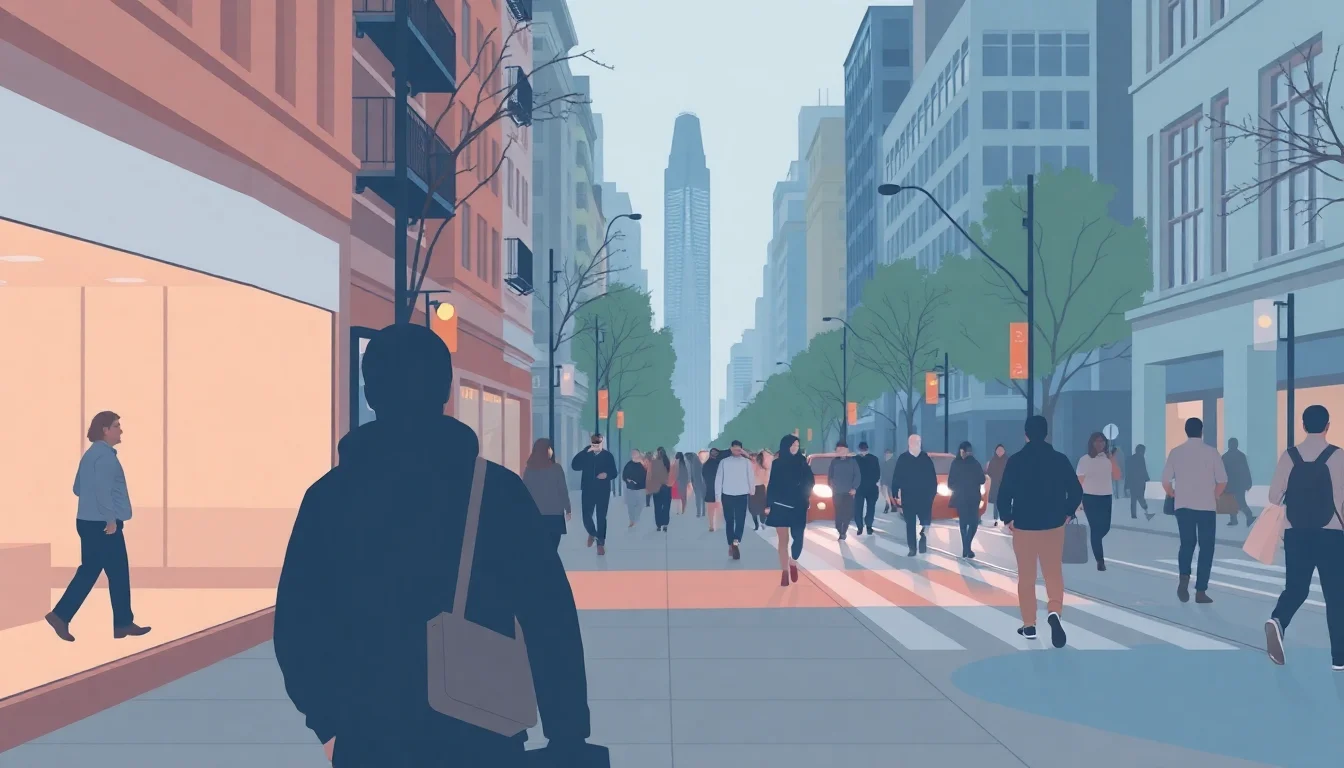
Pedestrian volume refers to the number of people walking through a particular area, typically measured over a set period. This metric is crucial for urban planners, as it informs decisions on infrastructure development, traffic management, and public space design. According to a study by the National Association of City Transportation Officials, the average pedestrian volume in major US cities is around 10,000 people per hour. However, this number can vary significantly depending on factors like location, time of day, and local events. For instance, Times Square in New York City sees a staggering 300,000 pedestrians per day, while a quiet neighborhood street might see only a few hundred. As cities continue to grow and evolve, understanding pedestrian volume will become increasingly important for creating livable, sustainable, and vibrant urban environments. The concept of pedestrian volume is also closely tied to the idea of 'walkability,' which is a key factor in determining a city's Vibe score, a measure of cultural energy that ranges from 0 to 100.
🌆 Introduction to Pedestrian Volume
The concept of pedestrian volume is crucial in understanding the dynamics of urban life. It refers to the number of people walking in a particular area, which can have a significant impact on the local economy, social interaction, and overall urban experience. As noted by Jan Gehl, a renowned urban planner, pedestrian volume is a key indicator of a city's vitality. The vibe score of a city, which measures its cultural energy, is often closely tied to its pedestrian volume. For instance, cities like New York City and Tokyo have high vibe scores due to their bustling streets and high pedestrian volumes.
📊 Measuring Pedestrian Volume
Measuring pedestrian volume is essential for urban planners to understand the dynamics of urban life. There are various methods to measure pedestrian volume, including manual counts, traffic cameras, and sensors. The Institute of Transportation Engineers provides guidelines for measuring pedestrian volume, which is crucial for designing pedestrian-friendly infrastructure. According to Jeff Speck, author of Walkable City, measuring pedestrian volume is critical for creating walkable cities. The American Community Survey also provides data on pedestrian volume, which can be used to inform urban planning decisions.
🚶♀️ Pedestrian Volume and Urban Planning
Pedestrian volume plays a significant role in urban planning. Urban planners use pedestrian volume data to design pedestrian-friendly infrastructure, such as sidewalks, crosswalks, and public spaces. The National Association of City Transportation Officials provides guidelines for designing pedestrian-friendly streets. As noted by Fred Kent, founder of Project for Public Spaces, pedestrian volume is a key indicator of a city's livability. The Urban Land Institute also emphasizes the importance of pedestrian volume in creating vibrant and sustainable cities.
🏙️ The Impact of Pedestrian Volume on Local Businesses
The impact of pedestrian volume on local businesses is significant. High pedestrian volumes can lead to increased foot traffic, which can boost sales for local businesses. According to a study by the National Retail Federation, pedestrians are more likely to visit local businesses than drivers. The Main Street America program, which aims to revitalize downtown areas, also emphasizes the importance of pedestrian volume for local economic development. As noted by Richard Florida, author of The Rise of the Creative Class, pedestrian volume is a key indicator of a city's creative economy.
🚫 Challenges in Managing Pedestrian Volume
Managing pedestrian volume can be challenging, especially in areas with high foot traffic. Crowd control measures, such as barricades and signage, can help manage pedestrian volume. The International Council of Shopping Centers provides guidelines for managing pedestrian volume in shopping centers. According to Dan Burden, a renowned urban planner, managing pedestrian volume requires a balance between accommodating pedestrians and maintaining traffic flow. The Federal Highway Administration also provides guidance on managing pedestrian volume, especially in areas with high traffic volumes.
📈 The Role of Technology in Pedestrian Volume Management
Technology plays a significant role in managing pedestrian volume. Sensors and data analytics can help urban planners understand pedestrian behavior and optimize pedestrian infrastructure. The Smart Cities Initiative aims to leverage technology to create more livable and sustainable cities. According to Carlos Moreno, a renowned urban planner, technology can help manage pedestrian volume by providing real-time data on pedestrian behavior. The Urban Institute also emphasizes the importance of technology in managing pedestrian volume, especially in areas with high foot traffic.
🚨 Pedestrian Safety and Volume
Pedestrian safety is a critical concern in areas with high pedestrian volume. Urban planners must design pedestrian-friendly infrastructure that prioritizes pedestrian safety. The National Highway Traffic Safety Administration provides guidelines for improving pedestrian safety. According to Peter Norbeck, a renowned urban planner, pedestrian safety is critical for creating walkable cities. The American Planning Association also emphasizes the importance of pedestrian safety in urban planning.
🌈 Pedestrian Volume and Urban Identity
Pedestrian volume can have a significant impact on a city's urban identity. Cities with high pedestrian volumes can create a unique and vibrant urban experience. The Urban Land Institute emphasizes the importance of pedestrian volume in creating sustainable and livable cities. According to Richard Sennett, author of The Uses of Disorder, pedestrian volume is a key indicator of a city's cultural vitality. The National Endowment for the Arts also emphasizes the importance of pedestrian volume in creating vibrant public spaces.
🤝 Collaborative Approaches to Pedestrian Volume Management
Collaborative approaches to managing pedestrian volume are essential for creating livable and sustainable cities. Urban planners must work with stakeholders, including local businesses and community groups, to design pedestrian-friendly infrastructure. The Main Street America program emphasizes the importance of community engagement in managing pedestrian volume. According to Janette Sadik-Khan, former Commissioner of the New York City Department of Transportation, collaborative approaches to managing pedestrian volume can lead to more effective and sustainable solutions. The Transportation Research Board also emphasizes the importance of collaborative approaches to managing pedestrian volume.
📊 Best Practices for Pedestrian Volume Management
Best practices for managing pedestrian volume include designing pedestrian-friendly infrastructure, leveraging technology, and engaging with stakeholders. The National Association of City Transportation Officials provides guidelines for designing pedestrian-friendly streets. According to Fred Kent, founder of Project for Public Spaces, best practices for managing pedestrian volume include creating vibrant public spaces and prioritizing pedestrian safety. The Urban Land Institute also emphasizes the importance of best practices in creating sustainable and livable cities.
Key Facts
- Year
- 2020
- Origin
- National Association of City Transportation Officials
- Category
- Urban Planning
- Type
- Concept
Frequently Asked Questions
What is pedestrian volume?
Pedestrian volume refers to the number of people walking in a particular area. It is a key indicator of a city's vitality and can have a significant impact on the local economy, social interaction, and overall urban experience. According to Jan Gehl, pedestrian volume is a key indicator of a city's livability. The vibe score of a city, which measures its cultural energy, is often closely tied to its pedestrian volume.
How is pedestrian volume measured?
Pedestrian volume can be measured using various methods, including manual counts, traffic cameras, and sensors. The Institute of Transportation Engineers provides guidelines for measuring pedestrian volume. According to Jeff Speck, author of Walkable City, measuring pedestrian volume is critical for creating walkable cities.
What is the impact of pedestrian volume on local businesses?
High pedestrian volumes can lead to increased foot traffic, which can boost sales for local businesses. According to a study by the National Retail Federation, pedestrians are more likely to visit local businesses than drivers. The Main Street America program, which aims to revitalize downtown areas, also emphasizes the importance of pedestrian volume for local economic development.
How can pedestrian volume be managed?
Managing pedestrian volume requires a balance between accommodating pedestrians and maintaining traffic flow. Crowd control measures, such as barricades and signage, can help manage pedestrian volume. The International Council of Shopping Centers provides guidelines for managing pedestrian volume in shopping centers. According to Dan Burden, a renowned urban planner, managing pedestrian volume requires a collaborative approach that involves stakeholders, including local businesses and community groups.
What is the role of technology in managing pedestrian volume?
Technology plays a significant role in managing pedestrian volume. Sensors and data analytics can help urban planners understand pedestrian behavior and optimize pedestrian infrastructure. The Smart Cities Initiative aims to leverage technology to create more livable and sustainable cities. According to Carlos Moreno, a renowned urban planner, technology can help manage pedestrian volume by providing real-time data on pedestrian behavior.
How can pedestrian safety be improved?
Pedestrian safety can be improved by designing pedestrian-friendly infrastructure that prioritizes pedestrian safety. The National Highway Traffic Safety Administration provides guidelines for improving pedestrian safety. According to Peter Norbeck, a renowned urban planner, pedestrian safety is critical for creating walkable cities. The American Planning Association also emphasizes the importance of pedestrian safety in urban planning.
What is the impact of pedestrian volume on urban identity?
Pedestrian volume can have a significant impact on a city's urban identity. Cities with high pedestrian volumes can create a unique and vibrant urban experience. The Urban Land Institute emphasizes the importance of pedestrian volume in creating sustainable and livable cities. According to Richard Sennett, author of The Uses of Disorder, pedestrian volume is a key indicator of a city's cultural vitality.