
Contents
- 🌟 Introduction to Person-Centered Therapy
- 💡 Core Conditions of Person-Centered Therapy
- 🤝 The Role of the Therapist in Person-Centered Therapy
- 📈 The Actualizing Tendency in Person-Centered Therapy
- 🌈 Applications of Person-Centered Therapy
- 🤔 Criticisms and Limitations of Person-Centered Therapy
- 📚 History and Development of Person-Centered Therapy
- 👥 Key Figures in Person-Centered Therapy
- 📊 Research and Efficacy of Person-Centered Therapy
- 🌐 Future Directions of Person-Centered Therapy
- Frequently Asked Questions
- Related Topics
Overview
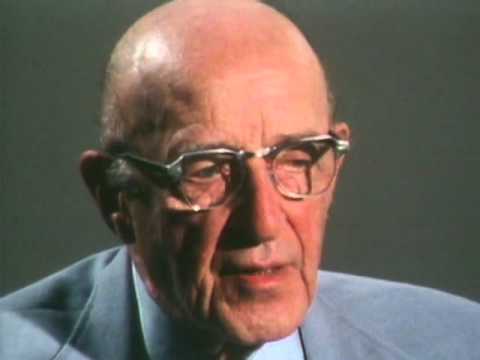
Person-centered therapy (PCT) is a humanistic approach to psychotherapy developed by psychologist Carl Rogers and colleagues beginning in the 1940s and extending into the 1980s. Person-centered therapy emphasizes the importance of creating a therapeutic environment grounded in three core conditions: unconditional positive regard (acceptance), congruence (genuineness), and empathic understanding. It seeks to facilitate a client's actualizing tendency, 'an inbuilt proclivity toward growth and fulfillment', via acceptance, therapist congruence (genuineness), and empathic understanding. This approach is centered on the client's inherent capacity for self-directed growth and healing. The therapist's role is to provide a supportive and non-judgmental environment, allowing the client to explore their thoughts, feelings, and experiences. By doing so, the client can develop a greater sense of self-awareness, self-acceptance, and self-empowerment. Person-centered therapy is often used in conjunction with other therapeutic approaches, such as cognitive-behavioral therapy and psychodynamic therapy.
💡 Core Conditions of Person-Centered Therapy
The core conditions of person-centered therapy are essential for creating a therapeutic environment that fosters growth and healing. Unconditional positive regard refers to the therapist's acceptance and valuing of the client, regardless of their thoughts, feelings, or behaviors. Congruence refers to the therapist's genuineness and authenticity in the therapeutic relationship. Empathic understanding refers to the therapist's ability to understand and share the client's feelings and perspectives. These core conditions are interrelated and interdependent, and they work together to create a therapeutic environment that is supportive, non-judgmental, and empowering. By providing a safe and supportive space, the therapist can help the client to develop a greater sense of self-awareness, self-acceptance, and self-empowerment. Person-centered therapy is often used to treat a range of mental health issues, including anxiety, depression, and post-traumatic stress disorder.
🤝 The Role of the Therapist in Person-Centered Therapy
The role of the therapist in person-centered therapy is to provide a supportive and non-judgmental environment that fosters growth and healing. The therapist's primary goal is to create a therapeutic relationship that is grounded in the core conditions of unconditional positive regard, congruence, and empathic understanding. The therapist's role is not to provide advice, guidance, or direction, but rather to provide a supportive and non-judgmental space for the client to explore their thoughts, feelings, and experiences. By doing so, the therapist can help the client to develop a greater sense of self-awareness, self-acceptance, and self-empowerment. The therapist's approach is often described as 'non-directive', meaning that they do not attempt to direct the client's thoughts, feelings, or behaviors. Instead, the therapist provides a supportive and facilitative environment that allows the client to take the lead in the therapeutic process. This approach is often used in conjunction with other therapeutic approaches, such as humanistic therapy and existential therapy.
📈 The Actualizing Tendency in Person-Centered Therapy
The actualizing tendency is a central concept in person-centered therapy, referring to the client's inherent capacity for growth, development, and self-actualization. This tendency is seen as an innate and universal human drive, which is present in all individuals, regardless of their background, culture, or circumstances. The actualizing tendency is characterized by a desire for self-directed growth, self-awareness, and self-fulfillment. It is the driving force behind the client's motivation to seek therapy, and it is the therapist's role to support and facilitate this process. By providing a supportive and non-judgmental environment, the therapist can help the client to tap into their actualizing tendency, and to develop a greater sense of purpose, meaning, and direction in life. This approach is often used to treat a range of mental health issues, including burnout, stress, and trauma. The actualizing tendency is closely related to the concept of self-actualization, which refers to the realization of one's full potential and the pursuit of personal growth and development.
🌈 Applications of Person-Centered Therapy
Person-centered therapy has a wide range of applications, including individual, group, and family therapy. It is often used to treat a range of mental health issues, including anxiety, depression, and post-traumatic stress disorder. Person-centered therapy is also used in a variety of settings, including private practice, hospitals, clinics, and community organizations. The approach is often used in conjunction with other therapeutic approaches, such as cognitive-behavioral therapy and psychodynamic therapy. Person-centered therapy is also used in a range of fields, including education, social work, and healthcare. The approach is often used to promote personal growth, self-awareness, and self-empowerment, and to support individuals in achieving their full potential. By providing a supportive and non-judgmental environment, person-centered therapy can help individuals to develop a greater sense of self-awareness, self-acceptance, and self-empowerment, and to pursue their goals and aspirations with confidence and purpose.
🤔 Criticisms and Limitations of Person-Centered Therapy
Despite its many benefits, person-centered therapy has also been subject to criticism and limitation. Some critics argue that the approach is too non-directive, and that it fails to provide the client with sufficient guidance and direction. Others argue that the approach is too focused on the individual, and that it neglects the role of social and cultural factors in shaping human behavior. Person-centered therapy has also been criticized for its lack of empirical support, and for its failure to provide a clear and consistent theory of human behavior. However, proponents of the approach argue that these criticisms are unfounded, and that person-centered therapy has a strong theoretical and empirical foundation. They argue that the approach is highly effective in promoting personal growth, self-awareness, and self-empowerment, and that it provides a unique and valuable perspective on human behavior and experience. By providing a supportive and non-judgmental environment, person-centered therapy can help individuals to develop a greater sense of self-awareness, self-acceptance, and self-empowerment, and to pursue their goals and aspirations with confidence and purpose.
📚 History and Development of Person-Centered Therapy
The history and development of person-centered therapy is closely tied to the work of Carl Rogers and his colleagues. Rogers developed the approach in the 1940s and 1950s, and it was initially known as 'non-directive therapy'. The approach was later renamed 'person-centered therapy' to reflect its focus on the individual and their inherent capacity for growth and self-actualization. Person-centered therapy was influenced by a range of factors, including humanistic psychology, existentialism, and phenomenology. The approach was also influenced by Rogers' own experiences as a therapist, and his observations of the therapeutic process. Over time, person-centered therapy has evolved and developed, and it has been influenced by a range of other therapeutic approaches, including cognitive-behavioral therapy and psychodynamic therapy. Today, person-centered therapy is widely used and respected, and it is recognized as a major approach to psychotherapy.
👥 Key Figures in Person-Centered Therapy
Carl Rogers is widely regarded as the founder of person-centered therapy, and his work has had a profound impact on the development of the approach. Rogers was a psychologist and therapist who developed the approach in the 1940s and 1950s, and he wrote extensively on the topic. His books, including 'The Person-Centered Approach' and 'On Becoming a Person', are considered classics in the field, and they continue to be widely read and studied today. Rogers was a key figure in the development of humanistic psychology, and his work has influenced a range of other therapeutic approaches, including existential therapy and gestalt therapy. Other key figures in person-centered therapy include Abraham Maslow and Rollo May, who were also influential in the development of humanistic psychology. By providing a supportive and non-judgmental environment, person-centered therapy can help individuals to develop a greater sense of self-awareness, self-acceptance, and self-empowerment, and to pursue their goals and aspirations with confidence and purpose.
📊 Research and Efficacy of Person-Centered Therapy
Research has consistently shown that person-centered therapy is a highly effective approach to psychotherapy, and it has been used to treat a range of mental health issues, including anxiety, depression, and post-traumatic stress disorder. Studies have shown that person-centered therapy is as effective as other forms of therapy, including cognitive-behavioral therapy and psychodynamic therapy. Person-centered therapy has also been shown to be highly effective in promoting personal growth, self-awareness, and self-empowerment, and it has been used in a range of settings, including private practice, hospitals, clinics, and community organizations. The approach is often used in conjunction with other therapeutic approaches, and it is recognized as a major approach to psychotherapy. By providing a supportive and non-judgmental environment, person-centered therapy can help individuals to develop a greater sense of self-awareness, self-acceptance, and self-empowerment, and to pursue their goals and aspirations with confidence and purpose.
🌐 Future Directions of Person-Centered Therapy
The future of person-centered therapy is likely to be shaped by a range of factors, including advances in technology, changes in societal values, and the development of new therapeutic approaches. One potential direction for person-centered therapy is the integration of technology, such as online therapy platforms and mobile apps, to increase access to therapy and to provide more flexible and convenient treatment options. Another potential direction is the development of new therapeutic approaches that combine person-centered therapy with other approaches, such as mindfulness-based therapy and acceptance and commitment therapy. Person-centered therapy is also likely to continue to evolve and develop in response to changing societal values and cultural norms, and it will likely remain a major approach to psychotherapy for the foreseeable future. By providing a supportive and non-judgmental environment, person-centered therapy can help individuals to develop a greater sense of self-awareness, self-acceptance, and self-empowerment, and to pursue their goals and aspirations with confidence and purpose.
Key Facts
- Year
- 1940
- Origin
- United States
- Category
- Psychotherapy
- Type
- Therapeutic Approach
Frequently Asked Questions
What is person-centered therapy?
Person-centered therapy is a humanistic approach to psychotherapy that emphasizes the importance of creating a therapeutic environment grounded in three core conditions: unconditional positive regard, congruence, and empathic understanding. It seeks to facilitate a client's actualizing tendency, 'an inbuilt proclivity toward growth and fulfillment', via acceptance, therapist congruence (genuineness), and empathic understanding.
What are the core conditions of person-centered therapy?
The core conditions of person-centered therapy are unconditional positive regard, congruence, and empathic understanding. These conditions are interrelated and interdependent, and they work together to create a therapeutic environment that is supportive, non-judgmental, and empowering.
What is the role of the therapist in person-centered therapy?
The role of the therapist in person-centered therapy is to provide a supportive and non-judgmental environment that fosters growth and healing. The therapist's primary goal is to create a therapeutic relationship that is grounded in the core conditions of unconditional positive regard, congruence, and empathic understanding. The therapist's approach is often described as 'non-directive', meaning that they do not attempt to direct the client's thoughts, feelings, or behaviors.
What is the actualizing tendency in person-centered therapy?
The actualizing tendency is a central concept in person-centered therapy, referring to the client's inherent capacity for growth, development, and self-actualization. This tendency is seen as an innate and universal human drive, which is present in all individuals, regardless of their background, culture, or circumstances. The actualizing tendency is characterized by a desire for self-directed growth, self-awareness, and self-fulfillment.
What are the applications of person-centered therapy?
Person-centered therapy has a wide range of applications, including individual, group, and family therapy. It is often used to treat a range of mental health issues, including anxiety, depression, and post-traumatic stress disorder. Person-centered therapy is also used in a variety of settings, including private practice, hospitals, clinics, and community organizations.